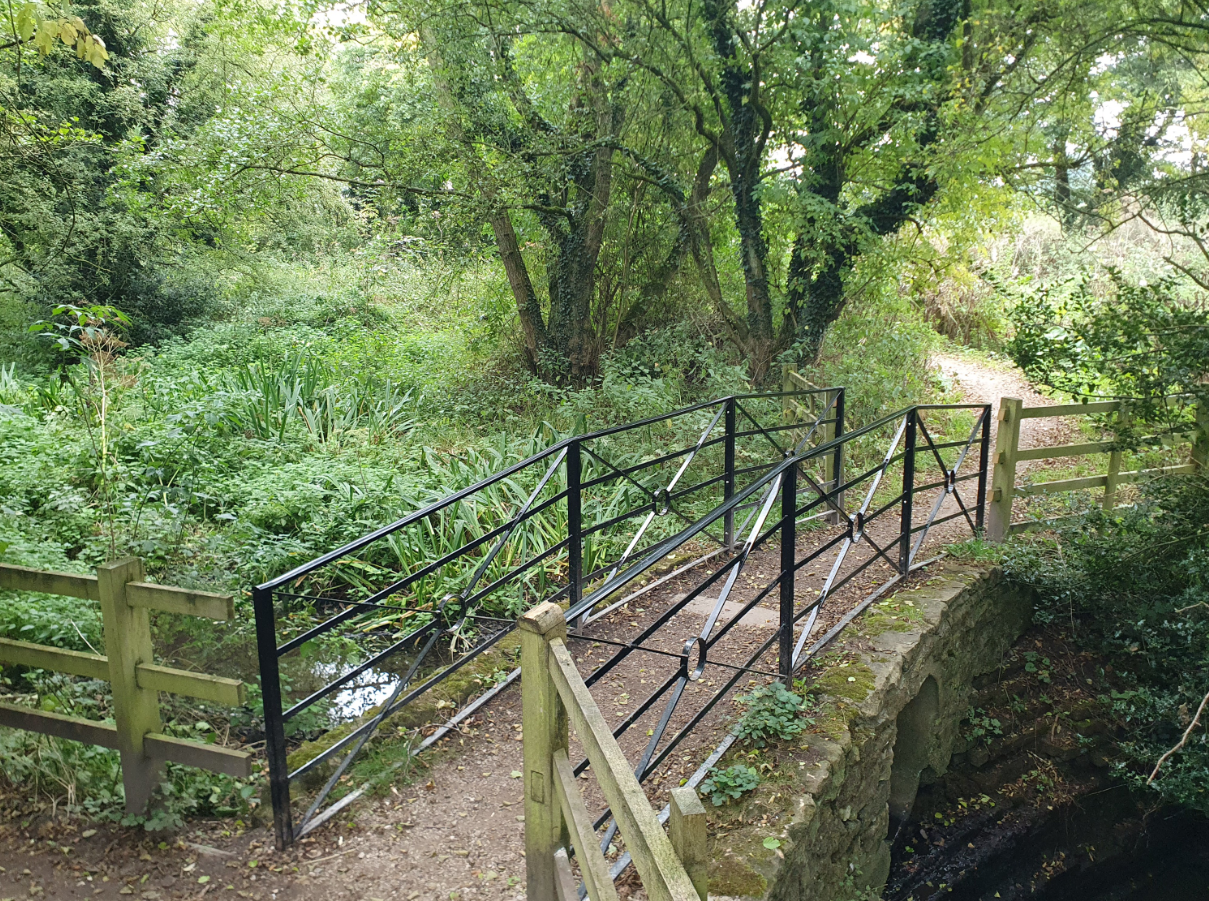
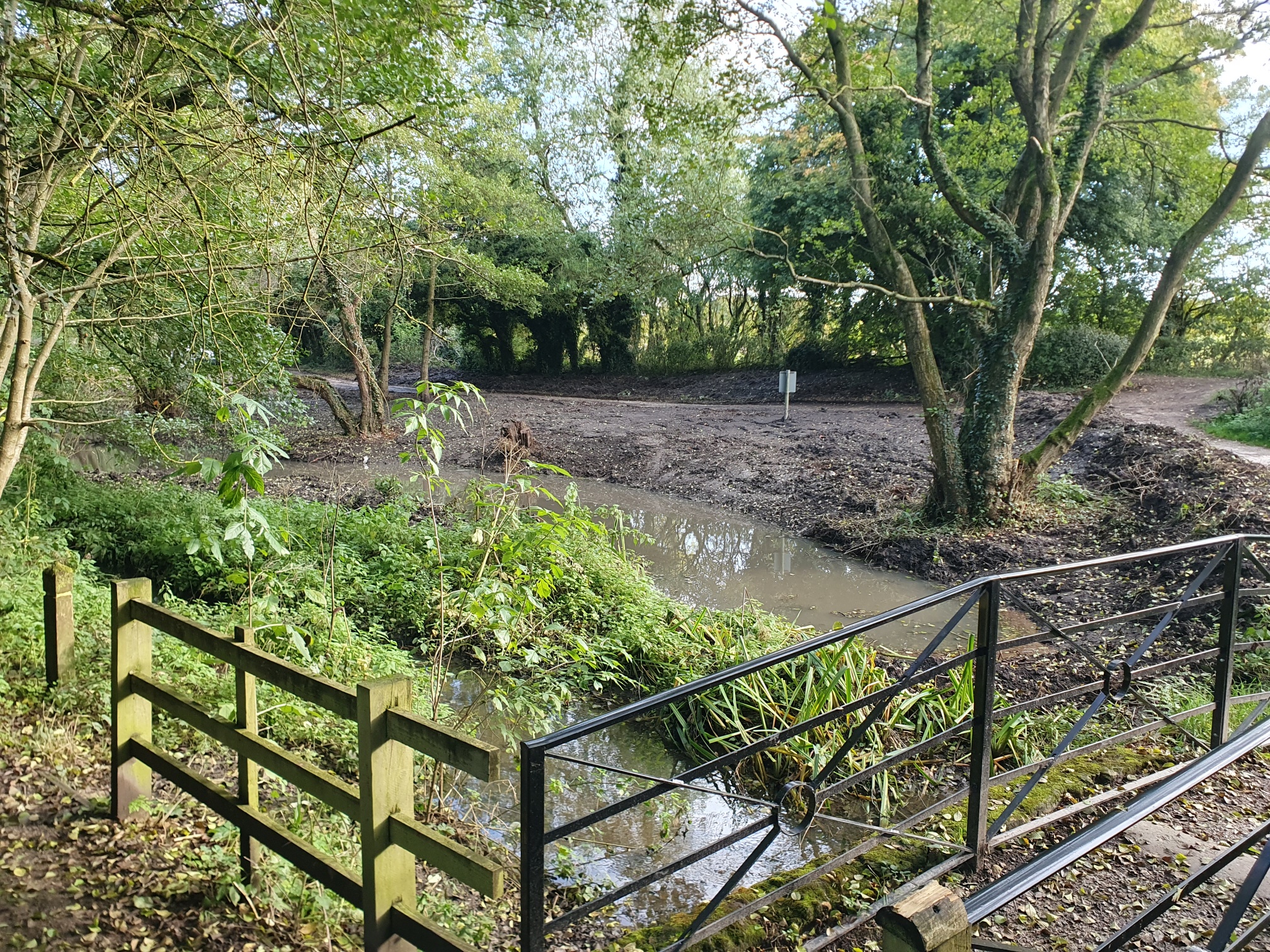
Help tackle the invasive and non-native Himalayan Balsam in Notts

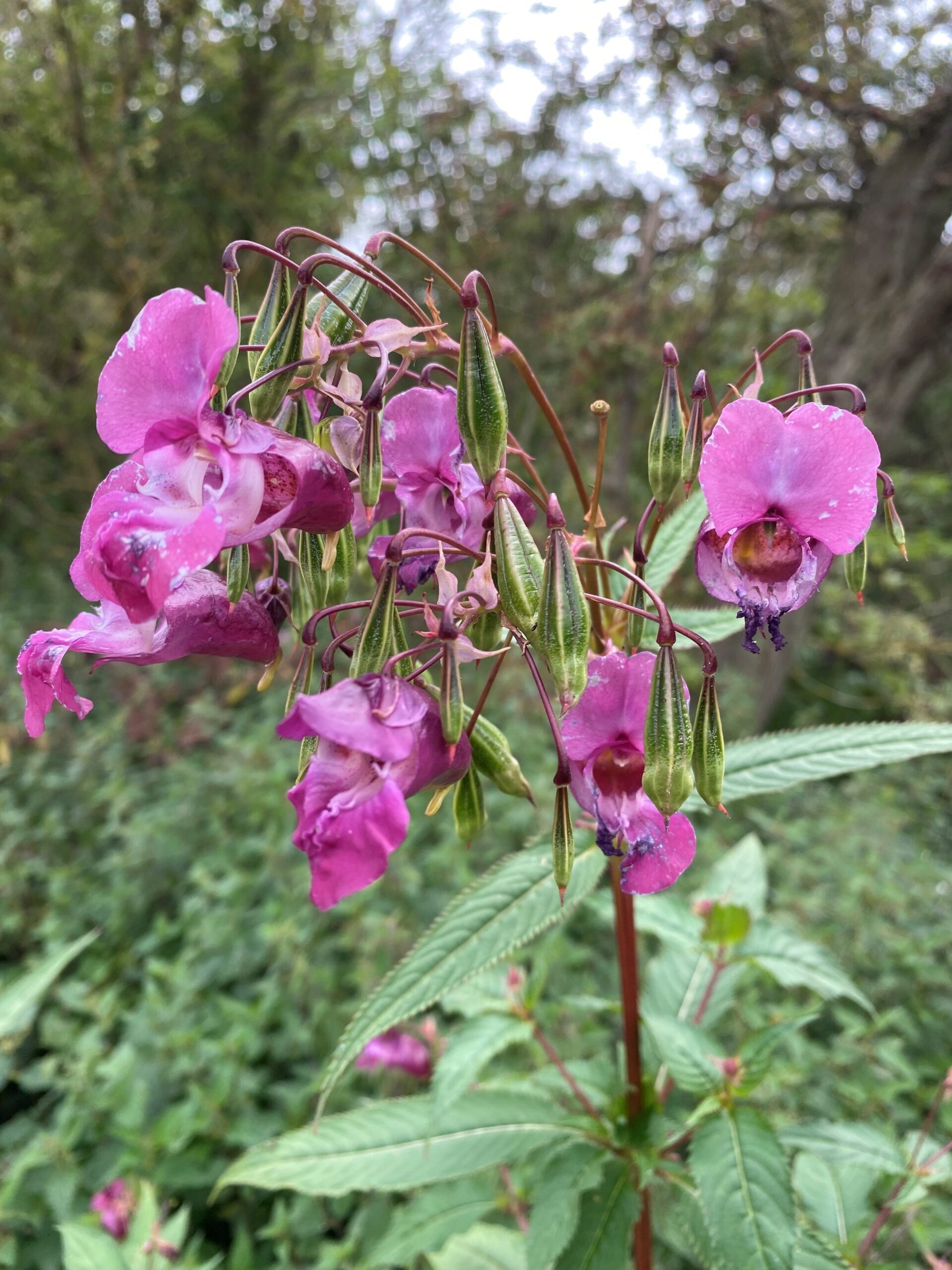
Himalayan balsam is an invasive plant that spreads quickly, particularly along rivers and in wetlands, outcompeting native plants and reducing biodiversity. It grows densely and creates a uniform layer of vegetation, making it harder for other species to survive.

To manage this, volunteers have been working across central Nottinghamshire each summer to control its spread and support the recovery of native wetland plants. The work began in 2018 at the upper end of the watercourse near Mapperley, where consistent effort has cleared much of the area. Now, attention has turned further downstream, where the plant is still widespread along parts of the river.

More volunteers are needed to continue this progress. If you’d like to help, you can join one of the many sessions advertised on our Events page.

To find out more or to get involved, contact Mark at mark@respectforanimals.org or call 07850 768337. Or, get in touch at biodiversity@nottscc.gov.uk for the regular Tuesday evening sessions at Cavendish Wood or Garibaldi Plantation.

Water Vole Recovery Project in Nottinghamshire

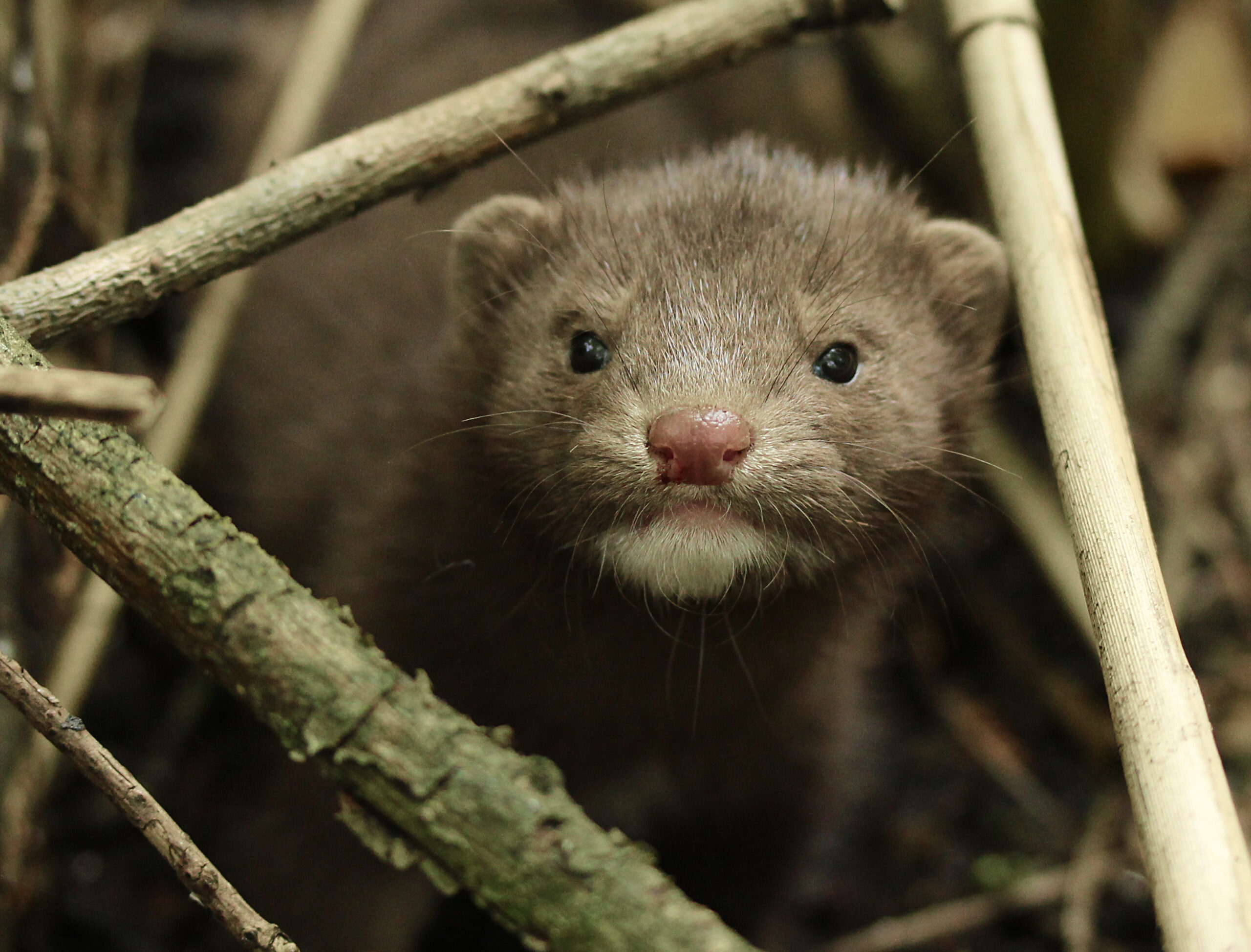
Led by Nottinghamshire Wildlife Trust and funded by Natural England’s Species Recovery Programme and Severn Trent Water, this project is helping bring one of the UK’s most endangered mammals back from the brink. Once a familiar sight along our riverbanks, the water vole has suffered severe declines due to habitat loss and predation by invasive American mink. Surveys in 2023 found them absent or drastically reduced across former strongholds in the county—making the case for urgent intervention.

Water Vole

Thanks to a grant of nearly £492,000, plus an estimated £100,000 in volunteer contributions, the Water Vole Recovery Project is now underway across eight catchments in Nottinghamshire—including the Trent, Idle, Ryton, and Erewash – a huge collaborative effort.

So far, 109 mink traps have been deployed across 8 river catchments in Notts, removing 160 mink to create safer habitats for water voles.

American Mink

The team has been busy creating and improving habitats that water voles rely o n. This includes:

  • Over 15 new ponds on reserves and suitable sites
  • Restoration and enhancement of ponds, ditches and canals at Brinsley Headstocks, North Notts IDB ditches & the Nottingham Canal
  • Construction of reedbeds and water channels to provide food, shelter, and breeding sites
  • Clearing over 400 meters of scrub to improve shoreline habitat
  • A specially designed “ark” site at Idle Valley Nature Reserve, within a beaver enclosure, offers a safe release area that mimics natural conditions perfectly.

In September 2024, 115 water voles were successfully released into the Idle Valley Nature Reserve, joining the thriving wetland community alongside beavers and other wildlife. Another release is planned for June 2025 to continue boosting local populations.

Read more about this work on the Notts Wildlife Trust website here.

Vicar Water Flows Free After 70 Years Underground

Nottinghamshire Wildlife Trust in collaboration with Severn Trent are restoring a long-lost stretch of Vicar Water at Clipstone, where trout once thrived. For the first time in over 70 years, flowing river water will return above ground thanks to a major restoration effort that’s part of the Three Rivers Restoration Project, a partnership with Severn Trent.

Deculverting during works (image credit Quinton Quayle Industries Ltd)

The 600-metre section, once buried in a culvert during 1950s mining works, is being deculverted and reshaped with features like riffles, pools, berms, and meanders. These changes will dramatically improve the river’s health, creating diverse habitats that support a wide range of species. Fish like trout, perch, and ruffe will benefit from improved passage and oxygen levels, while wetland areas formed by beaver analogue dams will support insects, amphibians, water voles, and birds such as kingfishers and egrets.

Deculverting after works (image credit Ian Higginson)

By restoring the river’s natural course and structure, the project will significantly boost local biodiversity and improve water quality. It’s a big step toward reversing decades of ecological damage and creating a healthier, more resilient landscape.

Read more about this daylighting project on the Notts Wildlife Trust website here.

Notts BAG Forum Event 2025!

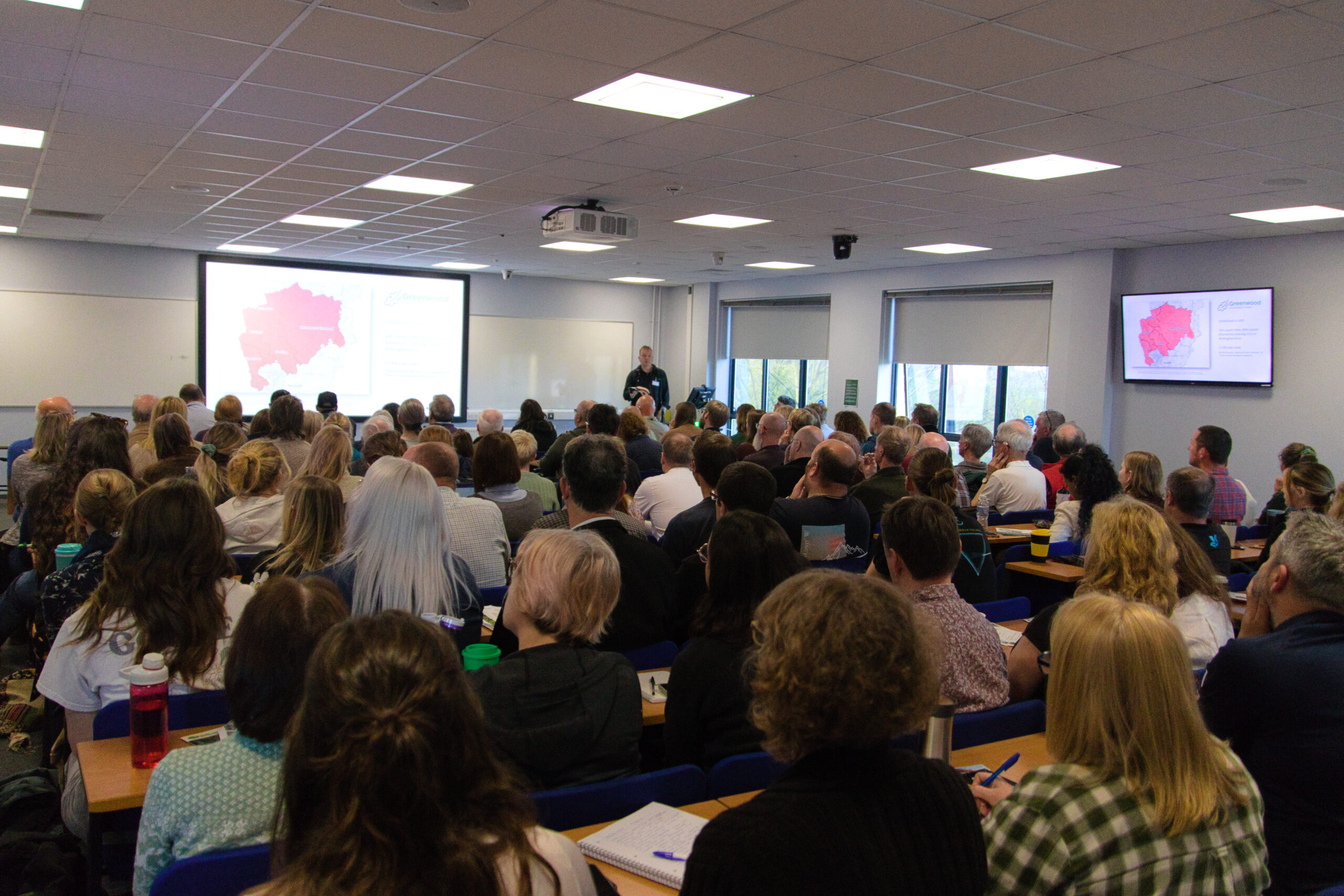
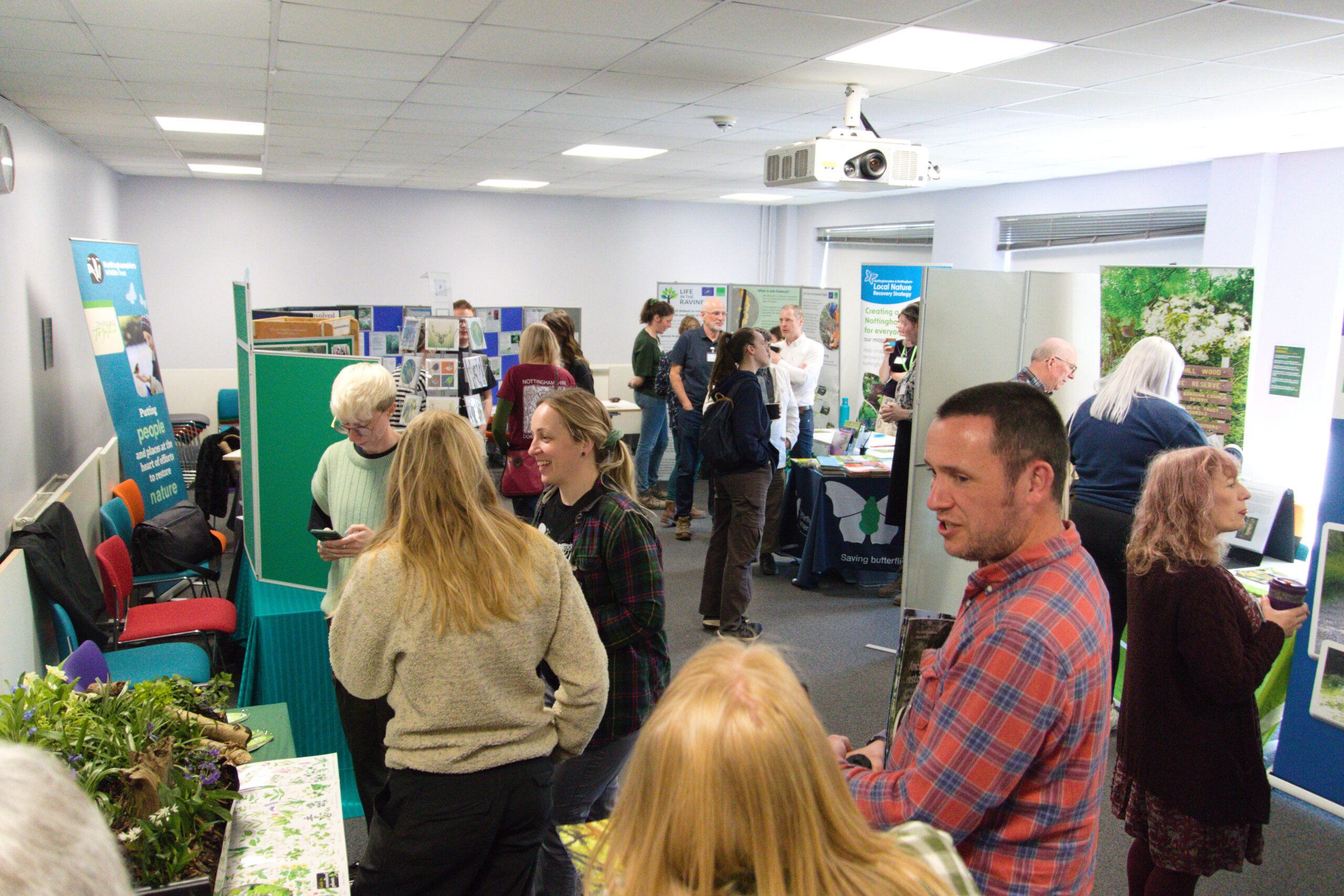
On 7th April 2025, partners of Notts BAG came together for this year’s Annual Forum, themed around woodland habitats as part of our rotating LBAP focus.

The aim of the event is to bring together the different partners of Notts BAG to encourage discussion and hopefully inspire new conservation projects around the county. The event was a real success, with strong attendance and positive feedback from participants. Talks were given by a variety of specialists from different organisations such as National Trust, Notts Wildlife Trust, Natural England and the Woodland Trust. Key highlights included:

  • Adam Cormack’s (Woodland Trust) opening talk on the State of UK Woodlands – the most highly rated of the day.
  • Engaging sessions from Rina Quinlan on Mega Herbivores, Louise Hackett (Woodland Trust) on Ancient Woodland, and Michael Walker (Notts Wildlife Trust) on Woodland Management.
  • Positive comments on the event’s value for networking and project development across Nottinghamshire.

Looking ahead to 2026, our forum’s theme will be on landscape-scale conservation, with early suggestions around connecting habitats, community engagement, and urban wildlife.

Thank you to everyone who contributed to making this year’s forum so impactful!

Photo credit: Josh Shaw from NTU Brackenhurst

The Public Consultation on the Draft Local Nature Recovery Strategy (LNRS) for Nottinghamshire and Nottingham is open!

The purpose of the LNRS is to establish priorities for nature in the county, and identify locations to create or improve habitat.  Over the last year, Nottinghamshire County Council have worked closely with local people and organisations to look at what we can do to improve the natural environment of urban and rural areas across the county.  The results of this initial work have been used to create a draft plan for how councils, businesses, landowners, land managers, other organisations and local residents, can work together in future to create new areas for nature as well as protecting and improving the existing ones.

During the 6-week Public Consultation period, from 6 May to 16 June 2025, we want as many people as possible from across Nottinghamshire to look at the draft strategy and to comment on it.  This is so that we can take into account the views of all the people who will be able to help to deliver nature recovery once the LNRS is published.

All the information you need to look at is on our consultation website – www.nottsnaturerecovery.co.uk

Here you will be able to view and download the written Statement of Biodiversity Priorities and other associated documents, including a shorter summary document.

You can view the online Local Habitat Map– best viewed on a laptop or desktop device- which shows the important areas for nature recovery in the county. There is a short video user guide to explain how to click on and off the different mapping layers.

There is also a list of FAQs (Frequently Asked Questions) to provide background information on the LNRS process as well as examples of existing Nature Recovery Projects in the county.

We would like you to complete the online survey so you can give your views on the draft strategy and tell us if you support our proposals or if you think we have got anything wrong or missed anything important.  The survey has some optional questions if you want to provide more detailed feedback on individual sections of the strategy.

Details of in-person and online events that you can attend are also on the website and will be added to during the consultation period.

We’ll be attending the following events in May:

  • Saturday 10th May: Notts County Show at Newark Showground (NB entry fee payable)
  • Saturday 31st May: Nottingham Green Hustle at Old Market Square

If you would like any further information please contact the LNRS team by email: LNRSNN@nottscc.gov.uk

We’d like to say a big thank you to all the Notts BAG partners that have been involved in the development of the LNRS to reach this point!

First Grizzled Skipper Sightings of 2025 in Nottinghamshire

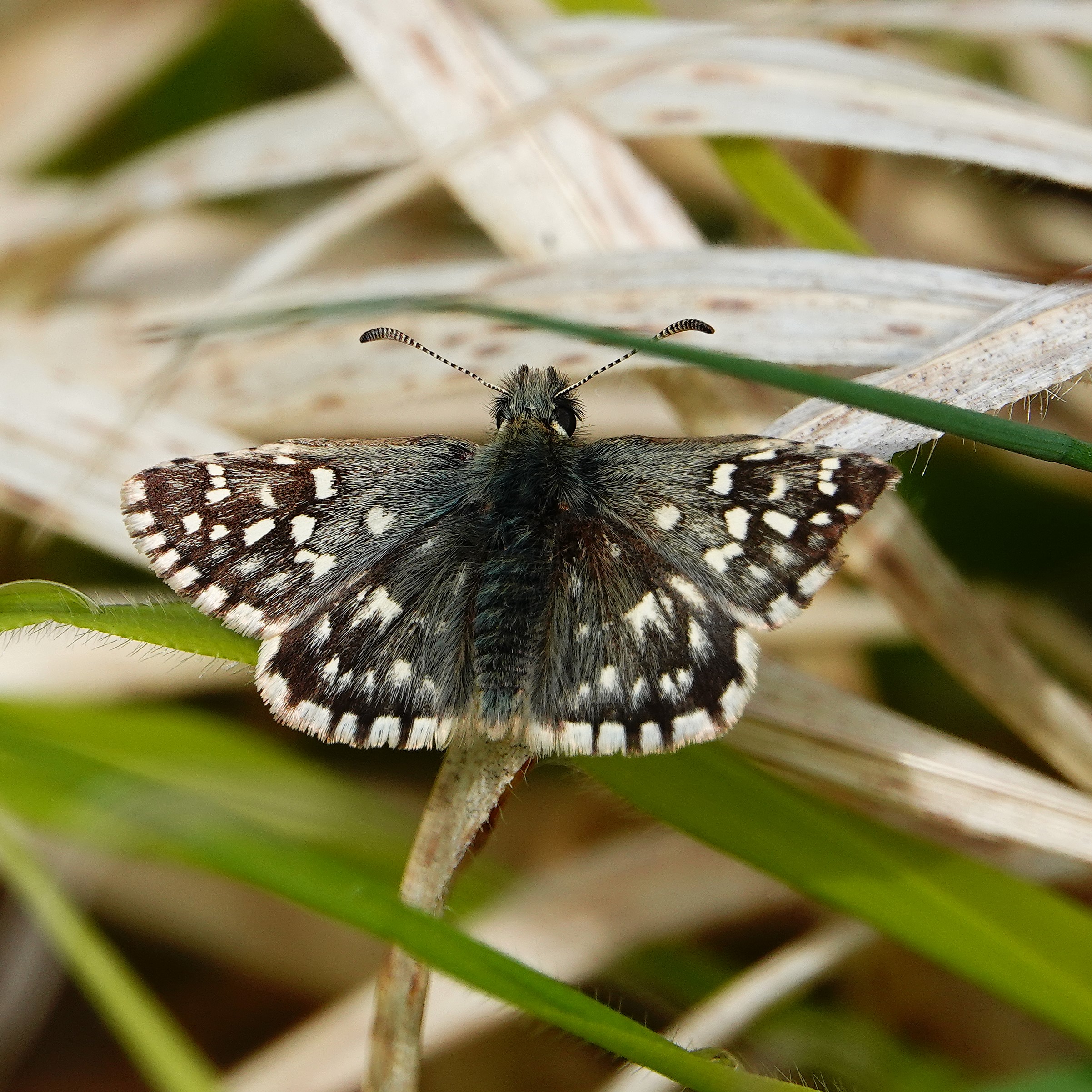
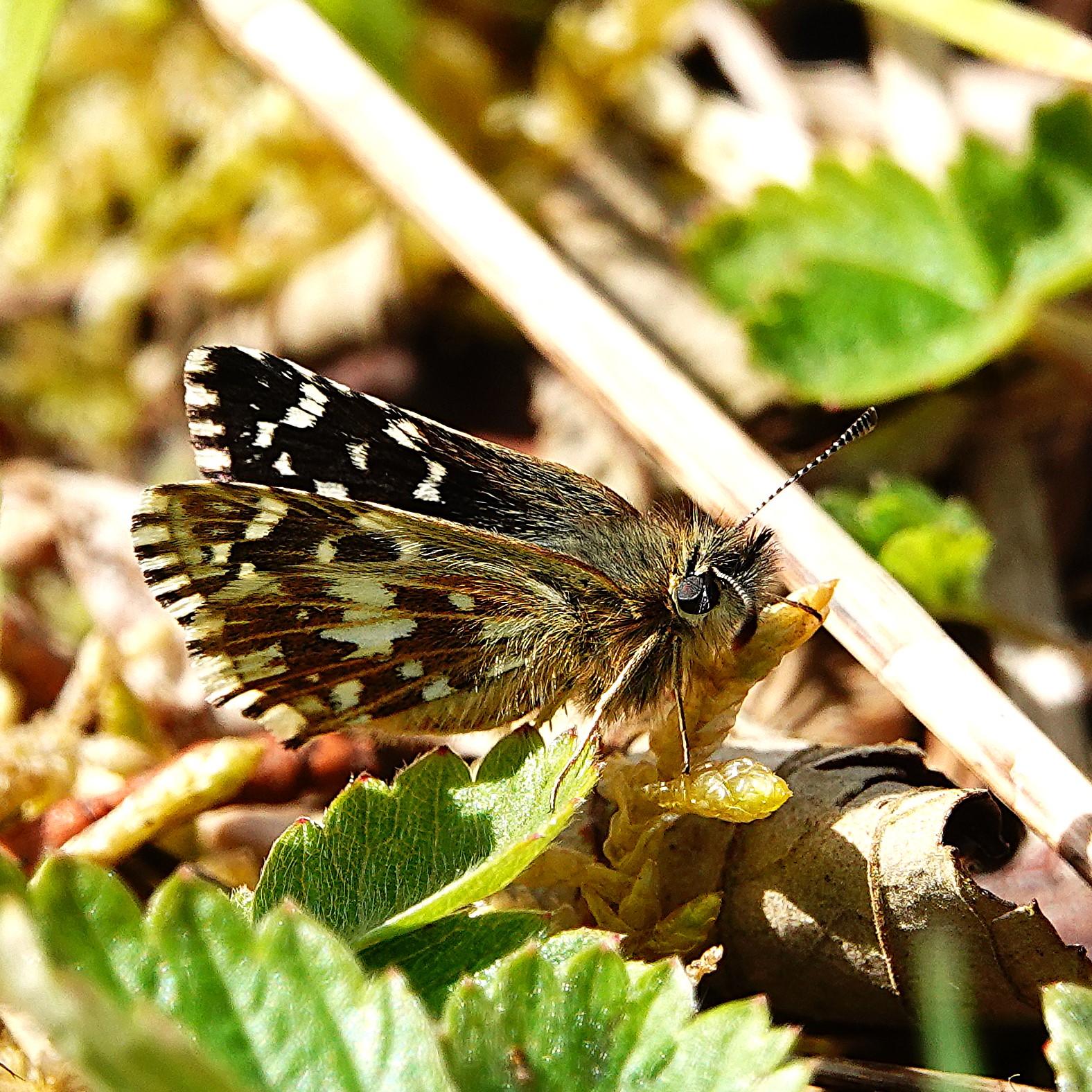
Spring is officially in flight with the first Grizzled Skipper (Pyrgus malvae) sightings of 2025 recorded in Nottinghamshire!

On 10th April, butterflies were spotted at Staunton Quarry Nature Reserve and Kilvington Lakes, two important sites south of Newark where habitat work in recent years has supported small but significant populations of this nationally scarce species.

A Grizzled Skipper (Picture by Brian Johnson)

There have also been multiple sightings across the East Leake area, where the Grizzled Skipper continues to do well thanks to a network of sites that are maintained by volunteers through ongoing conservation management. 2024 was a very disappointing year, in which persistent wet and cool weather led to the lowest number of Grizzled Skipper sightings in Nottinghamshire, since work to support this species started back in 2012. It has been encouraging to receive some reports of early sightings from across the county perhaps indicating a promising year ahead for the Grizzled Skipper!

We’re still waiting to hear from some key locations around the Bingham and Langar areas — where suitable habitat exists, and past records suggest the species may still be present. If you’re out walking in these areas, keep an eye out!

A Grizzled Skipper on wild strawberry (Picture by Brian Johnson)

The Grizzled Skipper is one of Nottinghamshire’s priority species. It favours open, sunny habitats with sparse vegetation and is often found in Nottinghamshire in old quarries and disused railways where its food plants like agrimony and creeping cinquefoil grow.

If you spot a Grizzled Skipper, please report your sighting via iRecord or directly to Notts BAG at biodiversity@nottscc.gov.uk. Clear photos are always appreciated to help confirm records.

A Big Win for Oil Beetles

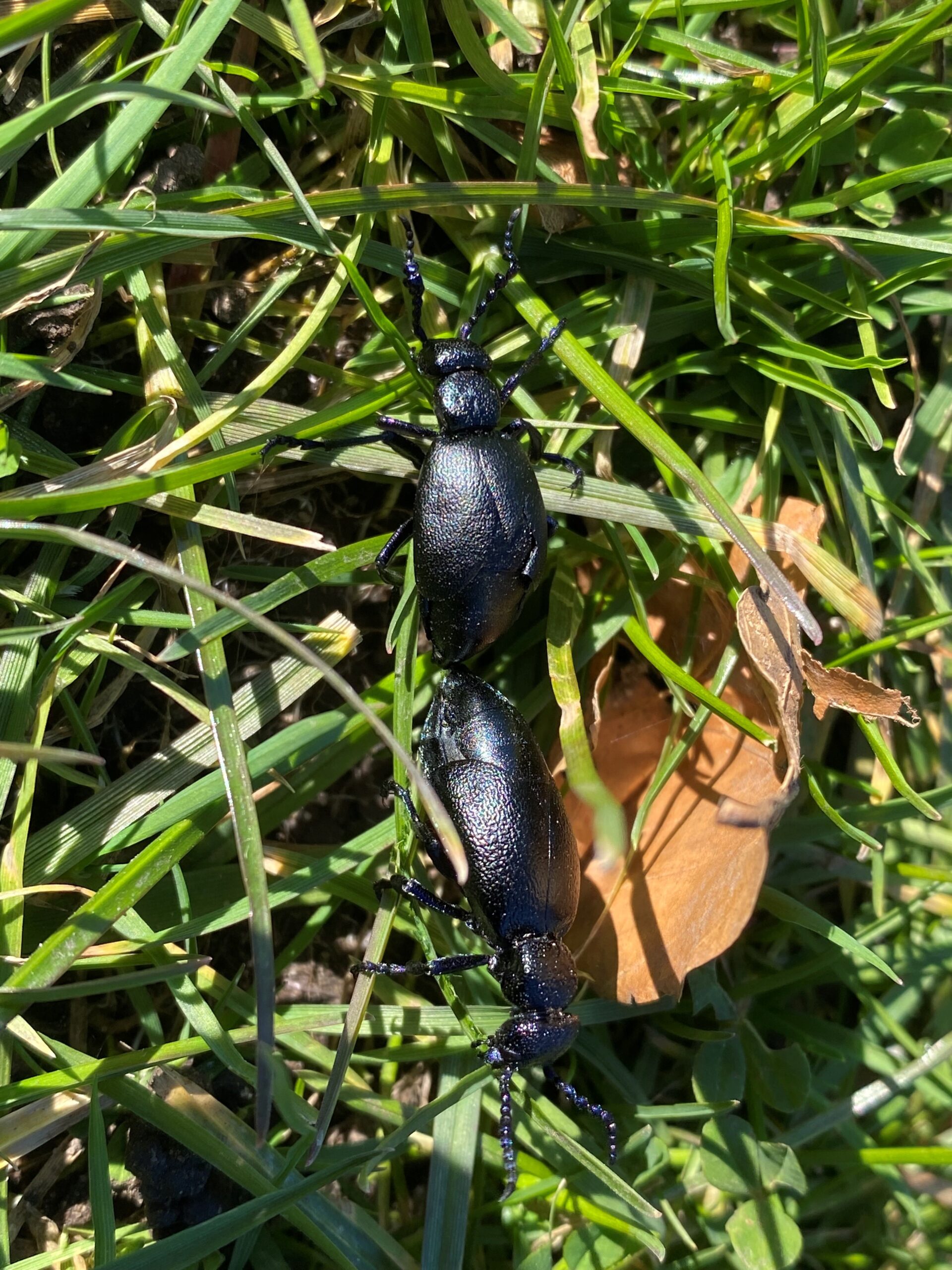
We’ve just had some incredible news for Nottinghamshire’s invertebrate scene – 55 oil beetles have been found at the cricket pitch near Newstead Abbey Park! This is the highest number recorded at this site, since they were first rediscovered within Sherwood Forest National Nature Reserve in 2011 after disappearing for over 50 years.

2 Oil Beetles at Newstead Abbey Cricket Pitch

Oil beetles have one of the most extraordinary life cycles of any British insect. Their tiny, louse-like larvae (called triungulins) rely on solitary mining bees to survive. The larvae climb up flowers and hitch a ride on unsuspecting bees, who carry them back to their underground nests. Once inside, the triungulin feeds on the bee’s eggs and stored pollen before pupating and emerging as an adult oil beetle the following year. Because of this unusual relationship, oil beetles are a fantastic indicator of a healthy bee population and wildflower-rich habitat. Their presence at Newstead is a great sign for local biodiversity!

However, oil beetles are in serious decline. Three of the UK’s native oil beetles are extinct, and the remaining five—including the Black Oil Beetle (Meloe proscarabaeus) found at Newstead—are struggling. Their loss is directly linked to habitat destruction and the decline of wild bees, which have been hit hard by intensive agriculture, land use change, urban development, and climate change.

Grizzled Skipper Project: A Season of Success!

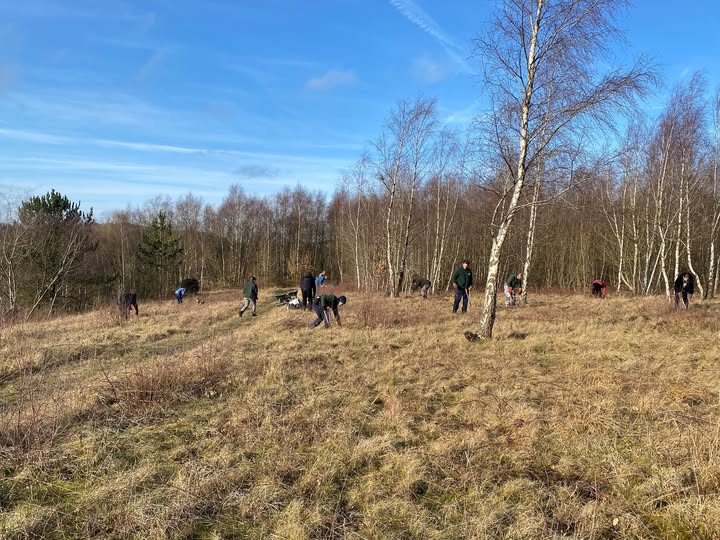
Our programme of Grizzled Skipper work parties has successfully come to an end. Over the winter months, we’ve carried out habitat works at 9 sites across south Nottinghamshire, working alongside an incredible team of volunteers. In total, we’ve engaged with 51 dedicated individuals, all helping to restore vital habitats for the Grizzled Skipper and other invertebrates.

Volunteers working at Newstead and Annesley Country Park

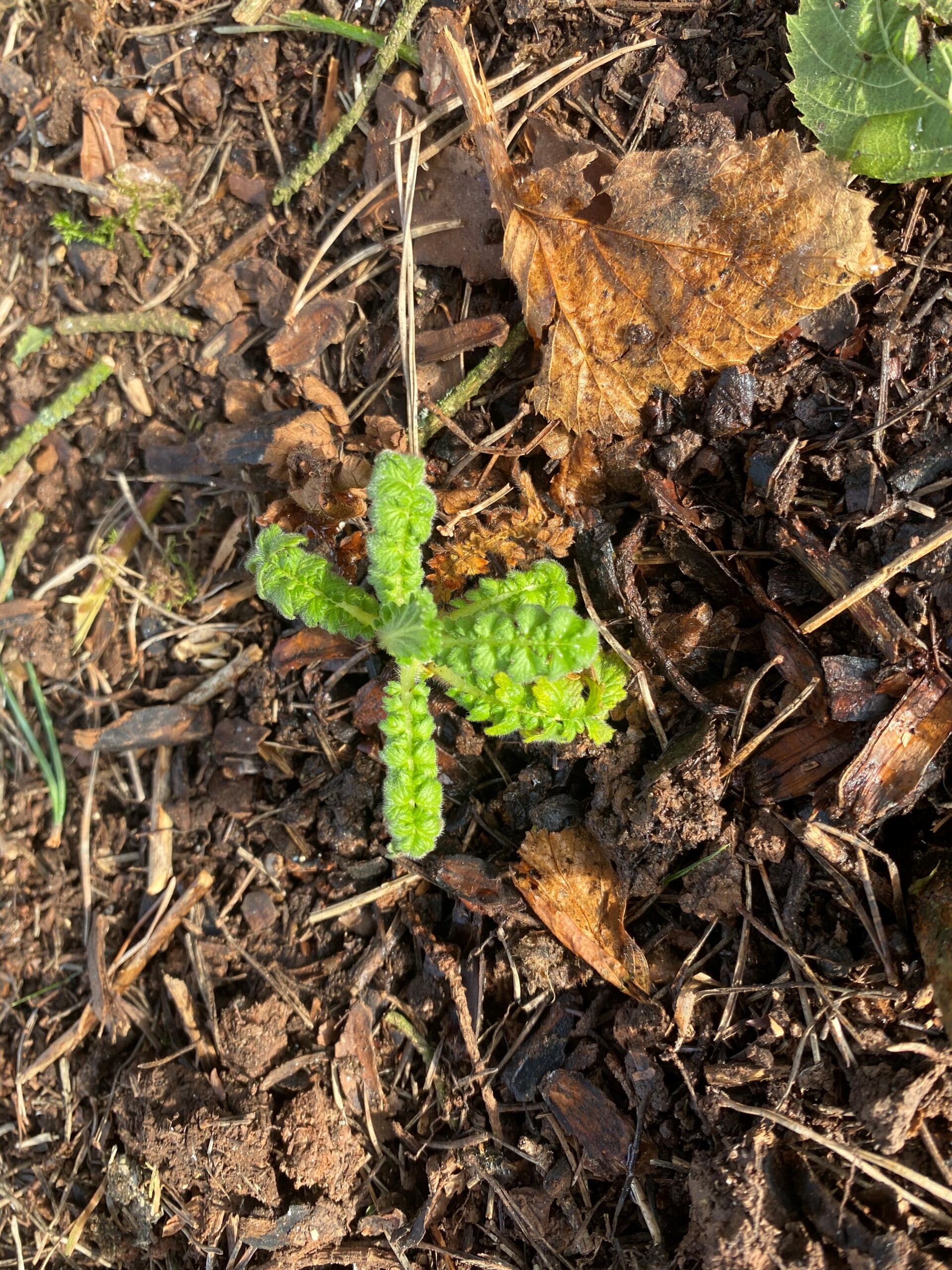
   A planted Agrimony at Grange Farm, Normanton-on-the-Wolds

Thanks to this effort, our sites are in the best condition they’ve been in since pre-Covid (2019), and we are hoping this will make a real difference for this threatened species. The volunteers have worked hard clearing scrub like hawthorn and bramble to open up the grassland for the Grizzled Skipper. We have also planted agrimony, one of the three main food plants for the butterfly, and have taken cuttings from the other two food plants to grow on and plant in future years – creeping cinquefoil and wild strawberry. The habitat management we’ve carried out should provide the ideal conditions for the forthcoming Grizzled Skipper flight season (mid-April to mid-June).

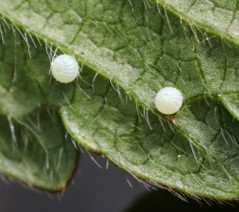
Ova (eggs) on the underside of Creeping Cinquefoil (picture from Mark Searle)

Now, as we approach the recording season for the butterfly, it’ll be fascinating to see what impact our hard work has had. Last year, numbers were at their lowest since 2012 in part due to the wet and cold weather conditions – the wetter winters will undoubtedly have a negative impact on grizzled skipper and other spring butterflies. With better conditions this spring (fingers crossed!), we’re hopeful for a strong bounce back.

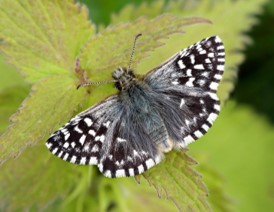
Grizzled Skipper (picture from Mark Searle)

We are always looking for more volunteers so if you are wanting to help out with the habitat management and recording sightings of the butterfly, then please get in touch here.

The Special Guests of Center Parcs

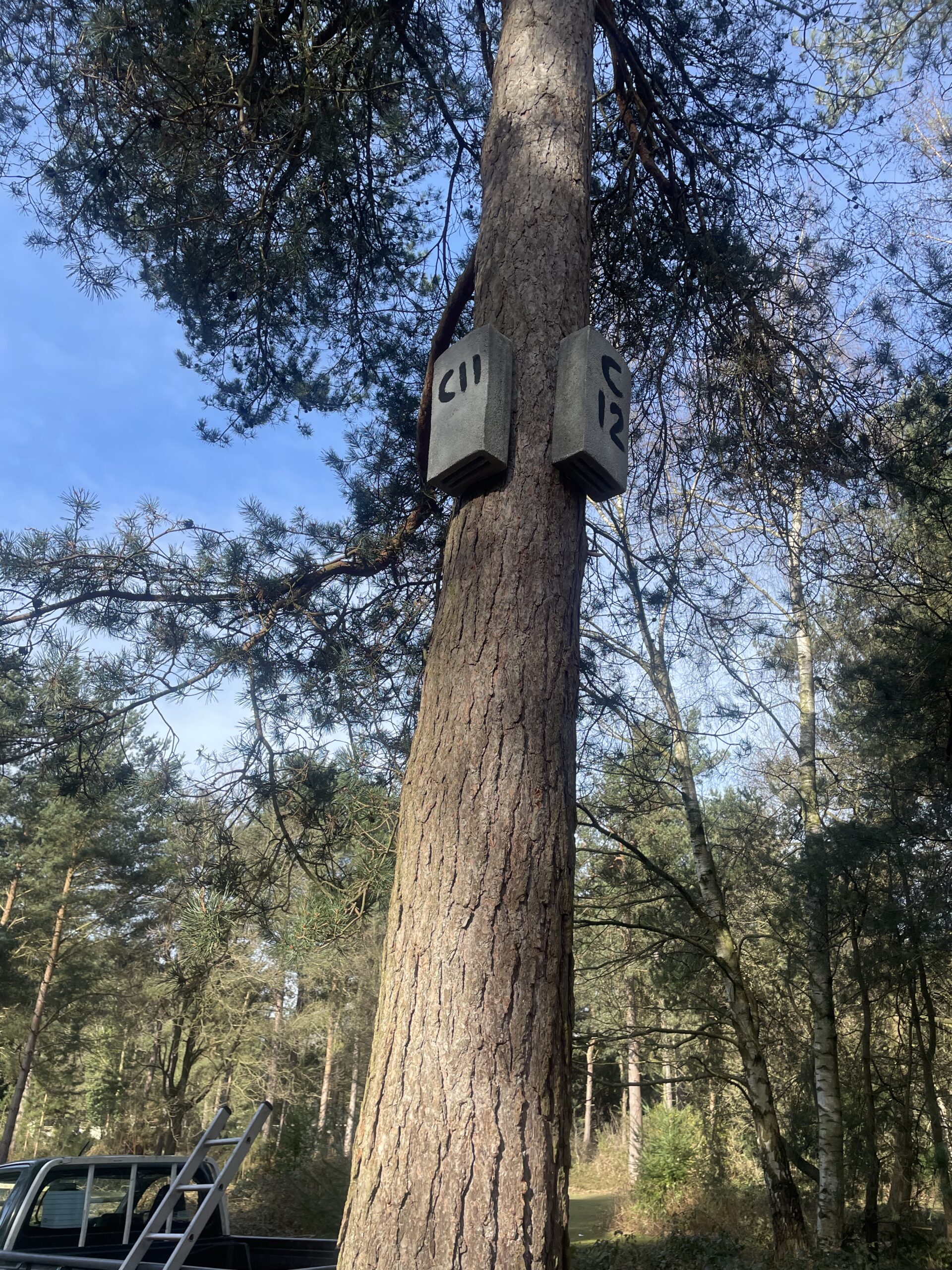
Our bat populations here at Center Parcs Sherwood have always been healthy, and not just present in our 200+ bat boxes we have scattered across Village, but we often get large maternity roosts hidden away in small air vents on the side of our lodges. On one emergence survey alone, we counted 337 soprano pipistrelles come out of one of these vents during the summer. They mostly go unnoticed by guests, unless you’re stood on the patio on a warm summer evening and can hear the ‘chattering’ of the bats before they leave the roost to feed at dusk. They’ve also occupied hot tub and sauna plant rooms, warm areas of our Aqua Sana spa, and our housekeeping store rooms, and we don’t blame them! In the last couple of years, we’ve had refurbishments done to some of our buildings, and have redesigned the structures to incorporate ‘bat lofts’ in anticipation of some new residents.

Greenwood bat boxes

One unexpected find was during our bird box clean-outs in January, when we came across a brown long-eared (BLE) roosting, seemingly a temporary roost as it was gone soon after, but it has shown us that our bats don’t stick to the norm and roost where we expect them to.

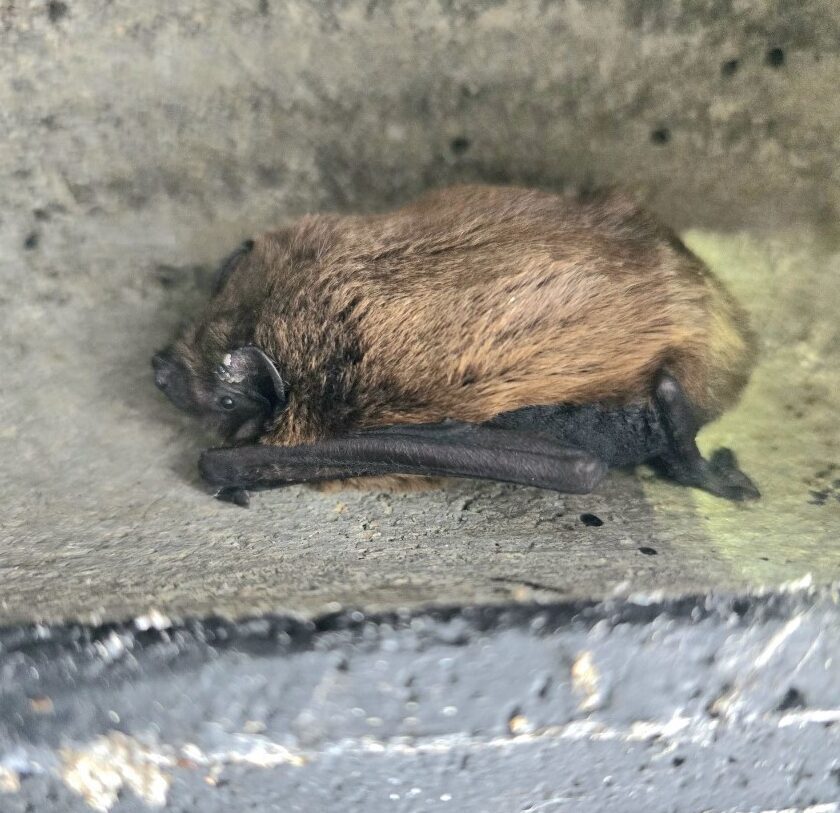
Leisler’s bat in a bat box

We also completed our autumn box checks back in November, and had ecologists all the way from Devon join us for the day for a chance to see Leisler’s bats, which we have found in boxes in previous years. Thankfully, we found Leisler’s in 5 separate boxes of three types – Schwegler 1FF, Greenwood 2C (two cavity) and Greenwood SH (small hollow). Other species included Natterer’s, noctules and soprano pipistrelles. This week we’ve installed 10 new Greenwood 2C which we hope will be prime real estate this year.

Written by Katie Doull, Center Parcs 

Reviving Brinsley’s Wetlands

At Brinsley, where the Dell flows, recent habitat improvements by Broxtowe District Council are helping to restore and enhance the wetland environment. What was once a series of small, shallow scrapes along the brook has now been reshaped into a more resilient and biodiverse space, benefitting species such as amphibians, birds and the endangered water vole.

Brinsley (before)

Adjacent to this site is an important habitat for water voles where Notts Wildlife Trust have been improving their habitat. Inspired by this habitat work, they took the opportunity to enhance the site and improve connectivity for water voles.

To improve plant growth and encourage a more diverse ecosystem, overhanging sickly trees were removed, allowing more sunlight to reach the understory. The original three scrapes have been reconstructed into two, deeper ponds – one designed to hold water year-round as a refuge for the water voles and other species when the Dell is very low, while the other fills and drains naturally throughout the year. To protect the habitat from disturbance, stock fencing was installed to keep out dogs from disturbing the flora and fauna.

Brinsley (after) – pond creation

Along the edge, they have constructed a 1m bund using logs, branches, and stones to create a reptile hibernaculum, offering shelter for species such as smooth newts, which have already been recorded in a pond 200m away! This work will hopefully see many more coming to this area. They have also created a mosaic of deadwood, including nest stumps, which has been left to create the perfect habitat for nesting birds and insects.

With these improvements, the Dell at Brinsley is now a richer, more diverse habitat for a range of amphibians, birds, insects, plants and mammals. This project shows the value of conservation work in strengthening local habitats and providing a more sustainable future for wildlife.