Water Fern Control at Nottingham Trent University

Nottingham Trent University (NTU) continues to lead the way in campus-based conservation, with recent efforts focused on invasive species control – specifically, the persistent Water Fern (Azolla filiculoides).

The plant is a fast-growing, non-native and quickly blankets ponds and lakes, blocking light and reducing oxygen levels, which harms aquatic life. In 2024, NTU successfully trialled a biological control method at Brackenhurst Campus, introducing the North American weevil (Stenopelmus rufinasus), known to those involved in invasive species control as the ‘azolla weevil’.  At 2mm long, they are tiny insects which feed exclusively on Water Fern. The results were impressive, with the weevils rapidly reducing the dense plant cover and restoring balance to the pond ecosystem.
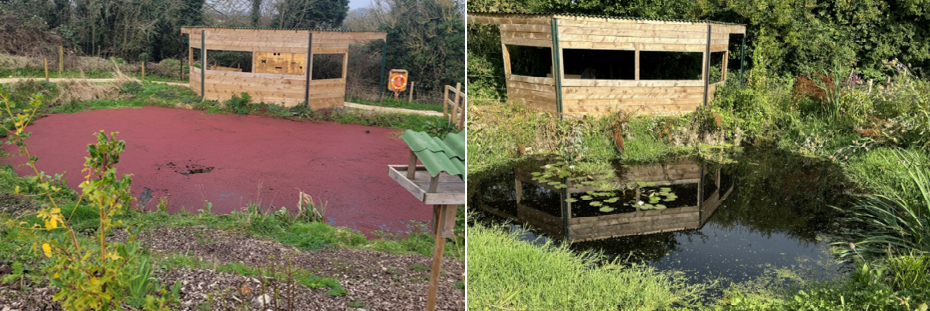
An impressive difference: Left: Before the weevils were introduced. Right: The result of hungry azolla weevils!

This summer, the initiative was extended to a second pond where the fern had reappeared. The work was carried out by an NTU (ARES) student Esther Tennant and the Flowerpod Team.  They applied the weevils and monitored the site. Since then, the Water Fern has died back significantly. While it’s unclear whether this was solely due to the weevils or also influenced by lower water levels, the outcome is a healthier aquatic habitat.
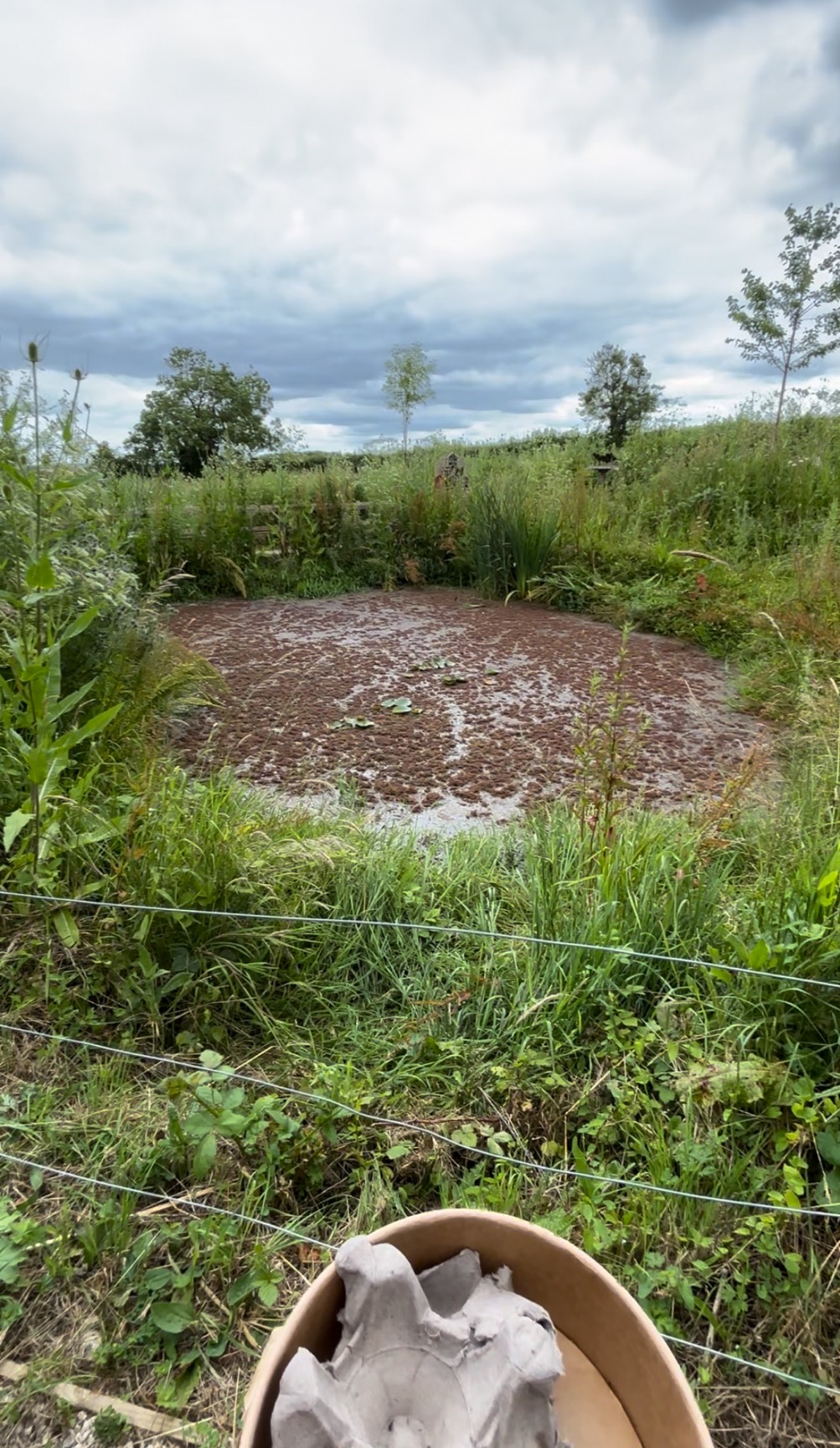
A pond covered with the invasive Water Fern (pink foliage), with a container in the foreground containing weevils

A pond covered with the invasive Water Fern, with a container in the foreground containing azolla weevils

All campus water bodies continue to be actively monitored for invasive species as part of NTU’s Great Crested Newt Conservation Programme, ensuring long-term protection for this priority species.  Click HERE to find out more!
School Outreach, Community Events and Partnerships

The Nottinghamshire Bat Group continues to champion bat conservation through a mix of habitat creation, community outreach, and education!

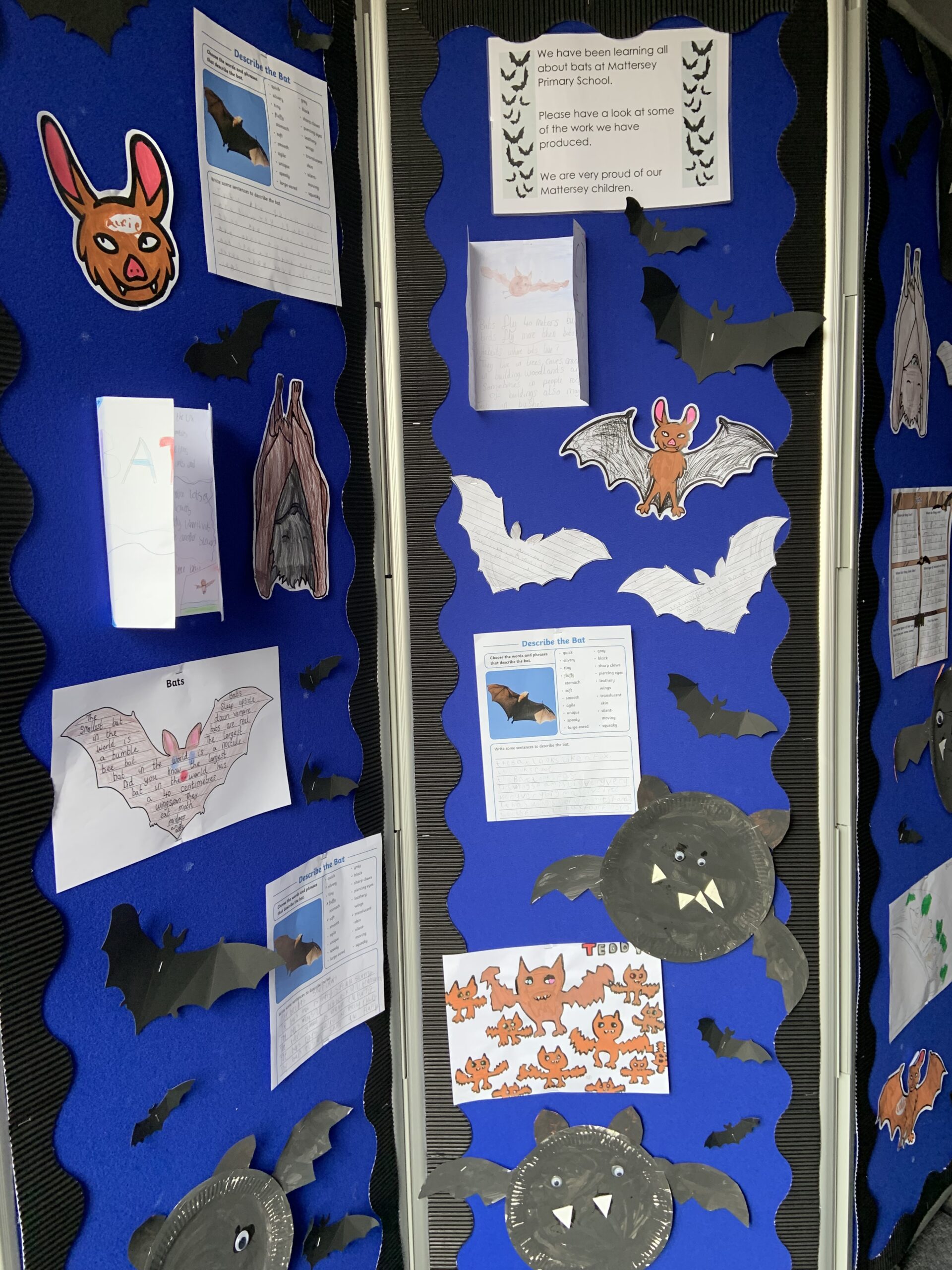
Image showing children's work displayed. This include drawings of bats, bats made from painted paper plates, and poetry.

Children’s work about bats! (Image credit: John Parker, Nottinghamshire Bat Group)

In partnership with Bestwood Country Park and Friends of Watnall Spinney, the group is working on designs to convert disused buildings into bat hibernacula.  These safe, sheltered spaces are vital for bats during the winter months and help support local populations year-round.

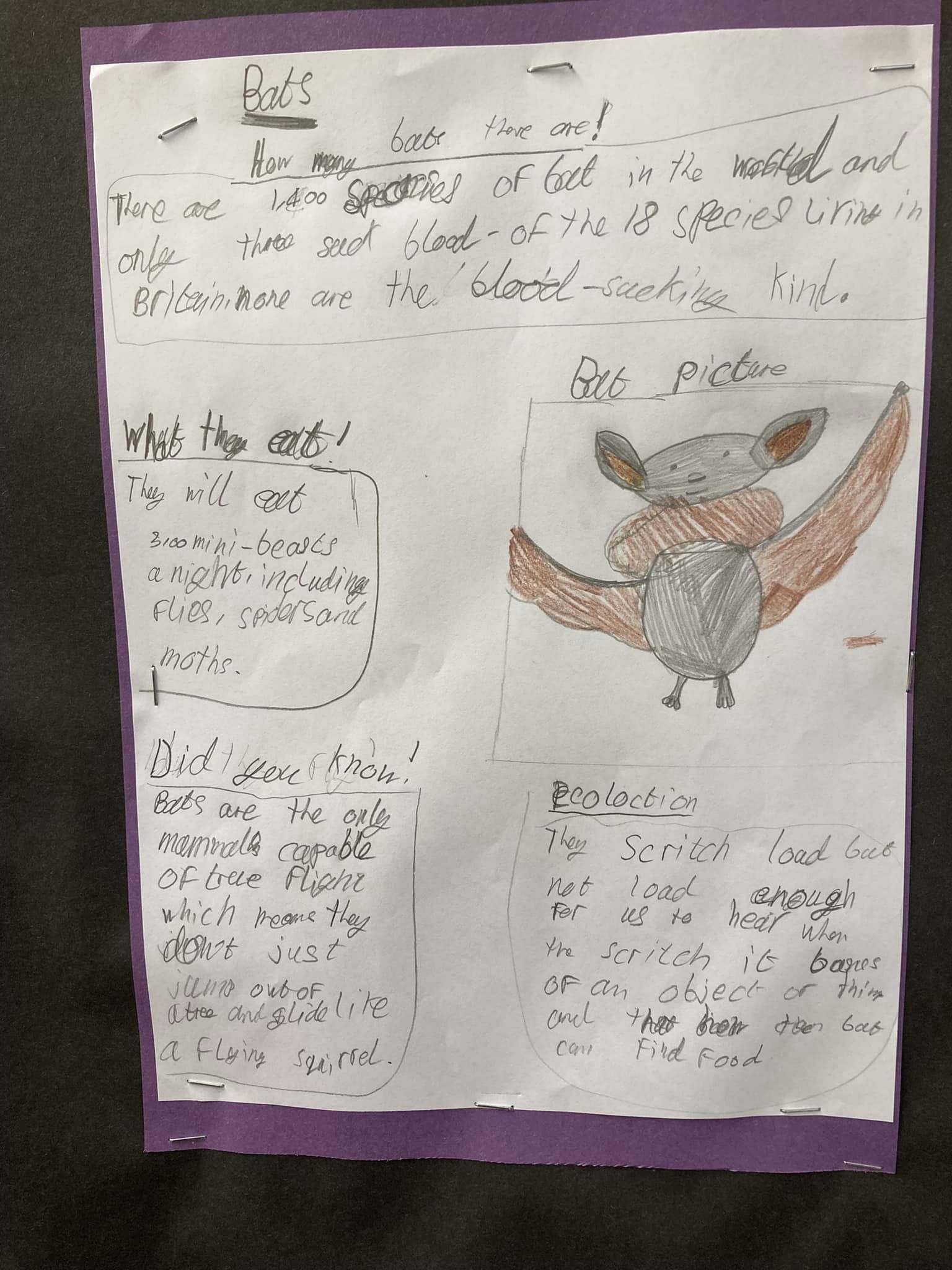
A child's drawing of a bat surrounded with handwritten facts including what they eat and echolocation.

A child’s work with details on what they have learnt about them (Image Credit: John Parker, Nottinghamshire Bat Group)

The group has been busy engaging with schools through talks, project work, and bat walks using thermal cameras and screens to observe bats in their natural habitats.

Participating schools include St Peter’s School, Ruddington, Bleasby Primary School, Mattersey Primary School and Church, Bluecoat School, Aspley, and Bunny Primary School and Church.

Above is a brilliant short video of a Natter’s Bat emerging from Mattersey Church, including some sound.  Many Thanks go to John Parker (Nottinghamshire Bat Group) for providing this for our blog!

Publication of the Local Nature Recovery Strategy (LNRS) for Nottinghamshire

Nottinghamshire’s LNRS is formally being published today!

Nottinghamshire’s LNRS has been formally published today and is available to view here at www.nottsnaturerecovery.co.uk!

The document will provide a clear framework for nature recovery across the county, and help to guide decisions on partner projects and developers’ offsite Biodiversity Net Gains (BNG).

The LNRS team will work closely with Notts Biodiversity Action Group (Notts BAG), recognising the vital role that the partnership plays in delivering the strategy on the ground. This marks a pivotal moment for nature recovery in Nottinghamshire, laying the groundwork for coordinated action to restore and enhance biodiversity across the region!

The County Council has secured an additional year of DEFRA funding to establish delivery and monitoring arrangements.

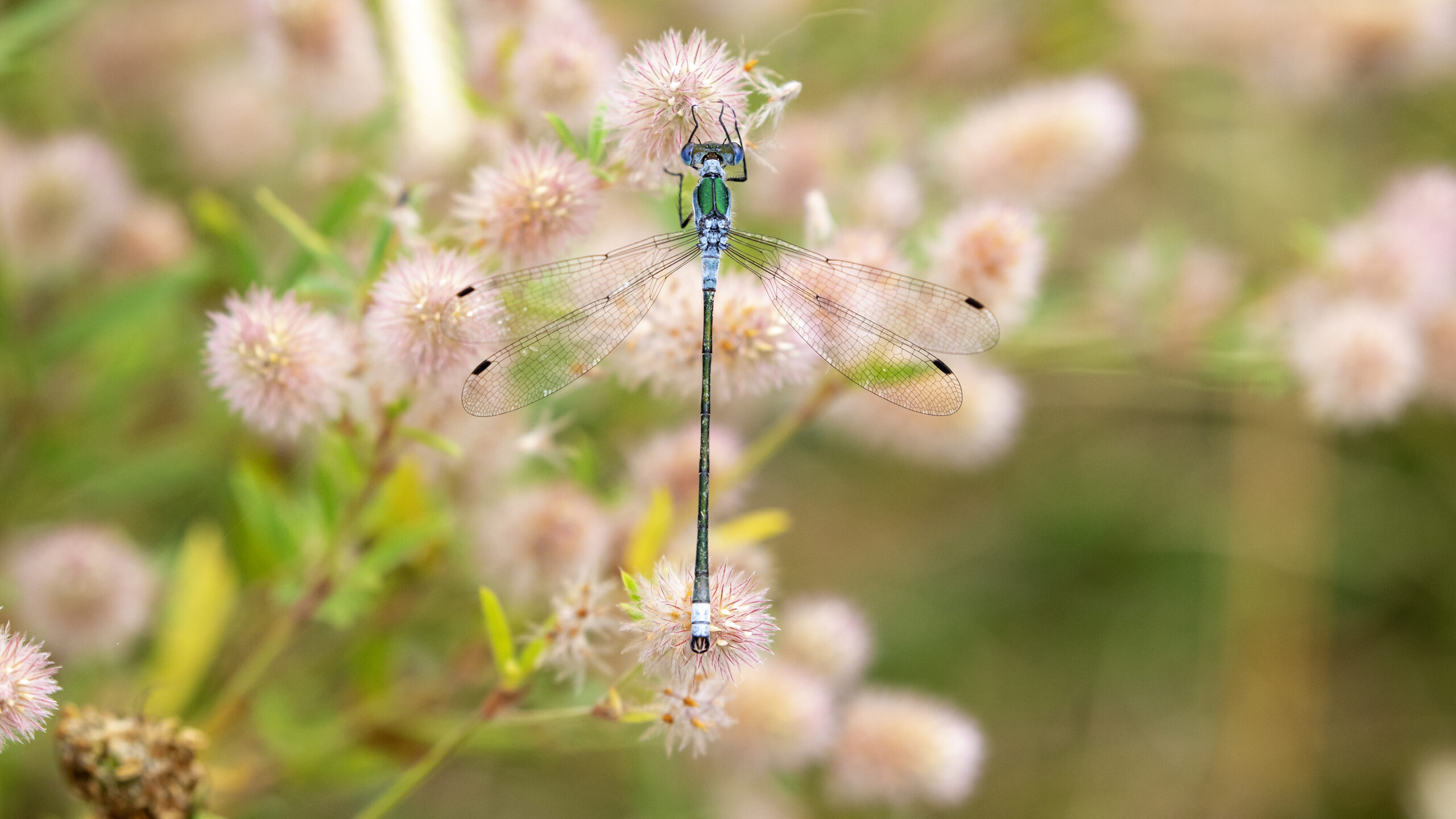
High Resolution close up photograph of an Emerald Damselfly which has a blue-green body and translucent wings. It is sitting on a delicate pink flower called Hare's-foot Clover.

Winner of the photo competition: Emerald Damselfly on Hare’s-foot Clover taken at Intake Wood, Clipstone by Kevin Clarke

The photo on the front cover of the strategy document is the winning photo from a competition that the County Council ran over the summer.  Over 230 entries were reviewed, and the winning photo is an Emerald Damselfly on Hare’s-foot Clover taken at Intake Wood, Clipstone by Kevin Clarke.  He took the photo because

“Damselflies are probably more overlooked than the bigger Dragonflies, but are just as striking when observed.  This image was taken on the edge of a large housing estate. Not only does this show nature can thrive close to where people live, it also showcases if you give nature the space to live in, nature can find a way to use it.”

The strategy has been formally approved by the County Council in accordance with the statutory guidance and is supported by the district, borough and City Councils, EMCCA and Natural England as Supporting Authorities.

Restoring Sherwood’s Forgotten Heathlands

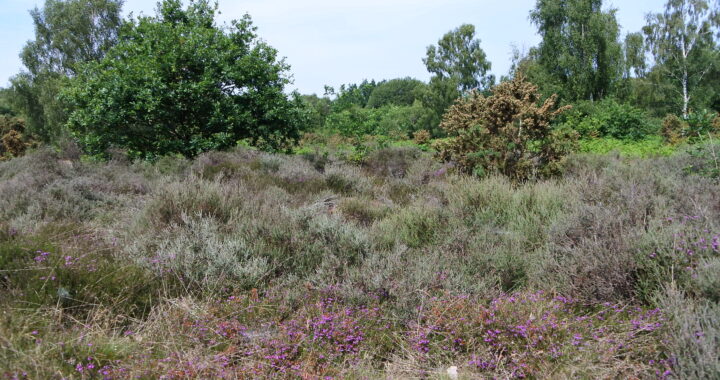
Sherwood Forest’s lost heathlands are being brought back to life thanks to a Heritage Lottery-funded project led by The Sherwood Forest Trust. The initiative, titled Sherwood’s No Longer Forgotten Heathlands, is focused on restoring and maintaining the smaller remnant areas of this historically rich habitat.  Despite a slight delay due to staff changes earlier this year, the project is now gaining momentum. The Trust is working closely with landowners and partners to deliver restoration works across over 100 hectares of current and former heathland.  These efforts are part of a broader mission to revive Sherwood’s unique heathland landscapes, reconnect communities with nature, and preserve the ecological and cultural heritage of the forest.

(Image: Sherwood Heath, near Ollerton. Credit: Graeme Turner, Sherwood Forest Trust)

Preparing for Winter Woodland Management

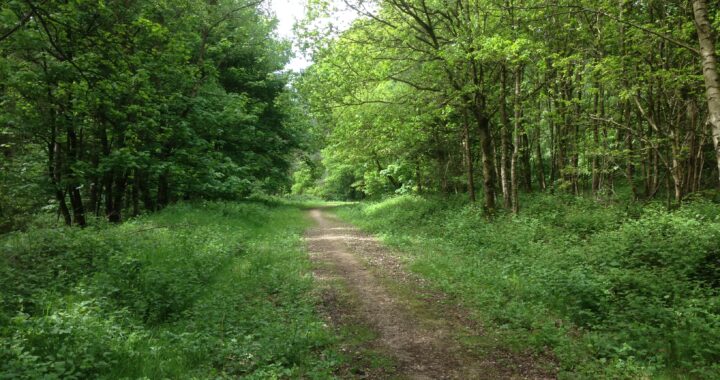
Woodland creation planning has been a key focus for the Forestry Commission this summer, with progress made on some large-scale woodland creation planning grant applications.

At the same time, felling licence applications have dominated seasonal casework, as forest managers prepare for winter operations.

Forest Research has also developed a new methodology for assessing the biodiversity potential of the public forest estate.

If you would like to find out more about this new development, there is a webinar on 13th November which will outline the project and explore how it could be applied to privately owned woods in the future.

👉 You can register for the webinar for free  that you can join for free HERE!

These initiatives reflect the Commission’s commitment to sustainable forest management, public engagement, and biodiversity enhancement across the UK.

(Photo Credit: Blidworth Wood, Nottinghamshire County Council)

Grizzled Skipper Habitat Work Resumes at Lime Sidings

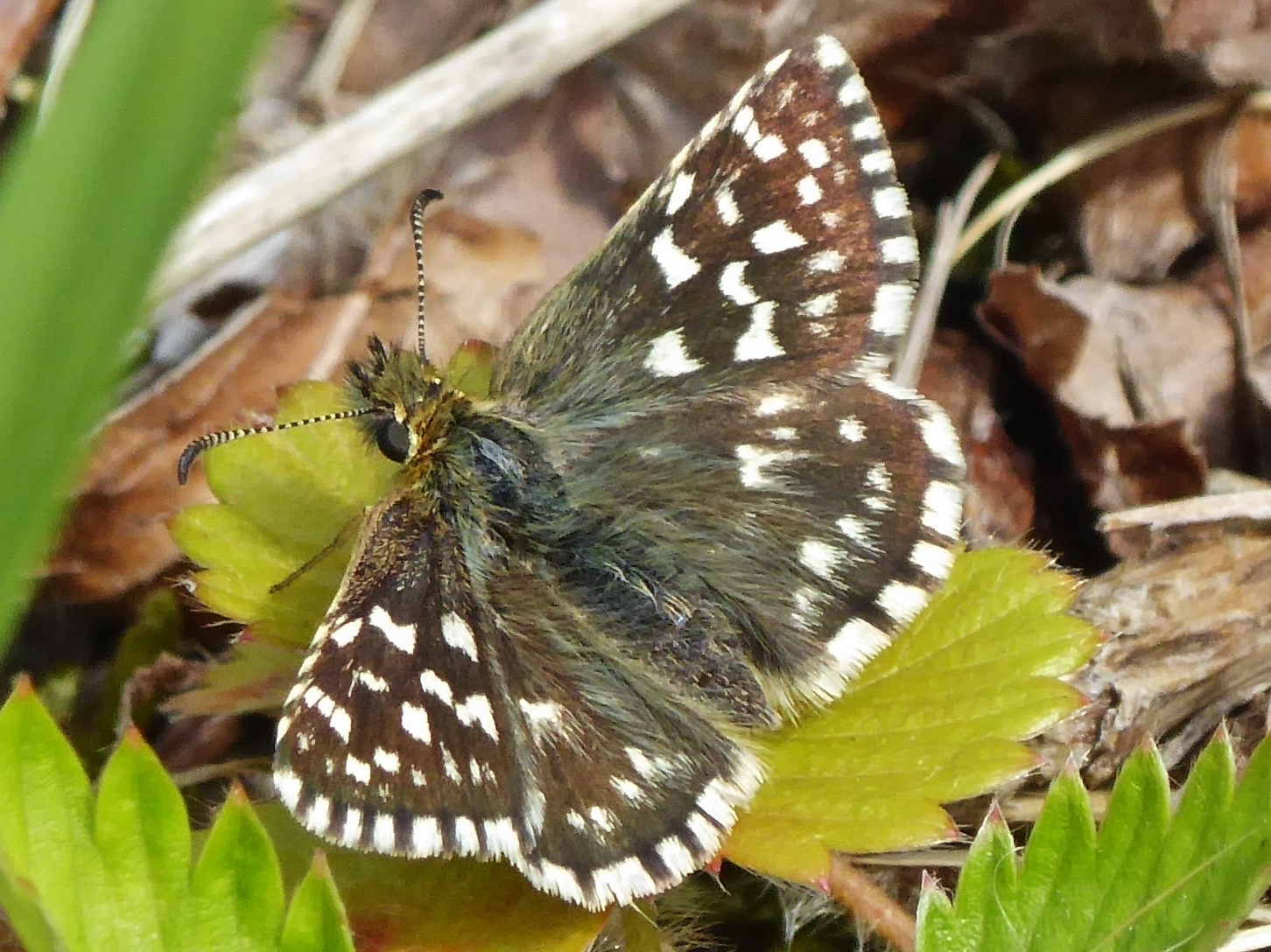
The Nottinghamshire Biodiversity Action Group is back in action this autumn, with work parties returning to key sites across south Nottinghamshire to support one of the UK’s fastest declining butterfly species—the Grizzled Skipper (Pyrgus malvae).

Small brown butterfly with white spotted pattern along the edges and within the wings.

Grizzled Skipper (Pyrgus malvae)

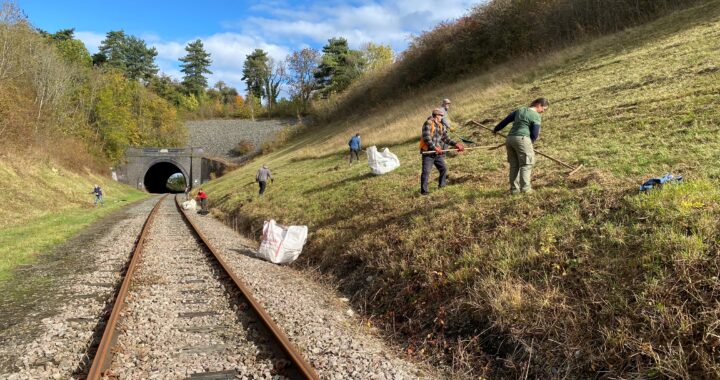
This month, volunteers gathered along a stretch of the Great Central ‘heritage’ Railway, a stretch of disused railway line in south Nottinghamshire, to carry out vital habitat maintenance.

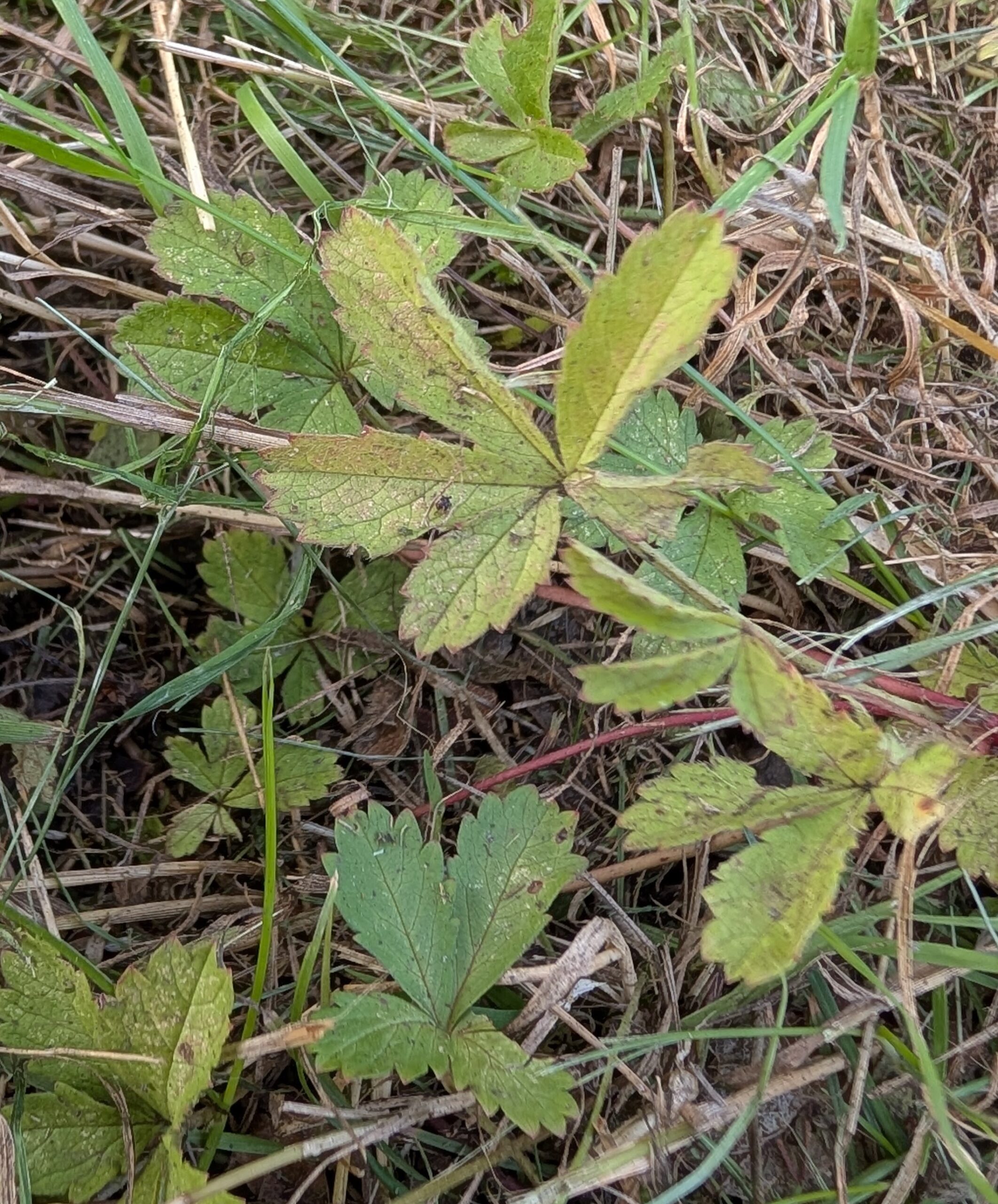
The focus was on raking off mown grass to expose patches of Creeping Cinquefoil, a plant the Grizzled Skipper uses to lay its eggs. By removing the thick grass layer, volunteers are helping to mimic the bare ground conditions the butterfly prefers for breeding.

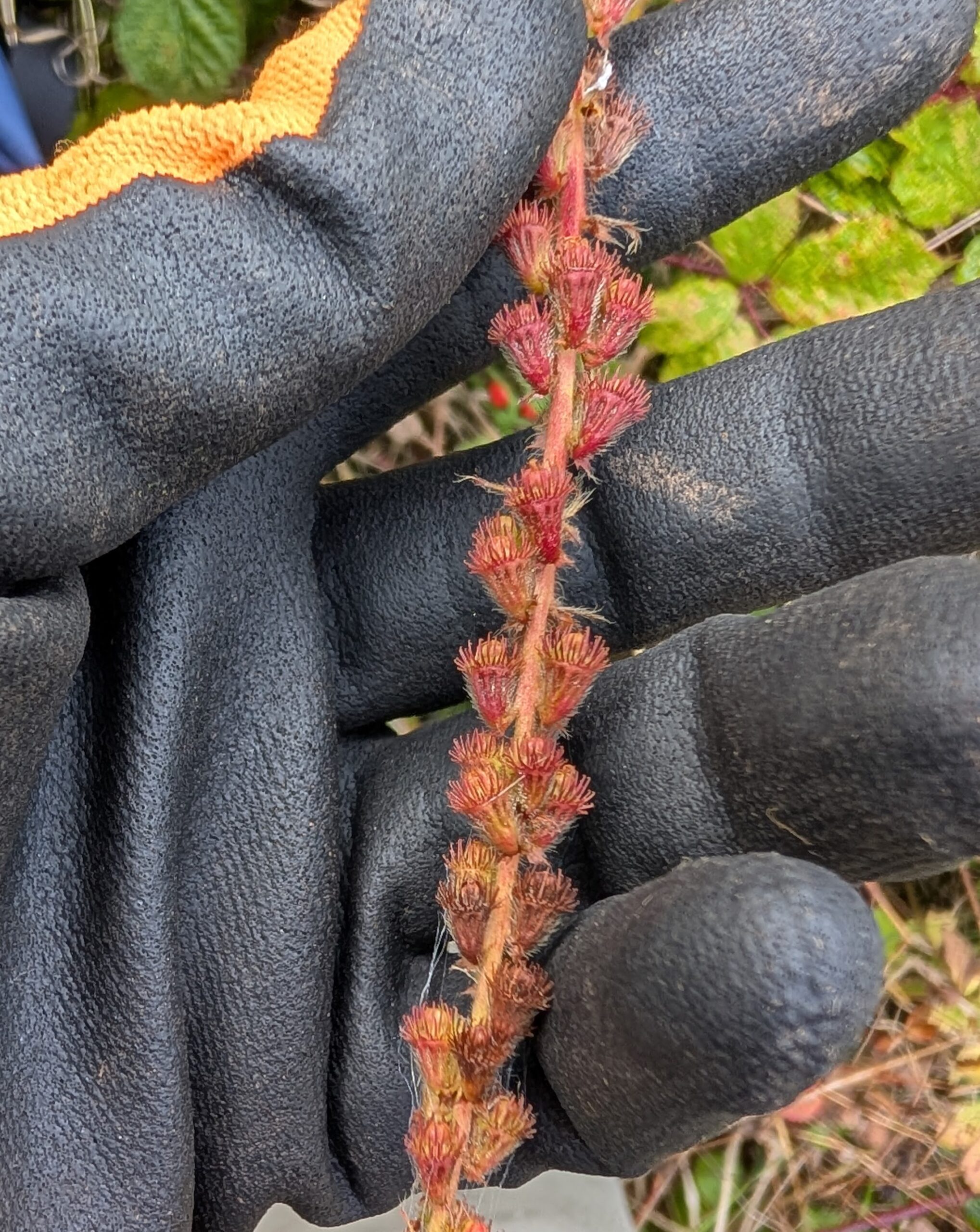
Long red stem being held in a black gloved hand. Triangular shaped seeds are attached to the stem at their point, and each seed has many burrs on them which help them stick to animals' coats (And ecologists coats too!)

Agrimony Seed

Plant in leaf, each leaf has 5 lobes spread out evenly. The stem is long and spindly, allowing it to creep (hence the name) along the ground.

Creeping Cinquefoil

In addition to clearing scrub and maintaining open areas, the team also harvested a generous supply of Agrimony seed, one of the butterfly’s key food plants. These seeds will be planted out to enhance the site and improve its suitability for egg-laying and larval development.

The Grizzled Skipper is a high conservation priority, and Nottinghamshire supports the northernmost population in England. However, with climate change and habitat fragmentation posing serious threats, targeted conservation efforts like these are essential to ensure the species can thrive and expand its range.

Work parties will continue over the winter months, with volunteers working to create and maintain suitable habitat at several sites across the county. If you’re interested in joining a future session, please contact us at biodiversity@nottscc.gov.uk. For details of the sessions, please see the events page: https://nottsbag.org.uk/events/

Nature, Water and Wildlife – Broxtowe’s Quarter of Action

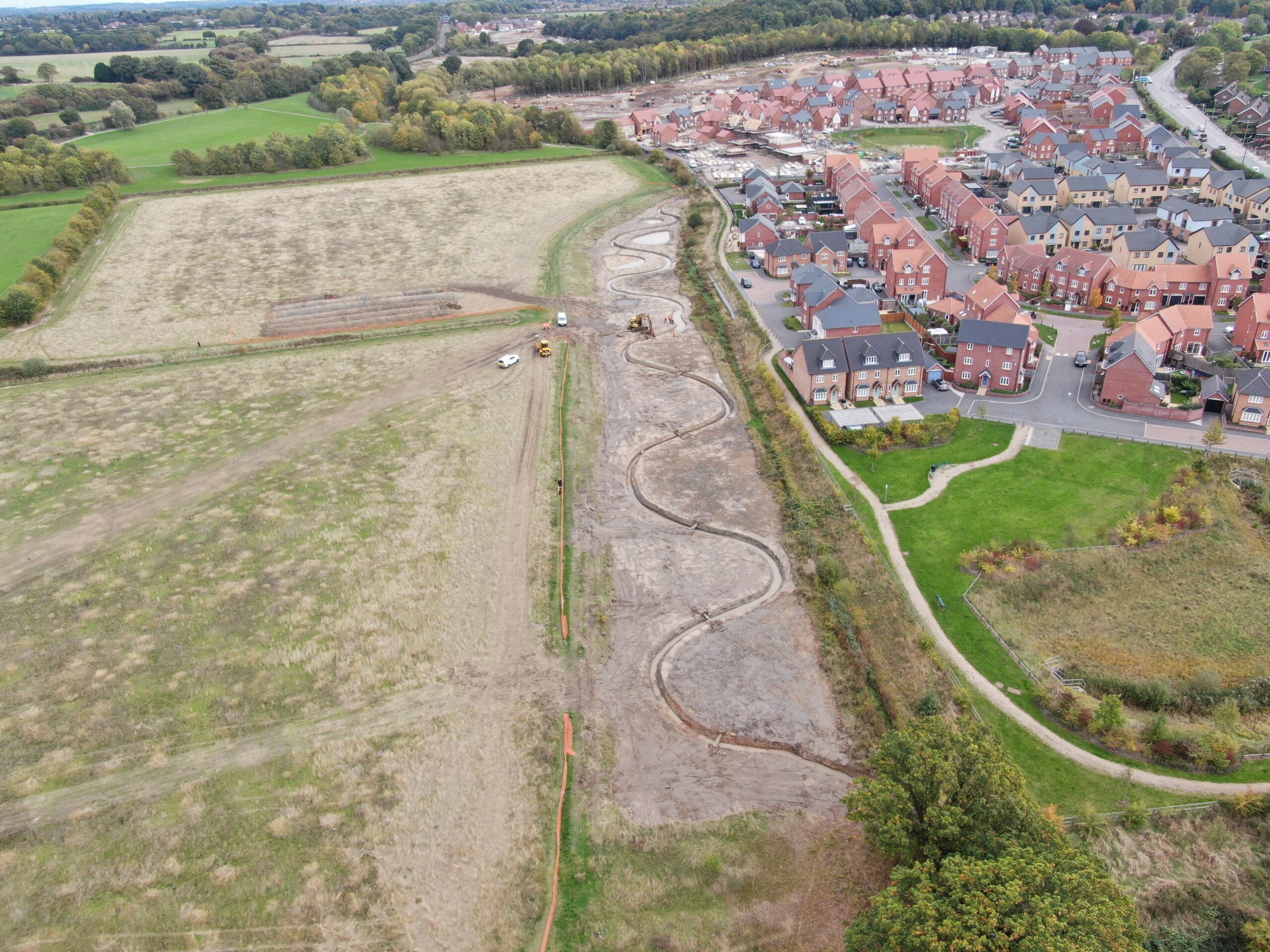
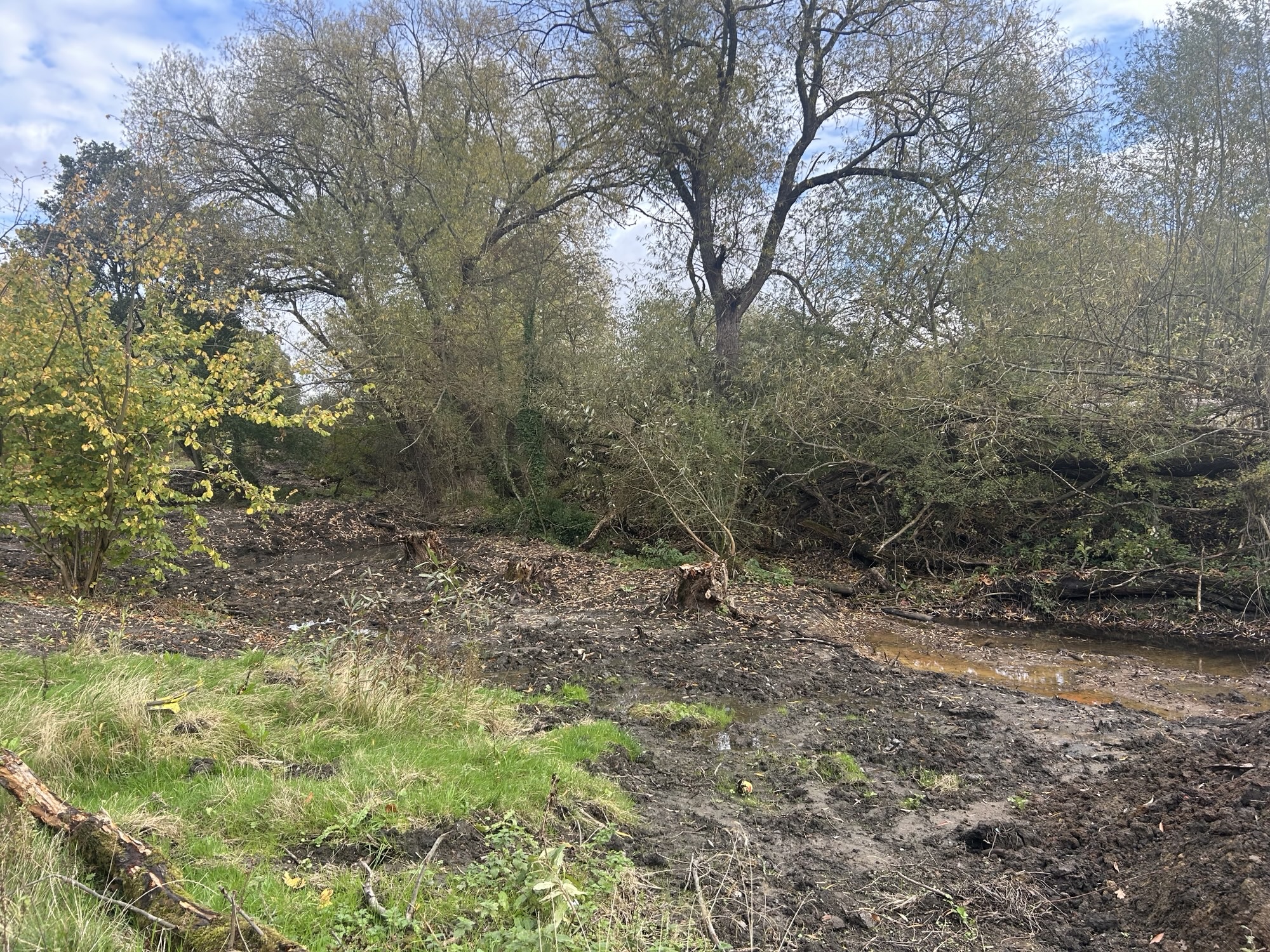
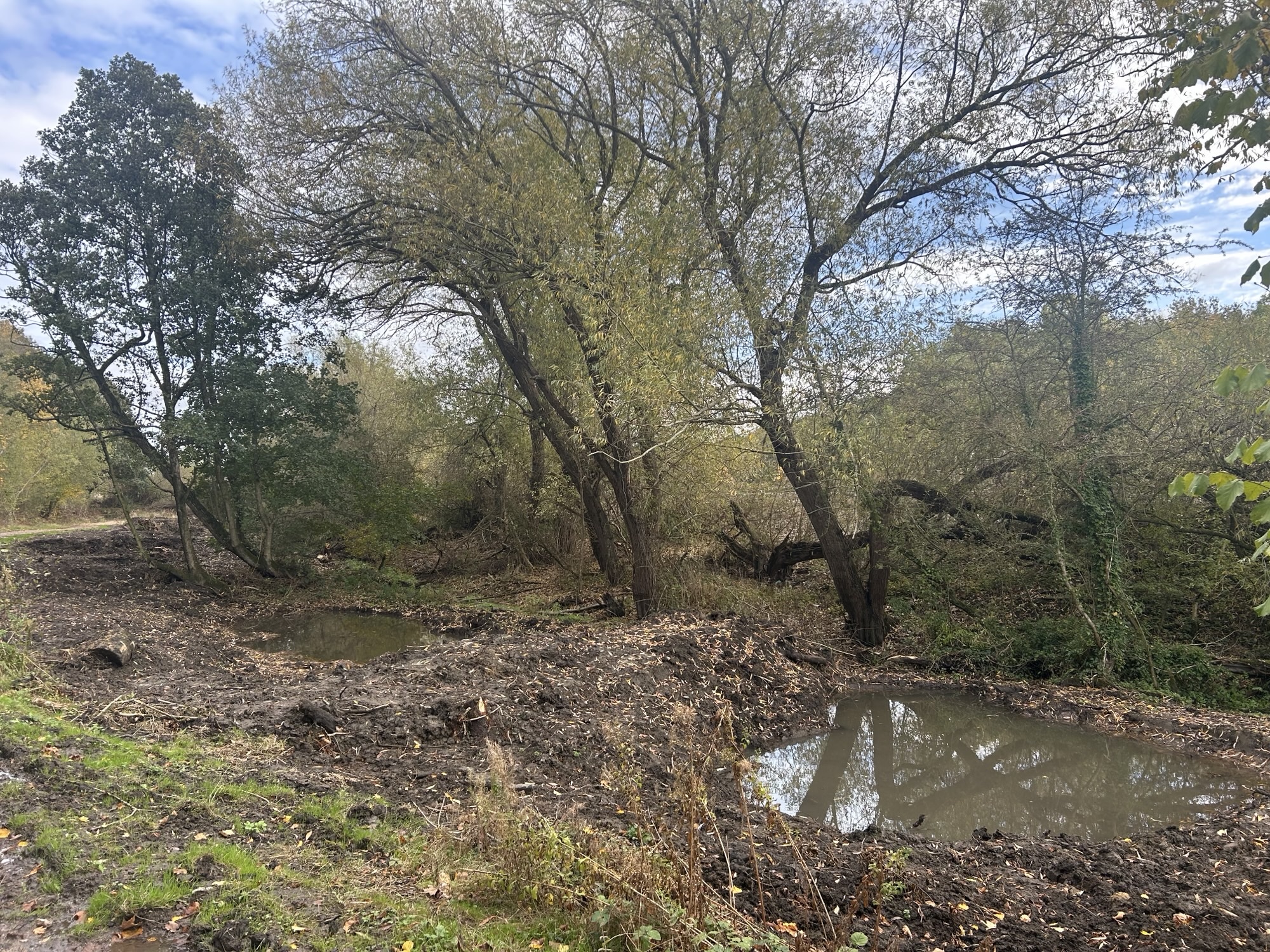
🌊 Natural Flood Management at Pit Lane, Trowell

In partnership with Broxtowe Borough Council, Nottinghamshire County Council have been trying to tackle long-standing flooding issues along the Boundary Brook, near Trowell.

By restoring natural floodplains and creating large scrapes and shallow ponds alongside the boundary brook, the water course will be more resilient to increasingly heavier downpours in autumn and winter.

These changes to the catchment should see the site better able to absorb peak flows and reduce flood risk for nearby homes.

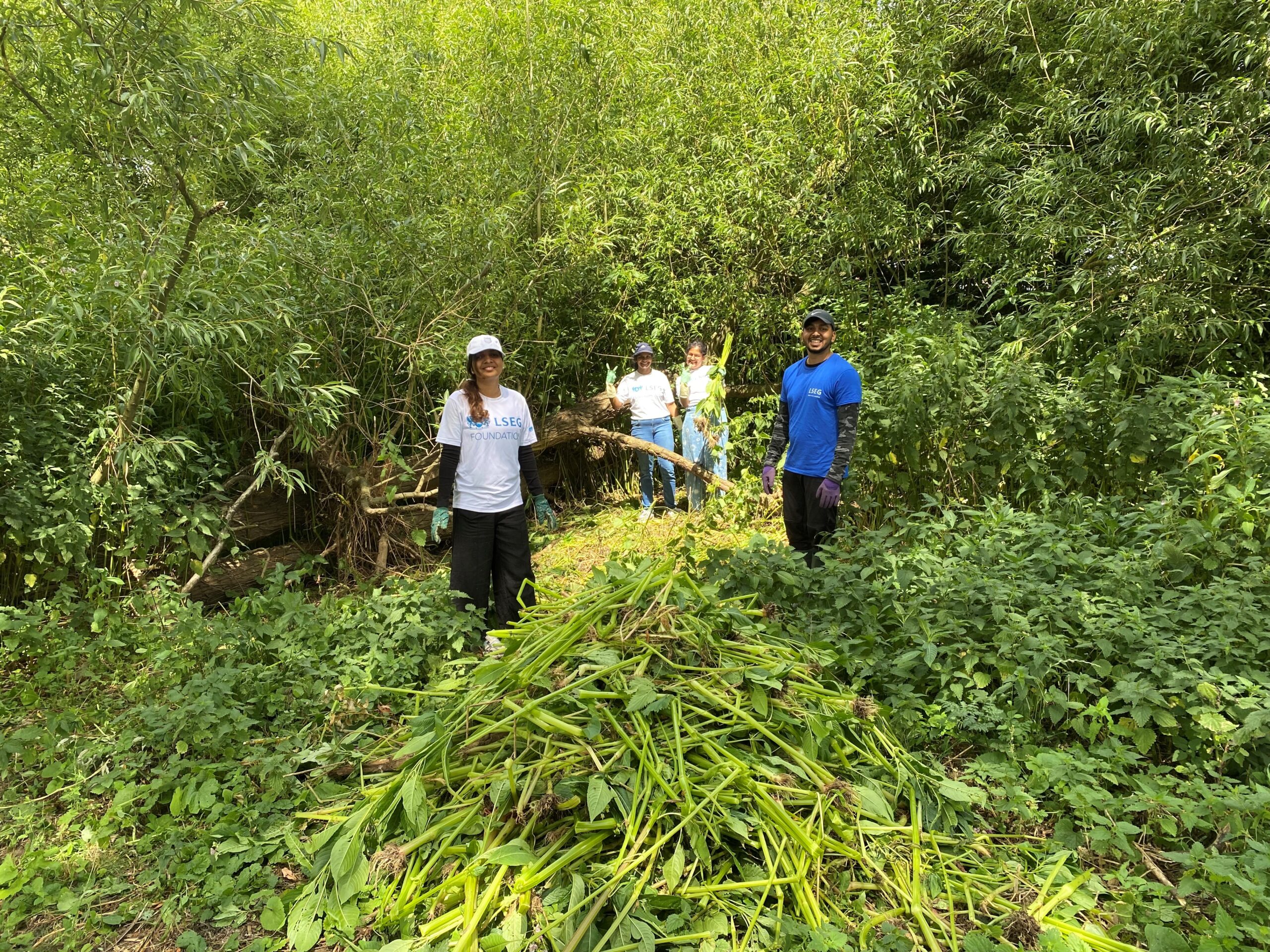
Himalayan Balsam control in full throttle

As the Himalayan Balsam season is well underway, we’ve seen some great community and partner engagement across Nottinghamshire in the battle against this invasive species. This year’s efforts are a continuation of our long-term commitment to managing Himalayan Balsam, and it’s great to see the momentum continuing to build.

Lseg at Beeston Fields along the River Trent

So far this season, we’ve achieved:

       1. Spa Ponds and Cavendish Wood, Clipstone

With support from the Environment Agency, Virgin Media, L’Oréal, AECOM, and staff and students from Nottingham Trent University, we’ve made major progress in this woodland area. These efforts build on years of dedicated clearance work, and we’re now close to eradicating balsam from the site altogether!

      2. Rainworth Water

Here, volunteers from the Environment Agency and Mitie joined forces with us to protect this beautiful wetland. The site is home to rare native flora such as opposite-leaved golden saxifrage, marsh bedstraw, and celery-leaved buttercup. With balsam in retreat, these species are beginning to reclaim their rightful space.

      3. River Trent 

Teams from the Environment Agency, Boots, and LSEG tackled one of the fastest-growing balsam hotspots along the River Trent. Their hard work is helping to keep this vital river corridor healthier and more biodiverse.

These are just a few highlights from the past few weeks. Every plant pulled means one less seed pod ready to explode and spread this invader further through our woodlands and waterways!

A massive thank you to all the volunteers who’ve made this progress possible. As the season continues, we’re looking forward to more successful balsam bashing sessions across the county.

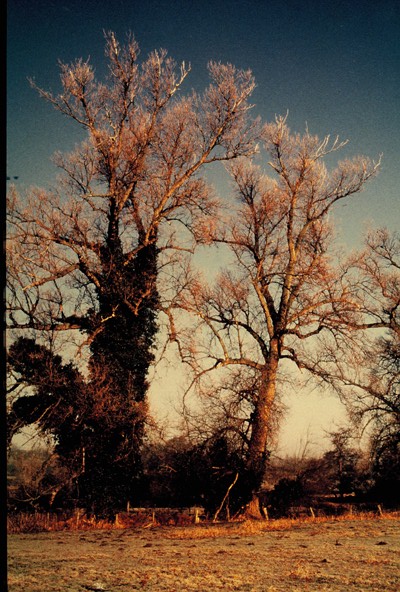
Black Poplar Conservation in Nottinghamshire

The native Black Poplar (Populus nigra subsp. betulifolia) is one of Britain’s rarest native trees. Nationally, fewer than 7,000 mature trees survive—possibly as few as 2,500—and females are especially scarce due to historic planting preferences. These trees are now mostly found as isolated individuals, making natural regeneration extremely unlikely.

In Nottinghamshire, the species is thinly scattered, with an estimated 800–1,000 native-type trees, mostly in Greater Nottingham, Mansfield, and south Rushcliffe. However, only a handful are mature, non-hybrid females. Their natural habitat—floodplain meadows—has been lost or altered, and the species has become heavily reliant on cuttings and artificial propagation.

Black Poplar in Nottinghamshire

In late 2023, a Black Poplar working group was set up, involving the Environment Agency, Nottinghamshire County Council, Nottinghamshire Wildlife Trust, Trent Rivers Trust, and Notts BAG. The group’s goal is to improve coordination of conservation work across the county.

Key plans include:

  • Establishing a nursery to grow native Black Poplar cuttings and develop coppice stools
  • Representing a wider range of native variants to support genetic diversity
  • DNA testing trees across the county with Forestry Research to confirm if the tree is native
  • Creating a county-wide database of known and suspected native trees, including genetic data

Two potential nursery sites have been identified—NTU Brackenhurst and the Sherwood Forest Trust.

Currently, efforts are focussed on DNA testing as many Black Poplars across the county as we can. Efforts are beginning to be focused on increasing planting in suitable natural/semi-natural locations and boosting the proportion of female trees to improve the chances of natural regeneration in partnership with nurseries.

Crayfish Project Update – A Promising Start to 2025

As we wrap up the spring and early summer crayfish sessions in Nottingham city, a big thank you to all those who have helped out with the project.

So far, the numbers are looking very positive. We’ve seen a decrease in crayfish caught—even with more traps being set. We also saw a significant drop in young crayfish during netting—only about a third of previous years. The catch-per-minute rate fell to the lowest it’s been in five years. This points to fewer young crayfish entering the population, which is a very encouraging sign.

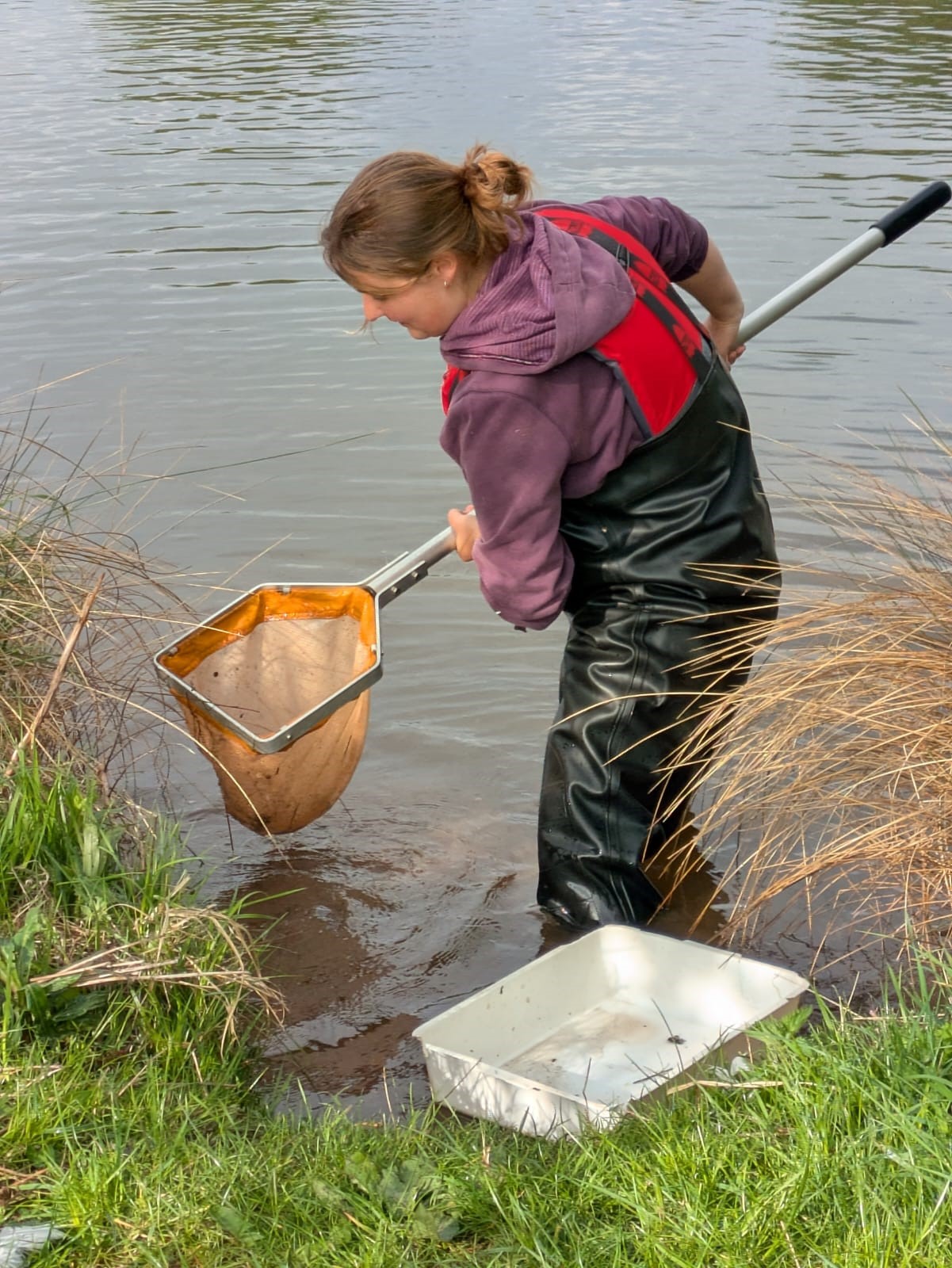
Crayfish volunteer netting around the edge of the pond

Female crayfish numbers were up again, but the average size of breeding females continues to decline. Smaller females produce fewer young, which helps reduce recruitment. Fewer berried females were also caught, despite the overall increase—another indication we’re intercepting them at the right time.

Overall, it’s been a positive start to the year. With your continued support—especially consistent netting—we’re seeing real progress in controlling the signal crayfish population in Nottingham city.