Protecting Nottinghamshire’s Secretive Native Reptile: Slowworms

Slowworms, one of Nottinghamshire’s three native reptiles, are under threat from habitat loss and over-tidying. They thrive in sunny, secluded spots such as allotments, disused railway embankments, and open grasslands. While their numbers have fluctuated in recent years, conservation efforts are underway to support their populations across Nottinghamshire.

A slowworm in its natural habitat

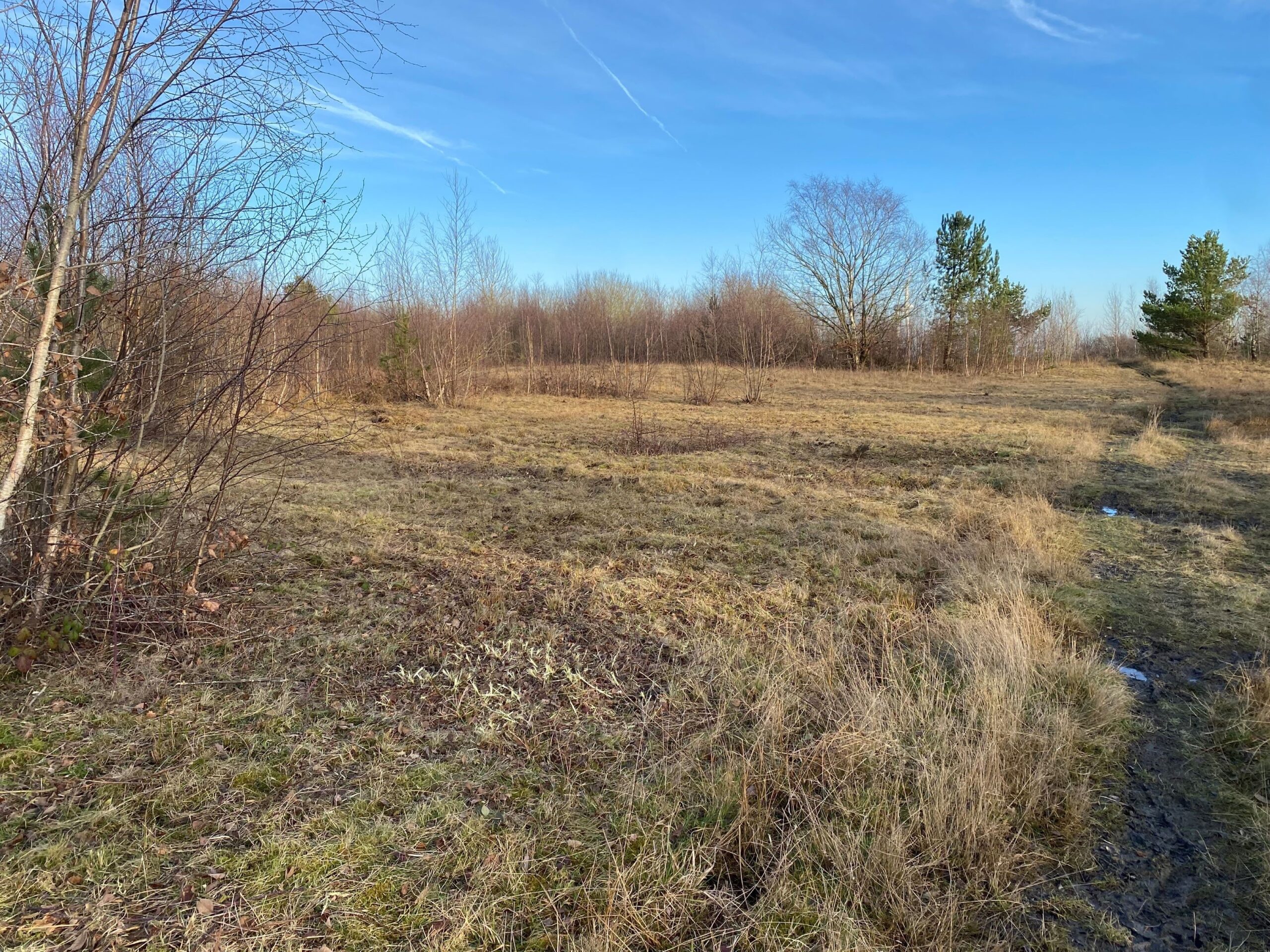
At Beeston Sidings, Nottingham City Council is working to improve an area for Slowworms. Previously open areas are being cleared of young scrub to recreate conditions more suitable for slow worm and hibernacula (spaces in which animals can shelter) are being created. Woodland is being thinned of dead and decaying trees to help open up this area for the slowworms. This work is being overseen by an ecologist to ensure no harm comes to any Slowworms during these efforts. If you’d like to get involved in works to support reptiles or amphibians in Nottinghamshire, then why not become a member of Nottinghamshire Amphibian and Reptile Group (NARG).

The Legendary Major Oak: supported by science

The Major Oak in Sherwood Forest, estimated to be over 1,100 years old, is one of Britain’s most iconic and ancient trees. It is famous not only for its sheer size (with a circumference of 11 meters and a 28-meter canopy) but also for its legendary connection to Robin Hood. Despite its age, the tree retains its full canopy, but it faces significant challenges due to soil compaction, historic interventions, and climate stress.

The Major Oak. Photo from RSPB

Since the Victorian Era, numerous preservation efforts have included bracing chains, props, fibreglass (formerly lead) sheets, concrete infilling and fire-retardant paint. Unfortunately, these have caused more harm than good. Today, decades of soil compaction caused by foot traffic remains the most pressing issue – the compacted soil prevents healthy root growth and microbial interactions vital for the tree’s health. Furthermore, changes in our climate – with periods of drought and intense rainfall, have made the Major Oak fragile.

A soil analysing station at the Major Oak. Photo from RSPB

The Major Oak is undeniably in decline, which is unsurprising for a tree of this grand age. But, to sustain it for as long as possible, the RSPB and experts have initiated a five-year programme of works to restore vitality to the Major Oak. Efforts include aerating the soil, adding organic matter, and allowing natural vegetation to grow around the tree. Many of these techniques are innovative and based on new scientific research. In 2023 and 2024, with stringent supervision from soil experts, trenches were carefully excavated and backfilled with enriched soil to reinvigorate microbial activity, enabling the roots to access more resources and bringing it back to life. This work is hoping to act as a catalyst for natural life cycles, ensuring minimal intervention in the future.

Despite its challenges, the Major Oak remains a symbol of ecological and cultural importance. These will extend its life and preserve it as a living testament to ancient tree management. This ancient tree will continue to inspire visitors and conservationists worldwide.

Find out more detail about these conservation works here.

Restoring Heathland: Volunteers tackle invasive scrub

Heathland is an internationally important habitat found across the Sherwood landscape in central Nottinghamshire. Characterised by open areas dominated with shrubs from the heather family and interspersed with areas of acid grassland and occasional trees and copses, this biodiversity resource supports a unique suite of species.

Close to Rainworth, Nottinghamshire County Council own and manage a small area of heathland that lies adjacent to the appropriately named Heathlands Primary School. The site has been managed over recent years to maintain its open nature and to increase the amount of heather present at the site. This has been done by creating scrapes across the site and then seeding these with heather seed supplied from other sites in Nottinghamshire.

Spirea patch (before)

Earlier this week, staff from the County Council, members of the Employees Green Initiative Group (EGIG) kindly gave up their own time to spend an afternoon helping to manage this magical space. Their work focused on clearing invasive vegetation. Gorse was cut back, and small trees were removed to maintain the open nature of the site. Volunteers also tackled a large patch of Spirea, a common but invasive garden plant that had taken hold on this site after being dumped as garden waste.

Spirea patch (after)

Thanks to their efforts, the site is now in a much better condition, and by the autumn, it should be showing signs of significant heathland recovery.

EGIG volunteers cutting back gorse

Clearing the way for Nottinghamshire’s butterflies

Volunteers have been busy at Newstead and Annesley Country Park recently undertaking work to support a range of butterflies for Nottinghamshire. The former pit tip has evolved into a brilliant space for wildlife, supporting butterfly species such as Dingy Skipper and Green Hairstreak – all Local Biodiversity Action Plan species (Species Action Plan). Both Dingy Skipper and Green Hairstreak have robust populations here, and the work aimed to maintain the areas of open space utilised by these small spring flying butterflies. 

Scrub clearance (before) at Newstead and Annesley Country Park

17 enthusiastic volunteers worked hard, cutting back regenerating scrub to ensure there are open areas for the Grizzled Skipper to lay their eggs. The volunteers also created an interesting transitional zone between the open areas, the scrub, and the adjacent young woodland. This formed an ecotone which will provide important habitats for a wide range of species to enjoy.  

 Scrub clearance (after) at Newstead and Annesley Country Park

There are still 3 more Grizzled Skipper Work Parties planned over the next few weeks, and we always need the help of more volunteers. If you are free and would like to get involved in action to help to conserve the Grizzled Skipper butterfly, then please contact us and we can send you more details. https://nottsbag.org.uk/events/

Local Nature Recovery Strategy (LNRS) for Nottinghamshire and Nottingham: Update

The Local Nature Recovery Strategy (LNRS) is a new England-wide system of spatial strategies established by the Environment Act 2021. Its purpose is to help reverse the ongoing decline in nature by establishing priorities and priority locations for nature recovery. This will help to inform the delivery of Biodiversity Net Gain (BNG). Nottinghamshire County Council (NCC) is the organisation leading the development of the LNRS for Nottinghamshire and Nottingham City, working closely with key stakeholders including Notts BAG.

The final LNRS will consist of an online document – the Statement of Biodiversity Priorities – which identifies priorities and actions for nature recovery.  This will be complemented by an interactive map – the Local Habitat Map – which identifies the most valuable existing areas for nature, and the most important areas for implementing habitat creation, restoration and enhancement, in line with the Lawton Principles of bigger, better, more, and joined up.

A forest path, Nottinghamshire

Currently the LNRS team at NCC is finalising the draft document and map.  The draft LNRS will then go out for public consultation beginning on 6th May 2025 and lasting for 6 weeks.  All organisations, farmers and landowners, and the general public will have the chance to comment on the proposals.  The final LNRS is expected to be published in September 2025, following the review of comments submitted.

For more information, please visit the LNRS page on the County Council website here: Local nature recovery strategy for Nottinghamshire | Nottinghamshire County Council

If you would like to be added to the LNRS email list for the consultation stage, please email LNRSNN@nottscc.gov.uk

Invasive Species: Japanese Knotweed removal along the River Leen

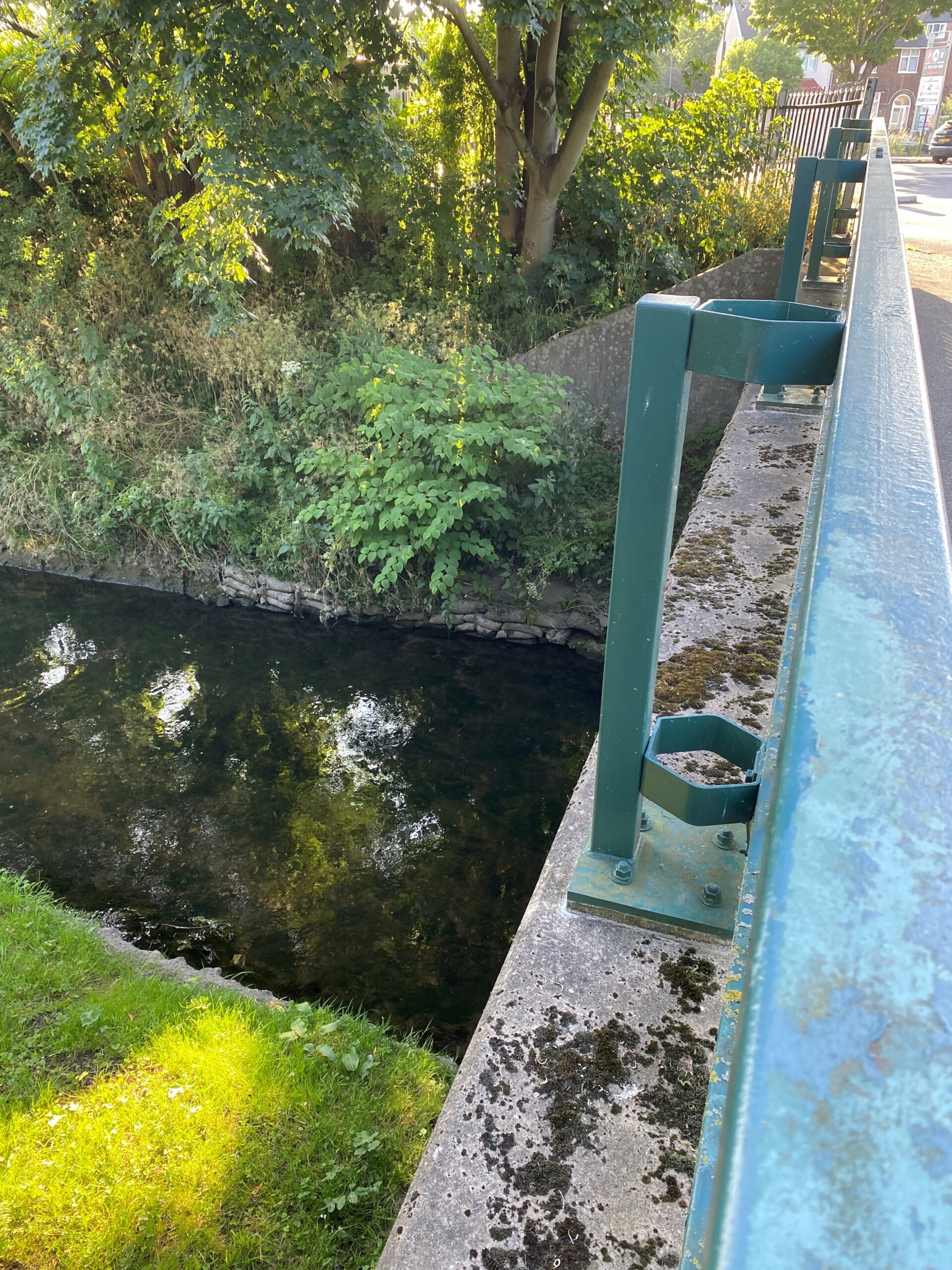
Japanese Knotweed is a highly invasive non-native plant that has spread across Nottinghamshire and the rest of the UK since it was first recorded in the wild, in Wales, in 1886. In Nottingham City the plant can be found at numerous locations along the River Leen from Bulwell through to Lenton. Recently, the Environment Agency (EA) has adopted a more coordinated and targeted approach, aiming to make treatment and monitoring an annual effort.

Japanese Knotweed along the River Leen

Between late August and November 2024, EA targeted fourteen sites along the riverbank using the stem injection method. This technique involves injecting glyphosate directly into the plant’s stems while it is in active growth, just before it dies back. Smaller plants were treated with knapsack spraying, using an approved herbicide product to use alongside watercourses to sensitively target only the non-native invasive plant. Stem injection is a very effective way of treating Japanese knotweed.  The herbicide is injected into the plants internal system killing the whole plant, including its rhizomes (root system).

Japanese Knotweed along the River Leen (before treatment)

In Spring/Summer 2025, the team will monitor regrowth at treated sites and carry out further treatments as needed to prevent the plant from spreading. Additionally, new knotweed sites have been identified, including some in difficult-to-access areas. Plans are underway to improve access to these locations, so treatment can begin next year.

Notts BAG is currently updating Nottinghamshire’s Japanese knotweed database and is calling on volunteers to report sightings or provide updates on known sites. Several volunteers have already contributed by identifying new locations and gathering data, which will be vital for future treatment efforts. If you know of any Japanese knotweed sites, please contact biodiversity@nottscc.gov.uk. We will require information on where it was seen (a grid reference or what3words location is preferable), when it was seen, and your details so that we can contact you if we require further information. Alternatively, you can also log your findings on iRecord and iNaturalist.

Join the Nottinghamshire Toad Patrols 2025

As spring approaches, toads and other amphibians will begin their annual migration to breeding ponds from their winter habitats. When they start to get active in the spring toads are overwhelmed with a need to visit their breeding ponds and for their first few active weeks this will be their priority. Along the way they may have to cross busy roads, which increasingly is leading to high mortality rates in this species and in other amphibians. Over the last 30 years the UK’s population of common toads has declined by 68%.

Toad and amphibian patrols have been around for many years reducing the number of deaths on the roads. Since 2023 the Nottinghamshire Amphibian and Reptile Group (Notts ARG) have been involved with the patrols and now manage most of the existing Nottinghamshire patrols as part of Froglife’s Toads on Roads project (as well as registering new sites – in 2024 they registered 4 new crossings). The patrols advise drivers to reduce their speed and highlight the signs of amphibians crossing. At all patrol sites they help toads cross the roads to safety.

These toad patrols have paid a huge role in their conservation – in 2024 volunteers helped to save 2000 amphibians, 1780 of which were common toads.

To prepare for the upcoming migratory season, Notts ARG is hosting a free online session on February 8th to help volunteers learn about amphibian identification, toad ecology, and how to safely conduct a patrol. The event is open to anyone interested, whether you’re experienced or new to wildlife conservation. You can sign up here: https://www.eventbrite.com/e/amphibian-patrol-training-and-amphibian-id-tickets-1115407205979?

By volunteering this spring, you’ll help ensure that migrating amphibians safely reach their breeding ponds and contribute to protecting Nottinghamshire’s biodiversity.

A Boost for Biodiversity: Habitat Restoration Works Link Sherwood National Nature Reserve with Budby South Forest

This autumn and winter, Thoresby Estate are removing mature conifer trees from Seymour Grove and Assarts Wood, plantations that sit between the amazing ancient oaks at Sherwood Forest and the beautiful open heathland at Budby South Forest, which are both owned by Thoresby and managed by the RSPB.

Planted over 60 years ago for timber production, these conifers are now ready to be harvested for the UK timber and biomass markets. This work will have huge additional benefits for biodiversity, removing the conifer plantations will enable the land to be restored to wood pasture and heathland, which will enhance of the overall habitat resource within the National Nature Reserve.

The RSPB has partnered with Thoresby Estate to ensure the harvesting process benefits both the land and its wildlife, with a focus on protecting important local and national BAP (Biodiversity Action Plan) species. Some ecologically valuable conifers will be retained to support species like Crossbills, Siskins, and the longhorn beetle, Arhopalus rusticus, which thrives on freshly cut stumps.
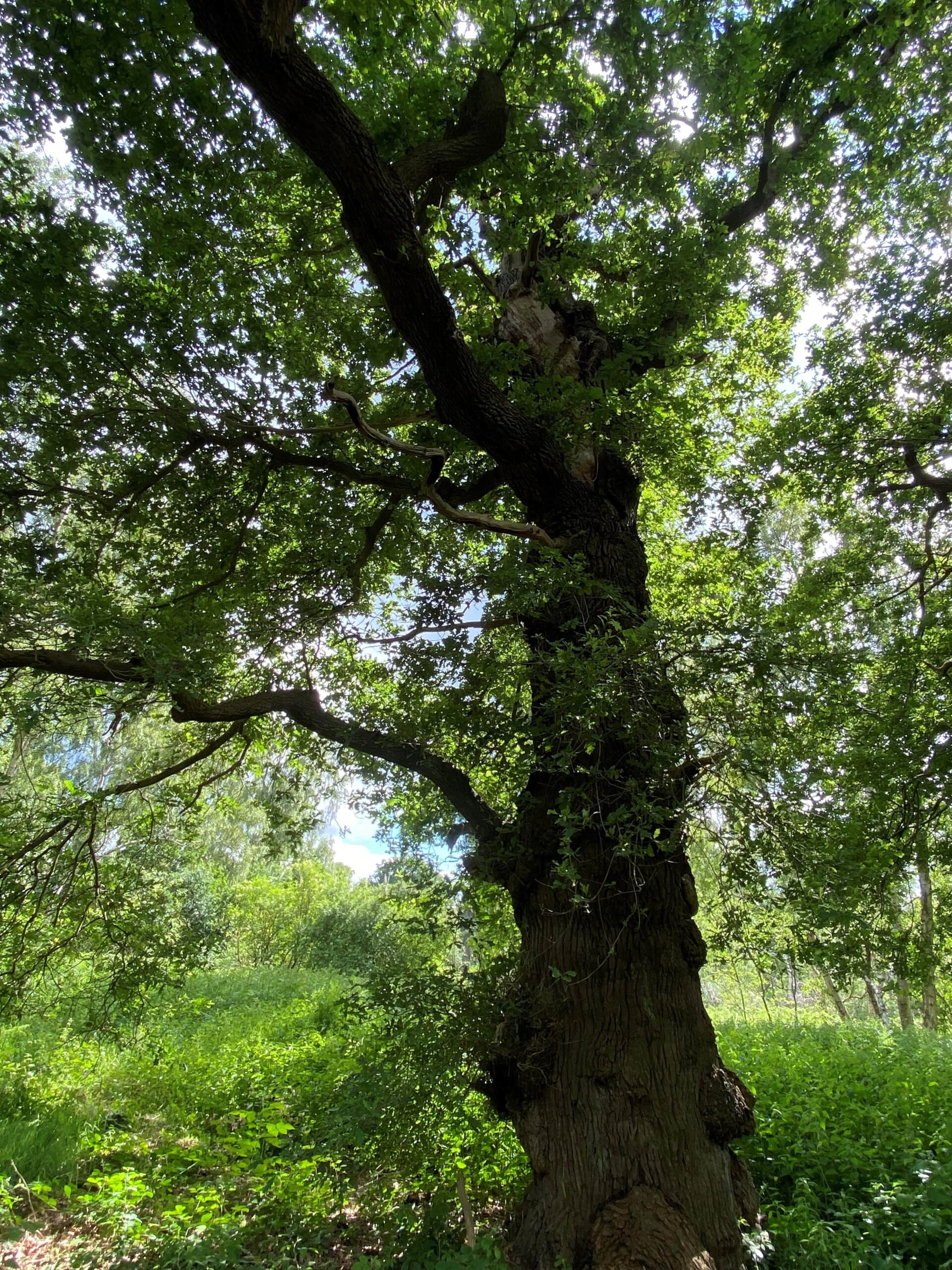
Veteran tree, Sherwood Forest National Nature Reserve

Special care will also be taken to protect native broadleaf trees, such as Willow, Birch, Hawthorn, Oak, and Cherry, which form the forest understory and support a wide variety of species. Ancient and Veteran Oaks will be safeguarded from extreme weather and falling trees, while trees like Birch and Willow, which provide crucial habitats for species such as Clearwing Moths and Purple Emperor butterfly larvae, will also be protected.

These efforts are crucial not only for preserving the area’s biodiversity but also for restoring wood pasture and heathland habitats, both of which are designated LBAP habitats and are characteristic of the surrounding Sherwood Forest.
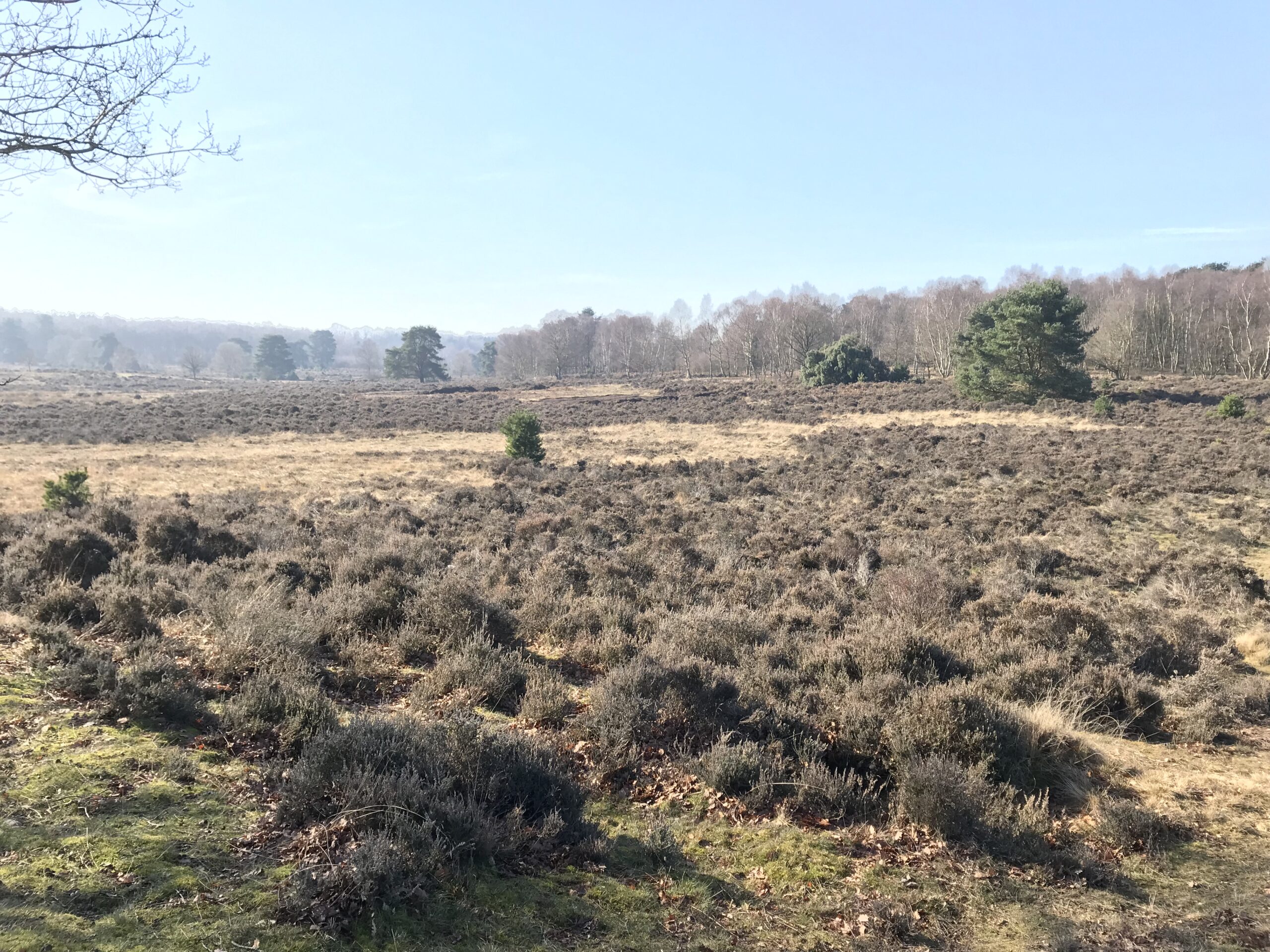
Open heathland, Budby South Forest

This will open up glades and create natural corridors, or “rides,” connecting the woodland and wood pasture habitats of Sherwood and the heathland habitat of Budby South Forest. Ongoing management to maintain some open canopy will re-establish acid grassland flora, and support rare bird species such as Tree Pipits, Nightjars, and Woodcock.

This is an exciting project for enhancing this ecologically important part of Nottinghamshire.

Link to RSPB article: https://visitsherwood.co.uk/timber-plantation-works-taking-place-this-autumn/

The Unique Biodiversity of Post-Industrial Sites: Newstead Old Stocking Yard

Recently staff at Nottinghamshire County Council’s Green Spaces team have been working hard to keep the soon-to-be designated Local Nature Reserve: Newstead Old Coal Stocking Yard, in good condition.  This work is necessary, so that the site continues to support a diverse assemblage of species. The habitat here is distinctive and unusual, developing on a former industrial site which used to stock coal for the nearby collieries.

It is one of the county’s best examples of Open Mosaic Habitat on Previously Developed Land (OMHPDL). In the nearby Peak District much of this wildlife rich landscape was similarly worked land that over time has developed into incredibly diverse habitats supporting an incredibly wide diversity of species. We sometimes forget how valuable these post-industrial landscapes can be and how important it is to protect and manage these important biodiversity assets.

Officers from the County Council’s Ecology and Green Spaces team worked alongside members of the Greenwood Community Forest team removing woody scrub from the open spaces to stop natural succession through the encroachment of shrubs and trees. The work involved clearing bramble and felling small trees (such as birch or hawthorn).

Scrub clearance (before)

Scrub clearance (after)

This work will support a number of the more unusual butterfly species that enjoy these open sites, such as green hairstreak and dingy skipper, both important Local Biodiversity Action Plan (LBAP) species: https://nottsbag.org.uk/lbap/lbap-species-action-plans/. The site is good for its reptile populations, with good numbers of grass snake and common lizard frequently seen. The former coal stocking yard also supports one of the largest colonies of broadleaved helleborine in Nottinghamshire.

Helping to Save Nottinghamshire’s Threatened Butterfly

Grizzled Skipper (Pyrgus malvae) is one of the UK’s fastest declining butterfly species and a high conservation priority. In Nottinghamshire, we are fortunate to support the northernmost population of grizzled skipper in England but with climate change the future is uncertain. While climate change may drive the species further north, habitat fragmentation could limit its spread without some help.

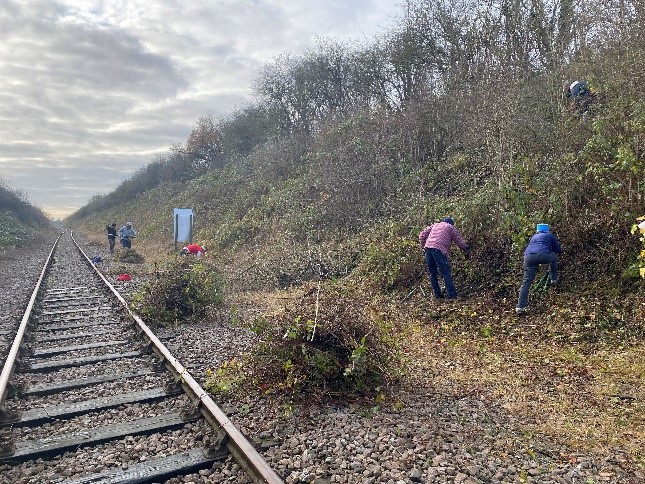
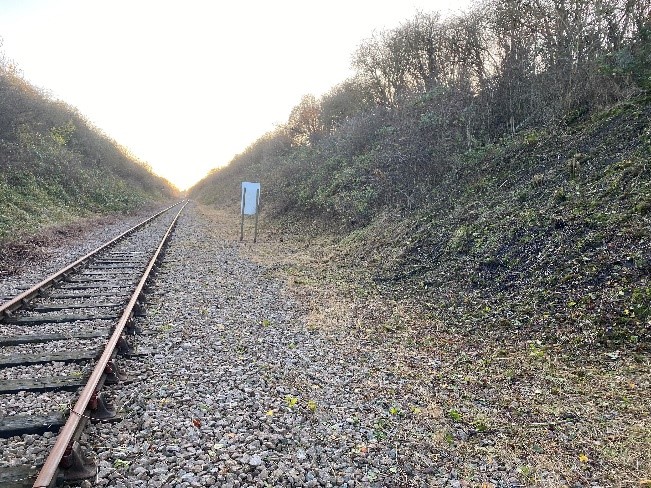
The Nottinghamshire Biodiversity Action Group has been working with the partnership to protect the Grizzled Skipper and maintain their habitat. Over winter, work parties are undertaken at grizzled skipper sites across south Nottinghamshire.  They tend to focus on clearing scrub and creating suitable areas for egg laying (mimicking areas of bare ground within which the butterfly’s food plants can grow unhindered). The volunteers also plant the three known food plants that the Grizzled Skipper larvae is known to rely on in Notts: agrimony, wild strawberry and creeping cinquefoil, to enhance potential egg-laying sites.

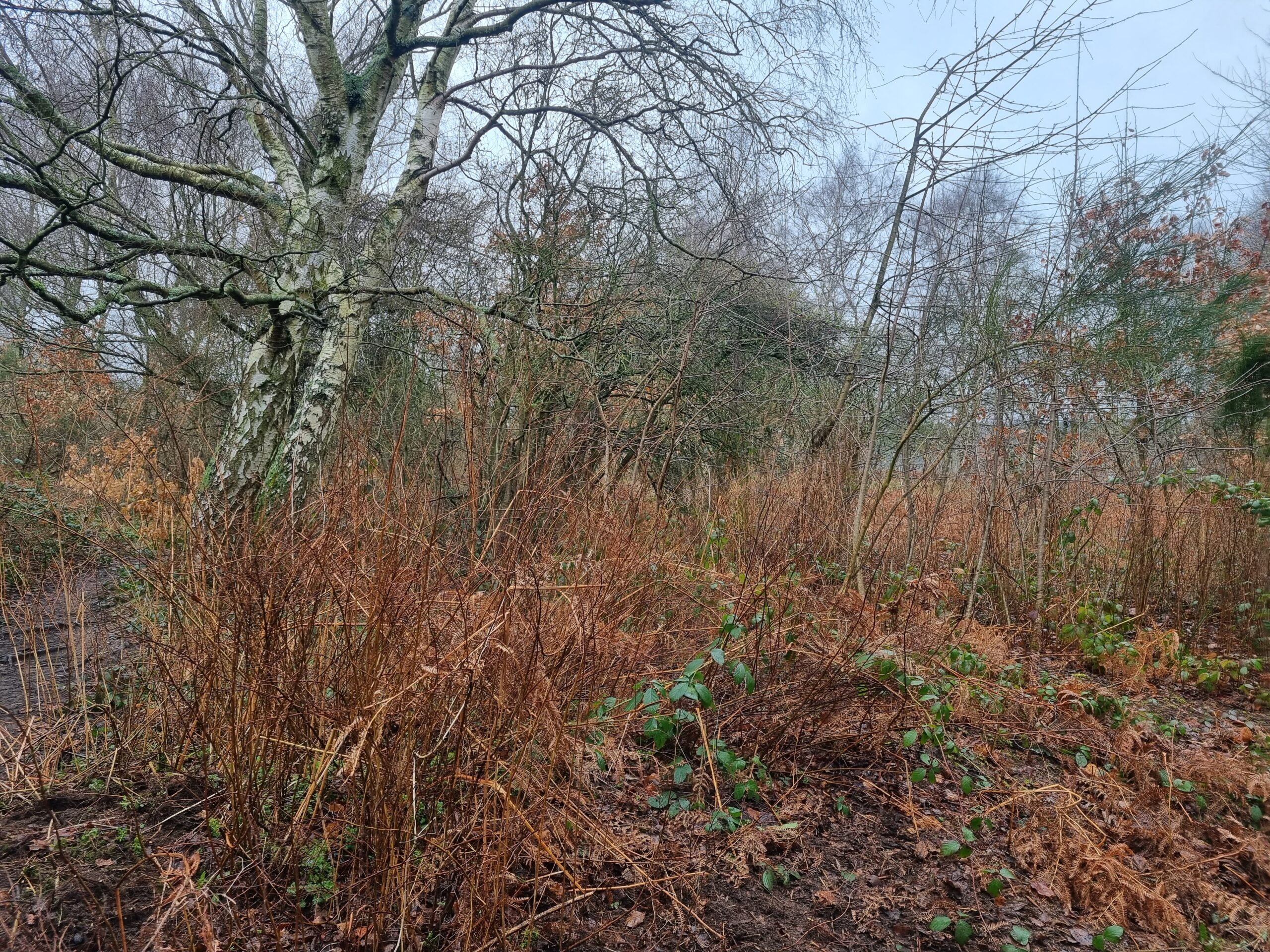
Scrub clearance (before) at Rushcliffe Halt

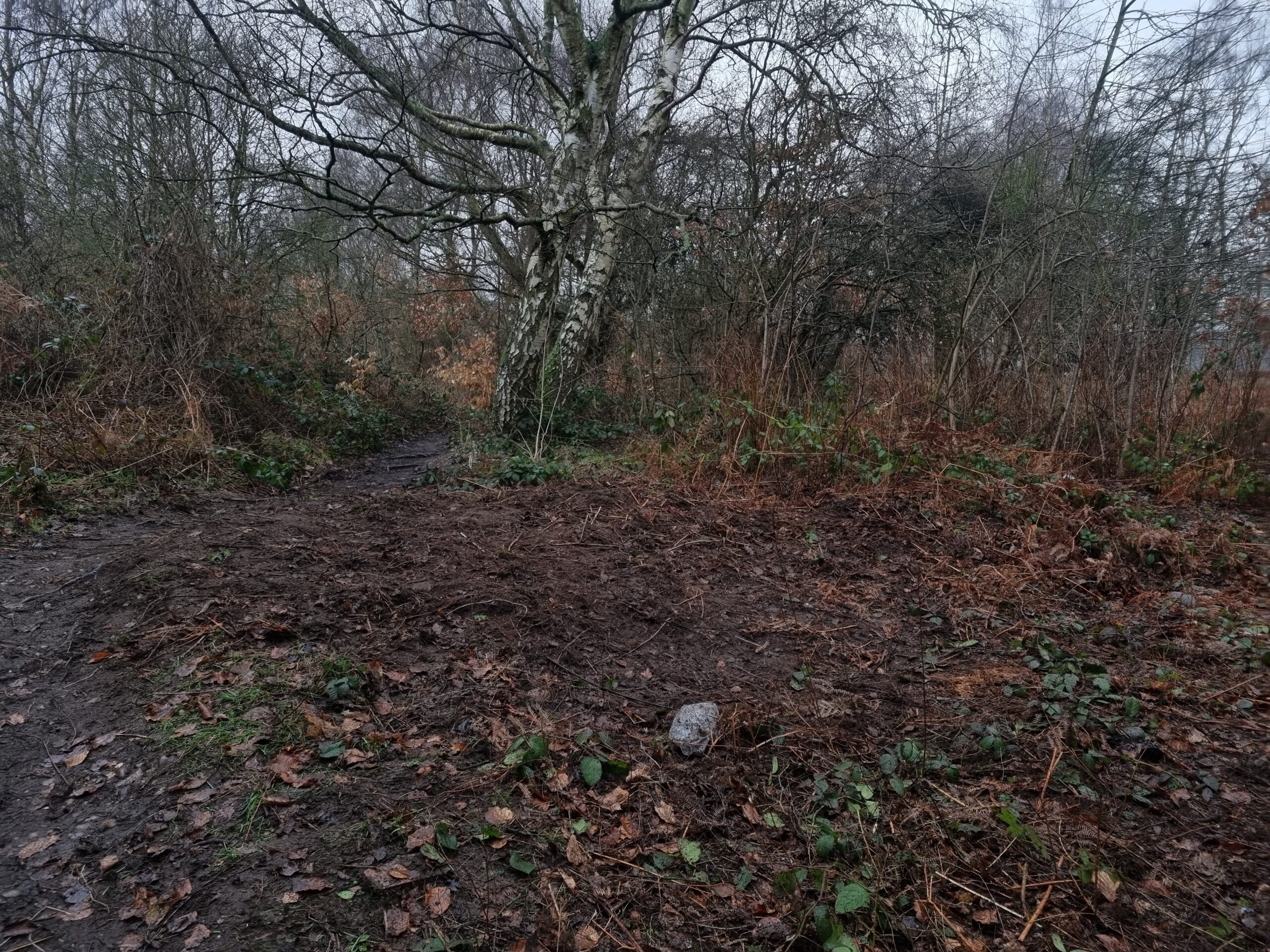
Scrub clearance (after) at Rushcliffe Halt

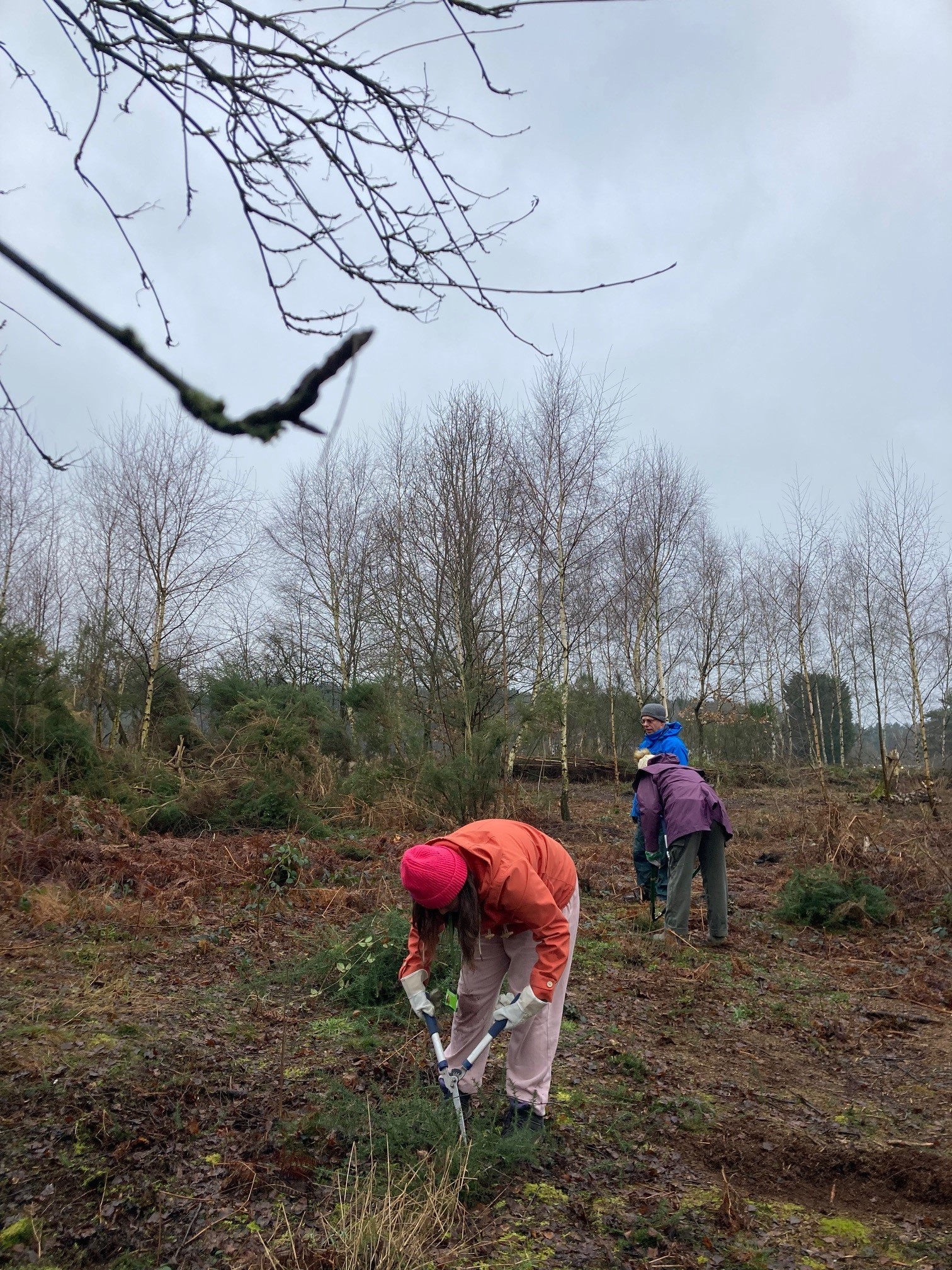
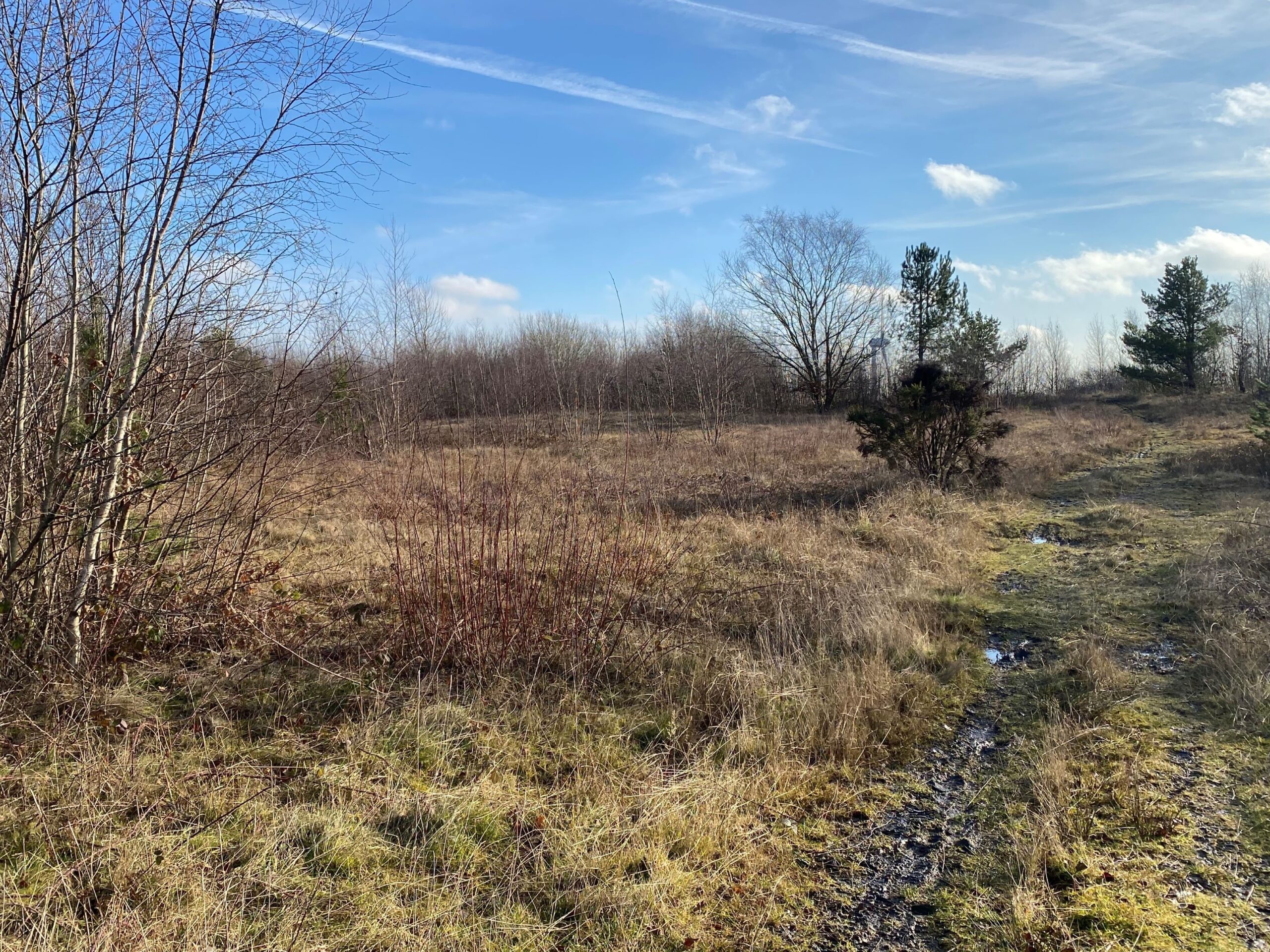
Earlier this month, a small group of dedicated volunteers headed out to Rushcliffe Halt near East Leake to help to transform a short stretch of the old railway line, making it a much more attractive site for the grizzled skipper to utilise in the coming spring when they will be back on the wing.

If you’re interested in helping out, the final work party of 2024 will take place on Sunday 15th December at Grange Farm, close to East Leake. The work will focus on cutting back scrub. For more information see the Events page: https://nottsbag.org.uk/events/