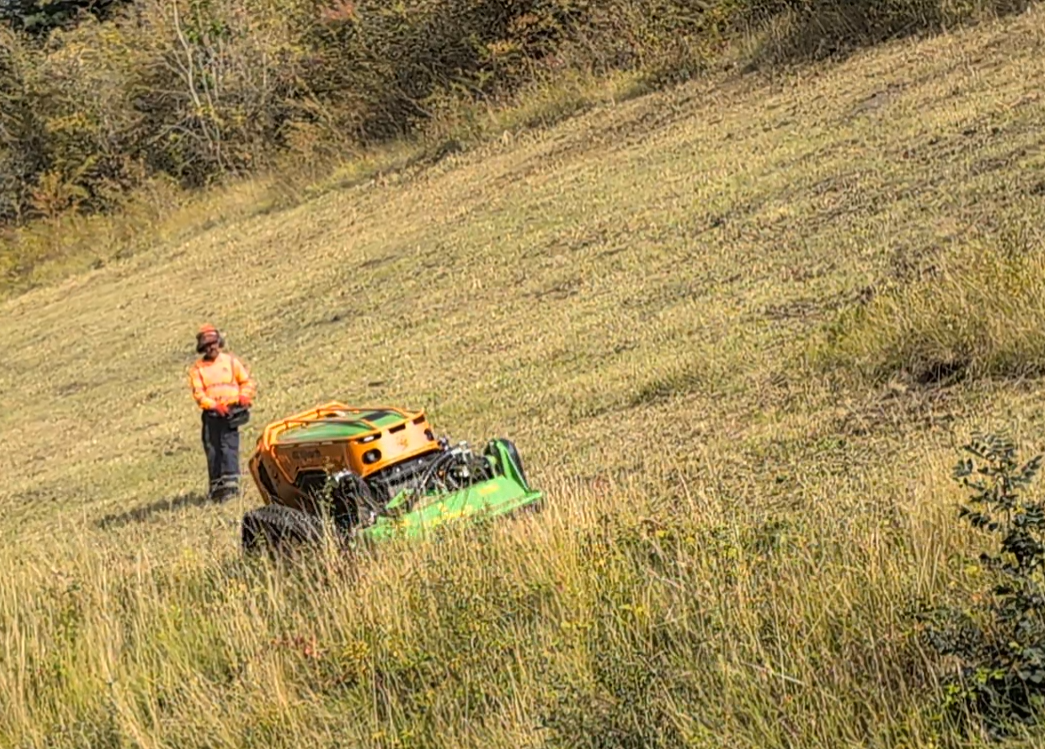
Woodland Planting and Management at Gedling Country Park

Gedling Borough Council has been actively supporting Local Biodiversity Action Plan (LBAP) habitats and species through a range of practical conservation and planning activities.
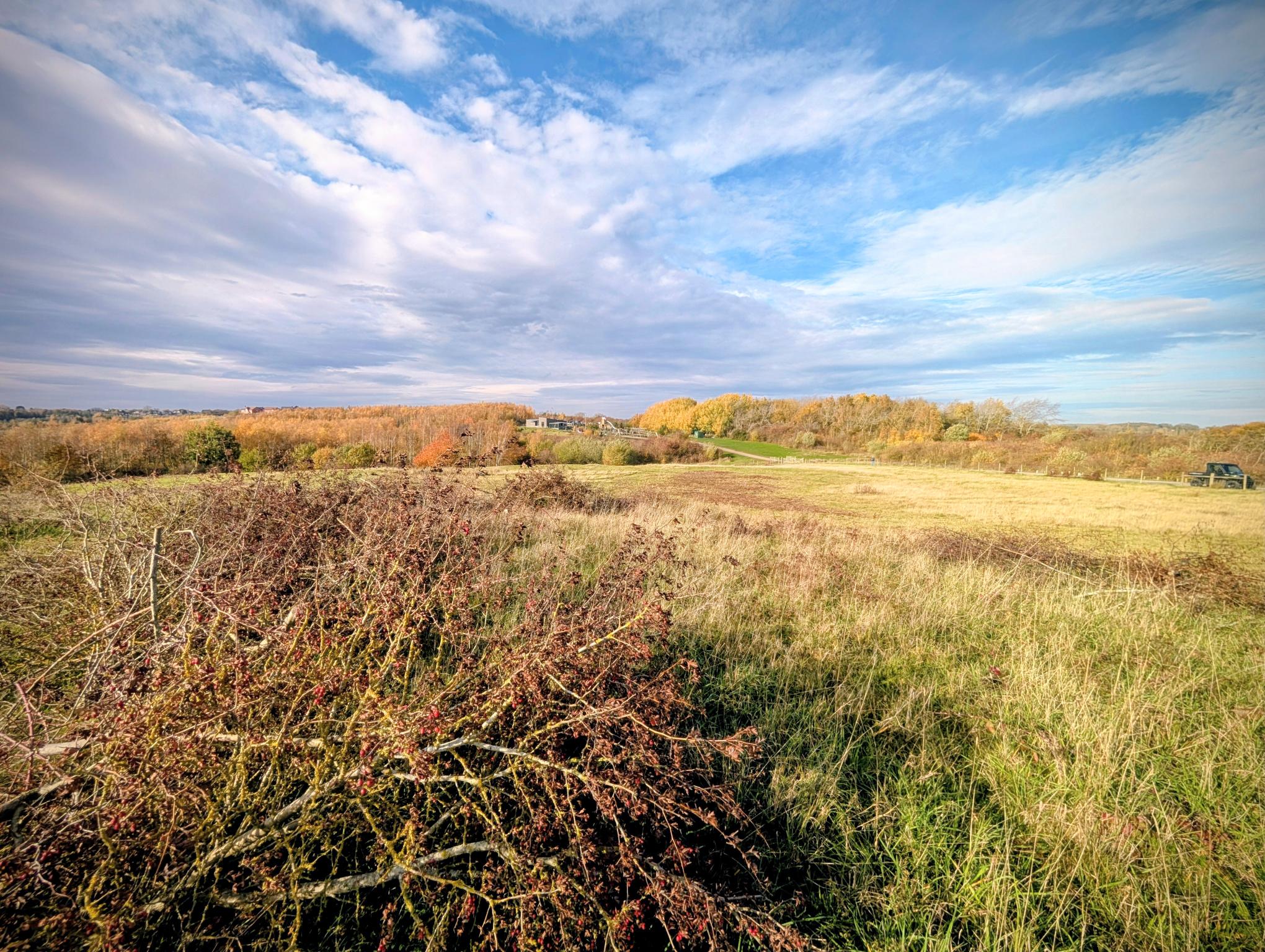
Scrub clearance

Rangers have been busy planting native bulbs and ferns within woodland areas to enhance biodiversity.  Tree thinning works and planting during the upcoming tree season, will aim to improve the diversity, structure, and condition of the park’s woodlands.
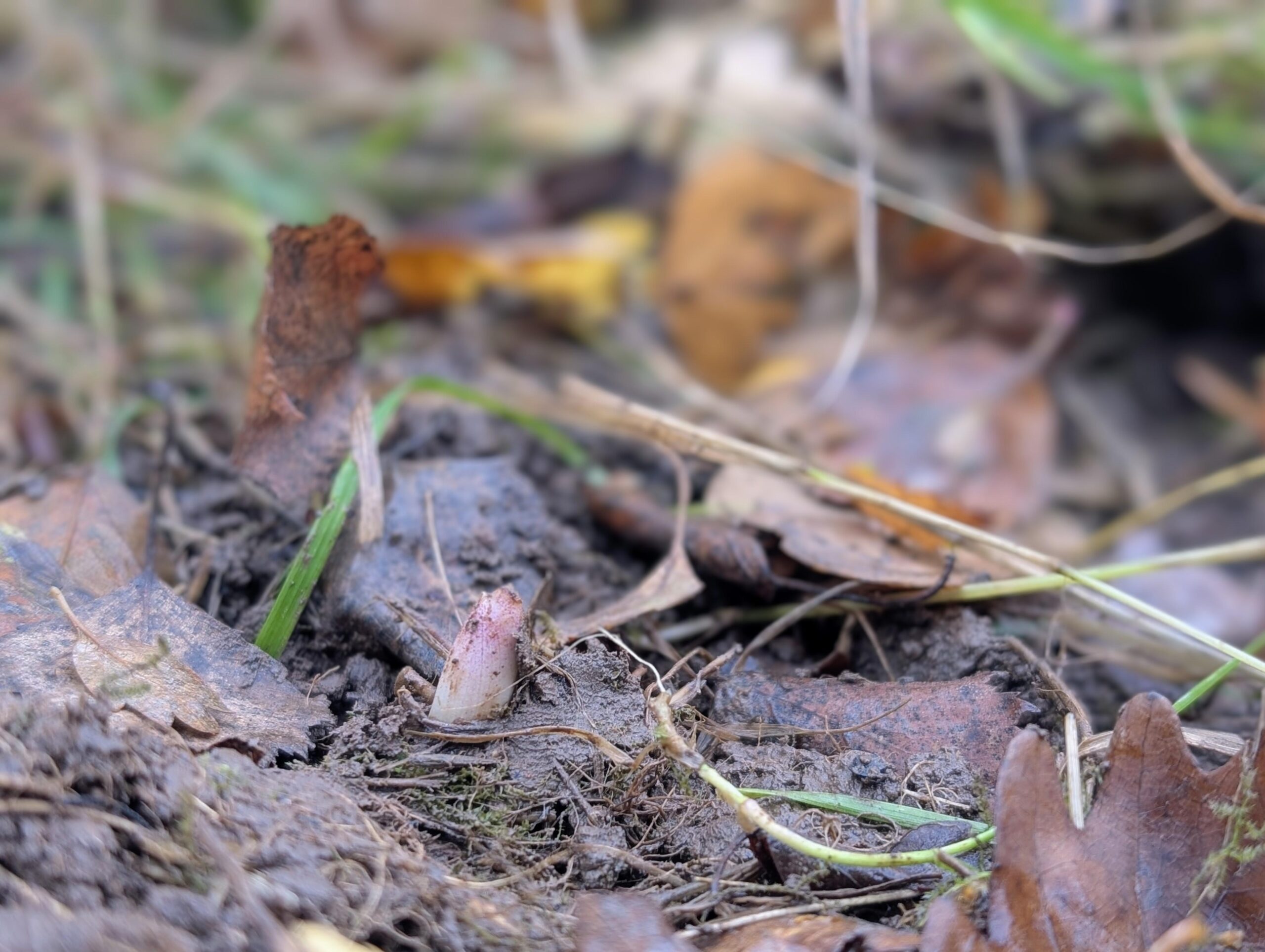
Emerging plant

Working alongside the Friends of Gedling Country Park and a local farmer, the team has been managing scrub across the site. This helps maintain the park’s valuable mosaic of grassland, scattered scrub, woodland, ponds and important areas of sparsely vegetated and bare ground habitat, which is especially important given the sites history as a former colliery.
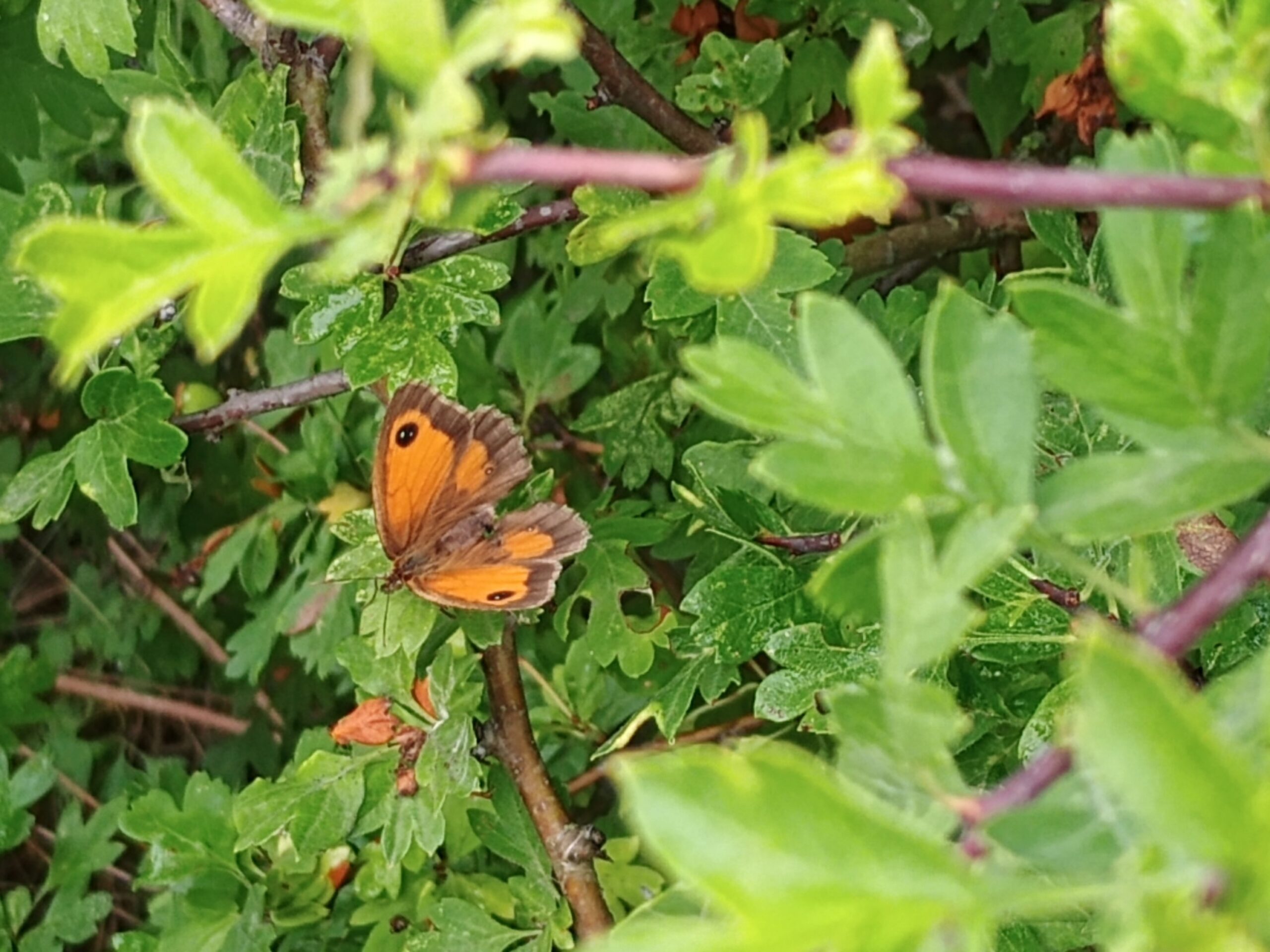
Gatekeeper Butterfly

Gedling Borough Council has also begun an ecological survey programme across its land holdings, starting with Local Nature Reserves.  These surveys will inform updated ecological management plans and identify opportunities for habitat enhancement across the borough.
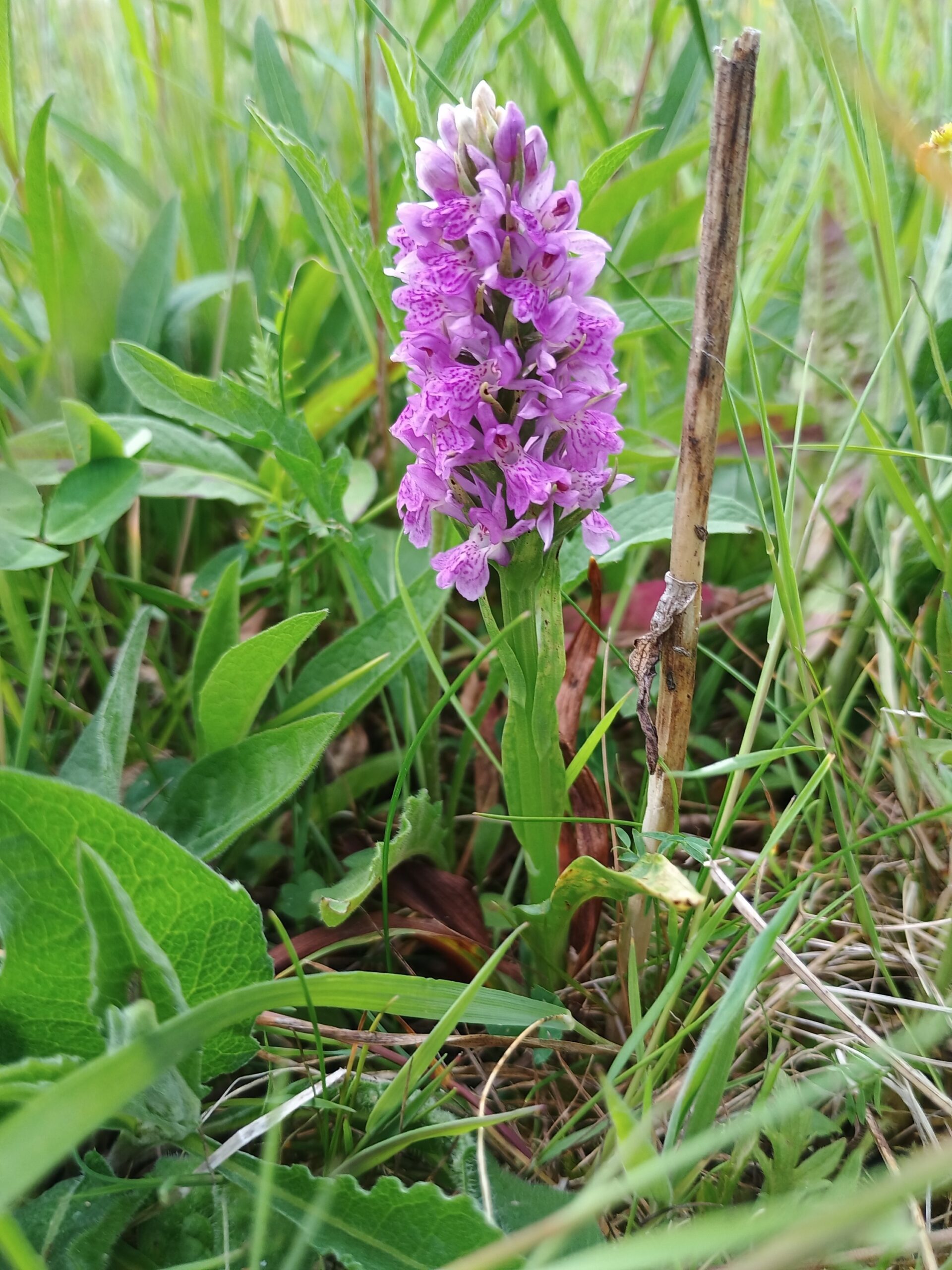
Orchid

These efforts reflect a strong commitment to local biodiversity, community collaboration, and evidence-based habitat management.

[Photo credit: Sarah Spotswood and Rob Hale, Gedling Borough Council]


Spa Ponds Nature Reserve – Many Hands Make Light Work!

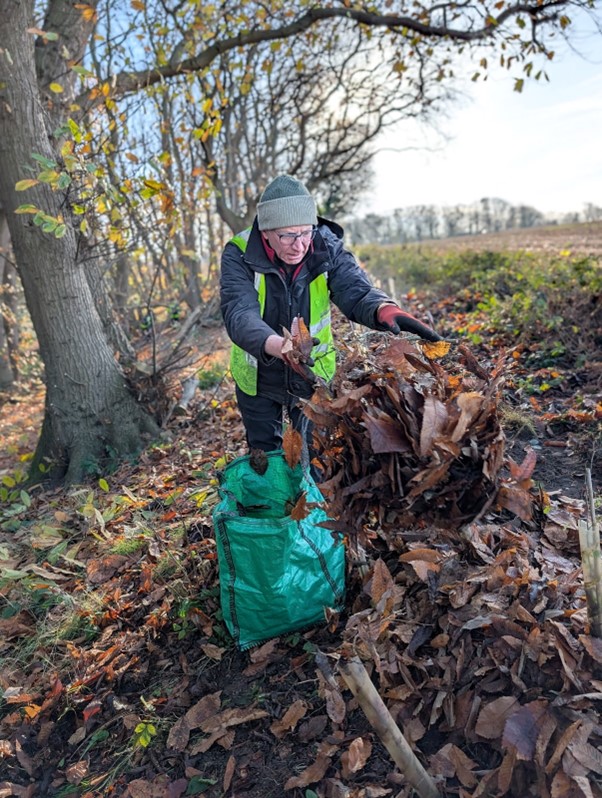
Last year, in November we were blessed, not only by nearly a dozen Forest Town Nature Conservation Group (FTNCG) volunteers, but also by a similar number of other volunteers, including some from Virgin/O2 (many of whom have been several times before), some from the Mansfield Building Society, and some from Reach (a Nottinghamshire-based charity that does much to promote Green Citizenship amongst those with learning disabilities).

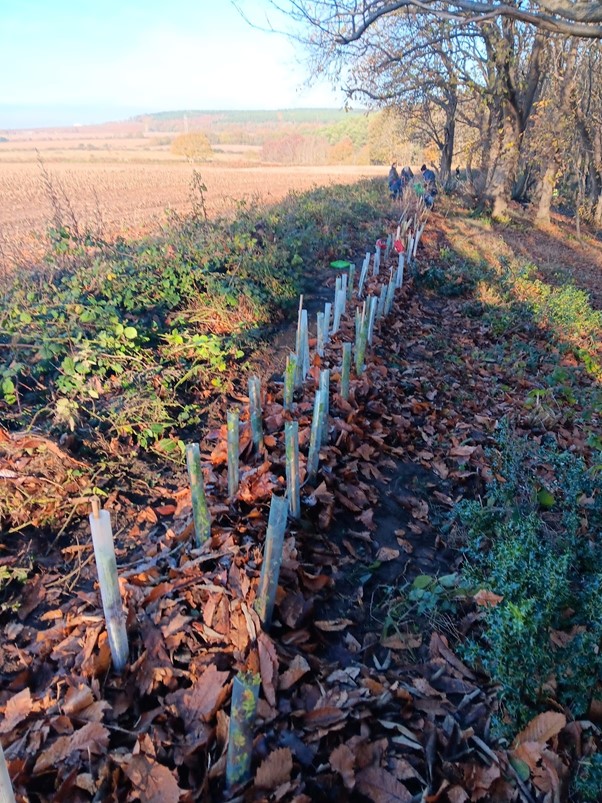
FTNCG volunteers gathering leaves for use as mulch between rows of hedgerow saplings

The Spa Ponds Work Session went to plan, with several different activities – primarily covering two Local Biodiversity Action Plan (LBAP) Habitat Action Plan habitats, namely hedgerows and woodland – alongside other work that benefits stretches of acid grasslands in this semi-urban environment.

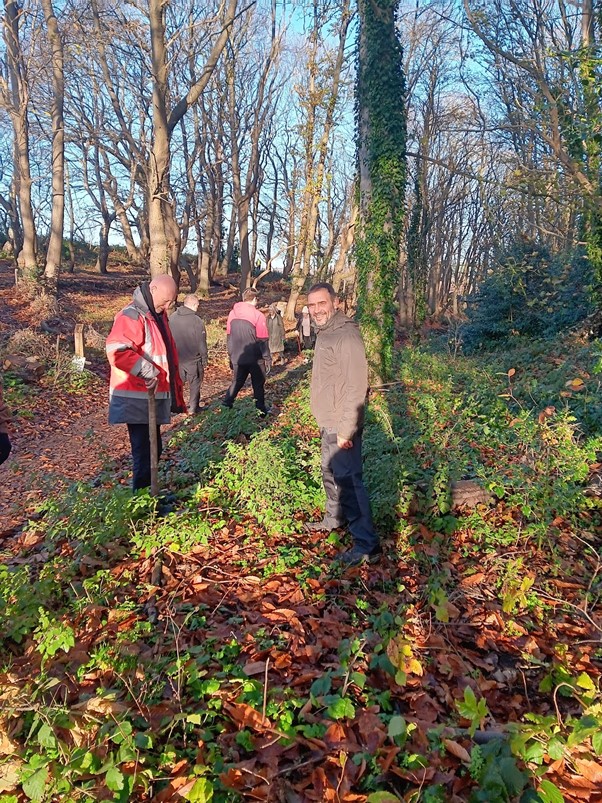
Some of you may recognise Chris – who came to help out on his ‘day off’! Chris helped FTNCG volunteers and volunteers from Virgin/O2 remove some sycamore.

Volunteers from Virgin/O2 spent their time helping to remove sycamore regrowth and saplings that were beginning to take a hold in a central part of the site, whilst other work was carried out to help extend and better connect sections of the pollinator corridor at Spa Ponds.dditionally, some work was carried out to help extend and better connect sections of the pollinator corridor at Spa Ponds.

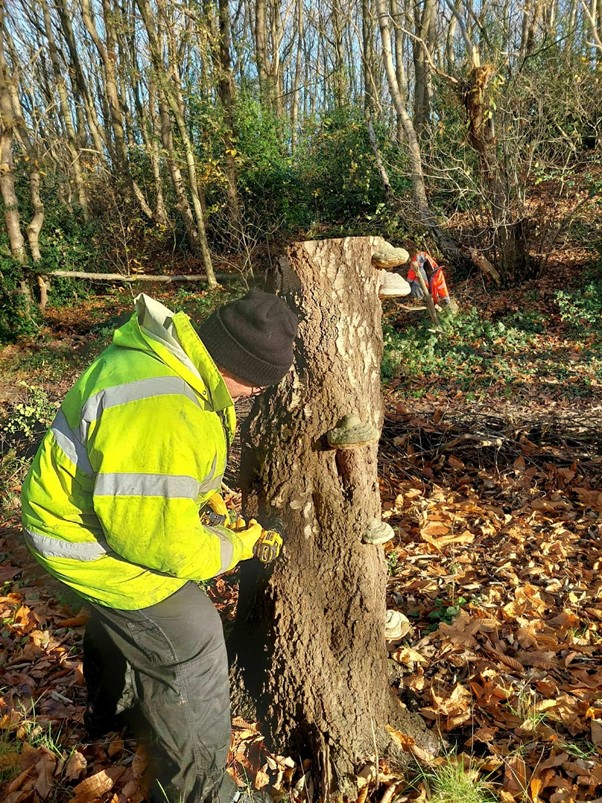
Our Ron drilling holes for bees and spiders

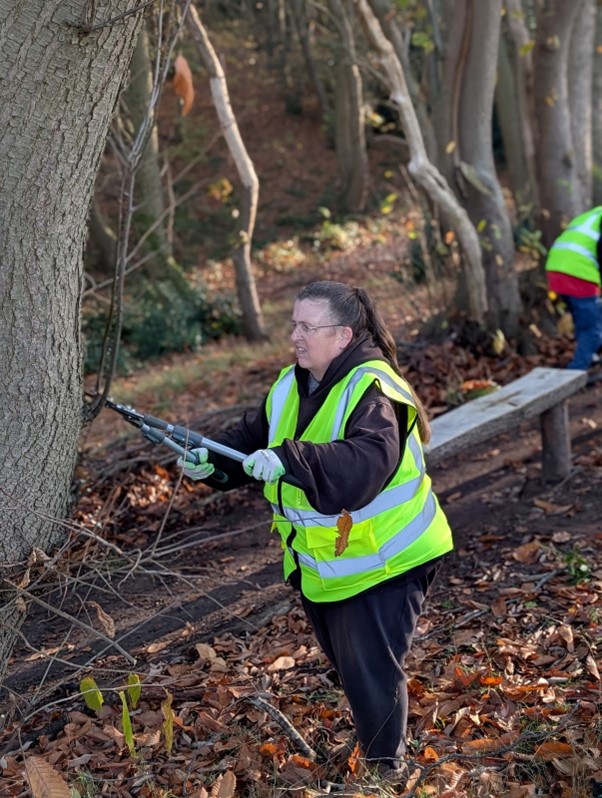
Our Vicky continued the work of removing new growth from the Chestnuts along the Chestnut Walk

Spa Ponds is owned and managed by the Forest Town Nature Conservation Group (FTNCG), which was set up in 2011 with the support of Andy Lowe and the Nottinghamshire Wildlife Trust. You can read more about how FTNCG ended up buying Spa Ponds at: https://www.foresttown.net/index.php/spa-ponds/history-of-spa-ponds/ftncg-and-the-purchase-of-spa-ponds/ and you can learn more about the fascinating history of the site at: https://www.foresttown.net/index.php/spa-ponds/history-of-spa-ponds/

[Photos taken by FTNCG volunteers Helen, Josh, and Shlomo]

Restoring Biodiversity at Freckland Wood: A Day of Conservation

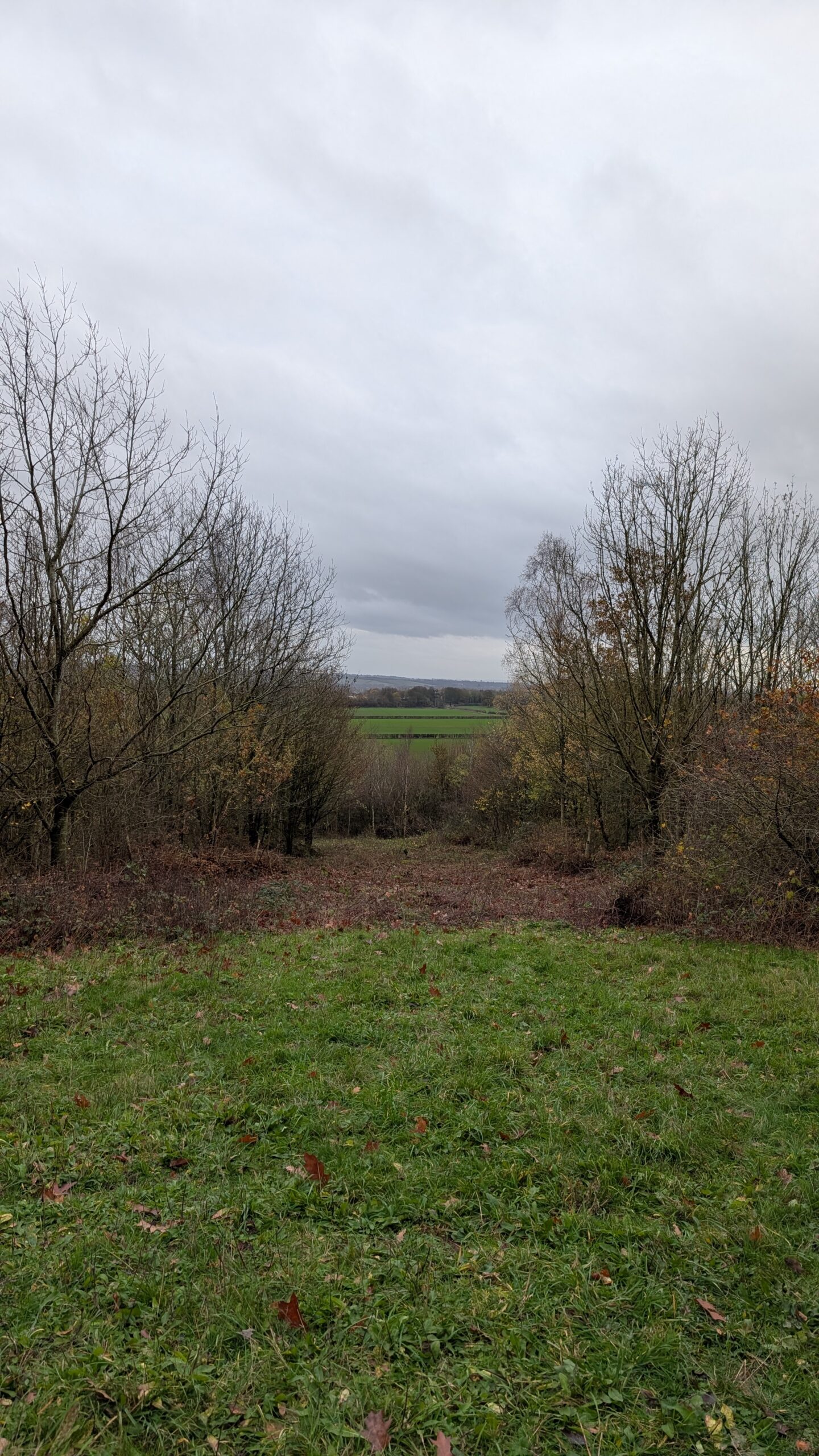
On 11th November, staff from Nottinghamshire County Council visited Freckland Wood (one of the county’s green spaces sites) located on the edge of Newstead village.  A fascinating site that was once a colliery pit tip, this is now a thriving broadleaved woodland.  With its wide grassy rides (paths and tracks) open glades, and a monument at the highest point commemorating the area’s mining heritage, the wood is a great example of how restoration can bring positive changes to areas previously managed for industry.

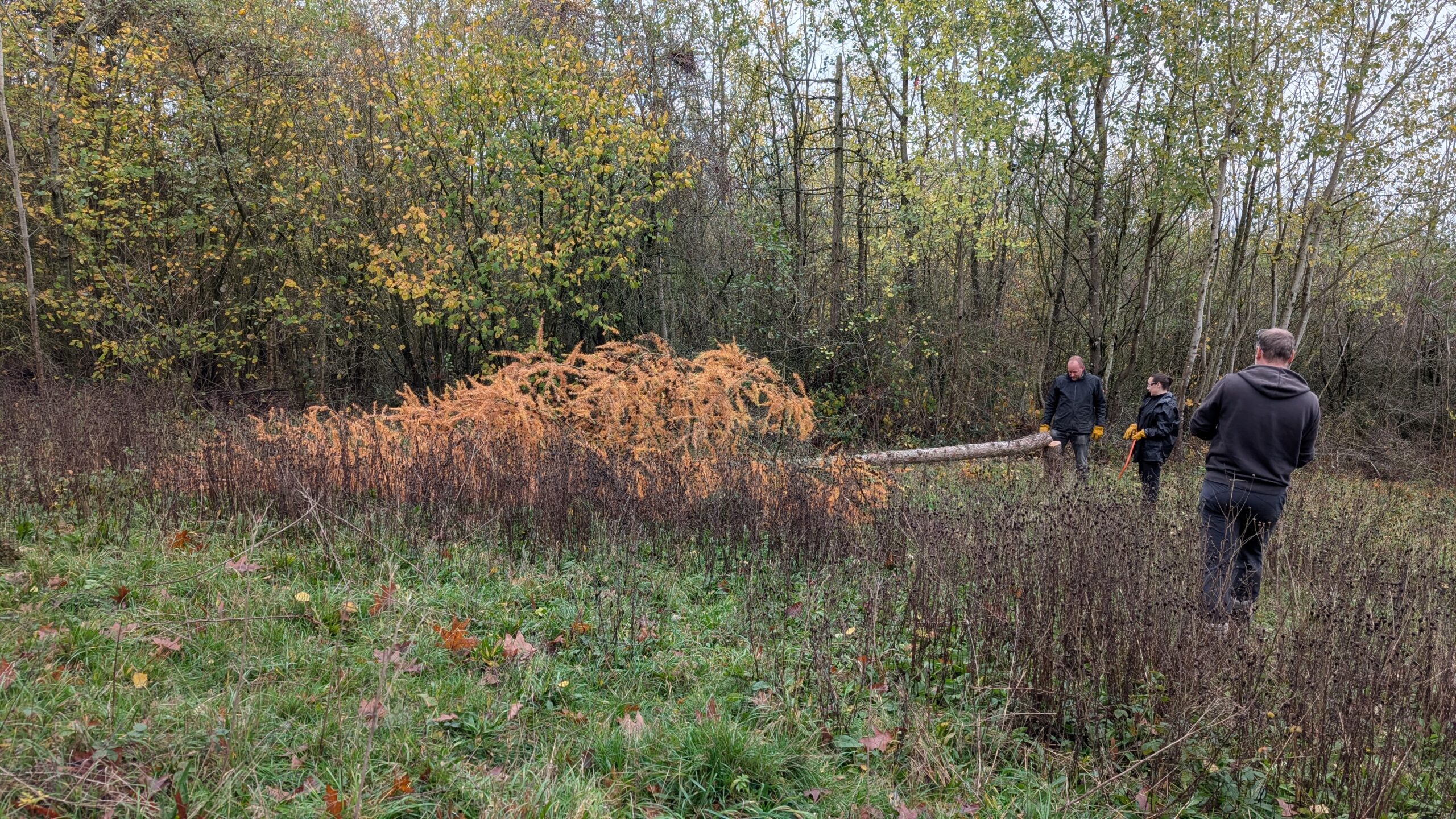
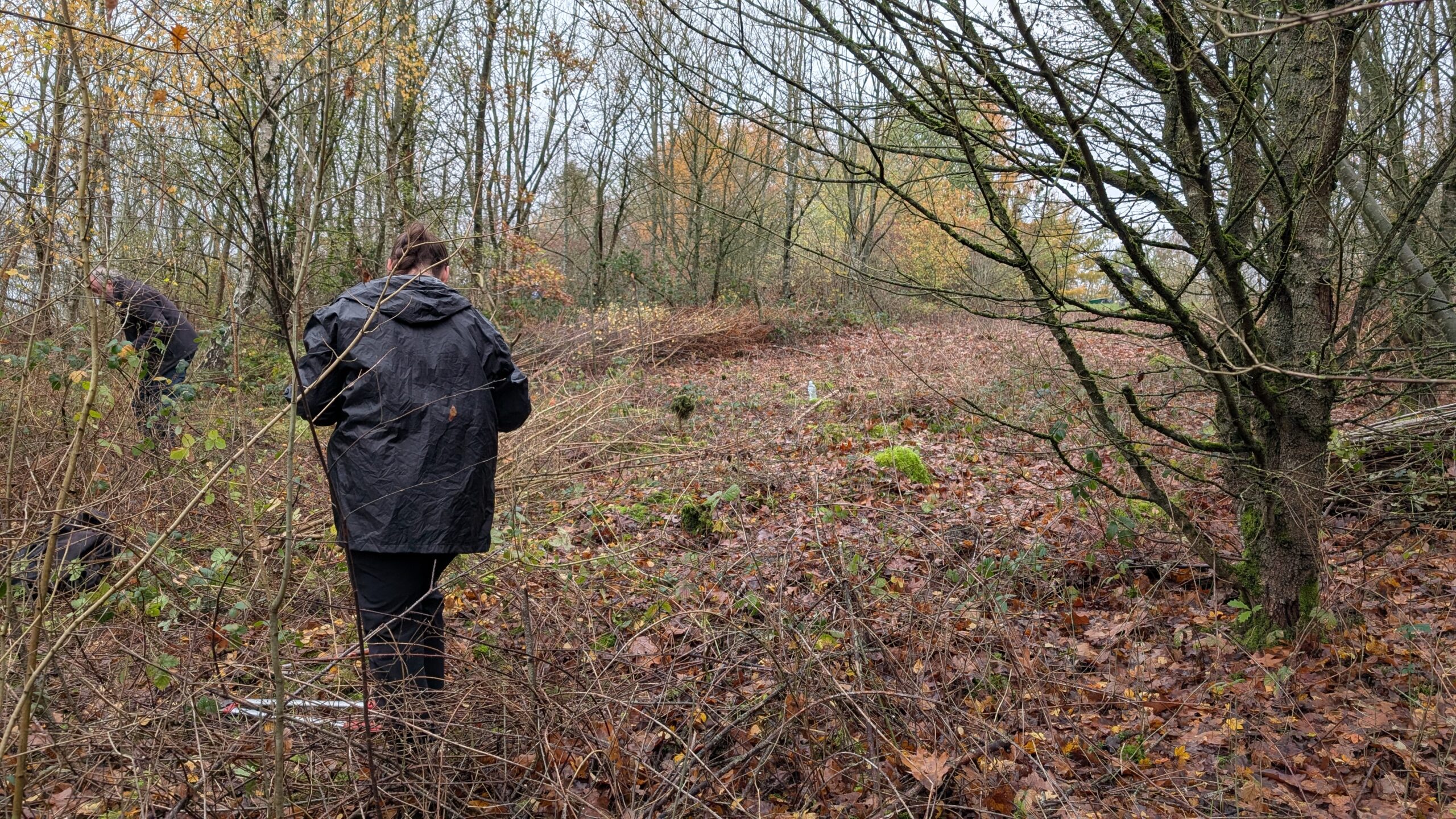
The main task of the day was to clear vegetation along some of the woodland rides, which were overgrown with regenerating scrub and woodland.  By widening these pathways and opening up woodland edges, transitional habitats (ecotones) can be created to support a diverse range of species.

The conifer tree fell safely!

These changes will help boost biodiversity by creating sunny, open areas where wildflowers can flourish, attracting pollinators and other species. Woodland edges are particularly valuable because they offer a mix of shelter and feeding opportunities for wildlife.

Clearing the vegetation along the rides to improve biodiversity

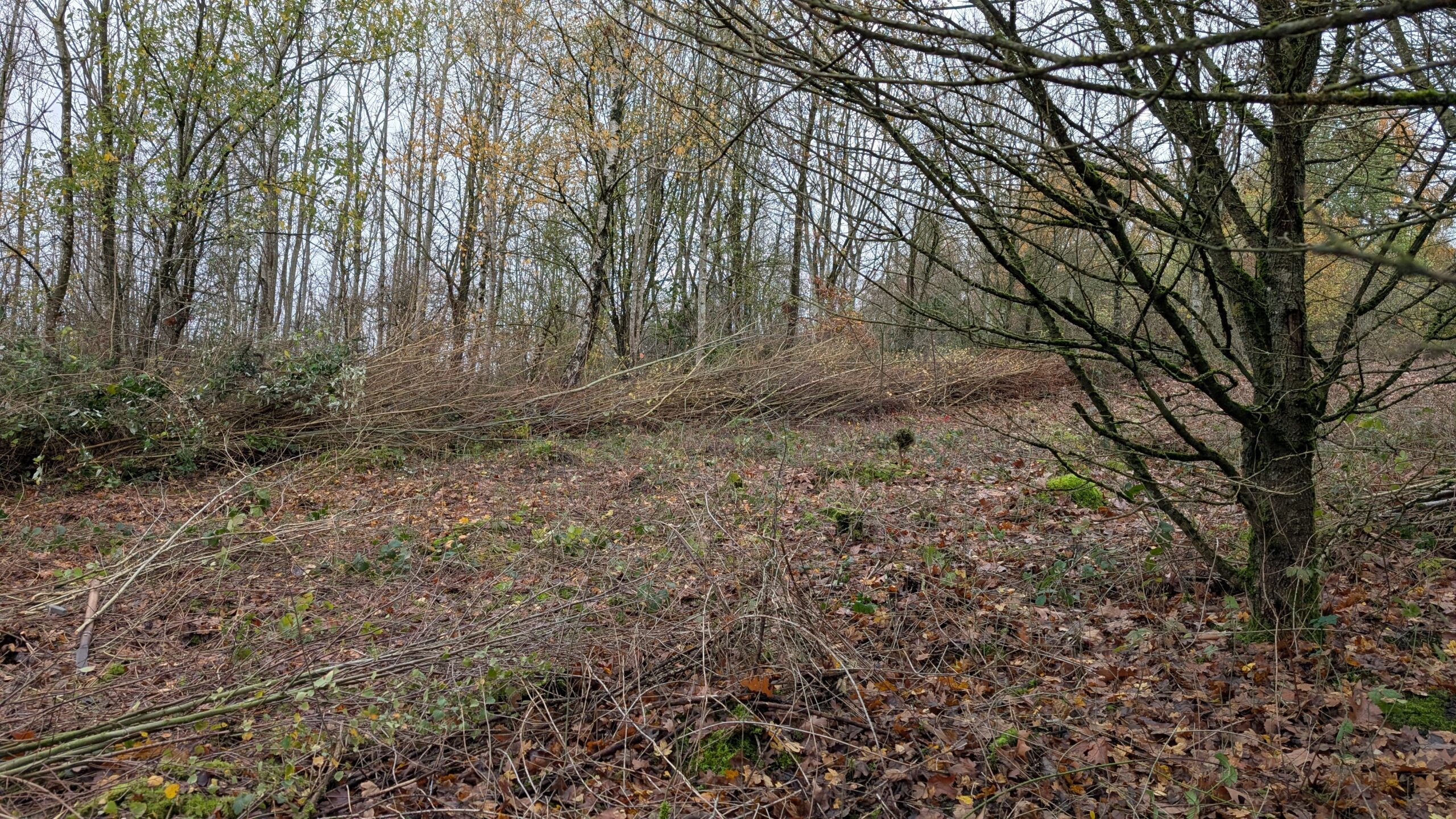
Clearance completed!

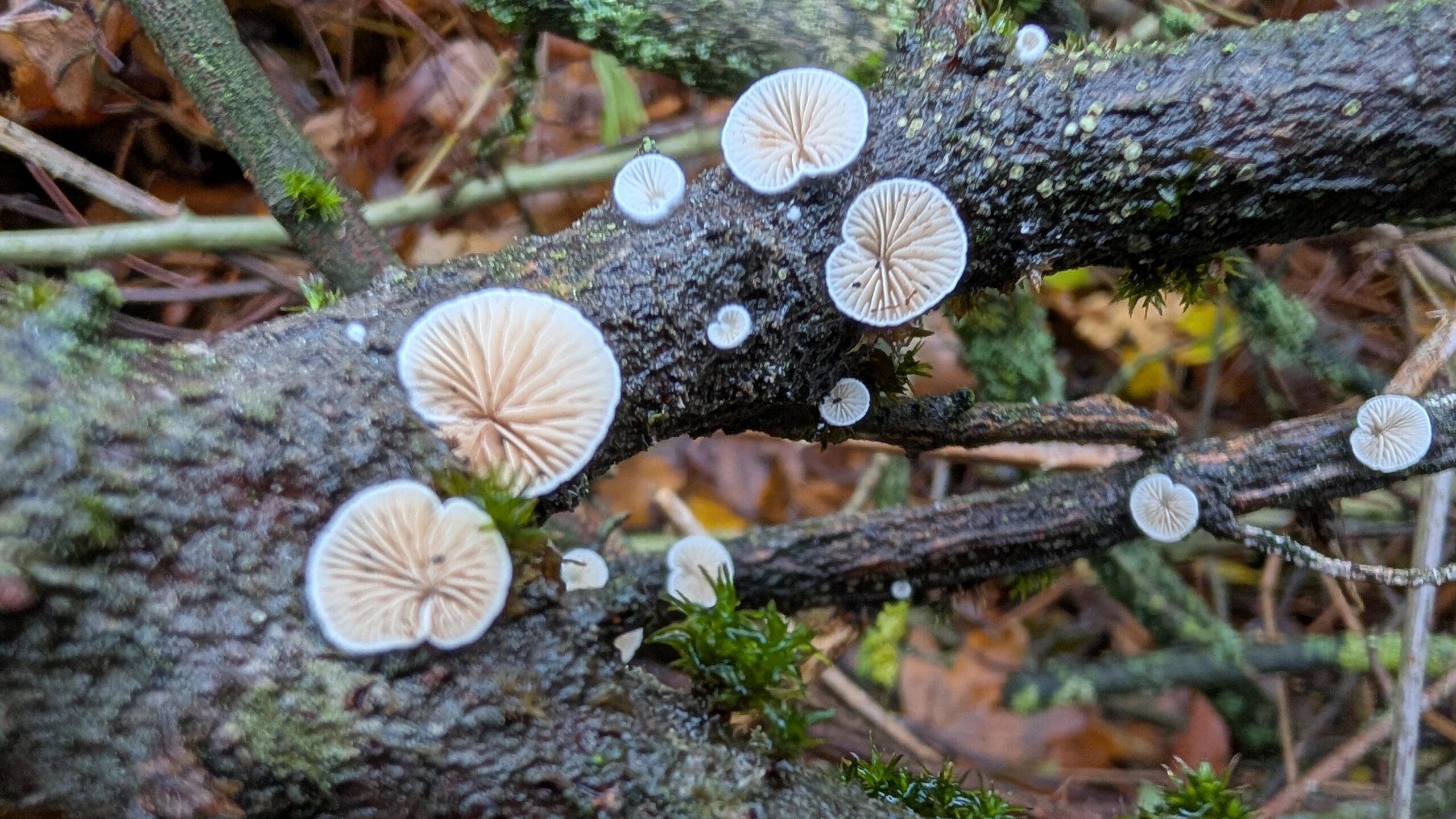
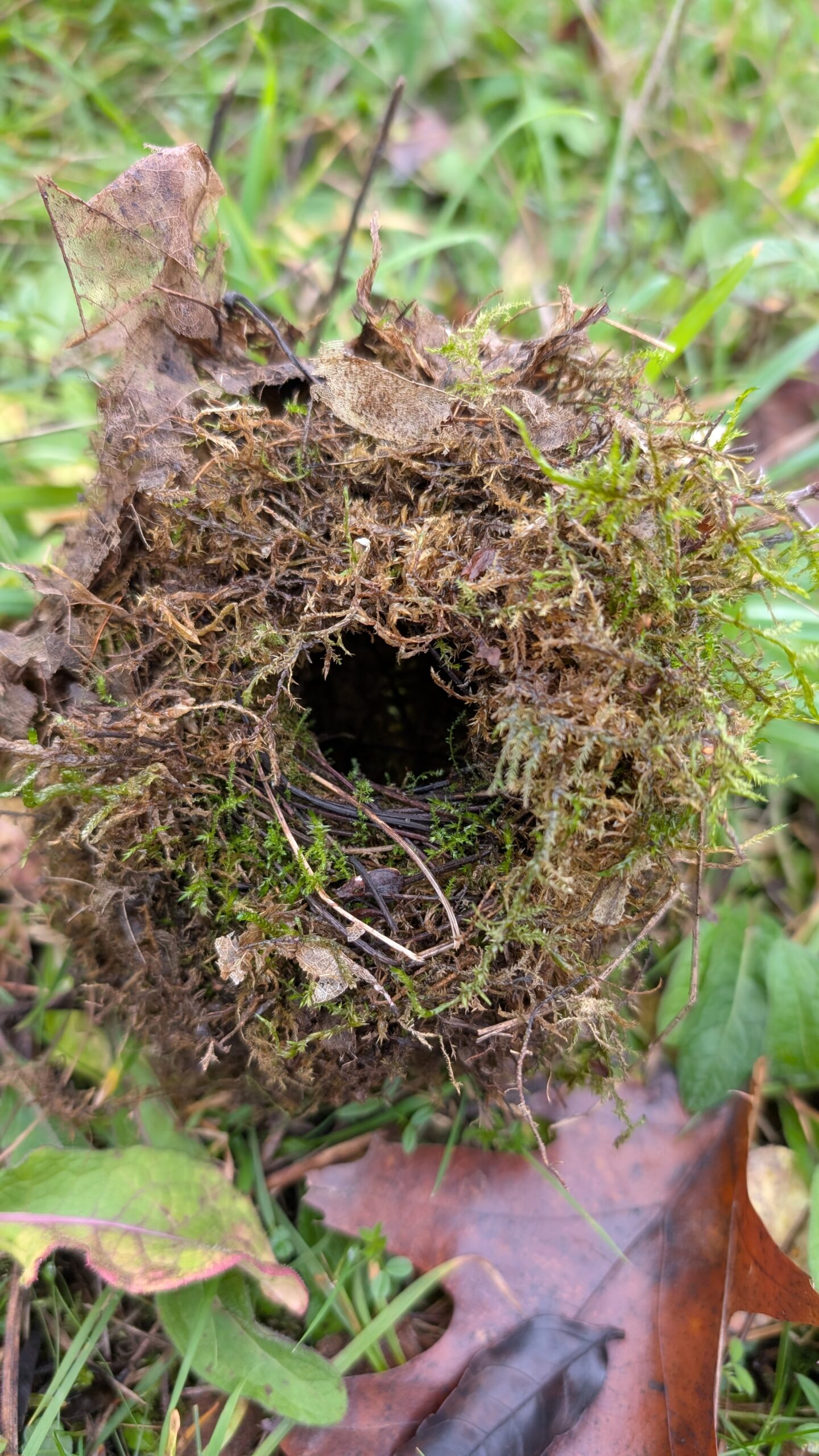
During the day, interesting signs of the site’s biodiversity were encountered; an old wren’s nest was found tucked away in the undergrowth – a lovely reminder of the woodland’s role as a home for birds. Crepidotus fungi were spotted growing on fallen branches, showing the natural cycle of decay and renewal at work.

Crepidotus fungi growing on fallen branches

An abandoned Wren’s nest – notice the little doorstep!

The cleared ride at the end of the day which has created woodland edges which are dynamically biodiverse

By the end of the day, great progress had been made opening up the rides and woodland edges.  It will be interesting to see how these changes encourage more wildlife and plant diversity in the months ahead.

Wildflower Verge Planting and Trees for Climate

Boughton

Newark and Sherwood District Council’s projects reflect a strong commitment to environmental stewardship, biodiversity enhancement, and community engagement!

Blidworth

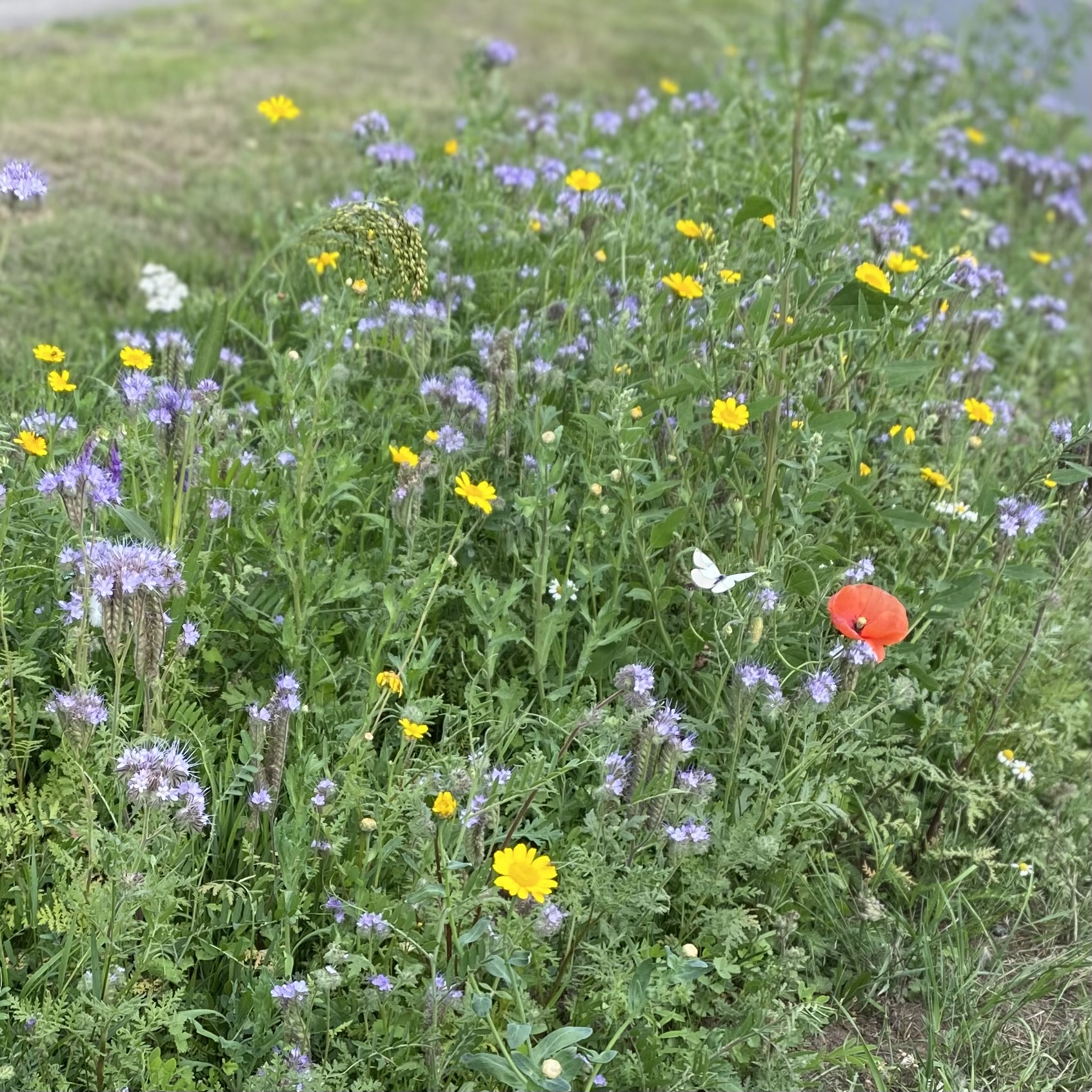
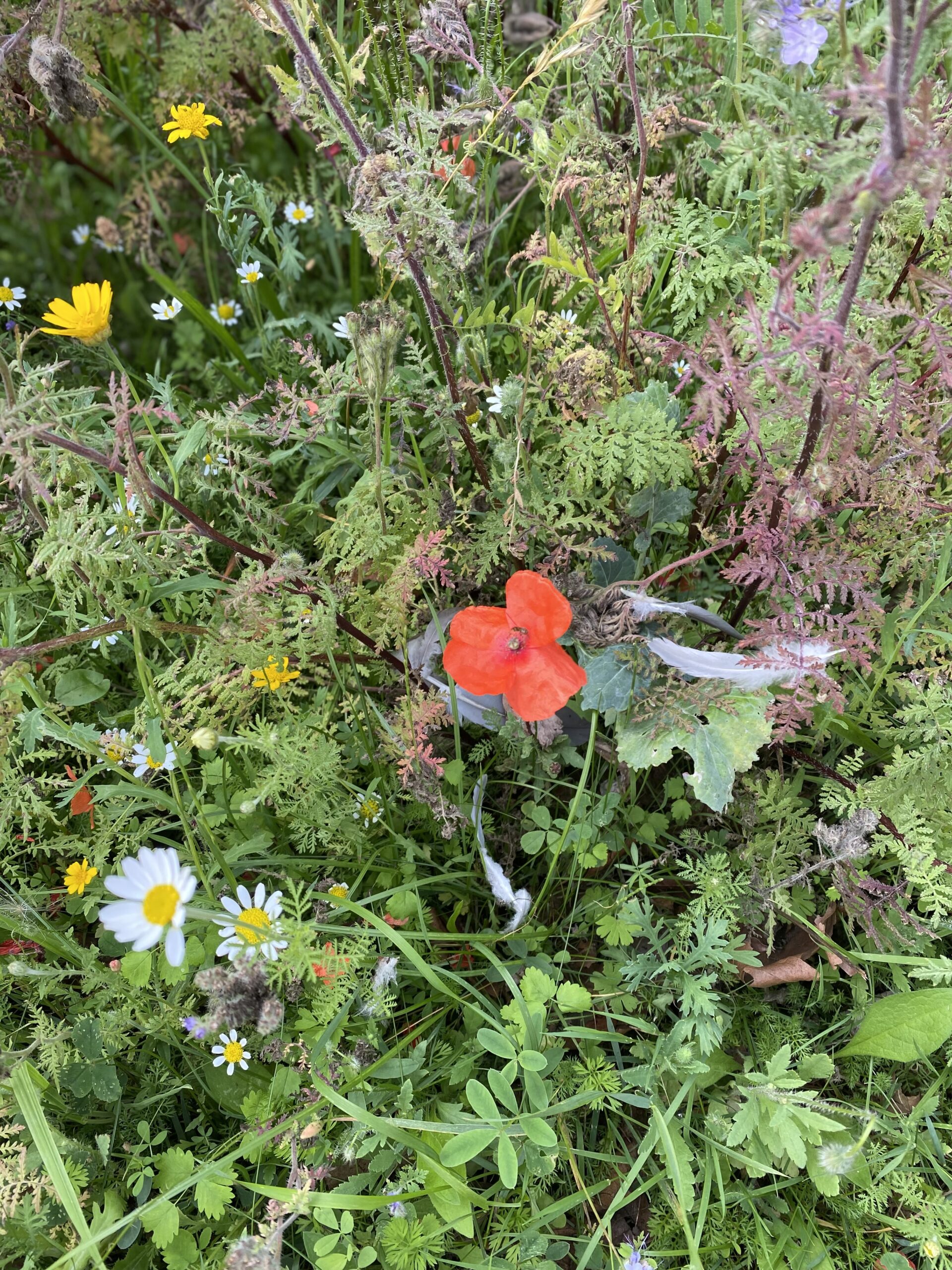
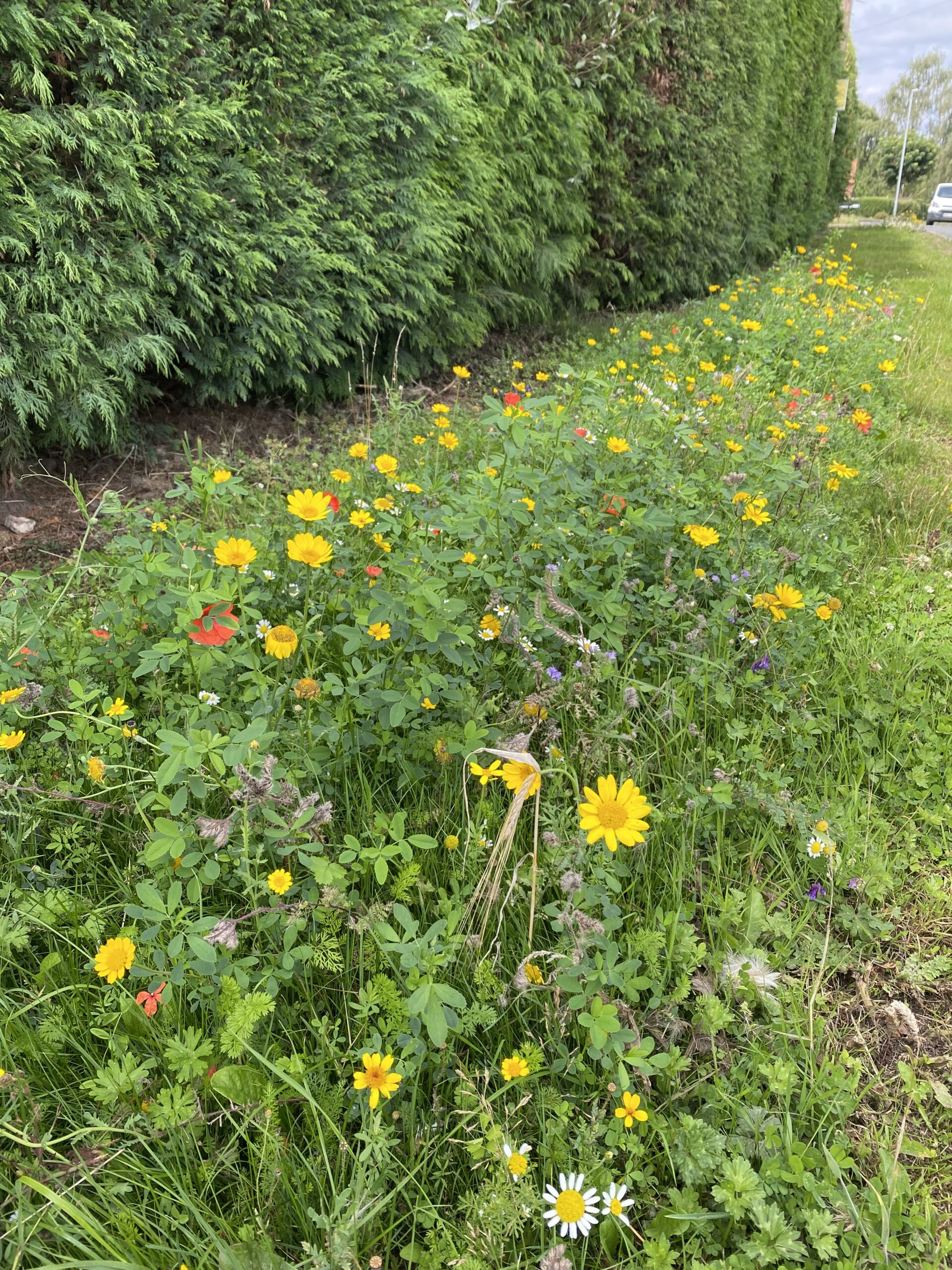
In a bid to boost biodiversity and beautify town entrances, a pilot scheme has replaced grass verges with 100% wildflower mixes in Boughton, Bilsthorpe, and Blidworth.

Bilsthorpe

These sites were buzzing with insect life during a July visit, and the scheme will expand to more locations in spring.

Bilsthorpe

Meanwhile, the council’s Trees for Climate initiative, in partnership with Greenwood Community Forest, continues to support tree planting, hedgerow creation, and woodland development across the district.

Engagement Walks and Volunteer Sessions

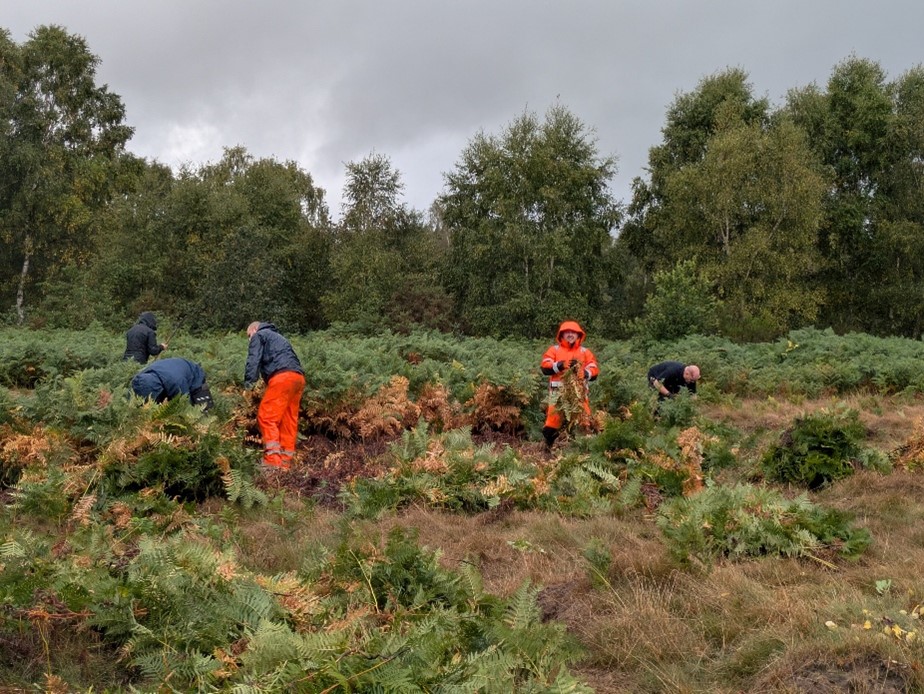
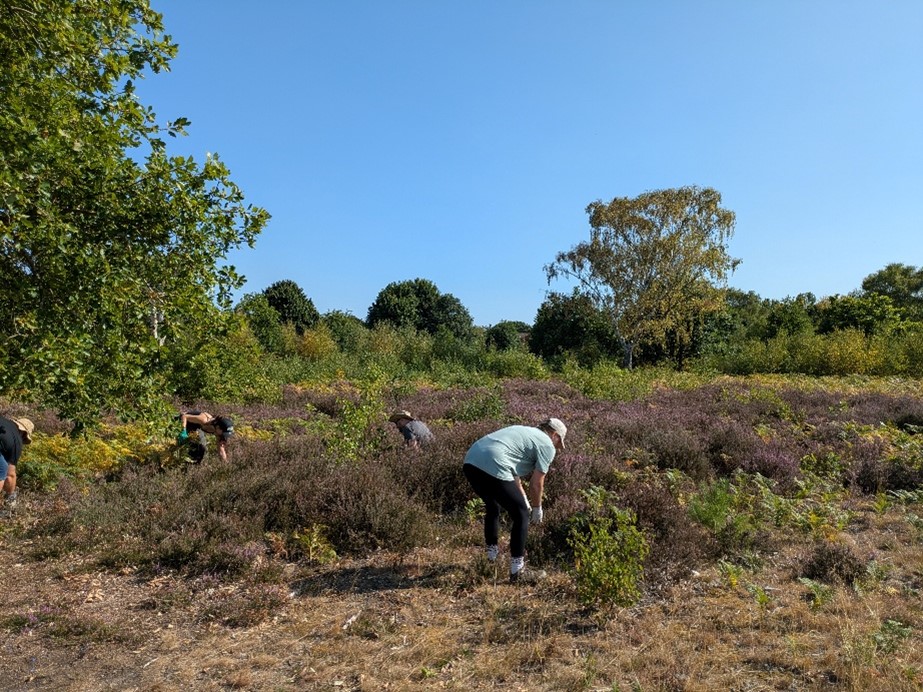
A programme of engagement walks has been launched and is proving popular with the public, helping to raise awareness and appreciation for heathland habitats. Regular volunteer sessions have also resumed at Sherwood Heath and Oak Tree Heath, where community members are helping to manage bracken and scrub encroachment through hands-on conservation.

Volunteers helping to manage the wonderful healthland at Sherwood Heath by pulling bracken

Building on previous restoration work funded by Severn Trent, the Trust is now exploring a standalone project to expand heathland restoration along the Newstead Abbey driveway area. A new funding application is in development to support this next phase.  These efforts are part of a broader mission to revive Sherwood’s unique heathland landscapes, reconnect communities with nature, and preserve the ecological and cultural heritage of the forest.

Volunteers maintaining the healthland at Sherwood Health by managing the scrub

Nature Boosts and Community Action in Newark and Sherwood

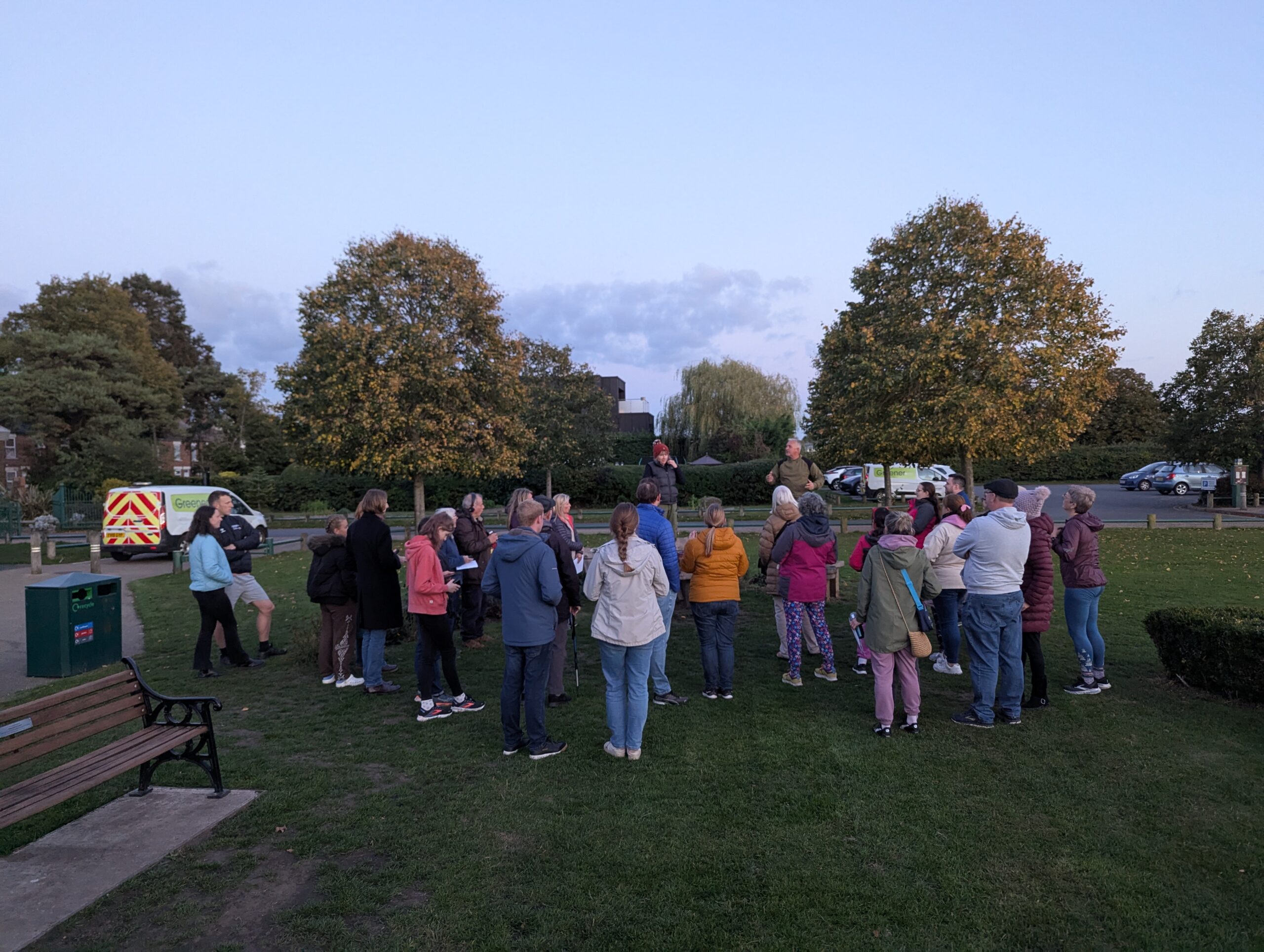
The Park Bat Team 2025

Nature is thriving across Newark and Sherwood thanks to a series of targeted conservation and community efforts by the District Council!  At Sconce and Devon Park, a small wildlife pond in the secure education area was suffering from drought earlier this year.  Thanks to Severn Trent Water, a section has now been excavated below the water table, holding water at a depth of 450mm. Already, the pond is alive with pond skaters, whirligig beetles, damselflies, and thirsty pollinators like bees. The park has also seen a surge in grass snake sightings, especially near the River Devon and the traditional orchard.

Bat Walk at Sconce

Three species were recorded at Sconce and Devon Park during the two bat walks.

  1. Noctule
  2. Common pipistrelle
  3. Soprano pipistrelle

We also hear Tawny Owls and Barn Owls on the night-time walks.

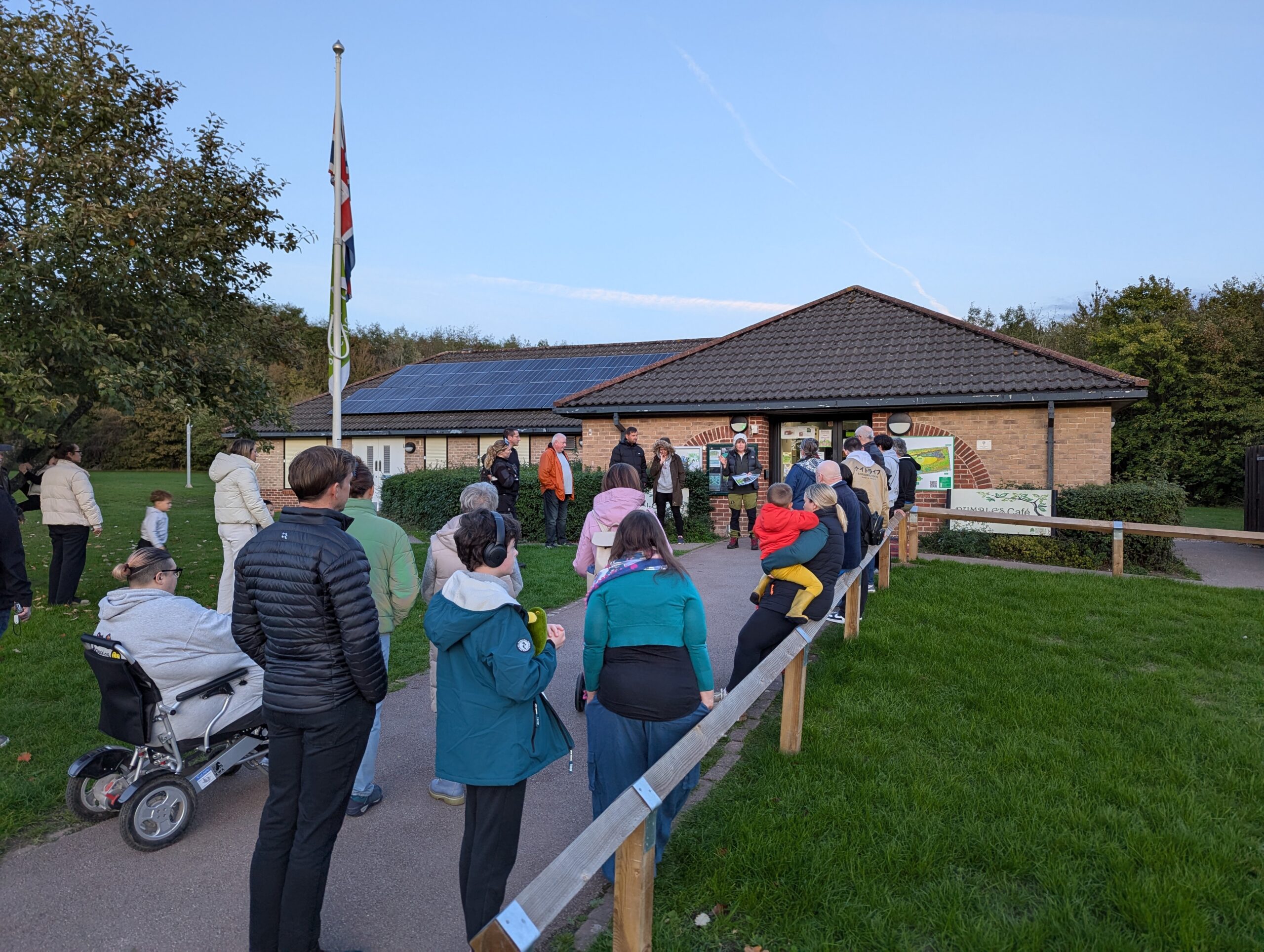
Bat Walk at Vicar Water

Five bat species were recorded at Vicar Water Country Park and this scientific data has been logged with Nottinghamshire Biological and Geographical Records Centre.

  1. Noctule
  2. Common pipistrelle
  3. Soprano pipistrelle
  4. Nathusius’ pipistrelle
  5. Daubenton’s bat

The park has also seen a surge in grass snake sightings, especially near the River Devon and the traditional orchard. To support these reptiles, habitat piles of bark chippings and grass cuttings are being added.   September saw the launch of bat walks at both Sconce and Devon Park and Vicar Water Country Park, in partnership with the Sherwood Forest Trust. These events are helping locals connect with and learn about these fascinating nocturnal creatures.

Urban habitat enhancement and sustainable land management at NTU

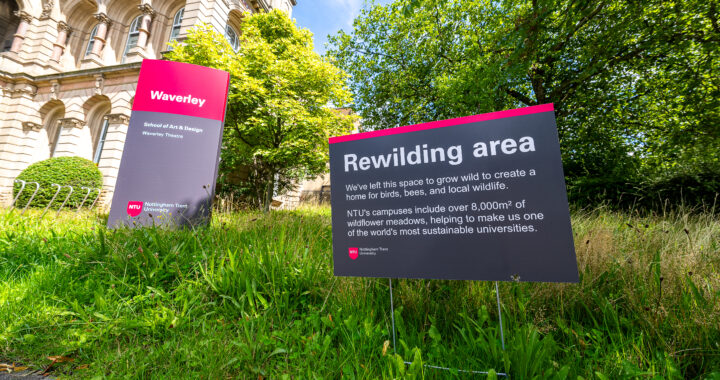
Across Nottingham Trent University campuses, we’re embracing a relaxed management approach to amenity grasslands.  By introducing curved mown edges and clear signage, we’ve improved communication and significantly reduced complaints from staff, students, and the local community.  We are also transforming underused urban grassland areas – such as those around Clifton Campus car park—with wildflower turf.

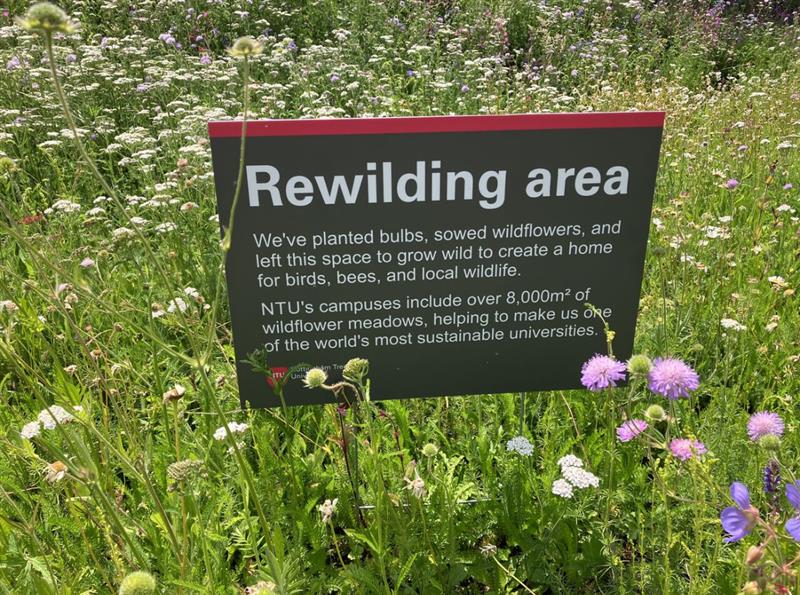
A sign saying "Rewilding Area" details what is planted and why, highlighting sustainable Universities. The sign sits amongst wildflowers which are in full bloom. Very pretty.

Areas of wildflowers have been planted across the campuses of Nottingham Trent University with signs explaining why.

These sites previously required intensive maintenance and offered little ecological value. Now, they’re buzzing with life and require no irrigation once established.  Our contractor, Pictorial Meadows, provides a resilient mix of native and non-native flowering species. This supports climate adaptation, enhances biodiversity, and creates vibrant green spaces in densely urban environments.  These initiatives reflect NTU’s commitment to ecological sustainability, biodiversity enhancement, and community engagement across its campuses.

(Photo Credit: Jemma Maguire, Nottingham Trent University)


Forestry Commission blogs and podcasts on Woodland Life

Over the summer, the Commission has released engaging content covering:

These initiatives reflect the Commission’s commitment to sustainable forest management, public engagement, and biodiversity enhancement across the UK.

(Photo Credit: Thieves Wood, Nottinghamshire County Council)

Nottinghamshire’s dynamic and active bat group – Static detectors, Bat Box Projects and Veteran Tree Monitoring

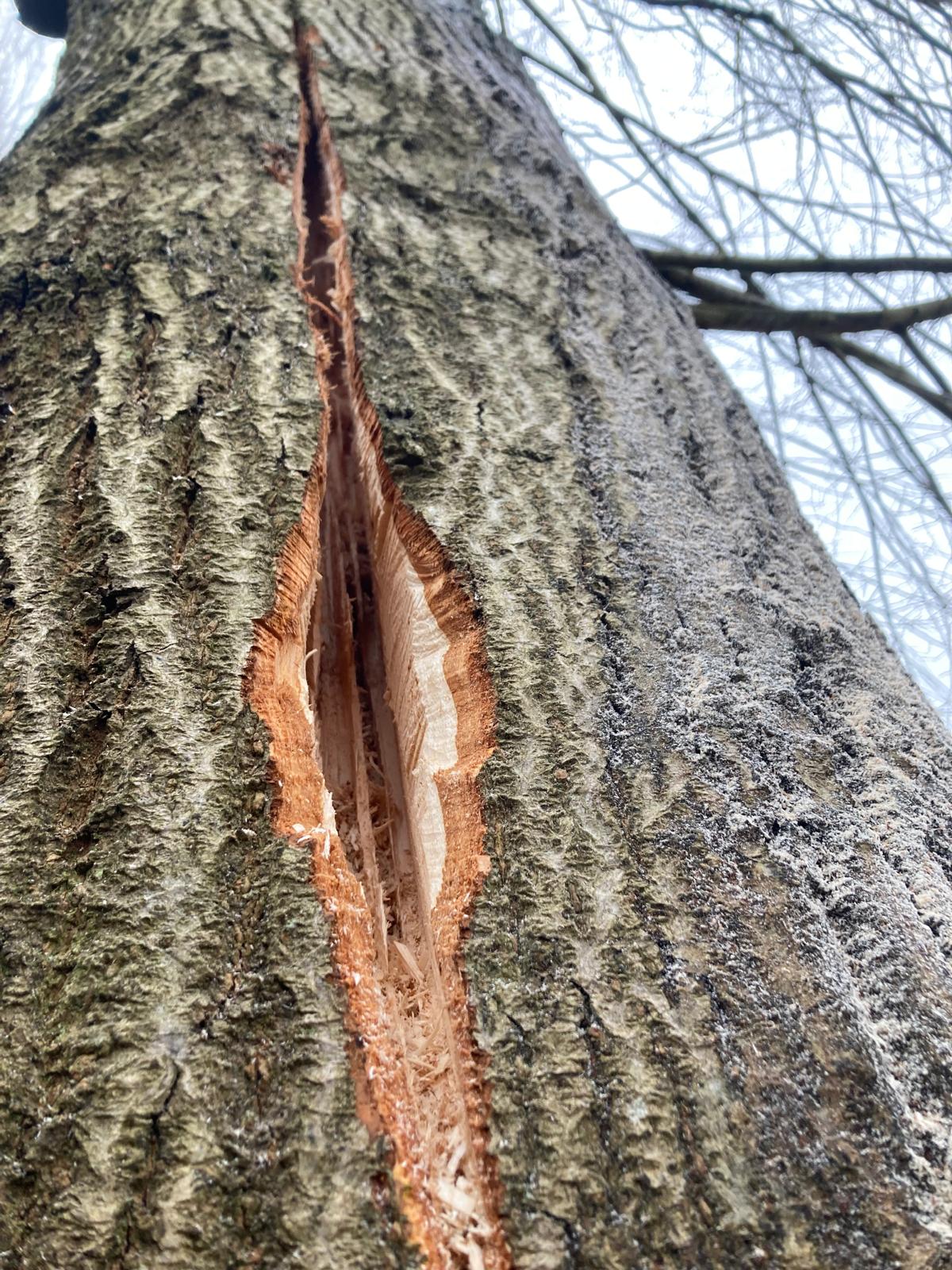
Close up of a living tree trunk with a large segment cut out of it, which is known as tree veteranisation. This is done to provide roosting features for bats.

Tree Veteranisation (Image Credit: John Parker, Nottinghamshire Bat Group)

As autumn sets in, the Nottinghamshire Bat Group is ramping up its monitoring efforts to better understand and support local bat populations across the county.  Static bat detectors have been installed at Ramsdale Golf Course, Newstead Abbey, Bramcote Ridge Nature Reserve, and Stapleford Woods. These devices help track bat activity and species presence over time, providing valuable data for conservation planning.  The group is collaborating with Clumber Park to assess the condition of existing bat boxes and assist with the installation of around 100 new boxes, recently funded to expand roosting opportunities.

There’s also potential for partnership with the Lincolnshire Bat Group to install boxes at Stapleford Woods.  The autumn programme of bat box checks is now underway, including a site owned by one of the group’s members where seven trees were veteranised earlier this year. These modified trees offer natural roosting features and are being monitored for bat use. These efforts reflect a proactive approach to bat conservation, combining technology, habitat enhancement, and collaboration to protect Nottinghamshire’s nocturnal wildlife.

Supporting Biodiversity in Rushcliffe

Tree Planting, Meadow enhancements, and the expansion the Green Mower scheme

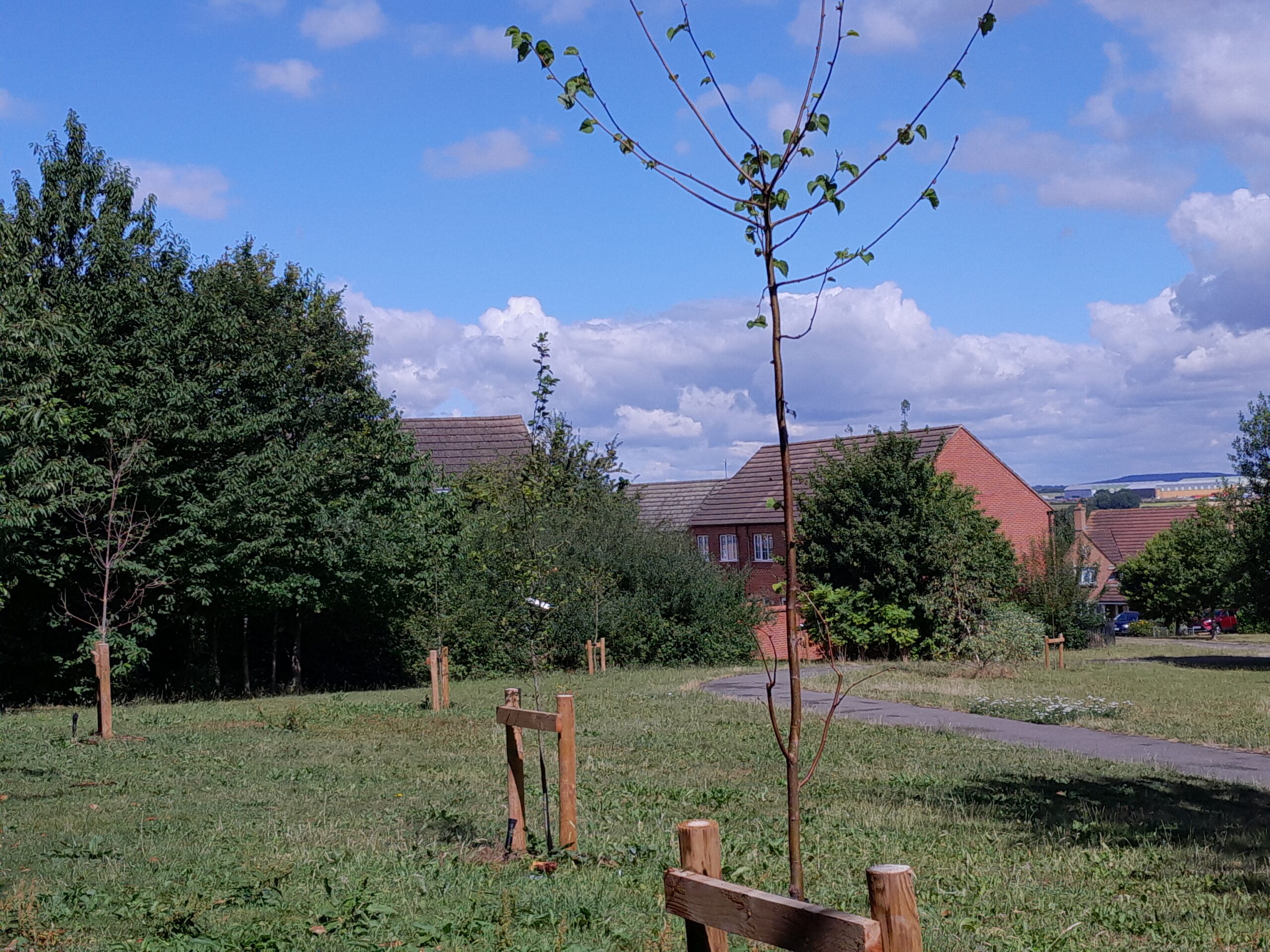
During winter 2024/25, Rushcliffe Borough Council planted 1,042 trees across six sites, in partnership with Nottinghamshire County Council and Greenwood Community Forest through the Trees for Carbon scheme. The scheme included a 0.4 hectare extension to Jubilee Woodland at The Hook, Lady Bay and a 1.04 hectare extension to woodland at Mill Hill, Bingham. Of the trees that were planted during the winter, 590 trees were planted outside woodland areas, contributing to landscape connectivity and carbon capture.

Planting associated with the Trees for Carbon scheme

As part of the Wilder Trent project, a project being delivered by Nottinghamshire Wildlife Trust, further enhancements are planned for The Hook Nature Reserve this autumn. These will include the creation of scrapes to improve habitat diversity.  These areas will be reseeded with appropriate grass and wildflower mixes to support pollinators and native flora.

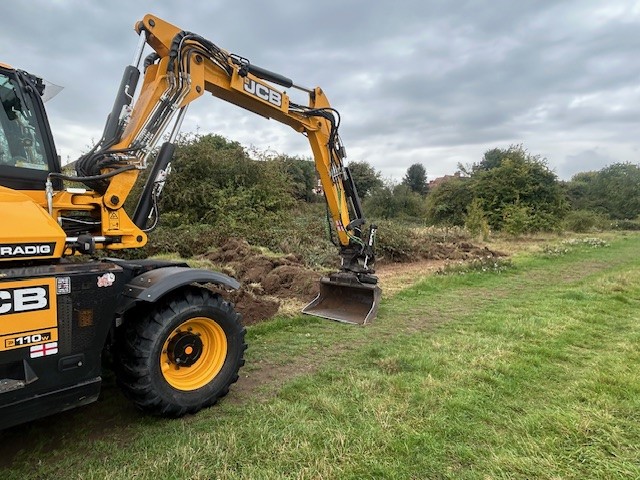
Removal of turf and soil in the process of creating a shallow depression in a grassy area known as a “scrape”

The Council’s green mower operated for 13 days during this autumn – an increase of three days compared to last year, and across 16 sites in the borough. This low-impact mowing approach supports biodiversity by maintaining a variety of sward heights, enabling mowing on sites that are usually difficult to access and by preventing scrub regeneration on important grassland sites.

The ‘Green Mower’ in action, mowing vegetation which is difficult to access on difficult terrain

These initiatives reflect Rushcliffe’s commitment to climate action, habitat restoration, and sustainable land management.