
Our programme of Grizzled Skipper work parties has successfully come to an end. Over the winter months, we’ve carried out habitat works at 9 sites across south Nottinghamshire, working alongside an incredible team of volunteers. In total, we’ve engaged with 51 dedicated individuals, all helping to restore vital habitats for the Grizzled Skipper and other invertebrates.
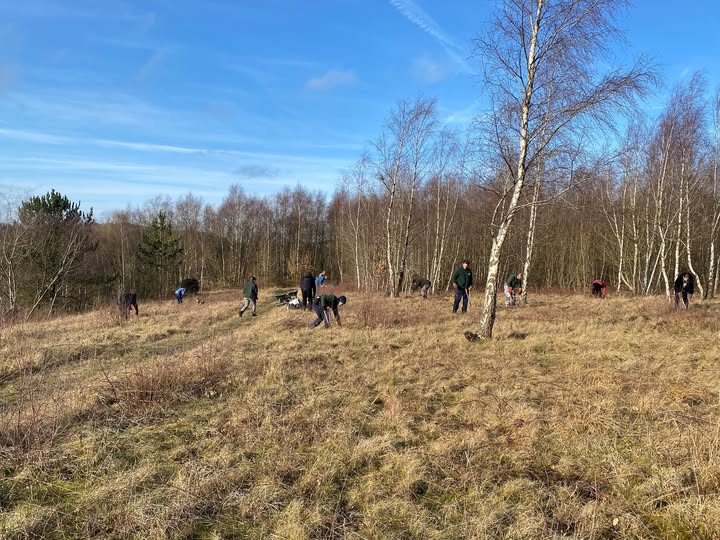
Volunteers working at Newstead and Annesley Country Park
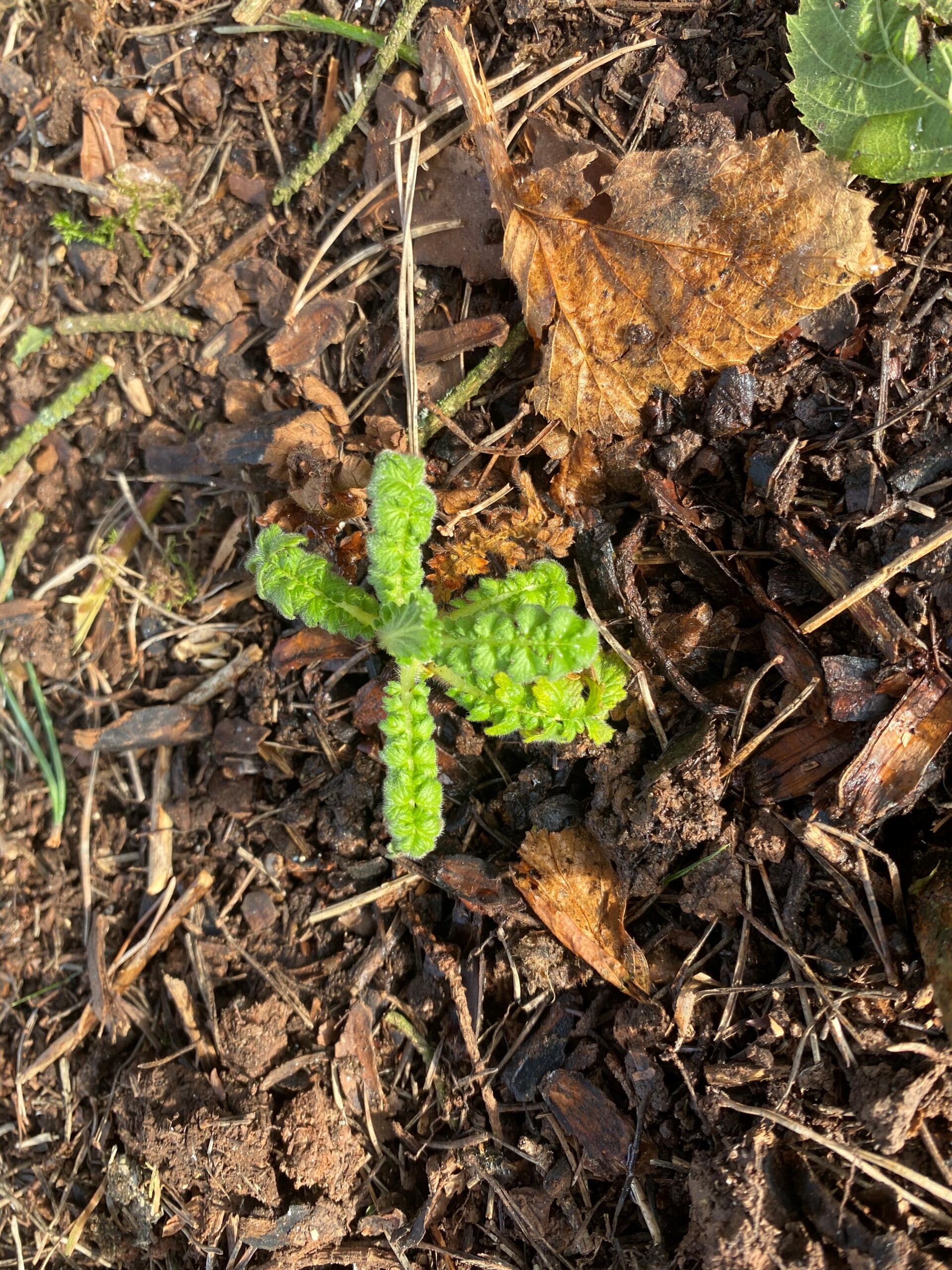
A planted Agrimony at Grange Farm, Normanton-on-the-Wolds
Thanks to this effort, our sites are in the best condition they’ve been in since pre-Covid (2019), and we are hoping this will make a real difference for this threatened species. The volunteers have worked hard clearing scrub like hawthorn and bramble to open up the grassland for the Grizzled Skipper. We have also planted agrimony, one of the three main food plants for the butterfly, and have taken cuttings from the other two food plants to grow on and plant in future years – creeping cinquefoil and wild strawberry. The habitat management we’ve carried out should provide the ideal conditions for the forthcoming Grizzled Skipper flight season (mid-April to mid-June).
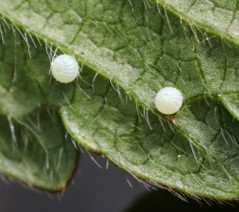
Ova (eggs) on the underside of Creeping Cinquefoil (picture from Mark Searle)
Now, as we approach the recording season for the butterfly, it’ll be fascinating to see what impact our hard work has had. Last year, numbers were at their lowest since 2012 in part due to the wet and cold weather conditions – the wetter winters will undoubtedly have a negative impact on grizzled skipper and other spring butterflies. With better conditions this spring (fingers crossed!), we’re hopeful for a strong bounce back.
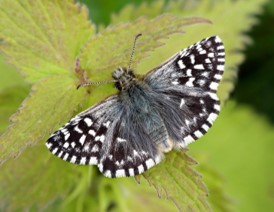
Grizzled Skipper (picture from Mark Searle)
We are always looking for more volunteers so if you are wanting to help out with the habitat management and recording sightings of the butterfly, then please get in touch here.