




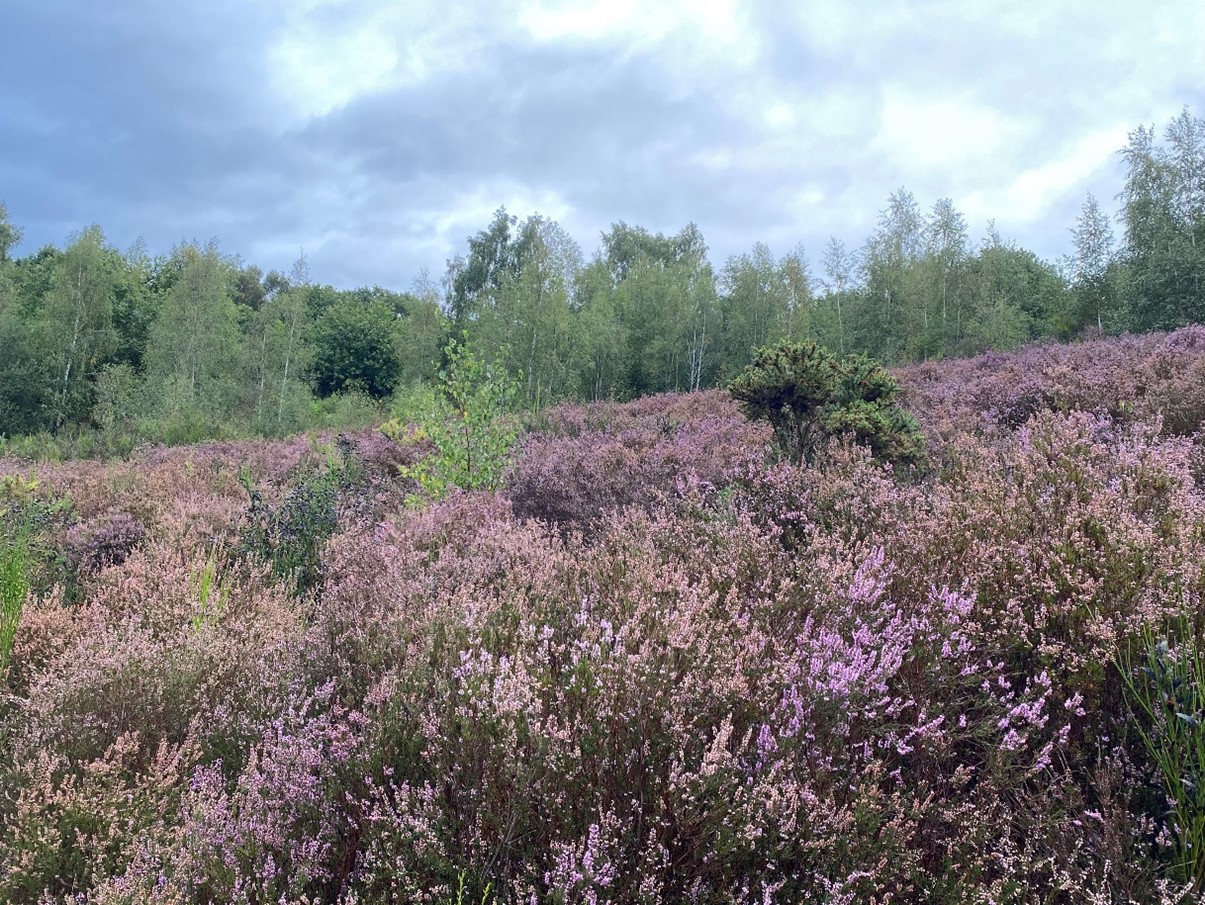


Grizzled Skipper Project

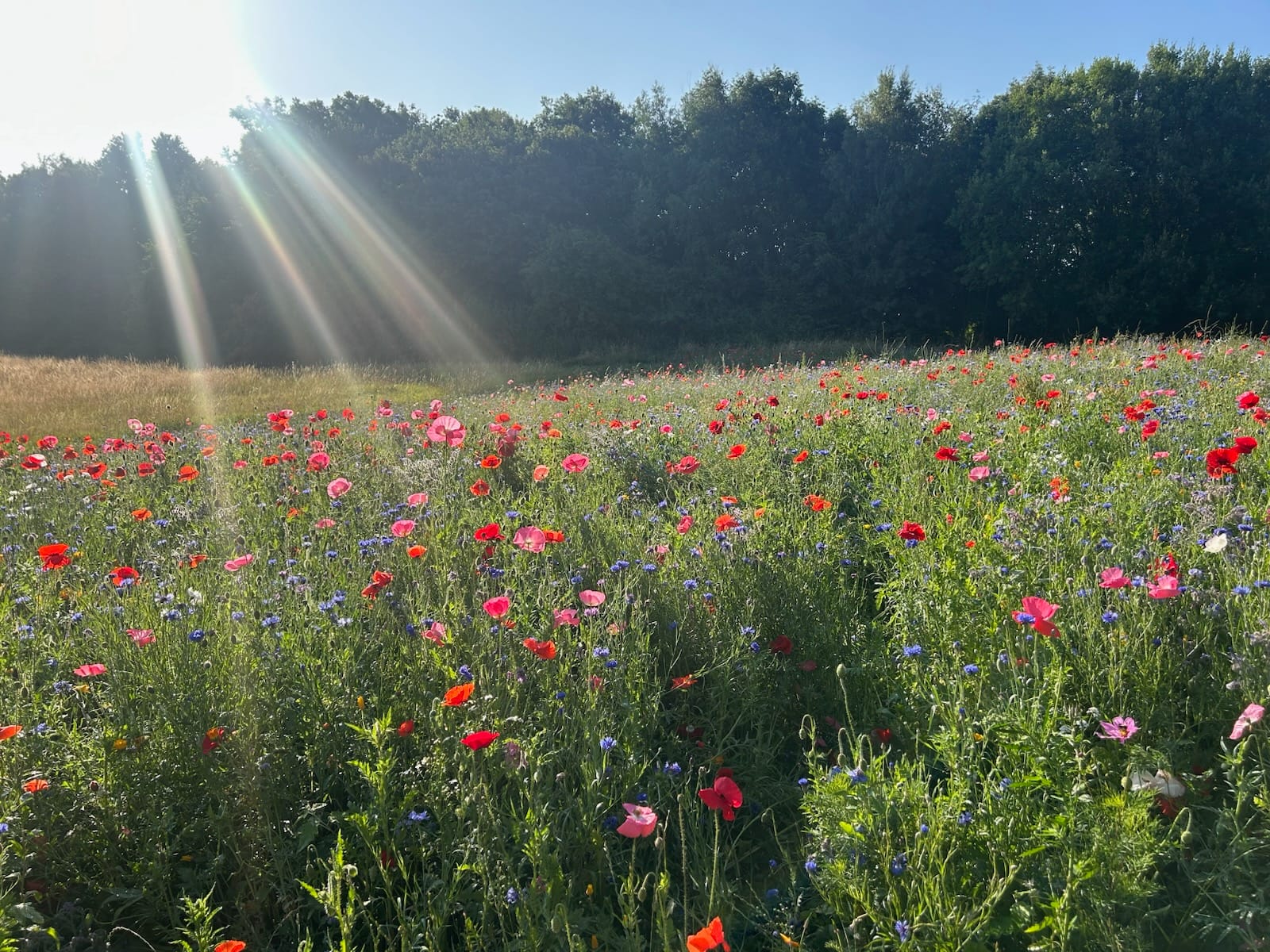
The grizzled skipper is a locally rare butterfly. The project is supported by local volunteers who undertake practical habitat management as well as surveying and monitoring the butterfly during the flight season (April-June)....read more
Nottinghamshire & Nottingham’s LNRS
The Local Nature Recovery Strategy (LNRS) is a strategy to improve the state of nature by identifying priorities for nature recovery, identifying locations and habitats to improve which will have the greatest benefit for the environment, and influence local planning policy for nature recovery... read more
Nottinghamshire Wildlife Trust
 Nottinghamshire Wildlife Trust (NWT) believes that everyone should have the opportunity to live in a healthy, wildlife-rich natural world. Sadly our environment is under threat like never before, and Nottinghamshire Wildlife Trust is committed to working with others to limit and reverse the impacts of the nature and climate emergencies, and to inspire individuals to take action for nature...read more
South Notts Ringing Group – Goldfinch Colour Ringing Project
South Notts Ringing Group have launched a colour ringing project to learn more about goldfinch survival, distribution and movement in the Nottingham area. This is the first project in Europe to use alpha-numeric colour rings on this species, and the success of the project relies on members of the public getting involved.
Each year the group collects data on over 300 goldfinches, but the recovery rate is less than 0.5%. The aim of their project is to understand where those birds go, and how many juveniles survive to become adults. By using colour rings, it allows individual birds to be identified and recovered without the need to catch them twice.
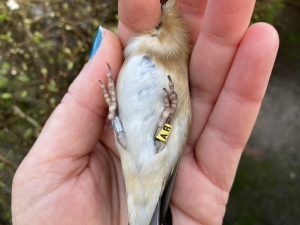 Goldfinch with colour ring.
Image: South Notts Ringing Group
If anyone sees a colour-ringed goldfinch, they should record the two-letter code as well as the date and location of their sighting and email it to: goldfinchresighting@gmail.com. They will receive the history of that bird, including where and when it was ringed, and where else it’s been seen. The rings are yellow with black text.
The colour ringing project is licensed by the British Trust for Ornithology (BTO) and is being conducted at sites in The Meadows and Sneinton. Birds are most likely to be recited within 10km of these sites, particularly in gardens where people are putting out food for birds.
South Notts Ringing Group has been run by volunteers since 1971 with the aim to collect and interpret data on bird’s distribution, migration, abundance, and climate related impacts. Bird ringing is a highly skilled activity and volunteers are trained to catch and handle birds so as not to harm them. The group is already involved in several long-term projects such as a constant-effort site at Attenborough Nature Reserve, 300+ owl and kestrel nest boxes, and colour-ringing peregrine, grey heron, cormorant, house sparrow, and little egret.