




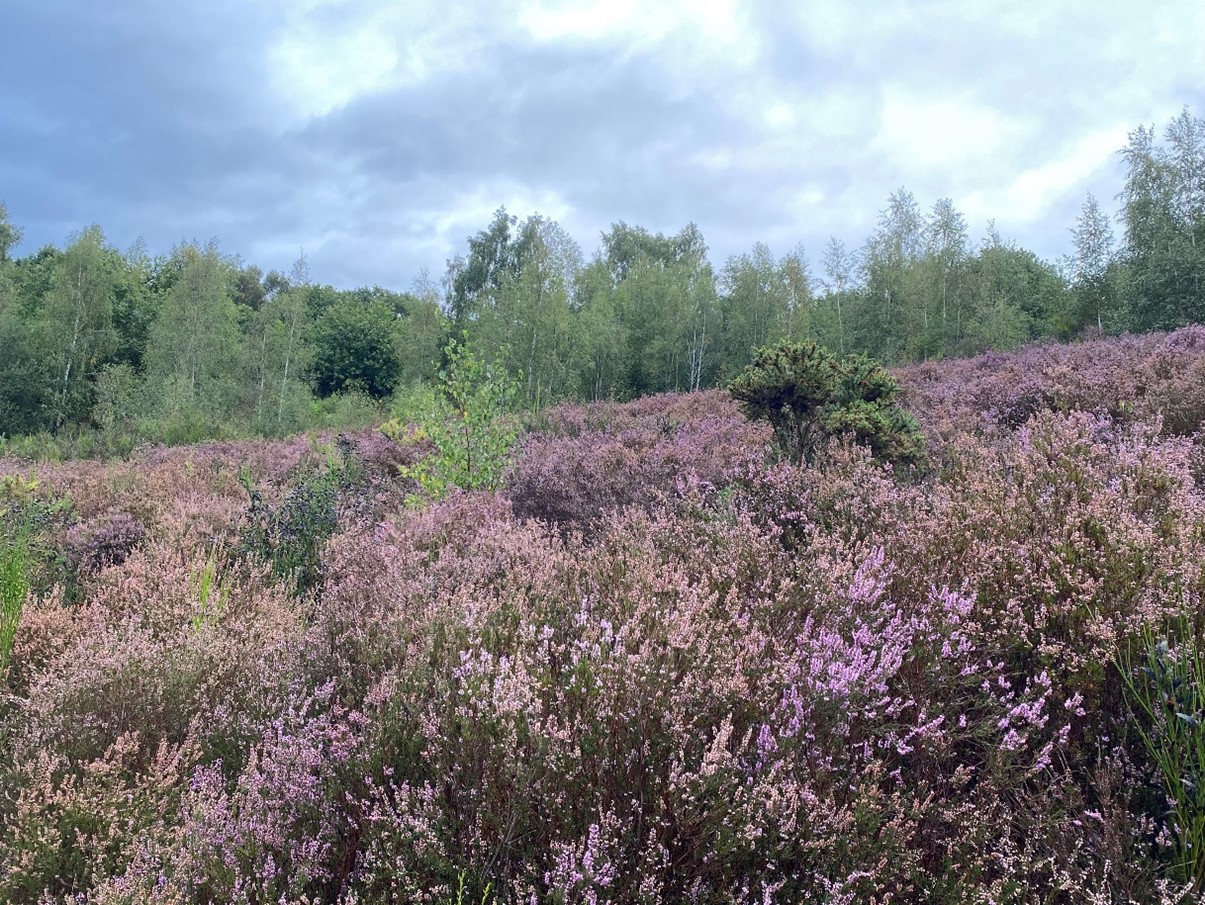


Grizzled Skipper Project

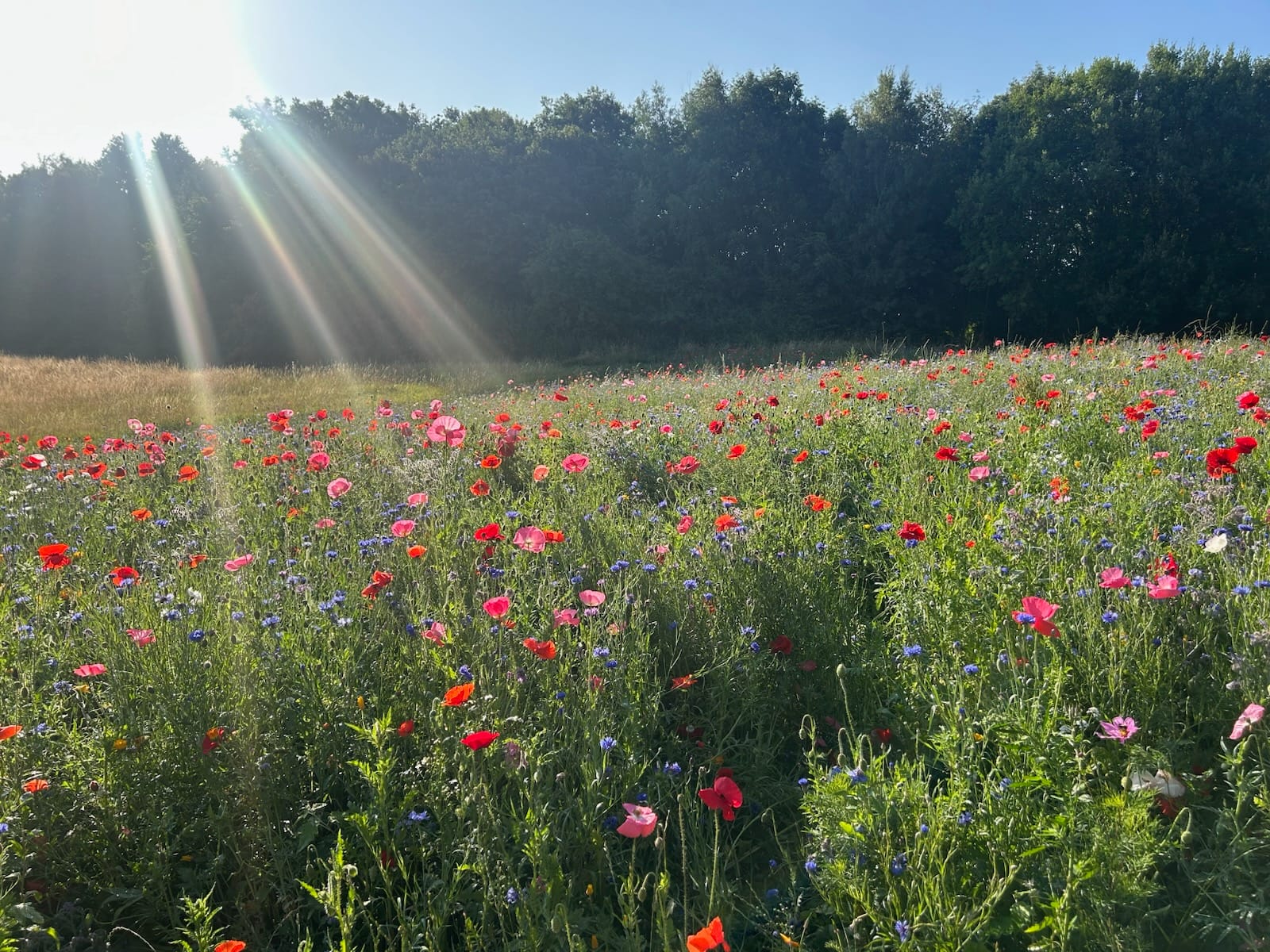
The grizzled skipper is a locally rare butterfly. The project is supported by local volunteers who undertake practical habitat management as well as surveying and monitoring the butterfly during the flight season (April-June)....read more
Nottinghamshire & Nottingham’s LNRS
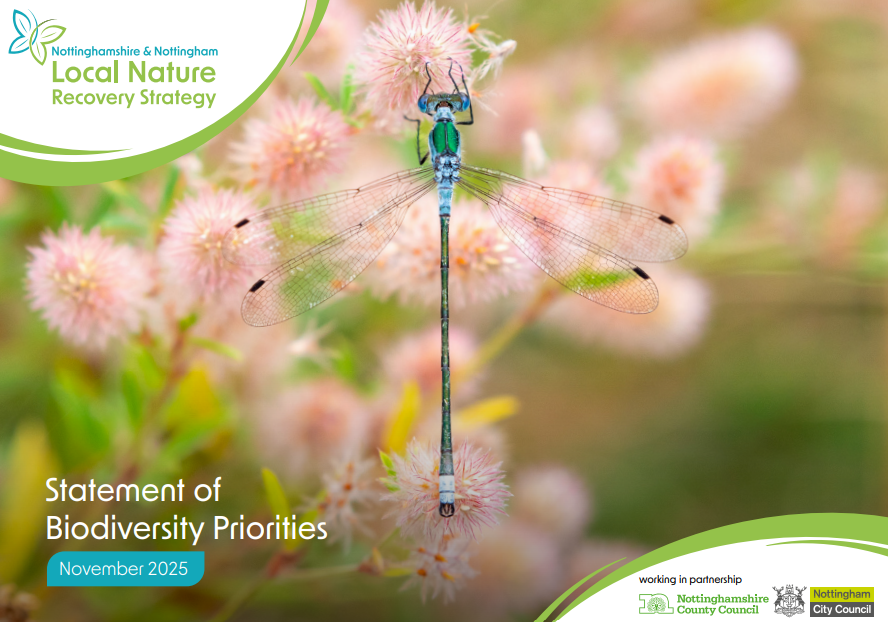
The Local Nature Recovery Strategy (LNRS) is a strategy to improve the state of nature by identifying priorities for nature recovery, identifying locations and habitats to improve which will have the greatest benefit for the environment, and influence local planning policy for nature recovery... read more
Nottinghamshire Wildlife Trust
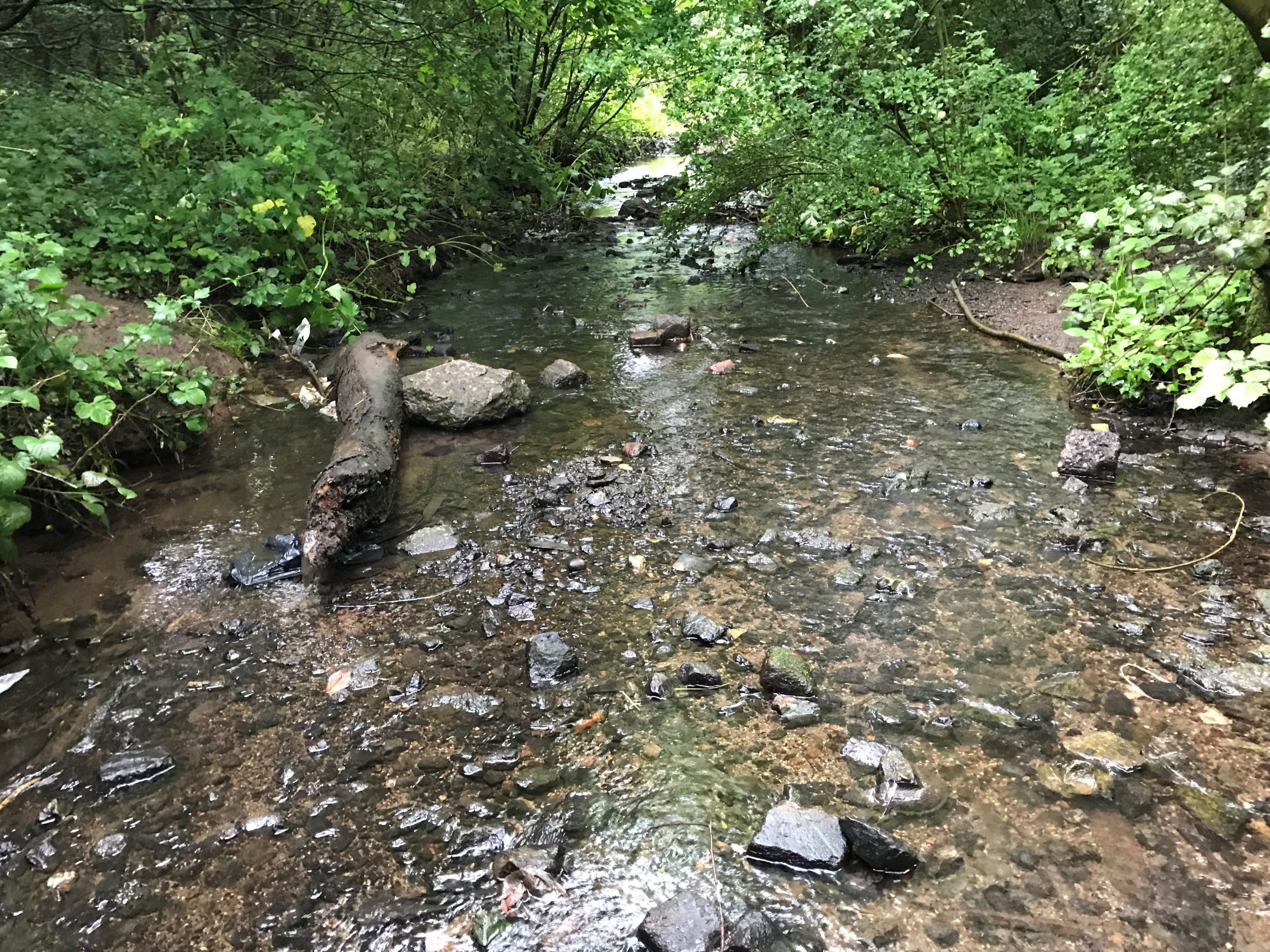
 Nottinghamshire Wildlife Trust (NWT) believes that everyone should have the opportunity to live in a healthy, wildlife-rich natural world. Sadly our environment is under threat like never before, and Nottinghamshire Wildlife Trust is committed to working with others to limit and reverse the impacts of the nature and climate emergencies, and to inspire individuals to take action for nature...read more
White Clawed Crayfish Release
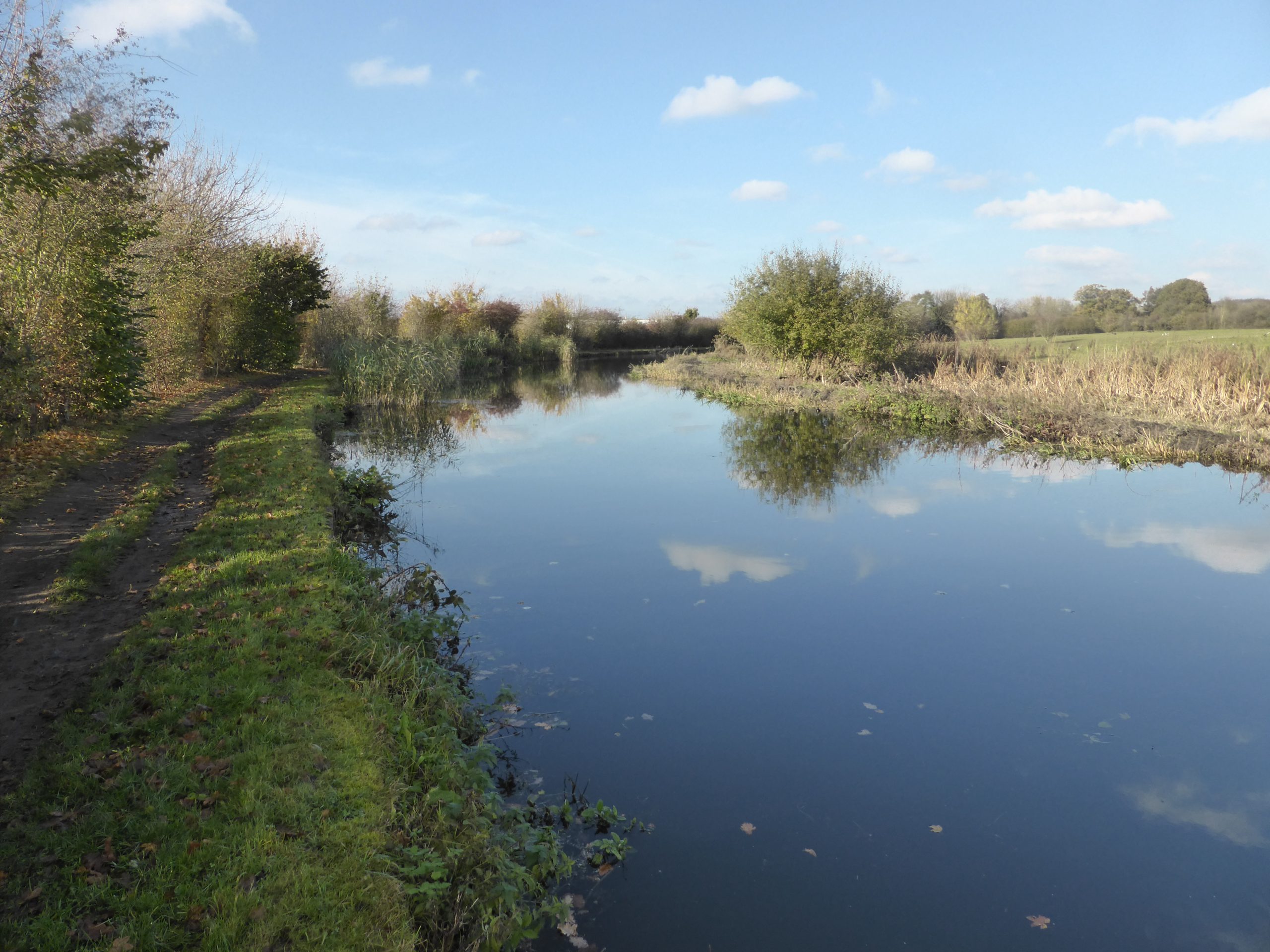
The Environment Agency completed four successful translocations of white-clawed crayfish during 2025. The native crayfish were rescued from the River Leen catchment in June, July, Sept and October. Following 1 month’s quarantine at Birmingham Sealife Centre, a total of 346 white-clawed crayfish were successfully released to the Ark site at another location in Nottinghamshire.
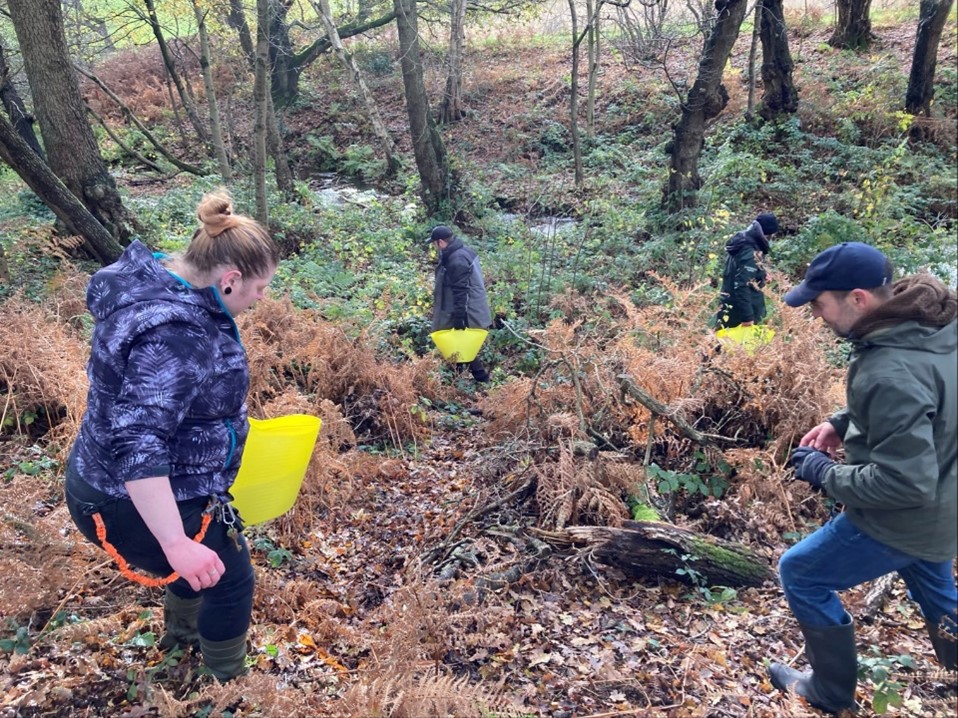
Environment Agency staff releasing White Clawed Crayfish in November 2025
The latest batch of crayfish were released during mid-November, following acclimatisation to the water temperature. Plans are to bolster the population with at least one more translocation in Summer 2026, and to improve the habitat upstream of the existing ark site through the installation of limestone refuges. It is hoped this will help to encourage greater colonisation, spread and establishment of the white-clawed crayfish for the long term.

White Clawed Crayfish ready to be released into the new ARK site
ARK site investigations:
The Environment Agency have been conducted preliminary Ark sites investigations at other locations too. This is to assess the habitat suitability for translocating at-risk, white-clawed crayfish populations. The more places where native crayfish exist, the more resilience there is to wide-ranging threats and pressures across the landscape, to ensure their continued existence in the county.
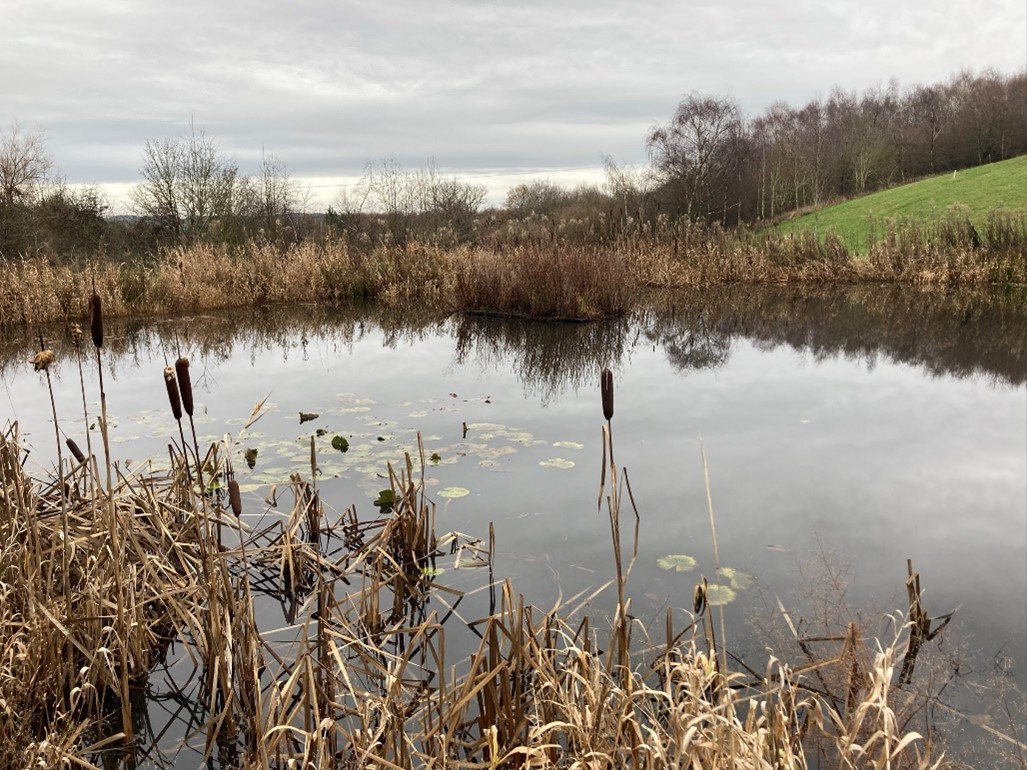
One of the ponds being investigated as a potential crayfish ARK site
Some of these potential ark sites are ponds, or headwater tributaries separated by long culverts. Some eDNA surveys have been conducted and there are plans to do further water quality testing and macrophyte sampling in the coming year to further assess ark site selection suitability.
NB: the biggest threat to the native, white-clawed crayfish is the spread of crayfish plague. Crayfish plague is a disease that kills all European species of crayfish and once infected will kill the crayfish within a few days. The disease is carried by non-native American crayfish species that are more reliant to the disease. The disease can also be moved by following poor biosecurity, not cleaning and drying kit when moving it between water bodies.
To find out more about good biosecurity follow this link to the clean check dry campaign.
[Many Thanks to Ruth Bolton from The Environment Agency, for providing the news and photos for this blog]