




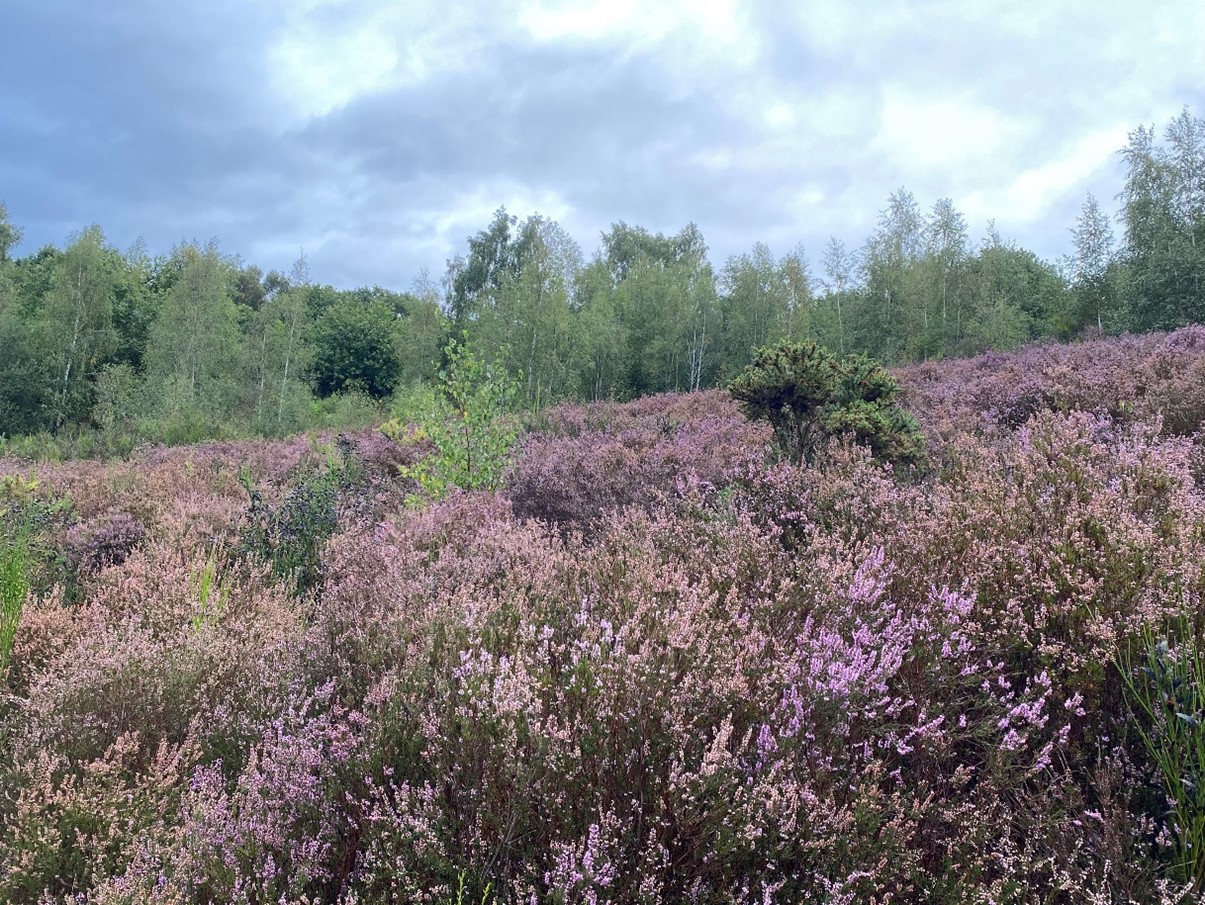


Grizzled Skipper Project

The grizzled skipper is a locally rare butterfly. The project is supported by local volunteers who undertake practical habitat management as well as surveying and monitoring the butterfly during the flight season (April-June)....read more
Nottinghamshire & Nottingham’s LNRS
The Local Nature Recovery Strategy (LNRS) is a strategy to improve the state of nature by identifying priorities for nature recovery, identifying locations and habitats to improve which will have the greatest benefit for the environment, and influence local planning policy for nature recovery... read more
Nottinghamshire Wildlife Trust
 Nottinghamshire Wildlife Trust (NWT) believes that everyone should have the opportunity to live in a healthy, wildlife-rich natural world. Sadly our environment is under threat like never before, and Nottinghamshire Wildlife Trust is committed to working with others to limit and reverse the impacts of the nature and climate emergencies, and to inspire individuals to take action for nature...read more
Wilder Crow Hill Project
At Bramcote Hills Park, the Wilder Crow Hill Project is focused on reconnecting the woodland on Crow Hill with the more extensive woodland of the park, including Oak-Birch Woodland and Parkland and Wood Pasture. This connection then extends through to Stapleford Hill and the young woodland on the recently adopted Bramcote Quarry, creating more extensive, connected woodland.
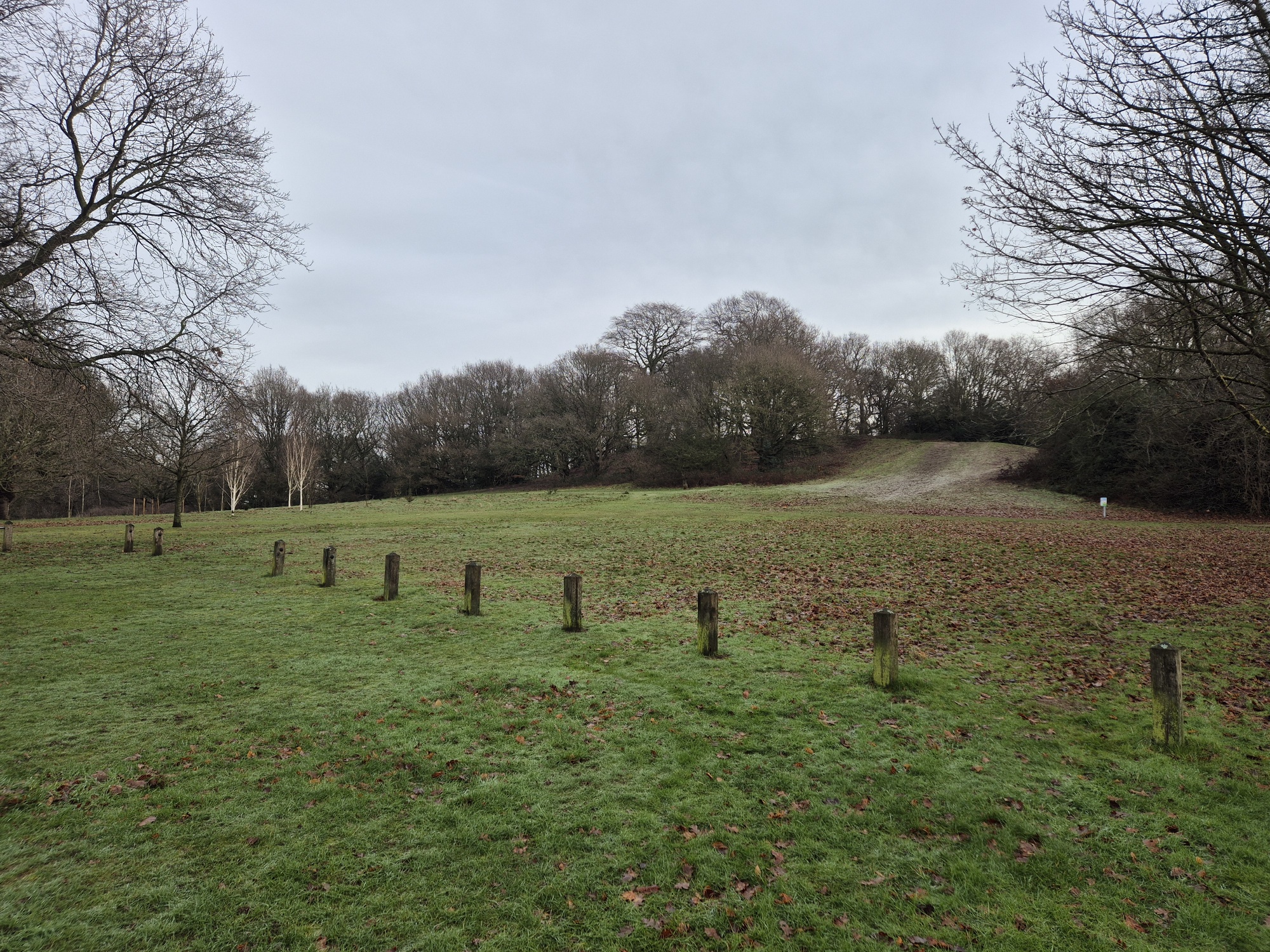
Restored Lowland Dry Acid Grassland at Crow Hill
As part of the project, an area of acid grassland (Lowland Dry Acid Grassland) has been restored. A glade was opened up on Crow Hill, and seed sowing took place around the woodland, with woodland fringe species used to create a transitional habitat between the woodland and grassland. Rhododendron has been removed from the mature woodland, and woodland wildflower bulbs were planted to help develop an understorey of bluebell and wild daffodil.
The extended woodland fringe is expected to improve foraging habitat for bats. Much of the tree planting has been carried out by Canopy 2050 volunteers, using trees grown from seeds collected in the local area. The works have been funded through a bid to the Severn-Trent Community Fund, and align with the Broxtowe Biodiversity Opportunity Mapping (BOM) undertaken by the Biodiversity Action Group. In total, around two hectares have been brought into active management.
[Many Thanks to Chris Riley from Broxtowe Borough Council, for providing this news and photo for this blog]