




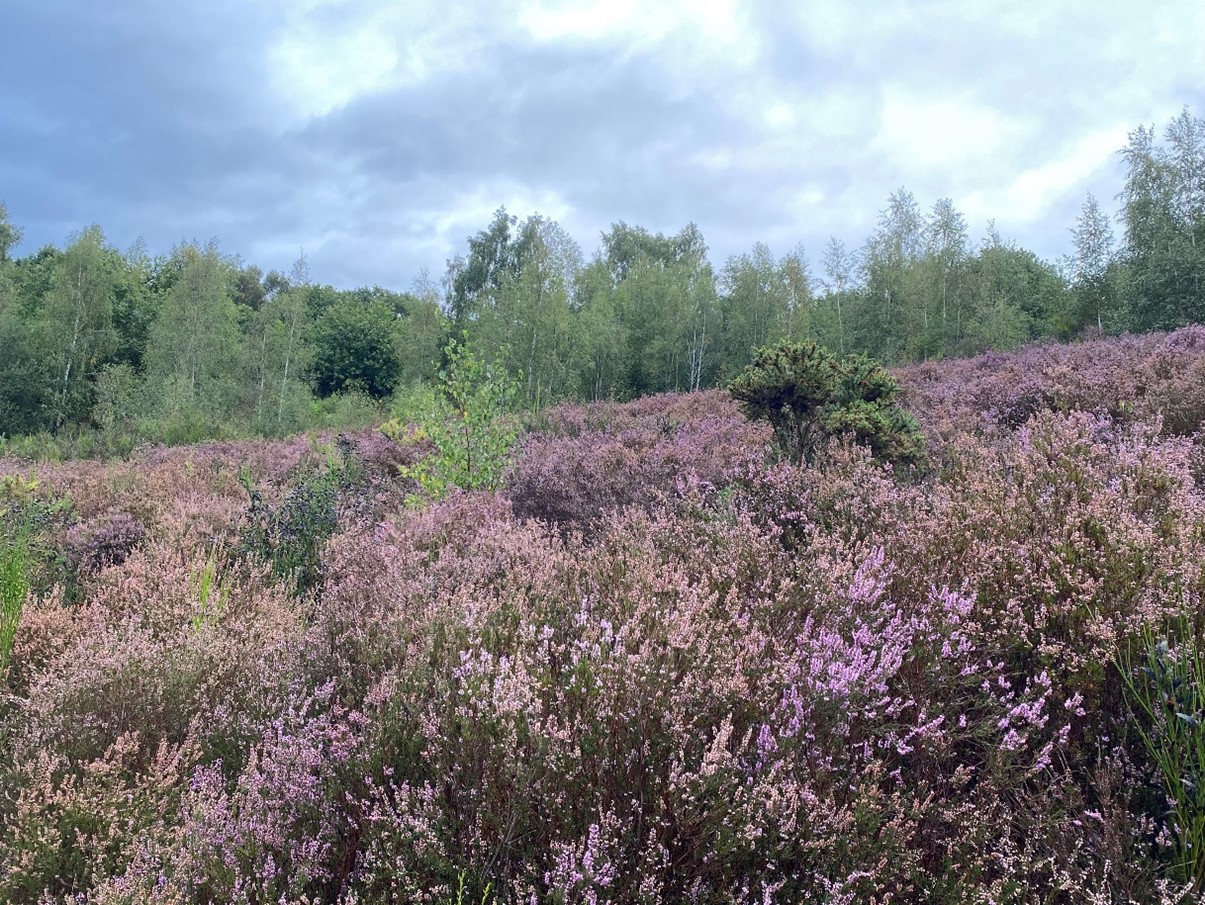


Grizzled Skipper Project

The grizzled skipper is a locally rare butterfly. The project is supported by local volunteers who undertake practical habitat management as well as surveying and monitoring the butterfly during the flight season (April-June)....read more
Nottinghamshire & Nottingham’s LNRS
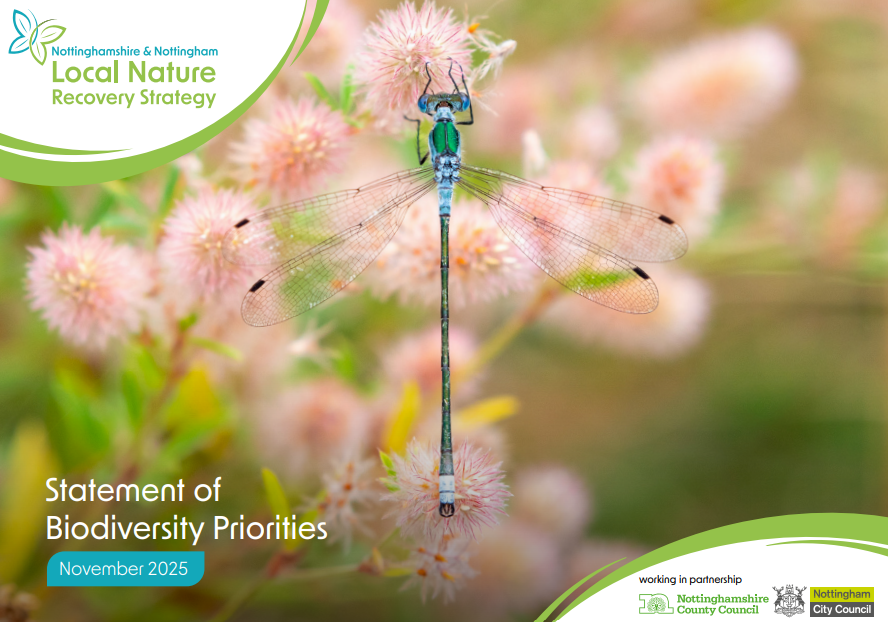
The Local Nature Recovery Strategy (LNRS) is a strategy to improve the state of nature by identifying priorities for nature recovery, identifying locations and habitats to improve which will have the greatest benefit for the environment, and influence local planning policy for nature recovery... read more
Nottinghamshire Wildlife Trust
 Nottinghamshire Wildlife Trust (NWT) believes that everyone should have the opportunity to live in a healthy, wildlife-rich natural world. Sadly our environment is under threat like never before, and Nottinghamshire Wildlife Trust is committed to working with others to limit and reverse the impacts of the nature and climate emergencies, and to inspire individuals to take action for nature...read more
Biodiversity Highlights from the IDB
Black Poplar
Whist undertaking protected species surveys along the Halam Beck, in the Trent Valley & in the Isle of Axholme (North Nottinghamshire), the Internal Drainage Board (IDB) team stumbled across a mature Black poplar on private land. The location has been confirmed with Notts BAG, and there is some potential that this tree could assist with the conservation of the species in Nottinghamshire. Once landowner approval has been sought, we will aim to take cuttings from the tree to establish its genetic origin and confirm (or not) its native status.
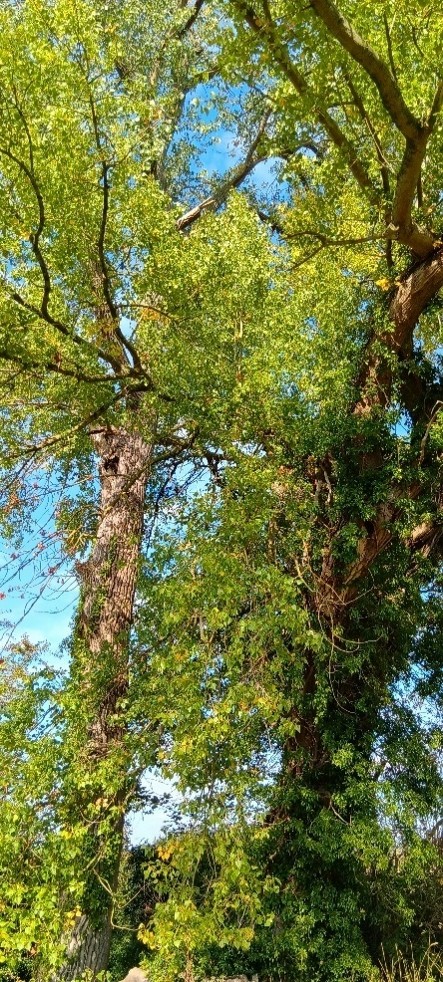
Nottinghamshire Black Poplar
Improving biodiversity on drains
After reforming approximately 1 mile of drain in Sutton on Trent during flood relief works, the IDB team trailed hydroseeding for the first time to enhance biodiversity. Despite the drought, some species are poking through, specifically red campion, yellow rattle, oxeye daisy and knapweed. Signs of water vole have also been recorded on this drain, so there is hope that this flourishes in 2026 (and looks less bald!).
Invasive Non Native Species
The IDB team have seen an increase in water fern whilst undertaking surveys in Doncaster and Chesterfield Canal in north Nottinghamshire. Unfortunately, Himalayan Balsam has been vigorous across all of IDB’s districts this year, and Chinese Mitten Crabs have proved to be in high numbers in the Catchwater Drain catchment (West Burton Power Station)
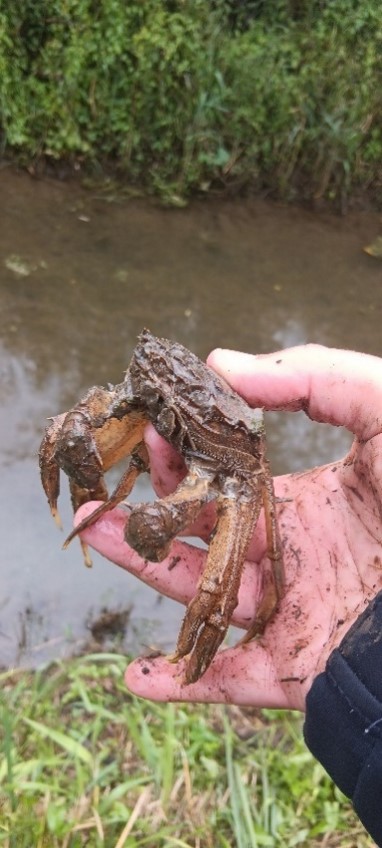
Chinese Mitten Crab
The IDB team continue to promote “CHECK, CLEAN, DRY” amongst the Operations Team and continue researching best practise to deal with problematic species. There is hope for a realistic ‘working party’ to be brought together to help pull balsam, and depending on the resources, this can be arranged within the setup of the IDB.
2025 Records
The IDB have spent time during the winter collating the biological records collected during 2025. Over 1,200 records were collected across the IDB area, and these will be shared with Local Record Centres. The table below gives an idea of what has been recorded locally! The main species recorded include Himalayan Balsam, Eel, Brown Hare and Water Vole, whilst in the Isle of Axholme & North Nottinghamshire, Water Vole are more commonly recorded.
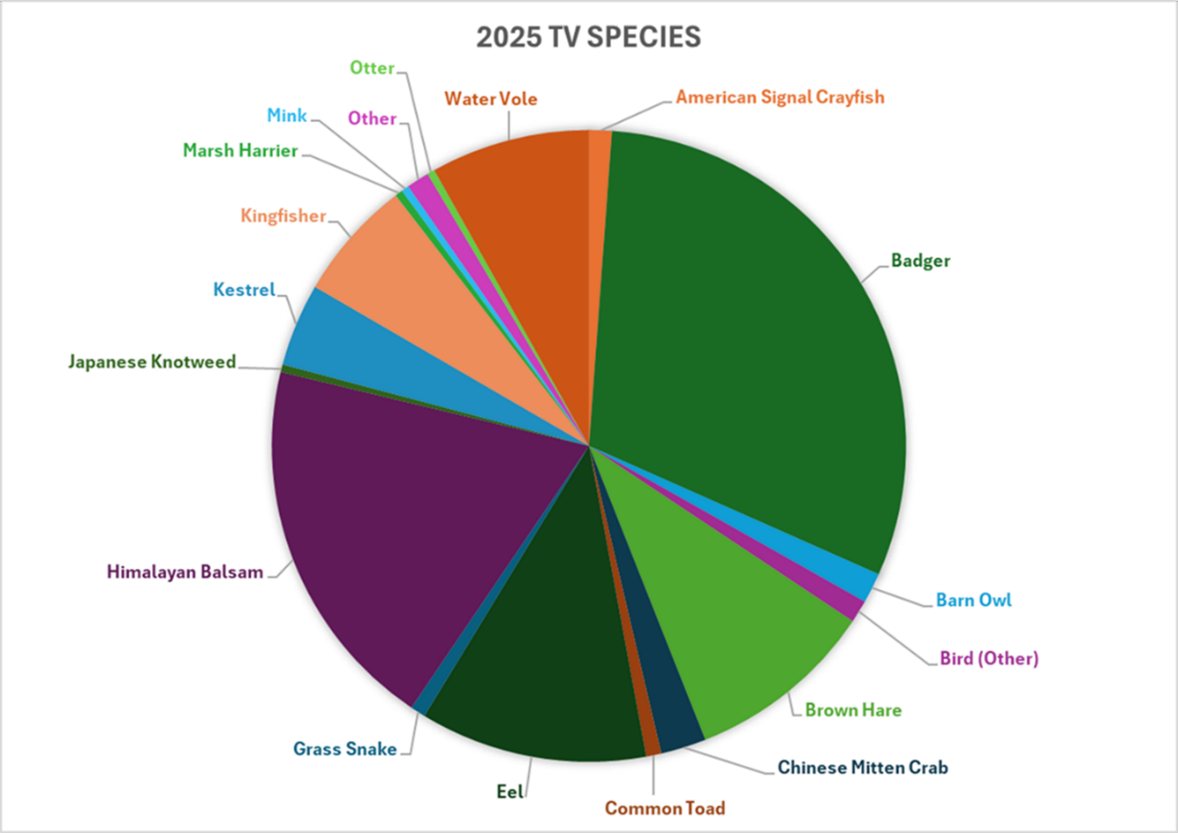
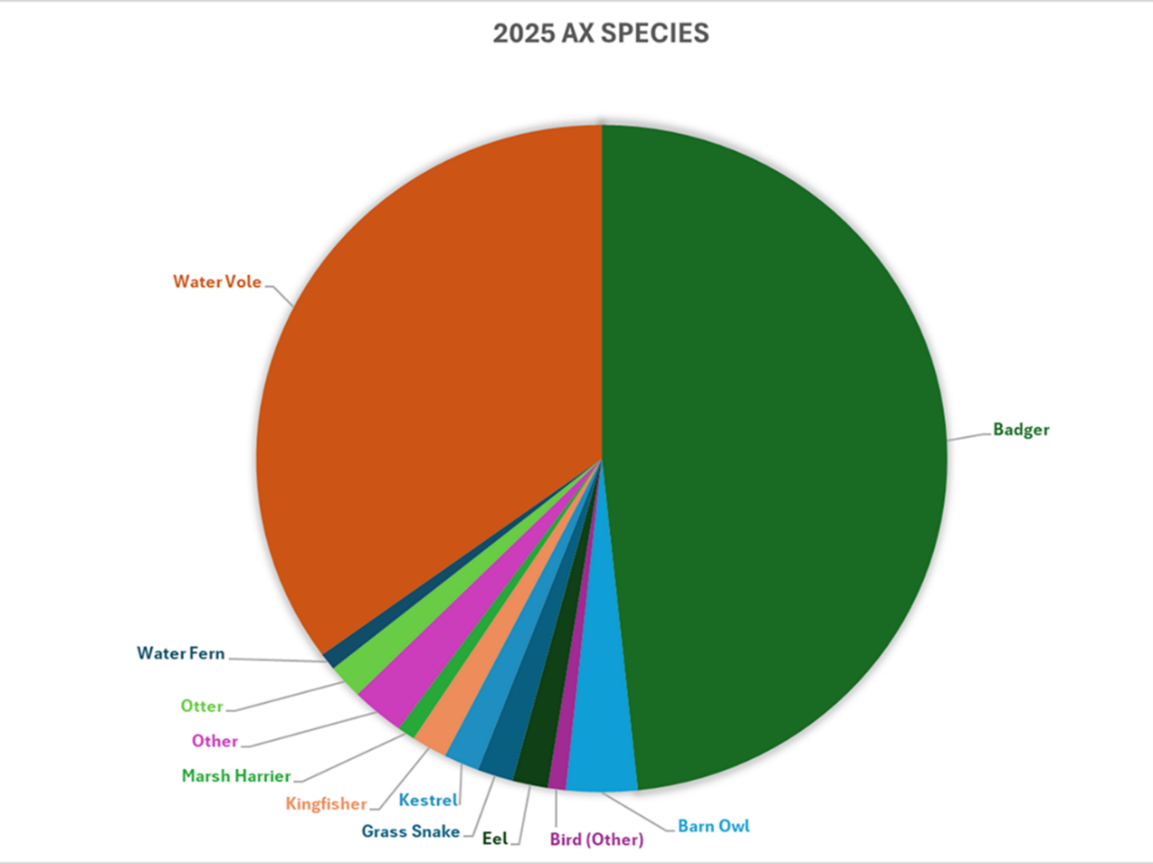
Pie charts above show the records of species in the Trent Valley (TV) and the Isle of Axholme & North Nottinghamshire (AX)
[Many Thanks to Iain Turner from the IDB for providing the news and images for this blog]