A Boost for Biodiversity: Habitat Restoration Works Link Sherwood National Nature Reserve with Budby South Forest

This autumn and winter, Thoresby Estate are removing mature conifer trees from Seymour Grove and Assarts Wood, plantations that sit between the amazing ancient oaks at Sherwood Forest and the beautiful open heathland at Budby South Forest, which are both owned by Thoresby and managed by the RSPB.

Planted over 60 years ago for timber production, these conifers are now ready to be harvested for the UK timber and biomass markets. This work will have huge additional benefits for biodiversity, removing the conifer plantations will enable the land to be restored to wood pasture and heathland, which will enhance of the overall habitat resource within the National Nature Reserve.

The RSPB has partnered with Thoresby Estate to ensure the harvesting process benefits both the land and its wildlife, with a focus on protecting important local and national BAP (Biodiversity Action Plan) species. Some ecologically valuable conifers will be retained to support species like Crossbills, Siskins, and the longhorn beetle, Arhopalus rusticus, which thrives on freshly cut stumps.
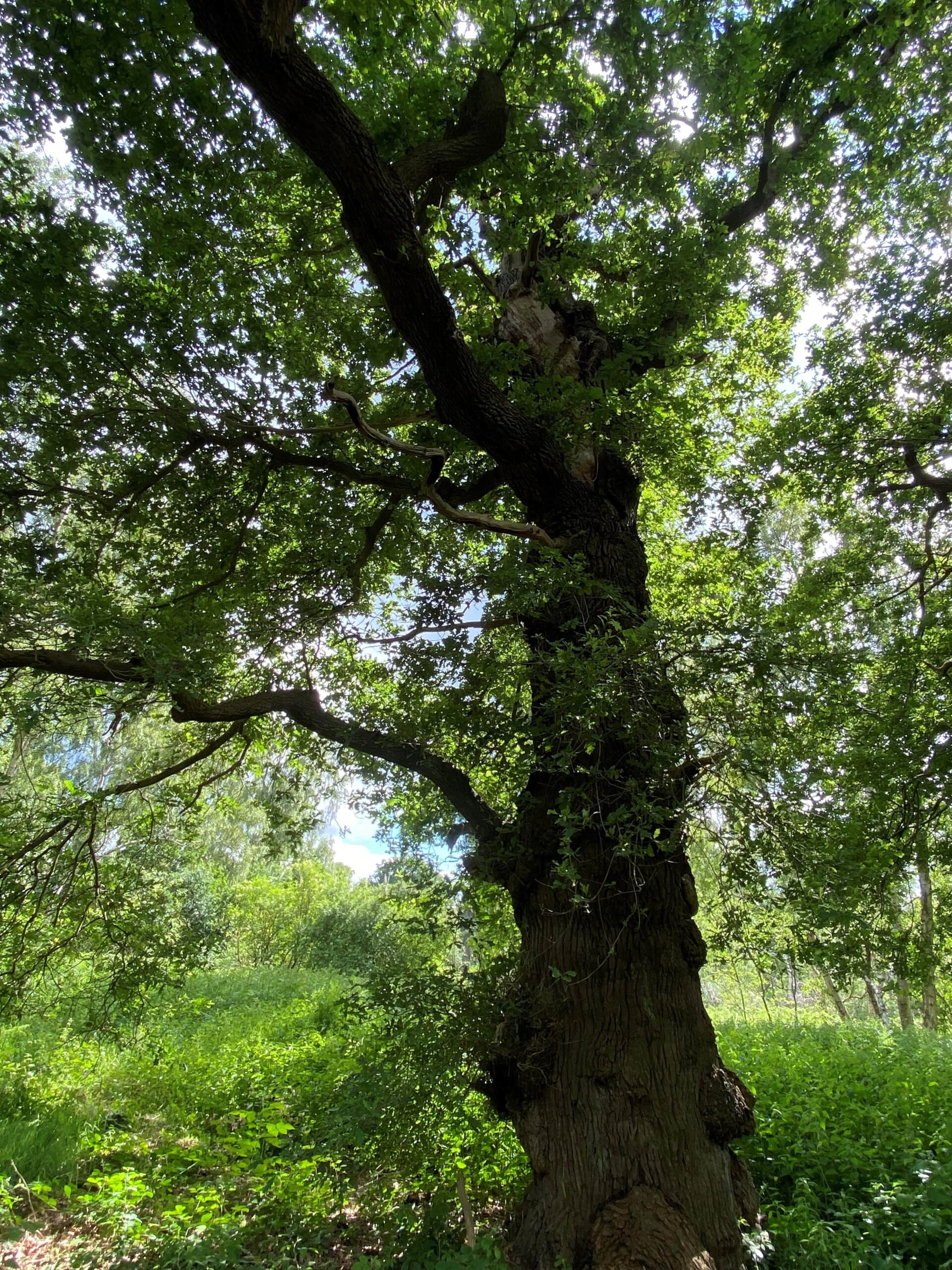
Veteran tree, Sherwood Forest National Nature Reserve

Special care will also be taken to protect native broadleaf trees, such as Willow, Birch, Hawthorn, Oak, and Cherry, which form the forest understory and support a wide variety of species. Ancient and Veteran Oaks will be safeguarded from extreme weather and falling trees, while trees like Birch and Willow, which provide crucial habitats for species such as Clearwing Moths and Purple Emperor butterfly larvae, will also be protected.

These efforts are crucial not only for preserving the area’s biodiversity but also for restoring wood pasture and heathland habitats, both of which are designated LBAP habitats and are characteristic of the surrounding Sherwood Forest.
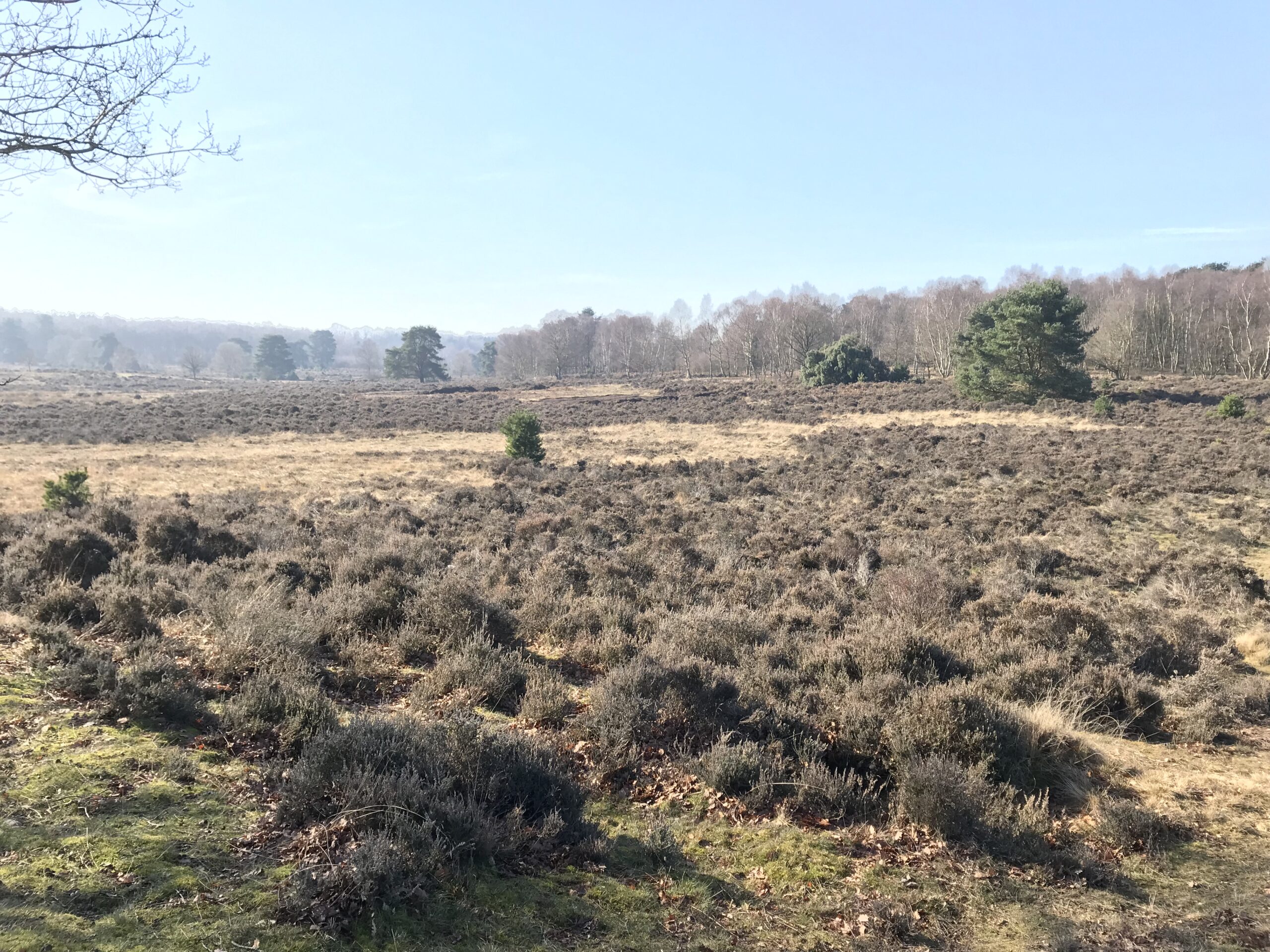
Open heathland, Budby South Forest

This will open up glades and create natural corridors, or “rides,” connecting the woodland and wood pasture habitats of Sherwood and the heathland habitat of Budby South Forest. Ongoing management to maintain some open canopy will re-establish acid grassland flora, and support rare bird species such as Tree Pipits, Nightjars, and Woodcock.

This is an exciting project for enhancing this ecologically important part of Nottinghamshire.

Link to RSPB article: https://visitsherwood.co.uk/timber-plantation-works-taking-place-this-autumn/

The Unique Biodiversity of Post-Industrial Sites: Newstead Old Stocking Yard

Recently staff at Nottinghamshire County Council’s Green Spaces team have been working hard to keep the soon-to-be designated Local Nature Reserve: Newstead Old Coal Stocking Yard, in good condition.  This work is necessary, so that the site continues to support a diverse assemblage of species. The habitat here is distinctive and unusual, developing on a former industrial site which used to stock coal for the nearby collieries.

It is one of the county’s best examples of Open Mosaic Habitat on Previously Developed Land (OMHPDL). In the nearby Peak District much of this wildlife rich landscape was similarly worked land that over time has developed into incredibly diverse habitats supporting an incredibly wide diversity of species. We sometimes forget how valuable these post-industrial landscapes can be and how important it is to protect and manage these important biodiversity assets.

Officers from the County Council’s Ecology and Green Spaces team worked alongside members of the Greenwood Community Forest team removing woody scrub from the open spaces to stop natural succession through the encroachment of shrubs and trees. The work involved clearing bramble and felling small trees (such as birch or hawthorn).

Scrub clearance (before)

Scrub clearance (after)

This work will support a number of the more unusual butterfly species that enjoy these open sites, such as green hairstreak and dingy skipper, both important Local Biodiversity Action Plan (LBAP) species: https://nottsbag.org.uk/lbap/lbap-species-action-plans/. The site is good for its reptile populations, with good numbers of grass snake and common lizard frequently seen. The former coal stocking yard also supports one of the largest colonies of broadleaved helleborine in Nottinghamshire.

Invasive Species Spotlight: Killer & Demon Shrimp

Killer Shrimp (Dikerogammarus villosus) are an Invasive Non-Native Species originating from Eastern Europe that were first recorded in the UK in 2010. It is believed that they spread here via ballast water, and they are now found in several places throughout the UK. Demon Shrimp (Dikerogammarus haemobaphes) are spread more widely throughout the UK than Killer Shrimp but are less well understood. They were first recorded in the UK in 2012 and are known to be present in Nottinghamshire. There are no records of Killer Shrimp in Nottinghamshire at this time.

Demon Shrimp found in Nottinghamshire
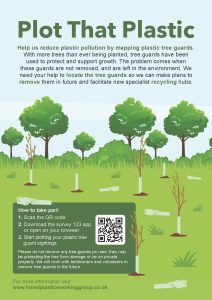
Image: Kayleigh Woodhouse

Dikerogammaru species are voracious predators of native freshwater invertebrates and fish eggs/young which can affect the diversity of our watercourses. They also carry a number of parasites which can cause disease in salmonid fish and other invertebrates. It is therefore important that we act to prevent their spread.

What can we do?

  1. Follow biosecurity protocols – Dikerogammarus species and their eggs can be spread on wet clothing and equipment, so ensure the Check, Clean, Dry procedure is followed when using our waterways
  2. Report sightings of Killer or Demon Shrimp so that we can monitor their distribution. Killer Shrimp can be difficult to identify and must be verified by an expert – please keep hold of the specimen and get in contact with us at biodiversity@nottscc.gov.uk if you believe you have found a Killer Shrimp. Records of Demon Shrimp can be submitted using iRecord or directly to the NBGRC.

For more information on invasive species in Nottinghamshire and the work the Notts BAG partnership are doing to prevent their spread, take a look at the Nottinghamshire Invasive Non-Native Species Initiative.

Plot that Plastic

Although woodland creation can have fantastic benefits for us and the environment, in some areas it has also led to the unfortunate side effect of plastic pollution. Plastic tree guards are used for the first few years of tree growth to protect young trees from browsing animals such as deer and rabbits. After the tree has grown and is strong enough, tree guards become redundant, and this is of course problematic if they are left out in the environment. The Forestry Plastics Working Group have developed a new citizen science project – “Plot that Plastic” to try to help combat this.

The project aims to collect data on the locations of tree guards so that the data can be shared to volunteer groups or organisations facilitate their removal. The group estimates that there are hundreds of millions of tree guards out across the UK and require the help of the public to map exactly where they are. The data will also be used determine areas where recycling hubs (either permanent or mobile) could be most beneficial. If this is of interest to you, please see here to get involved with the project. 3,2,1 Plot That Plastic!

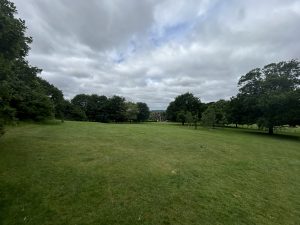
Wilder Crow Hill

Broxtowe Borough Council have been awarded funding from the Severn Trent Water Boost for Biodiversity Scheme to fund a habitat improvement project at Bramcote Hills Park. There are three main components to the ‘Wilder Crow Hill’ project:

  1. The creation of 0.8 Ha of Dry-Acid grassland habitat. A seed mix containing 28 species of grass and flower will be laid and plants suitable for the area’s geology and acidic soils will be plug planted, to improve the floral diversity of the site and benefit pollinators. A neighbouring school will be assisting with the plug planting, giving children the opportunity to get involved with biodiversity conservation in their local area.
  2. Creating a 0.5 Ha area of woodland-grassland habitat that will bridge two existing woodlands on Crow Hill, improving habitat connectivity. This part of the project will be carried out in collaboration with Canopy 2050, a local group who grow and plant native trees to increase the urban tree canopy. The new grassland will also serve to filter and trap pollutants from the busy road adjacent to the site and slow water run-off, redirecting rainfall to replenish groundwater.
  3. Controlling Invasive Non-Native Species on the site as there is currently an abundance of Rhododendron at Crow Hill. Volunteer work parties have tackled this in the past and the Wilder Crow Hill project will continue these efforts. For more information on why Rhododendron is problematic for our native biodiversity, see here.

The Site at present. Image: Emma Malpass.

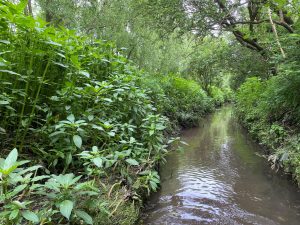
Improving Biodiversity along the Ouse Dyke

Himalayan Balsam is an Invasive Non-Native Species (INNS) that is particularly problematic to biodiversity in wetland environments. In river catchments it can be so prolific that it can take over huge stretches of riverbank, creating a species poor monoculture. To prevent this from happening and to try and encourage a more interesting and botanically diverse wetland flora, we have volunteers working across river catchments in central Nottinghamshire throughout the summer months.

One such catchment is the Ouse Dyke that runs down the eastern side of the city of Nottingham. It rises in Mapperley, and then it flows down through Gedling and Netherfield and out into the River Trent at the wonderful Netherfield Lagoons Nature Reserve.

Work started on controlling this plant at its source, Mapperley Golf Course in 2018.  Since this time lots of work has managed to clear Himalayan Balsam from much of the upper section of the water course and volunteers are now focusing their attention on the Ouse Dyke where it runs alongside Netherfield Lagoons.

Himalayan Balsam along the Ouse Dyke.
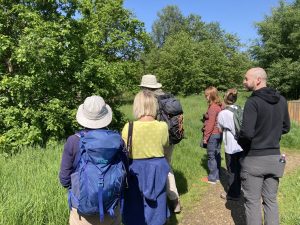
More volunteers are required to help with this work, and it is very true to say that more hands make light work. If you would like to help with this project, then volunteers will be meeting every Friday morning (10.30am start) and again in the afternoon (2pm start) for the next 7 weeks. To find out more contact Mark at mark@respectforanimals.org or 07850 768337.

Open Your Eyes – Green Hairstreak & Dingy Skipper

On 19th May we held our first “Open Your Eyes” event of the year at Newstead and Annesley Country Park. These events are intended to encourage members of the public to get out and record butterflies in their local area and this event focused on two of our LBAP species – Green Hairstreak and Dingy Skipper, both of which can be found at the site.

Attendees listening to our fantastic session lead Mark Searle.

With perfect weather conditions on the day, we had a highly successful morning with 15 Green Hairstreak and 13 Dingy Skipper spotted. Many of the attendees were surprised by the size of the two butterfly species, having presumed they weren’t as small as they are, prior to seeing them at the event. We also spotted 10 other species of butterfly including Small Heath, Green-veined White, Peacock and Common Blue (to name a few).

Many thanks to Friends of Newstead and Annesley Country Park for allowing us access to the site for the event and to everyone who came along. We are hoping to hold a similar event in the south of the county soon focused on Grizzled Skipper – please let us know if you would be interested in coming along to this at biodiversity@nottscc.gov.uk

No Mow May (and Beyond!)

Plantlife report that over 97% of wildflower-rich meadows have been lost since the 1930s. Wildflowers are an important part of our environment for a number of reasons:

  1. They help with food security as they provide a valuable food source for pollinators (as well as other insects).
  2. They help in the fight against climate change, as they sequester carbon.
  3. They help prevent flooding, as their complex root structure provides structural integrity to the soil in floodplains.

No Mow May is a movement organised by Plantlife which encourages the public and local authorities to leave lawns and greenspaces unmown for the month of May, to allow wildflowers to begin to grow. If you would like to find out more, or wish to sign up to join in with No Mow May, please follow this link.

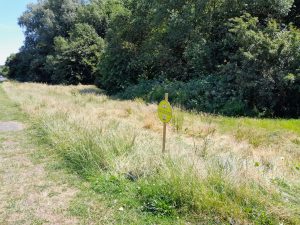
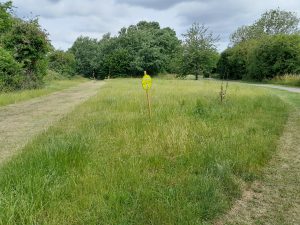
In Nottinghamshire, Rushcliffe Borough Council have taken No Mow May one step further with their Summer Pollinator Scheme which operates from January to August. A survey conducted by the Borough Council in 2021 found that 92% of respondents believed the council should be encouraging pollinators and the scheme is doing just that. In 2024, there are 29 sites in West Bridgford and 8 in villages in Rushcliffe that have been left unmown for the benefit of wildlife.

Meadow Covert, Edwalton.


Deepdale Close to Easedale Close, Gamston.
Images: Paul Phillips, Rushcliffe Borough Council

First Green Hairstreak Sighting for 2024

The exciting news from last weekend is that Chris Cooper’s efforts visiting sites in South Notts for early spring butterflies were rewarded with this wonderful sighting of a beautiful and newly emerged Green Hairstreak butterfly at Cotgrave Country Park. On the same day the butterfly was also reported from Kilvington, another site in Nottinghamshire. These two sightings are the first reports of this butterfly in Nottinghamshire for 2024. Remember if you do see Green Hairstreak in Nottinghamshire please report your sighting to the County Butterfly Recorder or by using the iRecord App.

Image: Chris Cooper

Butterfly Conservation have reported that in England, the Green Hairstreak declined by 41% in abundance, and 30% in distribution between 1976-2019. We are working to conserve the Green Hairstreak in Nottinghamshire, a species which is listed on the Local Biodiversity Action Plan.

To find out more about this beautiful species of butterfly, take a look at the Green Hairstreak Species Action Plan.

Habitat work for White-clawed Crayfish

White-clawed Crayfish are under threat from a disease (crayfish plague), spread by the invasive American Signal Crayfish. Signal Crayfish are quickly colonising more and more of our waterways in Nottinghamshire, so it is a race against time to save our native White-claweds. Signal Crayfish (along with many other American crayfish species) are able to carry crayfish plague without it causing significant harm, whilst if any European crayfish species (including our native White-clawed Crayfish) come into contact with the disease, then unfortunately it is fatal, wiping out whole populations of these increasingly rare species. To combat this ever-growing threat, ark sites are being created, which act as refuges for White-clawed Crayfish, safe from any contact with the disease-spreading invasive species. Notts BAG are working with the Environment Agency to create Nottinghamshire’s first White-clawed Crayfish ark site, which we are hoping to complete by summer 2024.

Earlier this year, Notts BAG and the Environment Agency visited Staffordshire Wildlife Trust to learn about their crayfish ark sites. We had the opportunity to visit some of the Trust’s donor and ark site locations and were inspired by the habitat improvement works they had carried out for White-clawed Crayfish.

One of Staffordshire Wildlife Trust’s White-clawed Crayfish donor sites.
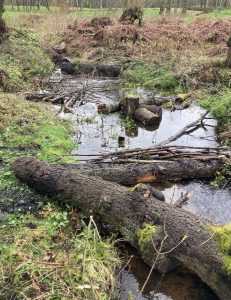
Ahead of the planned translocation, we recently carried out some habitat improvement works, similar to those that were implemented by Staffordshire Wildlife Trust, at the proposed Nottinghamshire ark site. This involved adding woody debris to the stream to increase habitat heterogeneity and provide hiding places for the crayfish once they have been moved. We also created some brash bundles that will be placed into the donor site closer to the translocation date, as a natural method of catching some of the White-clawed Crayfish that will be moved.


Habitat improvement carried out in Nottinghamshire

We look forward to reporting about the success of the first Nottinghamshire crayfish ark site later on this year. Click here to find out more about the Nottinghamshire Crayfish Initiative or contact us at biodiversity@nottscc.gov.uk if you would like to get involved.