Cultivating the Future: The Friends of Wollaton Park Tree Nursery

At the edge of Wollaton Park, a quiet transformation is taking root. For many, Wollaton is synonymous with its historic Hall and iconic deer herd, but a new, vital chapter of the park’s story is being written by a dedicated team of volunteers working in the shadow of the Walled Garden.

The Friends of Wollaton Park (FoWP) tree nursery project is a long-term commitment to enhancing the biodiversity and climate resilience of our cherished green space.

From Small Saplings to a Greener Future
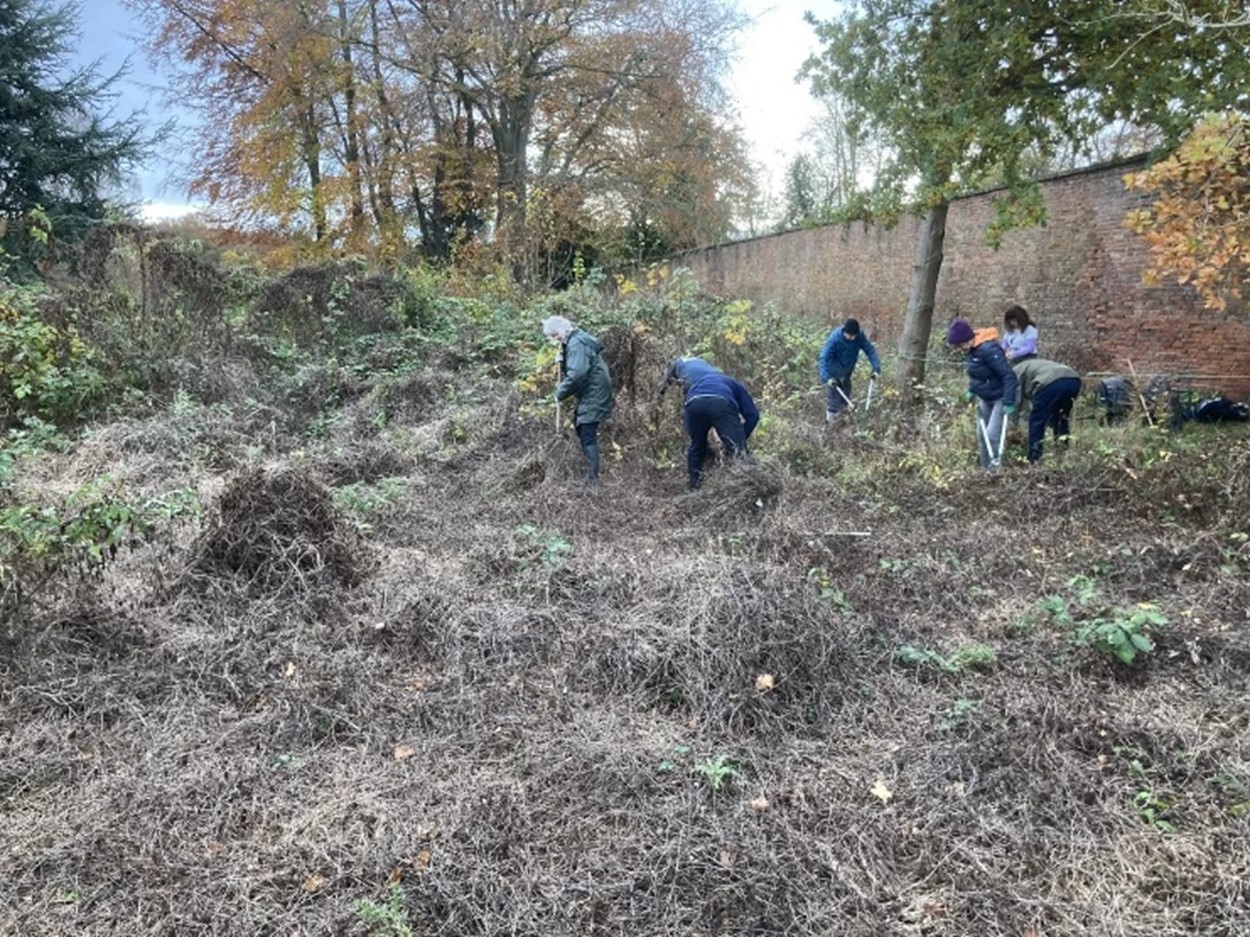
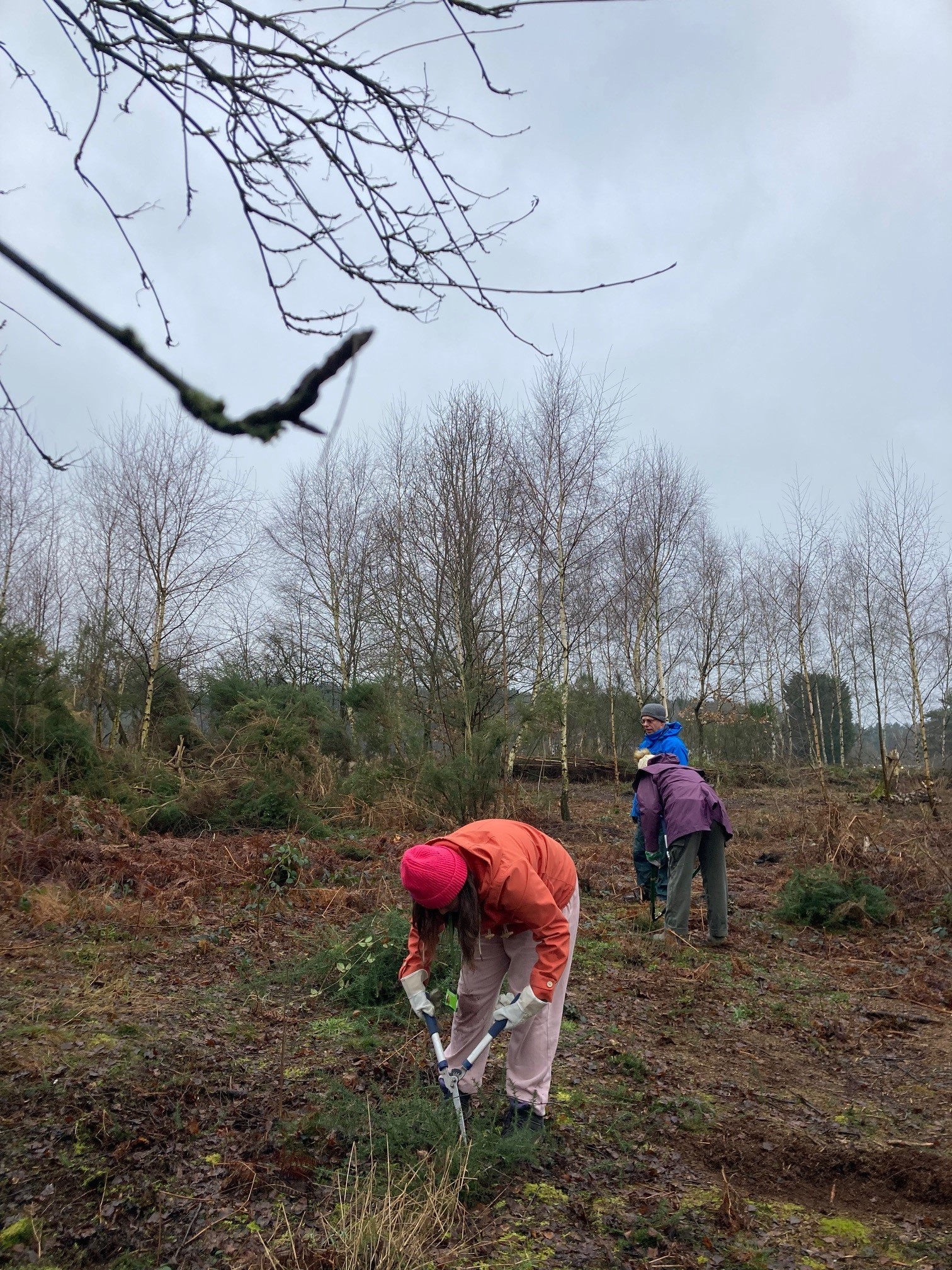
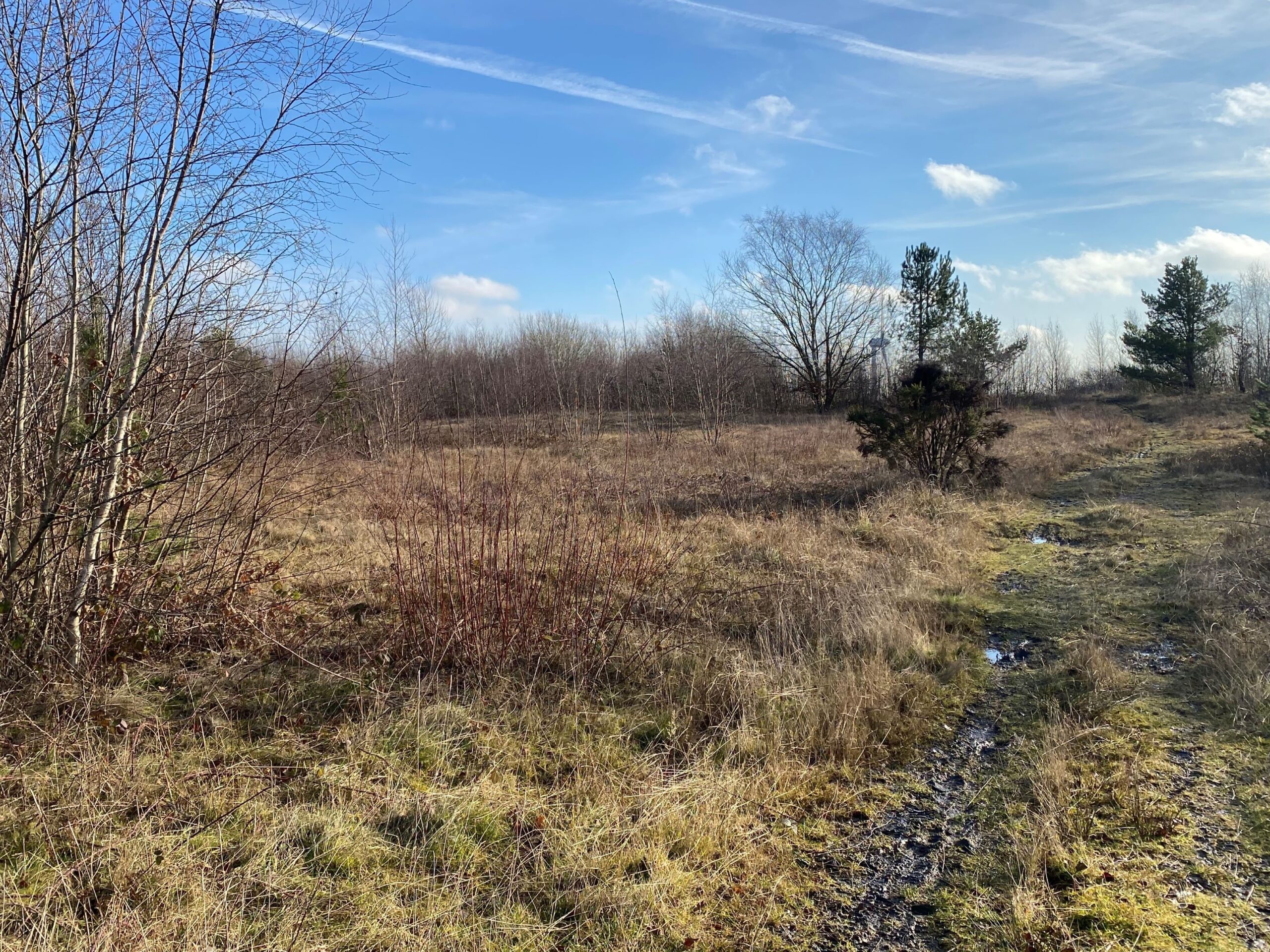
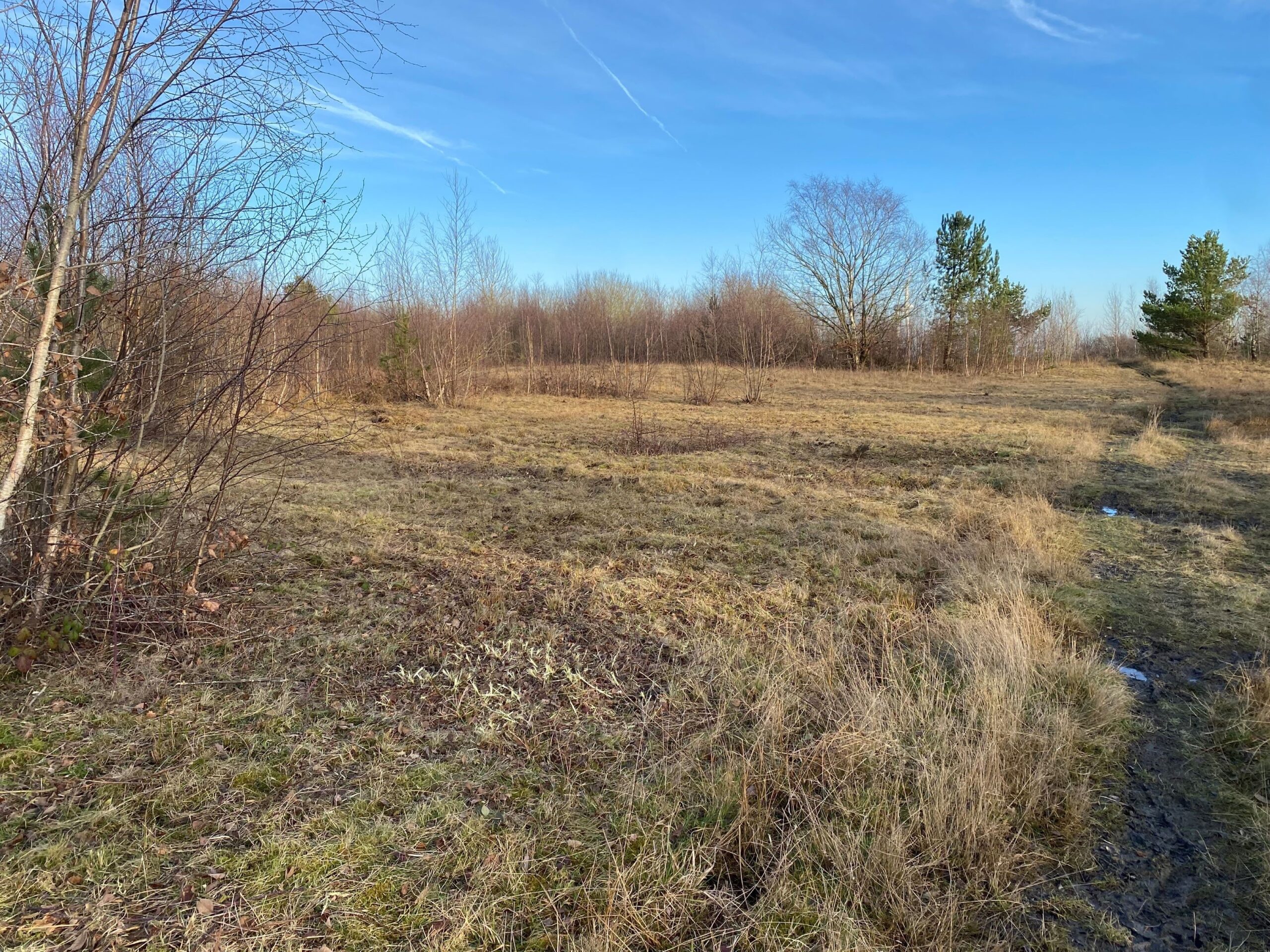
Starting point, November 2024

The project began in late 2024 by creating a dedicated space where young trees could be nurtured before being established within the wider parkland. During that inaugural session in December 2024, a team of 12 volunteers prepared the ground and successfully planted the first fifty saplings.
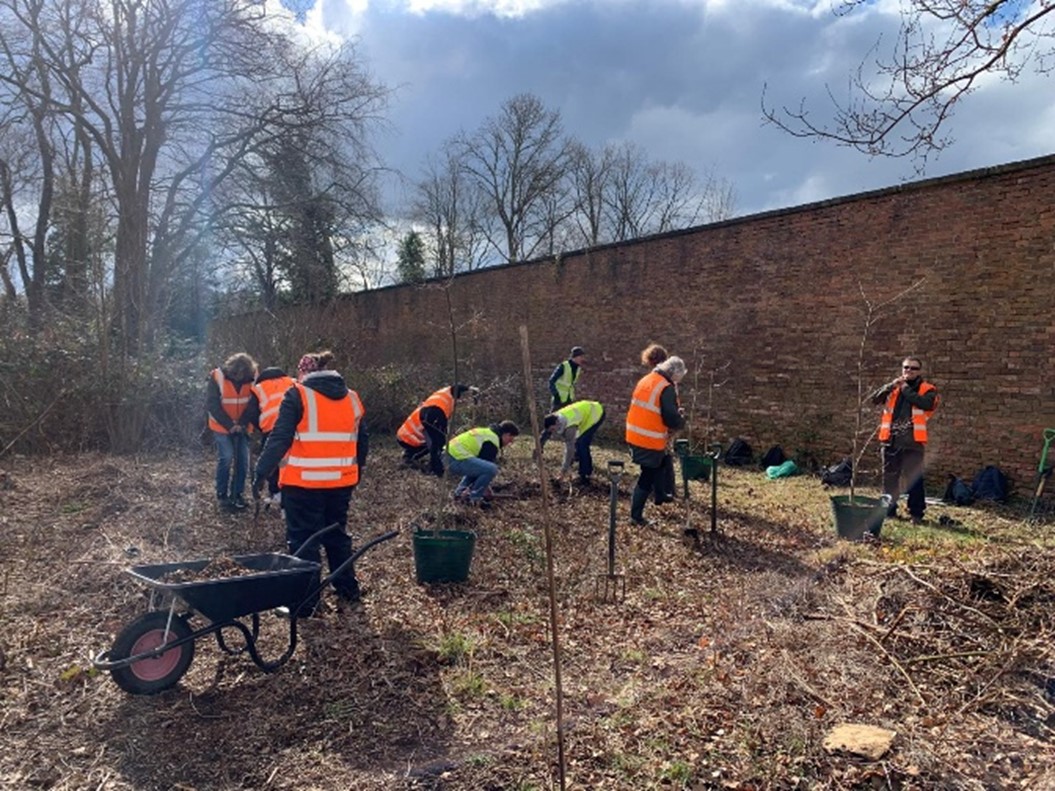
Initial tree planting, March 2025

During 2025, the boundaries were extended and further trees were planted, requiring hands-on physically demanding work to maintain the saplings from watering, and to keep bindweed under control.
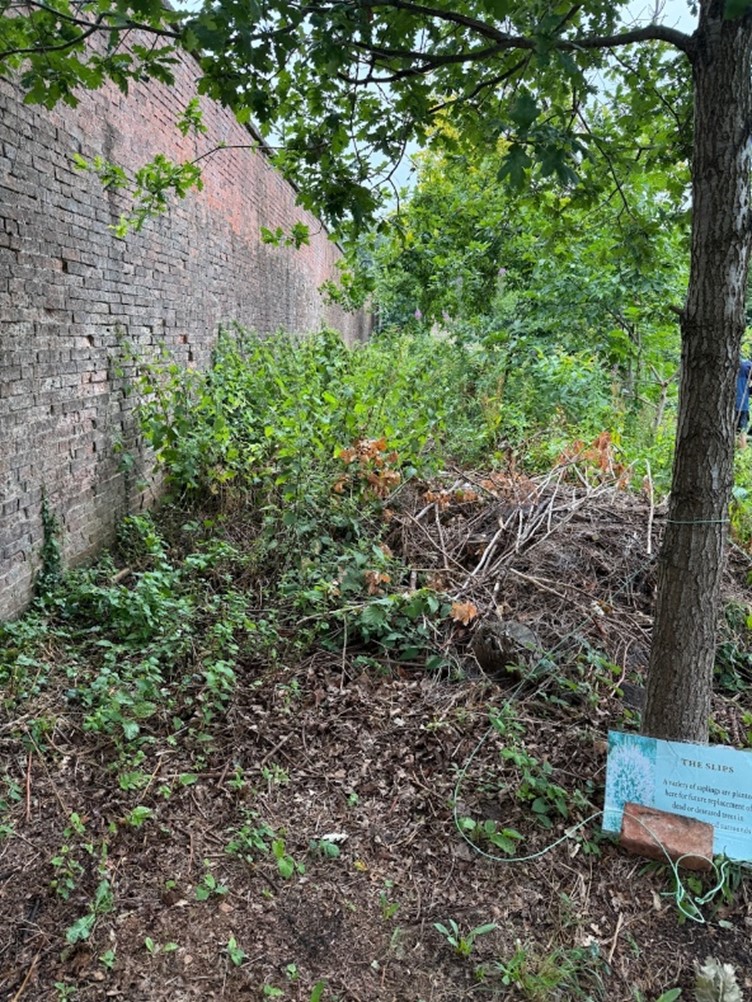
Further site clearance, July 2025

In January 2026, a team of eight volunteers spent the day moving and spreading vast quantities of bark and wood chips, which contribute to moisture retention, weed suppression, and soil health, ensuring the young trees have the best possible start in life.
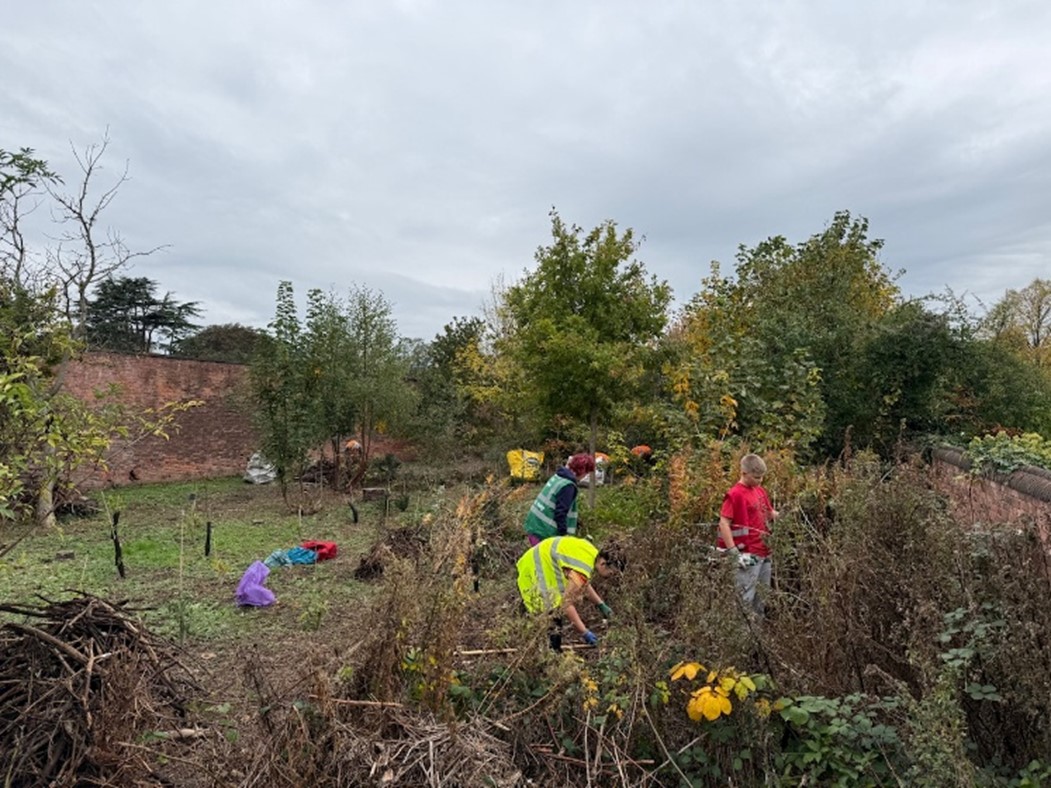
More site clearance, October 2025

The nursery currently supports over 120 saplings across a wide range of species, including Beech, Birch, Cherry, Cockspur Thorn, Elder, Horse Chestnut, Lime, Maple, Oak, Rowan, Sweet Chestnut, Walnut, Whitebeam, Willow, and Yew. These trees were sourced as self-sets from the park’s formal and walled gardens or provided through generous donations.
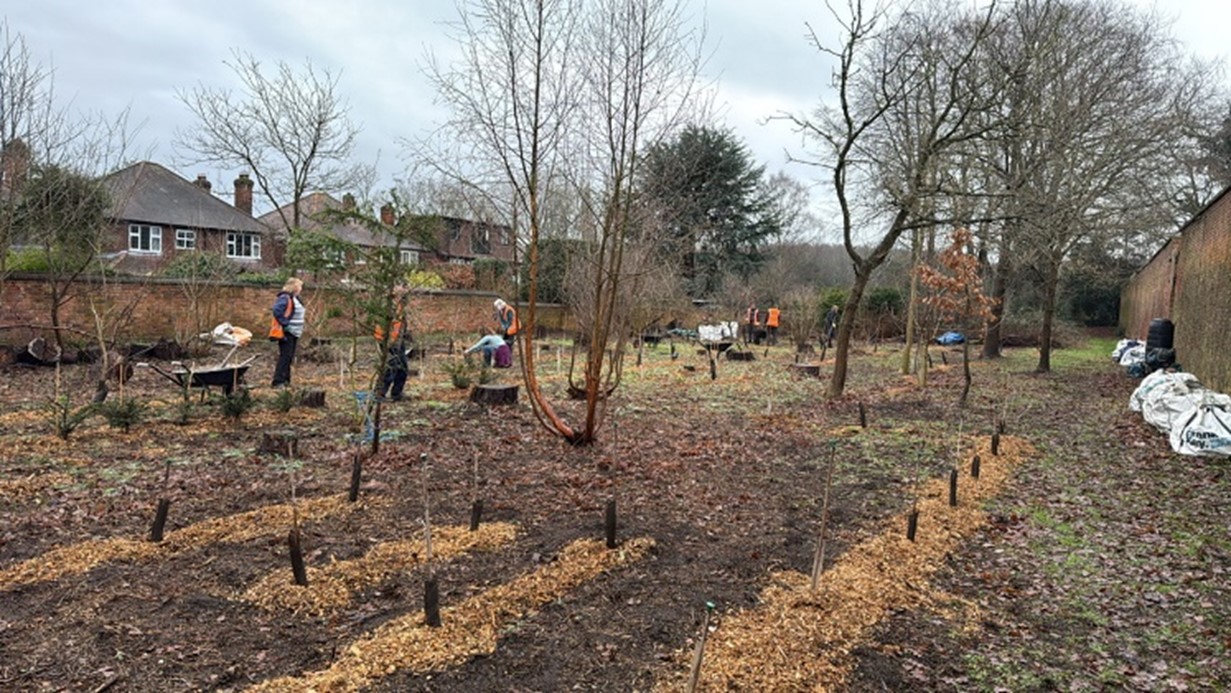
Bark spreading, January 2026

Community, Conservation, and Climate

What makes this initiative particularly special is the spirit of community that drives it. The nursery has become a hub for people to come together, learn, and contribute directly to conservation. Whether they are seasoned gardeners or first-time volunteers, those who step into the nursery are playing a direct role in the park’s environmental future.

Get Involved

The success of the tree nursery is a testament to what can be achieved when a community works together for the benefit of nature. As FoWP look ahead, the nursery remains a symbol of hope: a place where the trees of tomorrow are being raised, one sapling at a time.

If you are passionate about local biodiversity and want to get your hands dirty for a great cause, keep an eye on the Friends of Wollaton Park website for upcoming volunteer opportunities. Whether you are a regular or new to the team, there is always a place for you in the nursery.

Let’s continue to grow a greener, more resilient Woolaton Park, together.

[Many Thanks to Colin Robbins from The Friends of Woolaton Park, for providing the news and photos for this blog]
Forestry Commission blogs and podcasts on Woodland Life

Over the summer, the Commission has released engaging content covering:

These initiatives reflect the Commission’s commitment to sustainable forest management, public engagement, and biodiversity enhancement across the UK.

(Photo Credit: Thieves Wood, Nottinghamshire County Council)

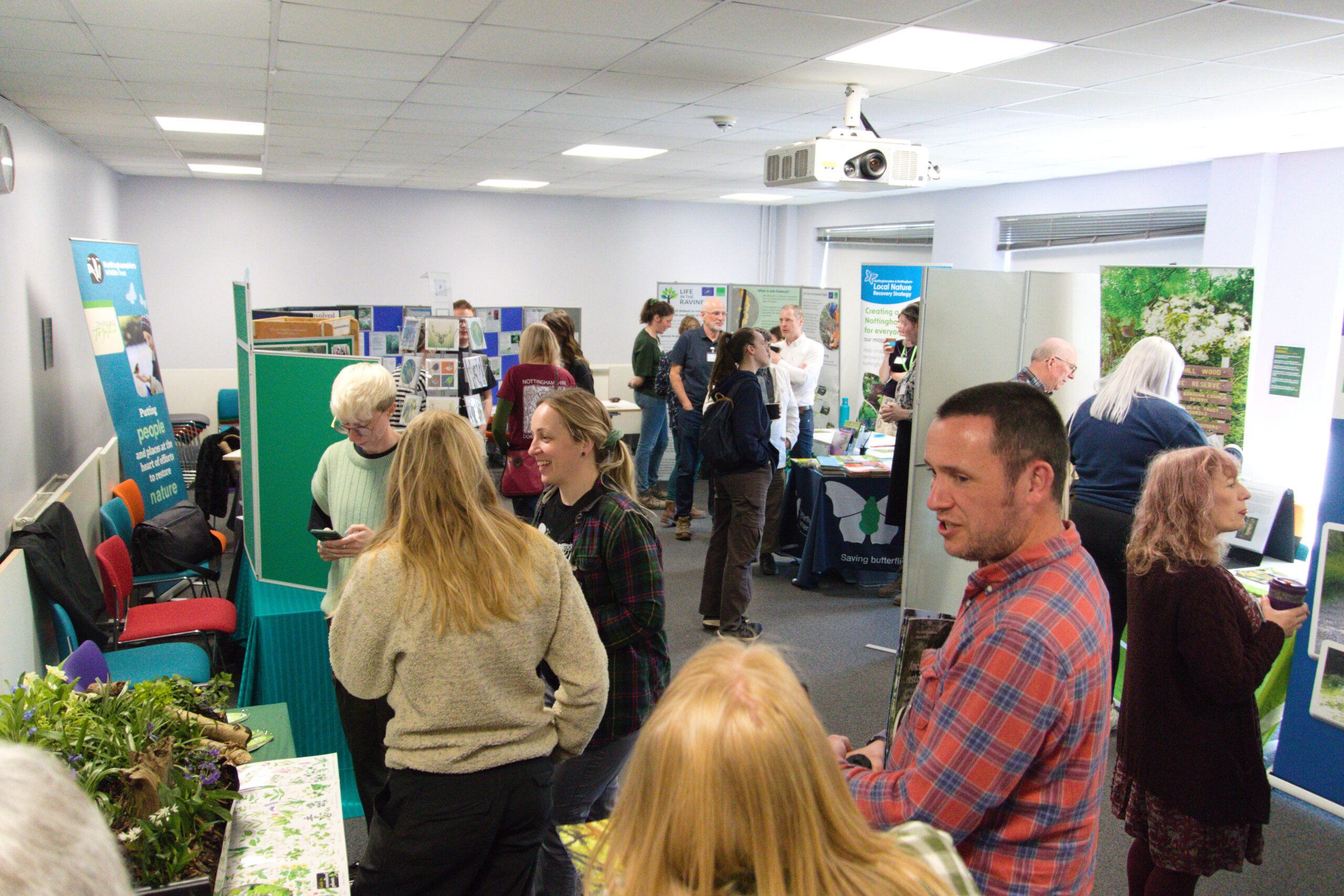
Notts BAG Forum Event 2025!

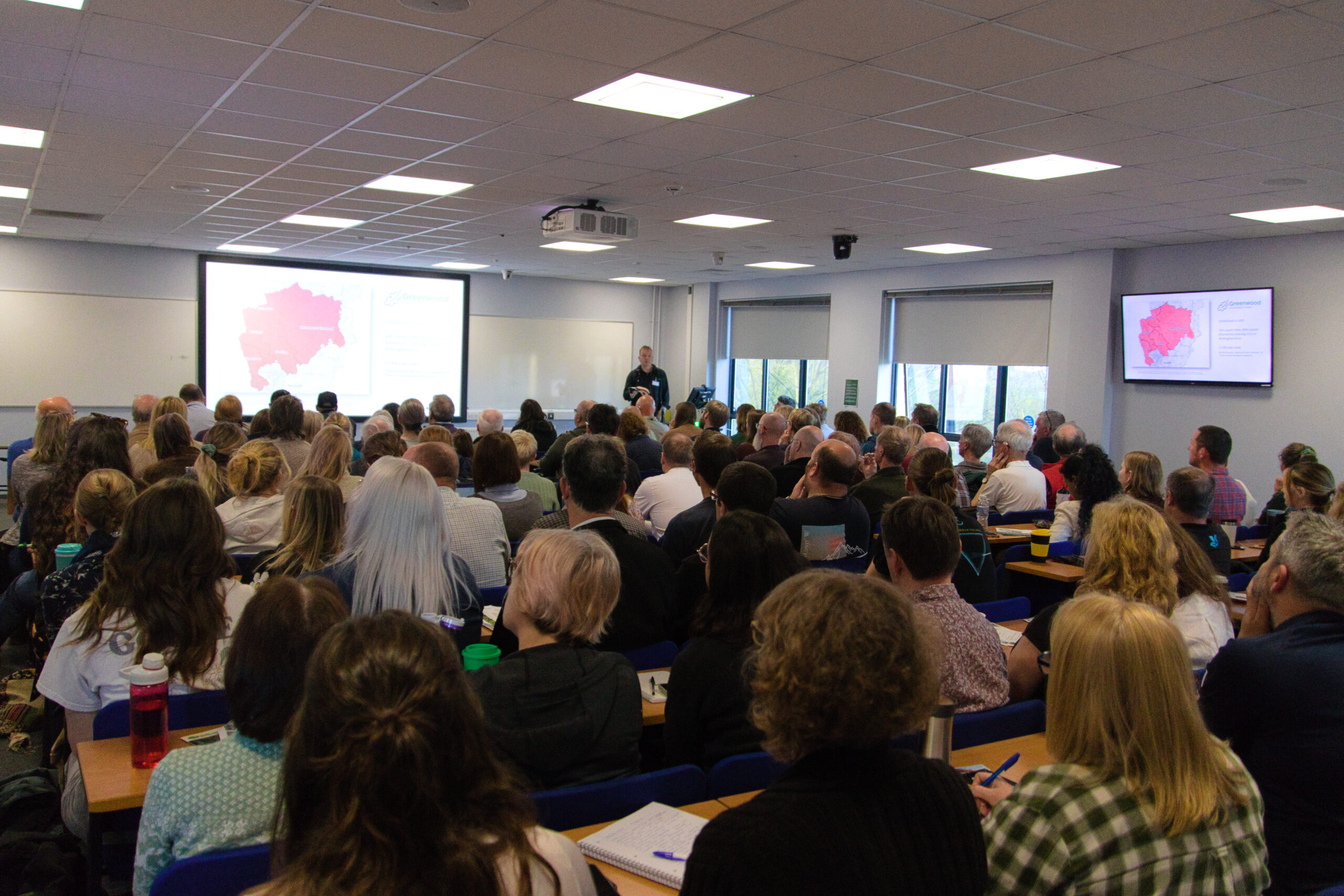
On 7th April 2025, partners of Notts BAG came together for this year’s Annual Forum, themed around woodland habitats as part of our rotating LBAP focus.

The aim of the event is to bring together the different partners of Notts BAG to encourage discussion and hopefully inspire new conservation projects around the county. The event was a real success, with strong attendance and positive feedback from participants. Talks were given by a variety of specialists from different organisations such as National Trust, Notts Wildlife Trust, Natural England and the Woodland Trust. Key highlights included:

  • Adam Cormack’s (Woodland Trust) opening talk on the State of UK Woodlands – the most highly rated of the day.
  • Engaging sessions from Rina Quinlan on Mega Herbivores, Louise Hackett (Woodland Trust) on Ancient Woodland, and Michael Walker (Notts Wildlife Trust) on Woodland Management.
  • Positive comments on the event’s value for networking and project development across Nottinghamshire.

Looking ahead to 2026, our forum’s theme will be on landscape-scale conservation, with early suggestions around connecting habitats, community engagement, and urban wildlife.

Thank you to everyone who contributed to making this year’s forum so impactful!

Photo credit: Josh Shaw from NTU Brackenhurst

A Big Win for Oil Beetles

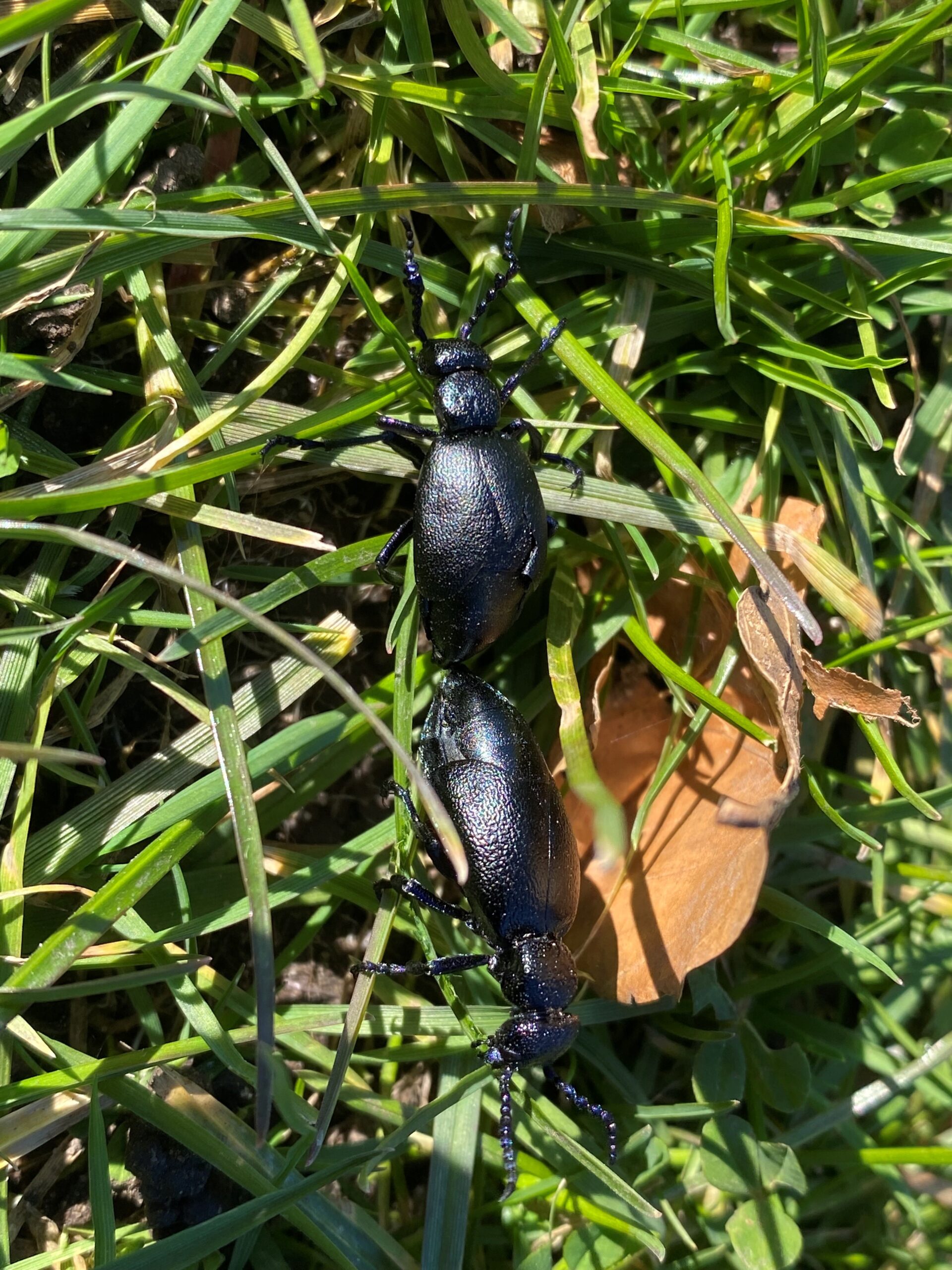
We’ve just had some incredible news for Nottinghamshire’s invertebrate scene – 55 oil beetles have been found at the cricket pitch near Newstead Abbey Park! This is the highest number recorded at this site, since they were first rediscovered within Sherwood Forest National Nature Reserve in 2011 after disappearing for over 50 years.

2 Oil Beetles at Newstead Abbey Cricket Pitch

Oil beetles have one of the most extraordinary life cycles of any British insect. Their tiny, louse-like larvae (called triungulins) rely on solitary mining bees to survive. The larvae climb up flowers and hitch a ride on unsuspecting bees, who carry them back to their underground nests. Once inside, the triungulin feeds on the bee’s eggs and stored pollen before pupating and emerging as an adult oil beetle the following year. Because of this unusual relationship, oil beetles are a fantastic indicator of a healthy bee population and wildflower-rich habitat. Their presence at Newstead is a great sign for local biodiversity!

However, oil beetles are in serious decline. Three of the UK’s native oil beetles are extinct, and the remaining five—including the Black Oil Beetle (Meloe proscarabaeus) found at Newstead—are struggling. Their loss is directly linked to habitat destruction and the decline of wild bees, which have been hit hard by intensive agriculture, land use change, urban development, and climate change.

The Legendary Major Oak: supported by science

The Major Oak in Sherwood Forest, estimated to be over 1,100 years old, is one of Britain’s most iconic and ancient trees. It is famous not only for its sheer size (with a circumference of 11 meters and a 28-meter canopy) but also for its legendary connection to Robin Hood. Despite its age, the tree retains its full canopy, but it faces significant challenges due to soil compaction, historic interventions, and climate stress.

The Major Oak. Photo from RSPB

Since the Victorian Era, numerous preservation efforts have included bracing chains, props, fibreglass (formerly lead) sheets, concrete infilling and fire-retardant paint. Unfortunately, these have caused more harm than good. Today, decades of soil compaction caused by foot traffic remains the most pressing issue – the compacted soil prevents healthy root growth and microbial interactions vital for the tree’s health. Furthermore, changes in our climate – with periods of drought and intense rainfall, have made the Major Oak fragile.

A soil analysing station at the Major Oak. Photo from RSPB

The Major Oak is undeniably in decline, which is unsurprising for a tree of this grand age. But, to sustain it for as long as possible, the RSPB and experts have initiated a five-year programme of works to restore vitality to the Major Oak. Efforts include aerating the soil, adding organic matter, and allowing natural vegetation to grow around the tree. Many of these techniques are innovative and based on new scientific research. In 2023 and 2024, with stringent supervision from soil experts, trenches were carefully excavated and backfilled with enriched soil to reinvigorate microbial activity, enabling the roots to access more resources and bringing it back to life. This work is hoping to act as a catalyst for natural life cycles, ensuring minimal intervention in the future.

Despite its challenges, the Major Oak remains a symbol of ecological and cultural importance. These will extend its life and preserve it as a living testament to ancient tree management. This ancient tree will continue to inspire visitors and conservationists worldwide.

Find out more detail about these conservation works here.

Restoring Heathland: Volunteers tackle invasive scrub

Heathland is an internationally important habitat found across the Sherwood landscape in central Nottinghamshire. Characterised by open areas dominated with shrubs from the heather family and interspersed with areas of acid grassland and occasional trees and copses, this biodiversity resource supports a unique suite of species.

Close to Rainworth, Nottinghamshire County Council own and manage a small area of heathland that lies adjacent to the appropriately named Heathlands Primary School. The site has been managed over recent years to maintain its open nature and to increase the amount of heather present at the site. This has been done by creating scrapes across the site and then seeding these with heather seed supplied from other sites in Nottinghamshire.

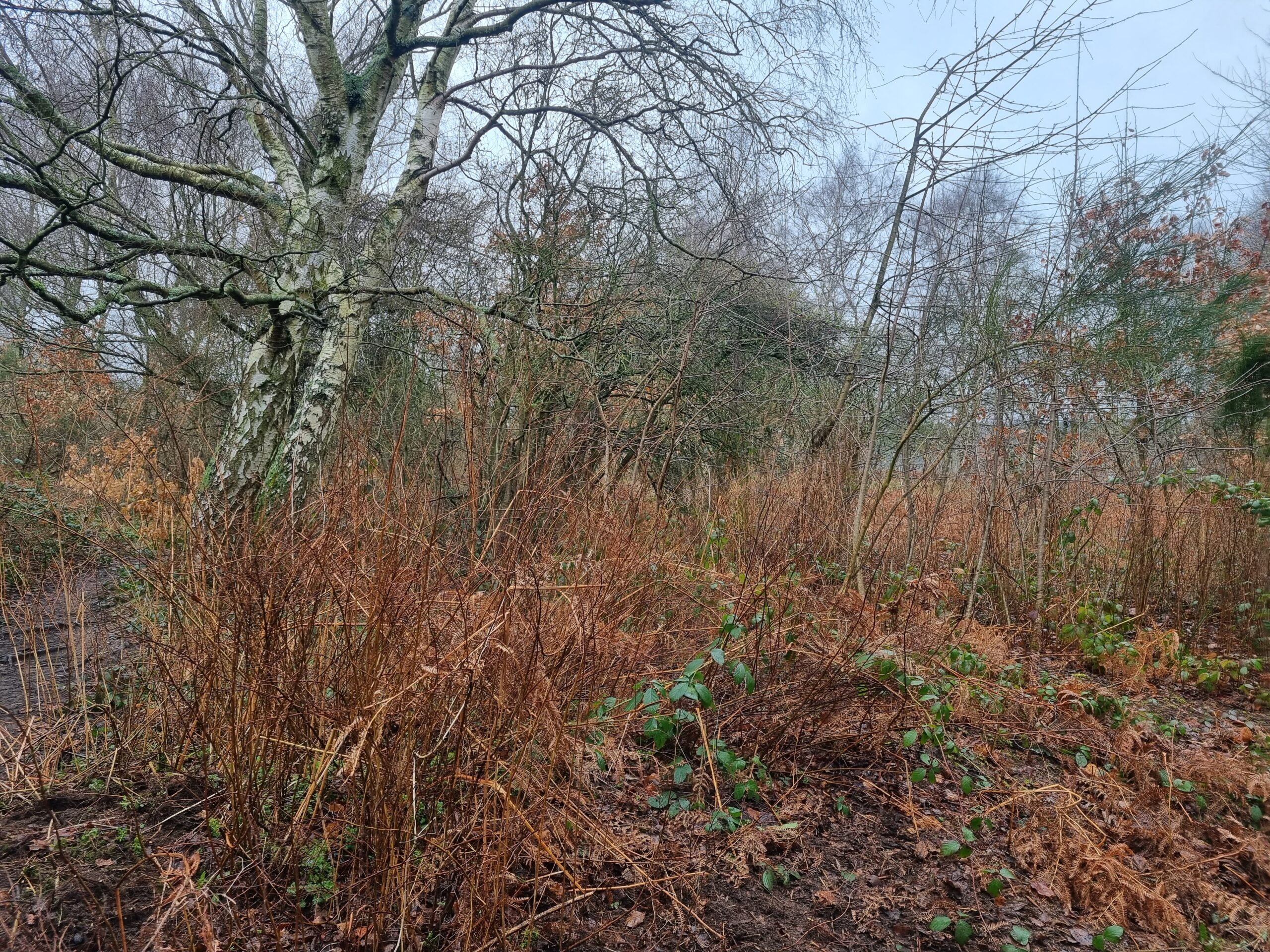
Spirea patch (before)

Earlier this week, staff from the County Council, members of the Employees Green Initiative Group (EGIG) kindly gave up their own time to spend an afternoon helping to manage this magical space. Their work focused on clearing invasive vegetation. Gorse was cut back, and small trees were removed to maintain the open nature of the site. Volunteers also tackled a large patch of Spirea, a common but invasive garden plant that had taken hold on this site after being dumped as garden waste.

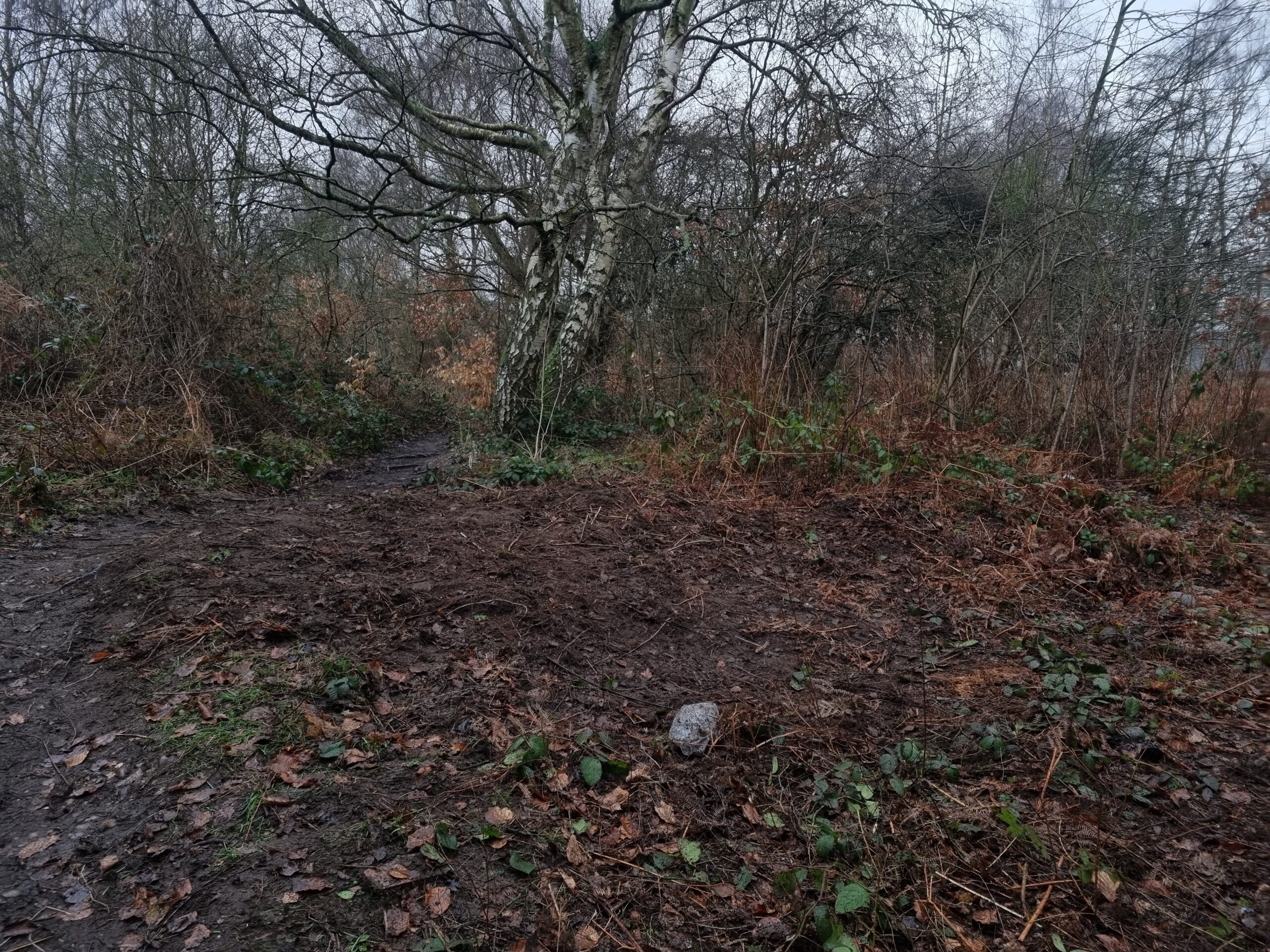
Spirea patch (after)

Thanks to their efforts, the site is now in a much better condition, and by the autumn, it should be showing signs of significant heathland recovery.

EGIG volunteers cutting back gorse

Clearing the way for Nottinghamshire’s butterflies

Volunteers have been busy at Newstead and Annesley Country Park recently undertaking work to support a range of butterflies for Nottinghamshire. The former pit tip has evolved into a brilliant space for wildlife, supporting butterfly species such as Dingy Skipper and Green Hairstreak – all Local Biodiversity Action Plan species (Species Action Plan). Both Dingy Skipper and Green Hairstreak have robust populations here, and the work aimed to maintain the areas of open space utilised by these small spring flying butterflies. 

Scrub clearance (before) at Newstead and Annesley Country Park

17 enthusiastic volunteers worked hard, cutting back regenerating scrub to ensure there are open areas for the Grizzled Skipper to lay their eggs. The volunteers also created an interesting transitional zone between the open areas, the scrub, and the adjacent young woodland. This formed an ecotone which will provide important habitats for a wide range of species to enjoy.  

 Scrub clearance (after) at Newstead and Annesley Country Park

There are still 3 more Grizzled Skipper Work Parties planned over the next few weeks, and we always need the help of more volunteers. If you are free and would like to get involved in action to help to conserve the Grizzled Skipper butterfly, then please contact us and we can send you more details. https://nottsbag.org.uk/events/

Local Nature Recovery Strategy (LNRS) for Nottinghamshire and Nottingham: Update

The Local Nature Recovery Strategy (LNRS) is a new England-wide system of spatial strategies established by the Environment Act 2021. Its purpose is to help reverse the ongoing decline in nature by establishing priorities and priority locations for nature recovery. This will help to inform the delivery of Biodiversity Net Gain (BNG). Nottinghamshire County Council (NCC) is the organisation leading the development of the LNRS for Nottinghamshire and Nottingham City, working closely with key stakeholders including Notts BAG.

The final LNRS will consist of an online document – the Statement of Biodiversity Priorities – which identifies priorities and actions for nature recovery.  This will be complemented by an interactive map – the Local Habitat Map – which identifies the most valuable existing areas for nature, and the most important areas for implementing habitat creation, restoration and enhancement, in line with the Lawton Principles of bigger, better, more, and joined up.

A forest path, Nottinghamshire

Currently the LNRS team at NCC is finalising the draft document and map.  The draft LNRS will then go out for public consultation beginning on 6th May 2025 and lasting for 6 weeks.  All organisations, farmers and landowners, and the general public will have the chance to comment on the proposals.  The final LNRS is expected to be published in September 2025, following the review of comments submitted.

For more information, please visit the LNRS page on the County Council website here: Local nature recovery strategy for Nottinghamshire | Nottinghamshire County Council

If you would like to be added to the LNRS email list for the consultation stage, please email LNRSNN@nottscc.gov.uk

Invasive Species: Japanese Knotweed removal along the River Leen

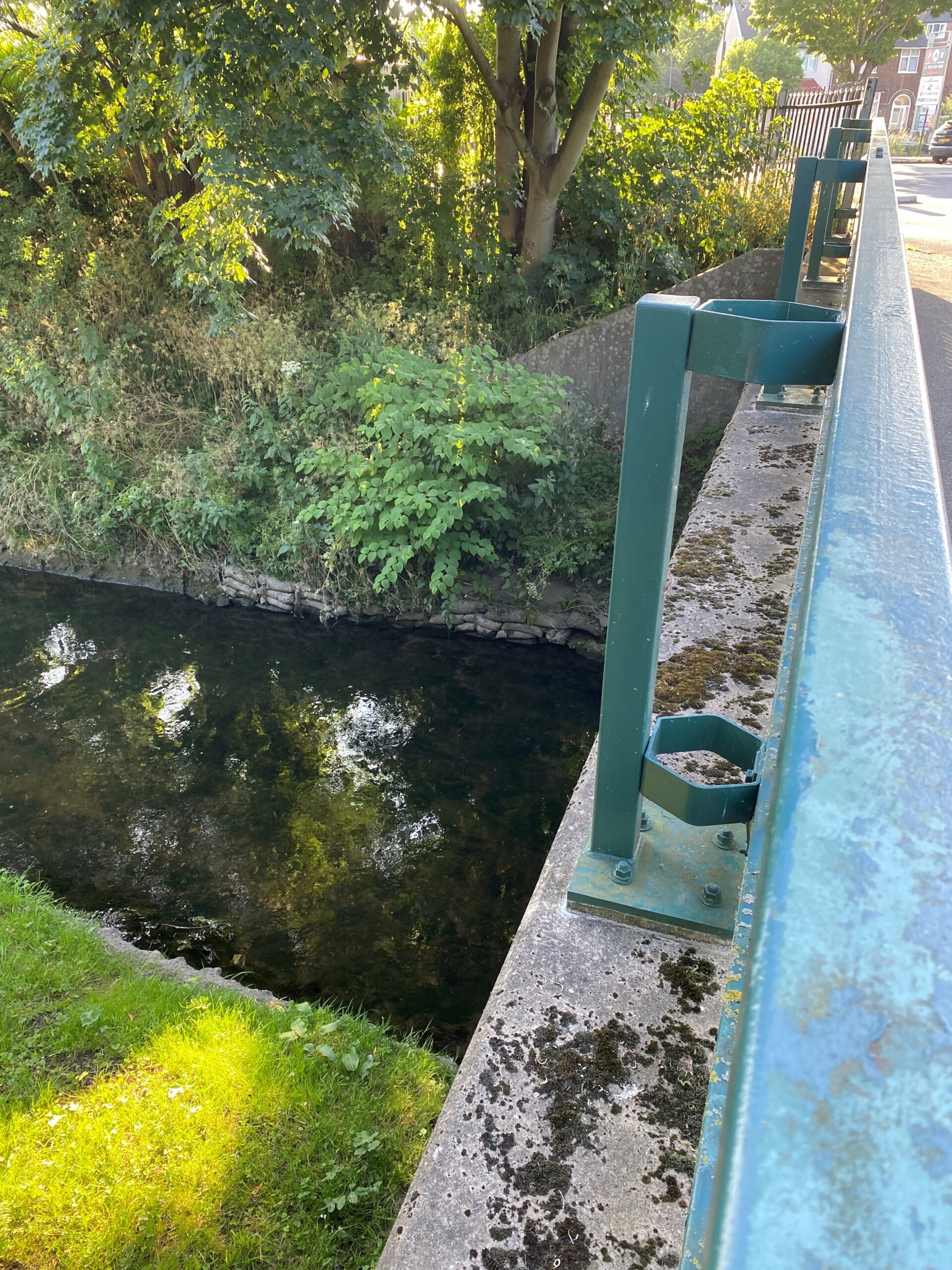
Japanese Knotweed is a highly invasive non-native plant that has spread across Nottinghamshire and the rest of the UK since it was first recorded in the wild, in Wales, in 1886. In Nottingham City the plant can be found at numerous locations along the River Leen from Bulwell through to Lenton. Recently, the Environment Agency (EA) has adopted a more coordinated and targeted approach, aiming to make treatment and monitoring an annual effort.

Japanese Knotweed along the River Leen

Between late August and November 2024, EA targeted fourteen sites along the riverbank using the stem injection method. This technique involves injecting glyphosate directly into the plant’s stems while it is in active growth, just before it dies back. Smaller plants were treated with knapsack spraying, using an approved herbicide product to use alongside watercourses to sensitively target only the non-native invasive plant. Stem injection is a very effective way of treating Japanese knotweed.  The herbicide is injected into the plants internal system killing the whole plant, including its rhizomes (root system).

Japanese Knotweed along the River Leen (before treatment)

In Spring/Summer 2025, the team will monitor regrowth at treated sites and carry out further treatments as needed to prevent the plant from spreading. Additionally, new knotweed sites have been identified, including some in difficult-to-access areas. Plans are underway to improve access to these locations, so treatment can begin next year.

Notts BAG is currently updating Nottinghamshire’s Japanese knotweed database and is calling on volunteers to report sightings or provide updates on known sites. Several volunteers have already contributed by identifying new locations and gathering data, which will be vital for future treatment efforts. If you know of any Japanese knotweed sites, please contact biodiversity@nottscc.gov.uk. We will require information on where it was seen (a grid reference or what3words location is preferable), when it was seen, and your details so that we can contact you if we require further information. Alternatively, you can also log your findings on iRecord and iNaturalist.

Join the Nottinghamshire Toad Patrols 2025

As spring approaches, toads and other amphibians will begin their annual migration to breeding ponds from their winter habitats. When they start to get active in the spring toads are overwhelmed with a need to visit their breeding ponds and for their first few active weeks this will be their priority. Along the way they may have to cross busy roads, which increasingly is leading to high mortality rates in this species and in other amphibians. Over the last 30 years the UK’s population of common toads has declined by 68%.

Toad and amphibian patrols have been around for many years reducing the number of deaths on the roads. Since 2023 the Nottinghamshire Amphibian and Reptile Group (Notts ARG) have been involved with the patrols and now manage most of the existing Nottinghamshire patrols as part of Froglife’s Toads on Roads project (as well as registering new sites – in 2024 they registered 4 new crossings). The patrols advise drivers to reduce their speed and highlight the signs of amphibians crossing. At all patrol sites they help toads cross the roads to safety.

These toad patrols have paid a huge role in their conservation – in 2024 volunteers helped to save 2000 amphibians, 1780 of which were common toads.

To prepare for the upcoming migratory season, Notts ARG is hosting a free online session on February 8th to help volunteers learn about amphibian identification, toad ecology, and how to safely conduct a patrol. The event is open to anyone interested, whether you’re experienced or new to wildlife conservation. You can sign up here: https://www.eventbrite.com/e/amphibian-patrol-training-and-amphibian-id-tickets-1115407205979?

By volunteering this spring, you’ll help ensure that migrating amphibians safely reach their breeding ponds and contribute to protecting Nottinghamshire’s biodiversity.