




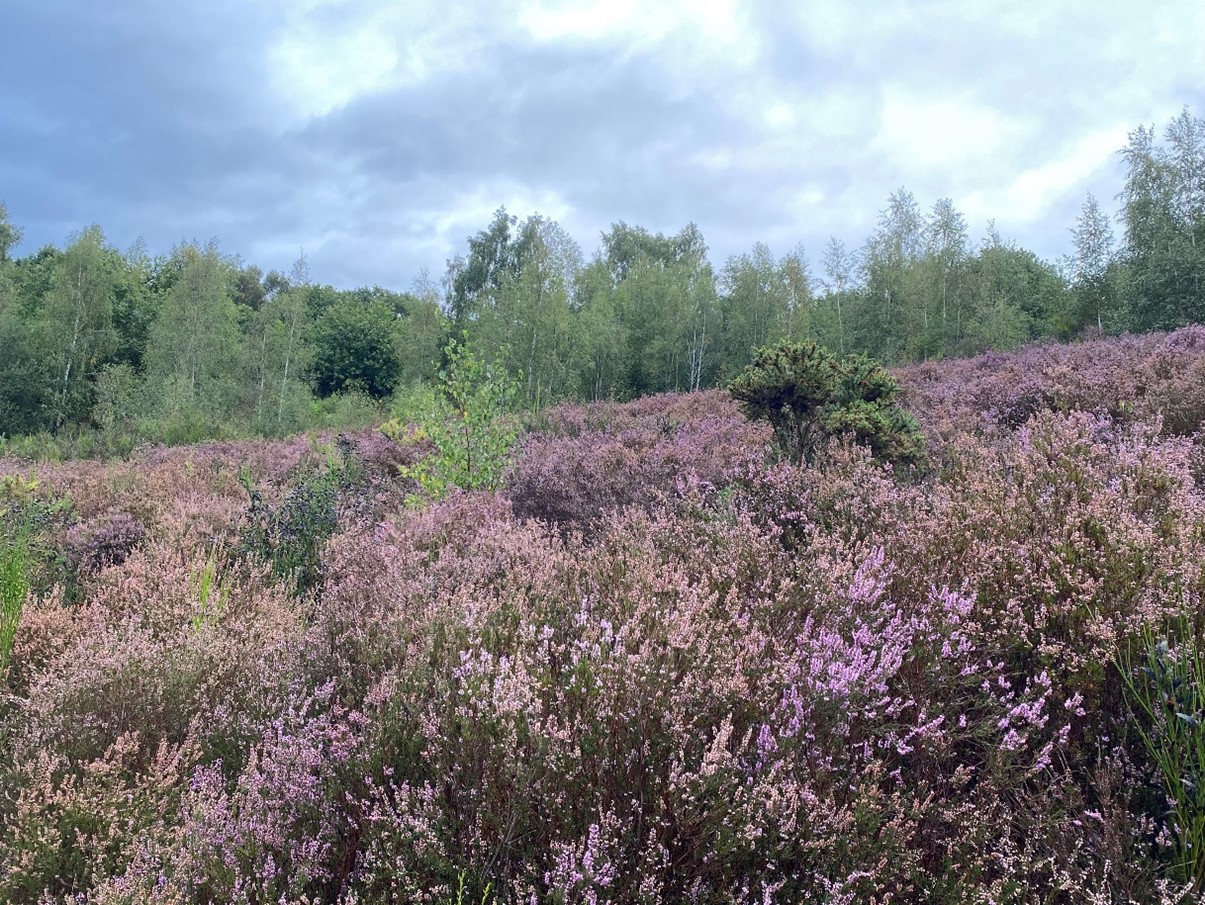


Grizzled Skipper Project

The grizzled skipper is a locally rare butterfly. The project is supported by local volunteers who undertake practical habitat management as well as surveying and monitoring the butterfly during the flight season (April-June)....read more
Nottinghamshire & Nottingham’s LNRS
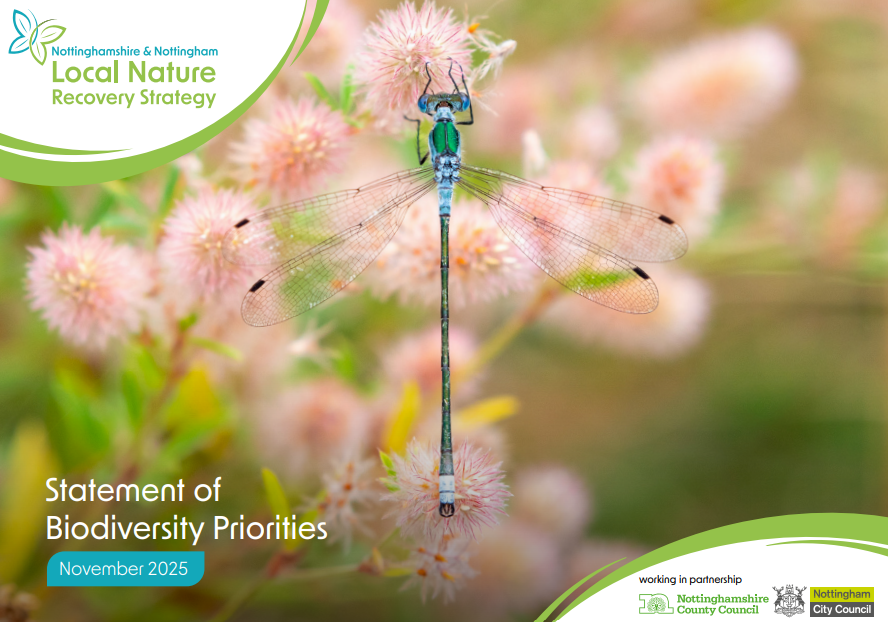
The Local Nature Recovery Strategy (LNRS) is a strategy to improve the state of nature by identifying priorities for nature recovery, identifying locations and habitats to improve which will have the greatest benefit for the environment, and influence local planning policy for nature recovery... read more
Nottinghamshire Wildlife Trust
 Nottinghamshire Wildlife Trust (NWT) believes that everyone should have the opportunity to live in a healthy, wildlife-rich natural world. Sadly our environment is under threat like never before, and Nottinghamshire Wildlife Trust is committed to working with others to limit and reverse the impacts of the nature and climate emergencies, and to inspire individuals to take action for nature...read more
Invasive Species Spotlight: Killer & Demon Shrimp
Killer Shrimp (Dikerogammarus villosus) are an Invasive Non-Native Species originating from Eastern Europe that were first recorded in the UK in 2010. It is believed that they spread here via ballast water, and they are now found in several places throughout the UK. Demon Shrimp (Dikerogammarus haemobaphes) are spread more widely throughout the UK than Killer Shrimp but are less well understood. They were first recorded in the UK in 2012 and are known to be present in Nottinghamshire. There are no records of Killer Shrimp in Nottinghamshire at this time.
 Demon Shrimp found in Nottinghamshire
Image: Kayleigh Woodhouse
Dikerogammaru species are voracious predators of native freshwater invertebrates and fish eggs/young which can affect the diversity of our watercourses. They also carry a number of parasites which can cause disease in salmonid fish and other invertebrates. It is therefore important that we act to prevent their spread.
What can we do?
- Follow biosecurity protocols – Dikerogammarus species and their eggs can be spread on wet clothing and equipment, so ensure the Check, Clean, Dry procedure is followed when using our waterways
- Report sightings of Killer or Demon Shrimp so that we can monitor their distribution. Killer Shrimp can be difficult to identify and must be verified by an expert – please keep hold of the specimen and get in contact with us at biodiversity@nottscc.gov.uk if you believe you have found a Killer Shrimp. Records of Demon Shrimp can be submitted using iRecord or directly to the NBGRC.
For more information on invasive species in Nottinghamshire and the work the Notts BAG partnership are doing to prevent their spread, take a look at the Nottinghamshire Invasive Non-Native Species Initiative.