




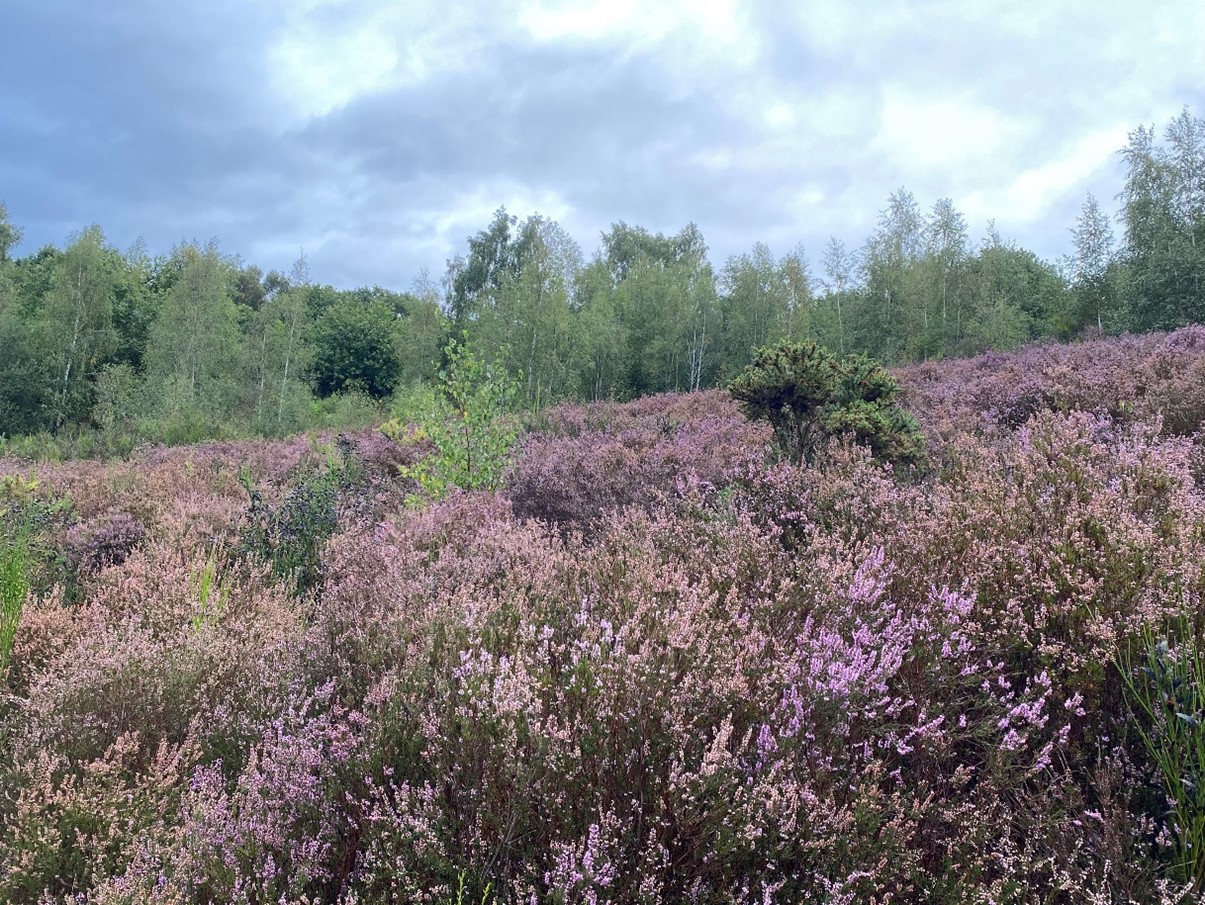


Grizzled Skipper Project

The grizzled skipper is a locally rare butterfly. The project is supported by local volunteers who undertake practical habitat management as well as surveying and monitoring the butterfly during the flight season (April-June)....read more
Nottinghamshire & Nottingham’s LNRS
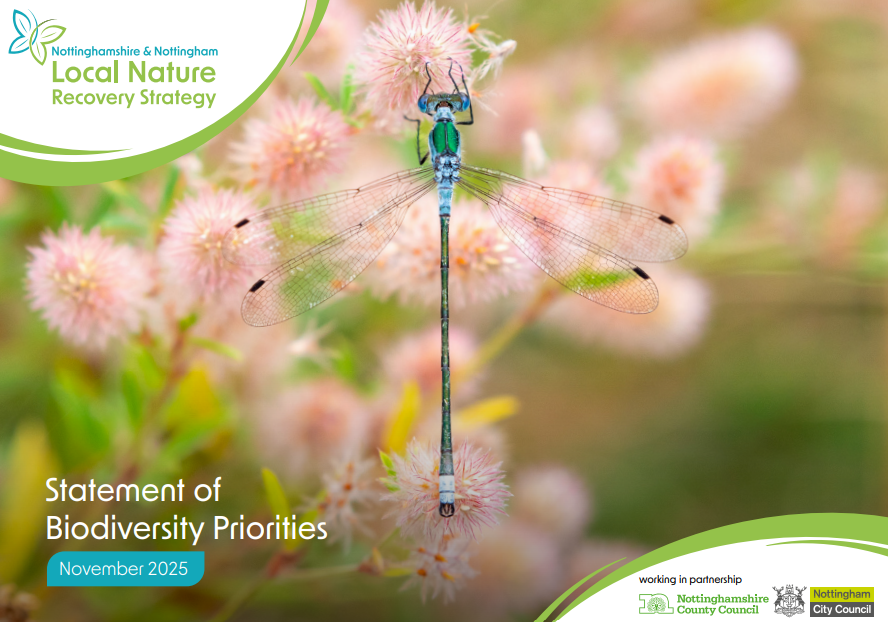
The Local Nature Recovery Strategy (LNRS) is a strategy to improve the state of nature by identifying priorities for nature recovery, identifying locations and habitats to improve which will have the greatest benefit for the environment, and influence local planning policy for nature recovery... read more
Nottinghamshire Wildlife Trust
 Nottinghamshire Wildlife Trust (NWT) believes that everyone should have the opportunity to live in a healthy, wildlife-rich natural world. Sadly our environment is under threat like never before, and Nottinghamshire Wildlife Trust is committed to working with others to limit and reverse the impacts of the nature and climate emergencies, and to inspire individuals to take action for nature...read more
Invasive Species: Japanese Knotweed removal along the River Leen
Japanese Knotweed is a highly invasive non-native plant that has spread across Nottinghamshire and the rest of the UK since it was first recorded in the wild, in Wales, in 1886. In Nottingham City the plant can be found at numerous locations along the River Leen from Bulwell through to Lenton. Recently, the Environment Agency (EA) has adopted a more coordinated and targeted approach, aiming to make treatment and monitoring an annual effort.

Japanese Knotweed along the River Leen
Between late August and November 2024, EA targeted fourteen sites along the riverbank using the stem injection method. This technique involves injecting glyphosate directly into the plant’s stems while it is in active growth, just before it dies back. Smaller plants were treated with knapsack spraying, using an approved herbicide product to use alongside watercourses to sensitively target only the non-native invasive plant. Stem injection is a very effective way of treating Japanese knotweed. The herbicide is injected into the plants internal system killing the whole plant, including its rhizomes (root system).
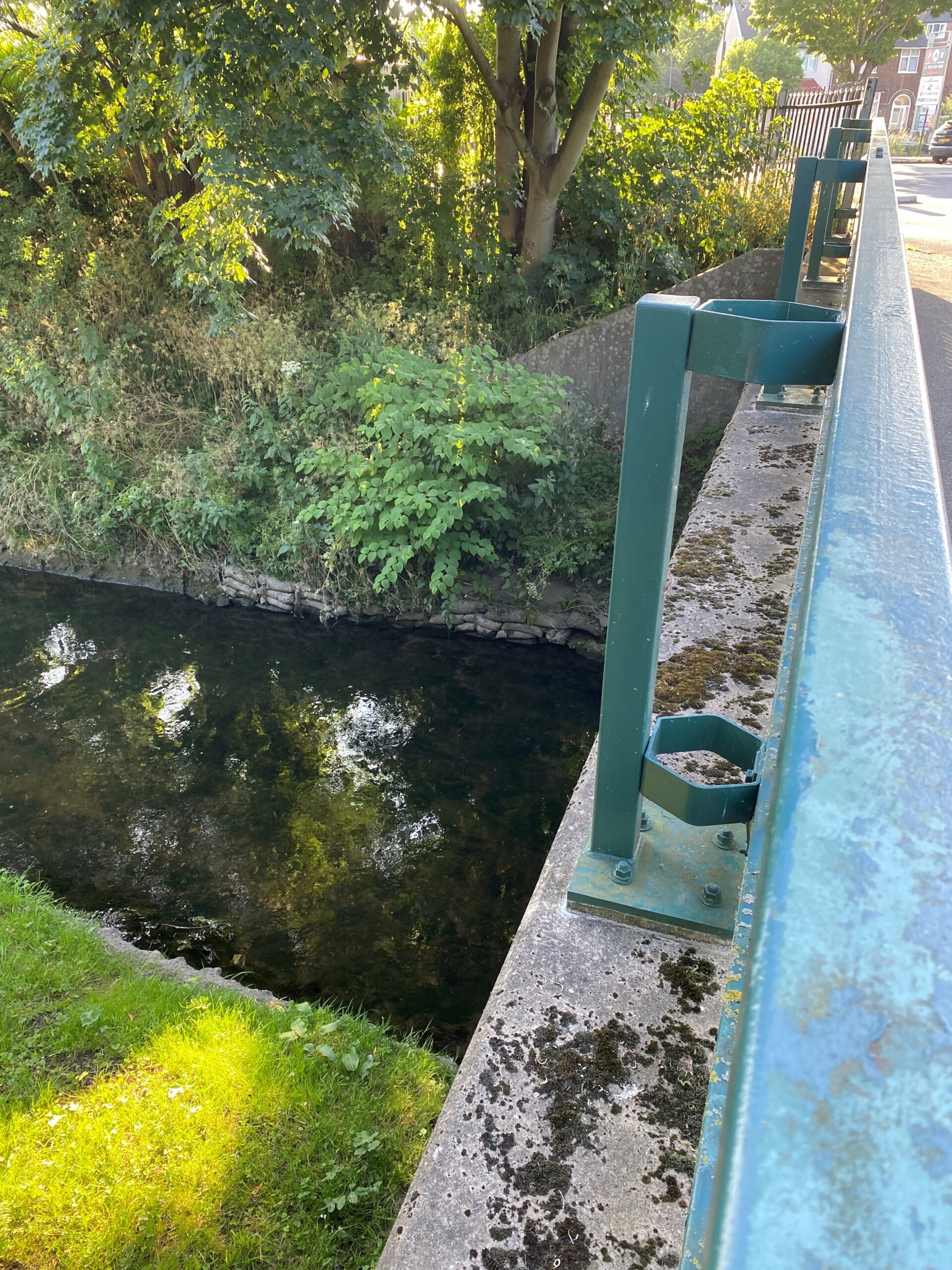
Japanese Knotweed along the River Leen (before treatment)
In Spring/Summer 2025, the team will monitor regrowth at treated sites and carry out further treatments as needed to prevent the plant from spreading. Additionally, new knotweed sites have been identified, including some in difficult-to-access areas. Plans are underway to improve access to these locations, so treatment can begin next year.
Notts BAG is currently updating Nottinghamshire’s Japanese knotweed database and is calling on volunteers to report sightings or provide updates on known sites. Several volunteers have already contributed by identifying new locations and gathering data, which will be vital for future treatment efforts. If you know of any Japanese knotweed sites, please contact biodiversity@nottscc.gov.uk. We will require information on where it was seen (a grid reference or what3words location is preferable), when it was seen, and your details so that we can contact you if we require further information. Alternatively, you can also log your findings on iRecord and iNaturalist.