




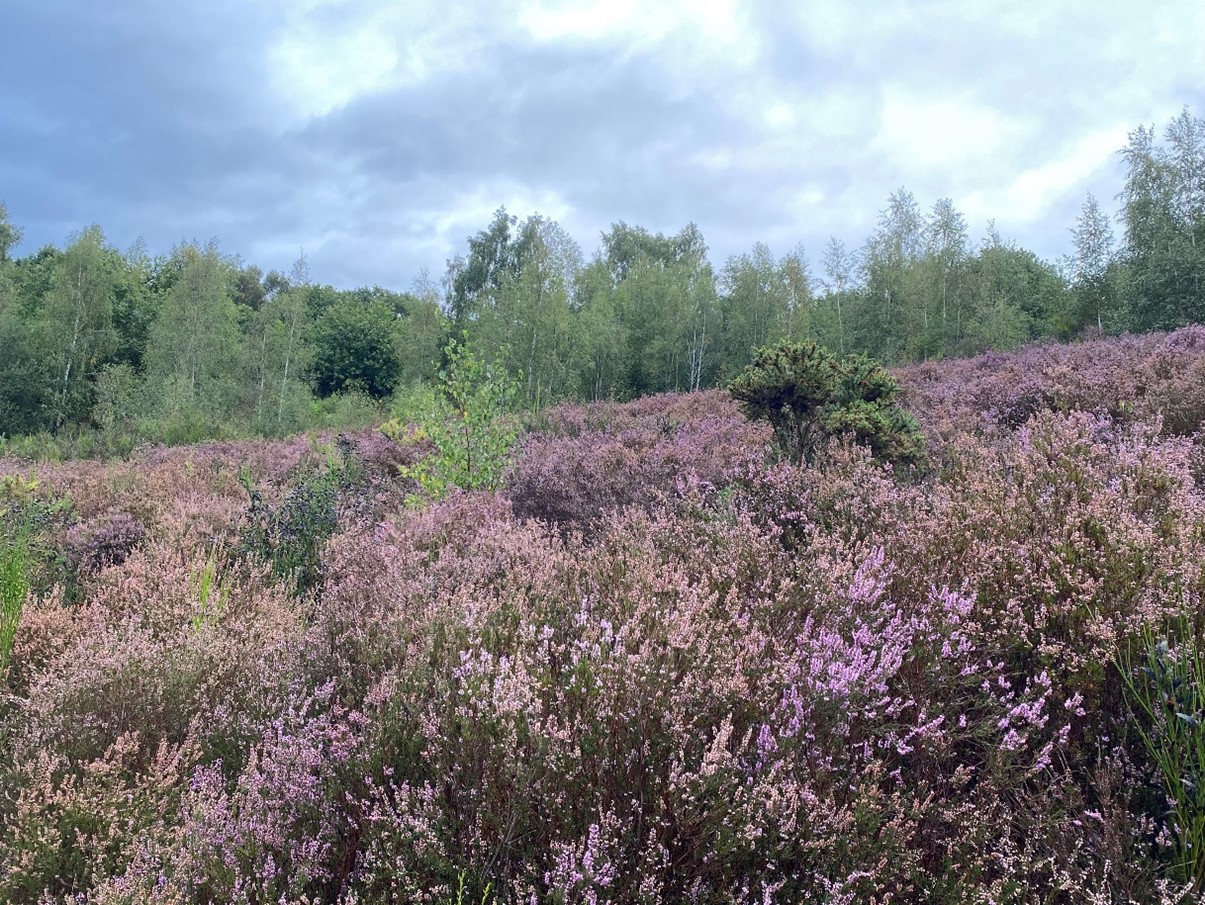


Grizzled Skipper Project

The grizzled skipper is a locally rare butterfly. The project is supported by local volunteers who undertake practical habitat management as well as surveying and monitoring the butterfly during the flight season (April-June)....read more
Nottinghamshire & Nottingham’s LNRS
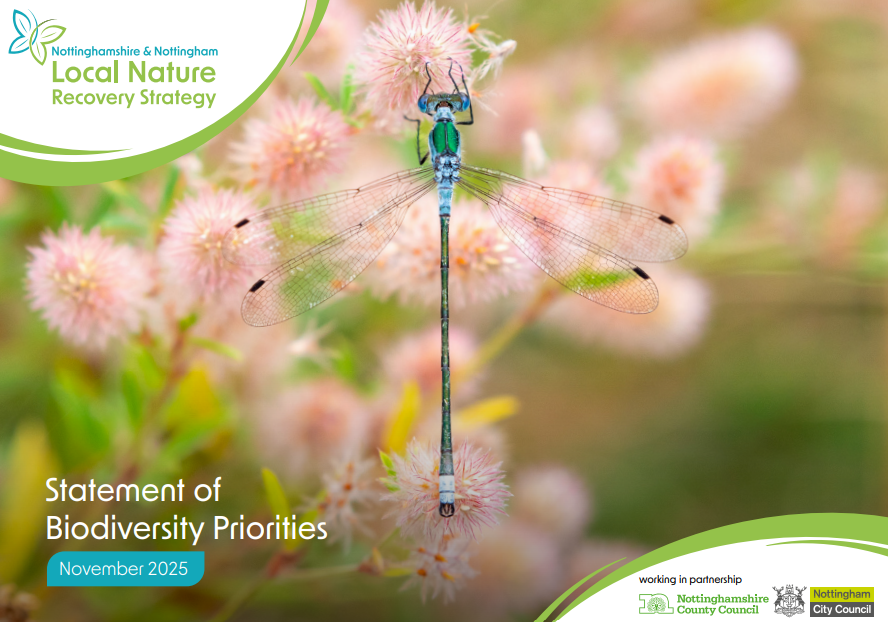
The Local Nature Recovery Strategy (LNRS) is a strategy to improve the state of nature by identifying priorities for nature recovery, identifying locations and habitats to improve which will have the greatest benefit for the environment, and influence local planning policy for nature recovery... read more
Nottinghamshire Wildlife Trust
 Nottinghamshire Wildlife Trust (NWT) believes that everyone should have the opportunity to live in a healthy, wildlife-rich natural world. Sadly our environment is under threat like never before, and Nottinghamshire Wildlife Trust is committed to working with others to limit and reverse the impacts of the nature and climate emergencies, and to inspire individuals to take action for nature...read more
The Legendary Major Oak: supported by science
The Major Oak in Sherwood Forest, estimated to be over 1,100 years old, is one of Britain’s most iconic and ancient trees. It is famous not only for its sheer size (with a circumference of 11 meters and a 28-meter canopy) but also for its legendary connection to Robin Hood. Despite its age, the tree retains its full canopy, but it faces significant challenges due to soil compaction, historic interventions, and climate stress.

The Major Oak. Photo from RSPB
Since the Victorian Era, numerous preservation efforts have included bracing chains, props, fibreglass (formerly lead) sheets, concrete infilling and fire-retardant paint. Unfortunately, these have caused more harm than good. Today, decades of soil compaction caused by foot traffic remains the most pressing issue – the compacted soil prevents healthy root growth and microbial interactions vital for the tree’s health. Furthermore, changes in our climate – with periods of drought and intense rainfall, have made the Major Oak fragile.

A soil analysing station at the Major Oak. Photo from RSPB
The Major Oak is undeniably in decline, which is unsurprising for a tree of this grand age. But, to sustain it for as long as possible, the RSPB and experts have initiated a five-year programme of works to restore vitality to the Major Oak. Efforts include aerating the soil, adding organic matter, and allowing natural vegetation to grow around the tree. Many of these techniques are innovative and based on new scientific research. In 2023 and 2024, with stringent supervision from soil experts, trenches were carefully excavated and backfilled with enriched soil to reinvigorate microbial activity, enabling the roots to access more resources and bringing it back to life. This work is hoping to act as a catalyst for natural life cycles, ensuring minimal intervention in the future.
Despite its challenges, the Major Oak remains a symbol of ecological and cultural importance. These will extend its life and preserve it as a living testament to ancient tree management. This ancient tree will continue to inspire visitors and conservationists worldwide.
Find out more detail about these conservation works here.