




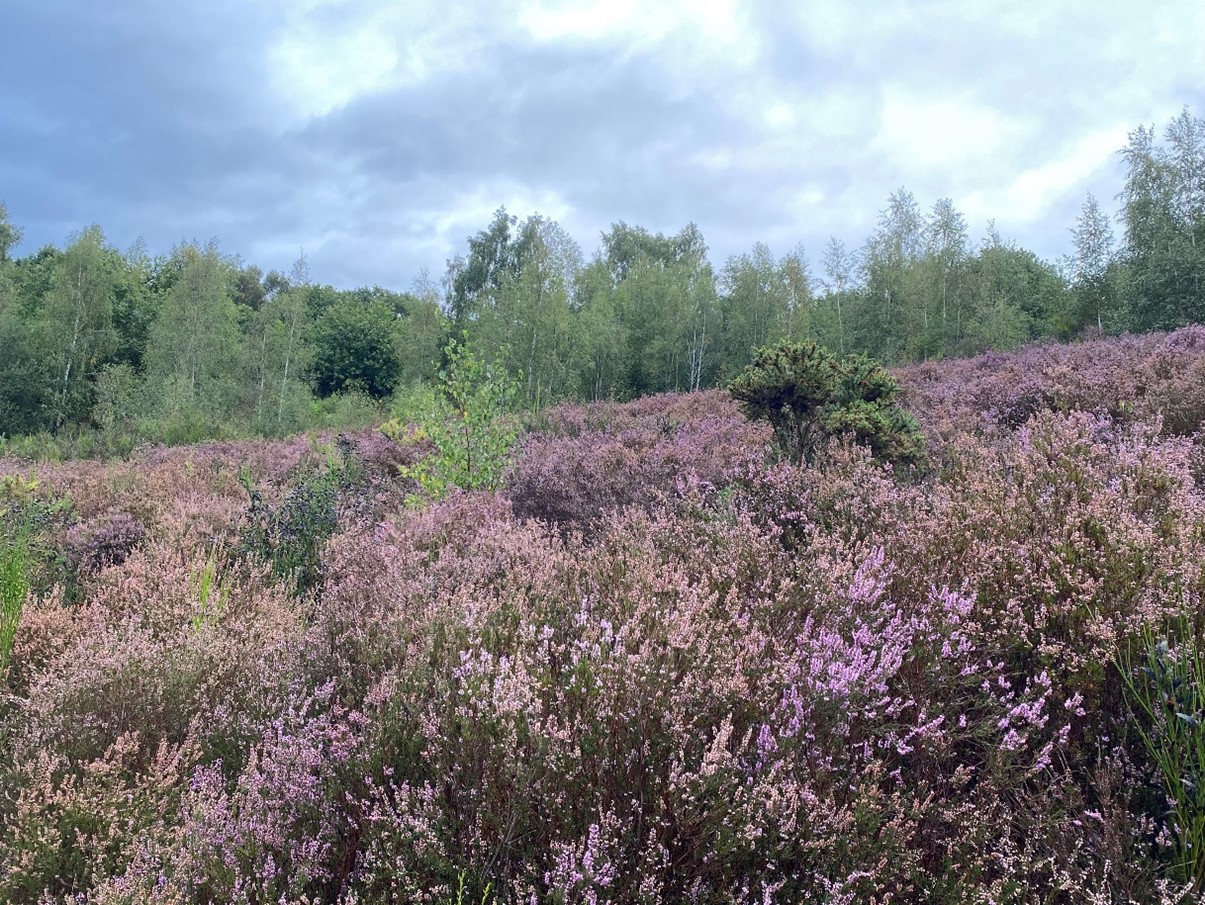


Grizzled Skipper Project

The grizzled skipper is a locally rare butterfly. The project is supported by local volunteers who undertake practical habitat management as well as surveying and monitoring the butterfly during the flight season (April-June)....read more
Nottinghamshire & Nottingham’s LNRS
The Local Nature Recovery Strategy (LNRS) is a strategy to improve the state of nature by identifying priorities for nature recovery, identifying locations and habitats to improve which will have the greatest benefit for the environment, and influence local planning policy for nature recovery... read more
Nottinghamshire Wildlife Trust
 Nottinghamshire Wildlife Trust (NWT) believes that everyone should have the opportunity to live in a healthy, wildlife-rich natural world. Sadly our environment is under threat like never before, and Nottinghamshire Wildlife Trust is committed to working with others to limit and reverse the impacts of the nature and climate emergencies, and to inspire individuals to take action for nature...read more
Reviving Brinsley’s Wetlands
At Brinsley, where the Dell flows, recent habitat improvements by Broxtowe District Council are helping to restore and enhance the wetland environment. What was once a series of small, shallow scrapes along the brook has now been reshaped into a more resilient and biodiverse space, benefitting species such as amphibians, birds and the endangered water vole.
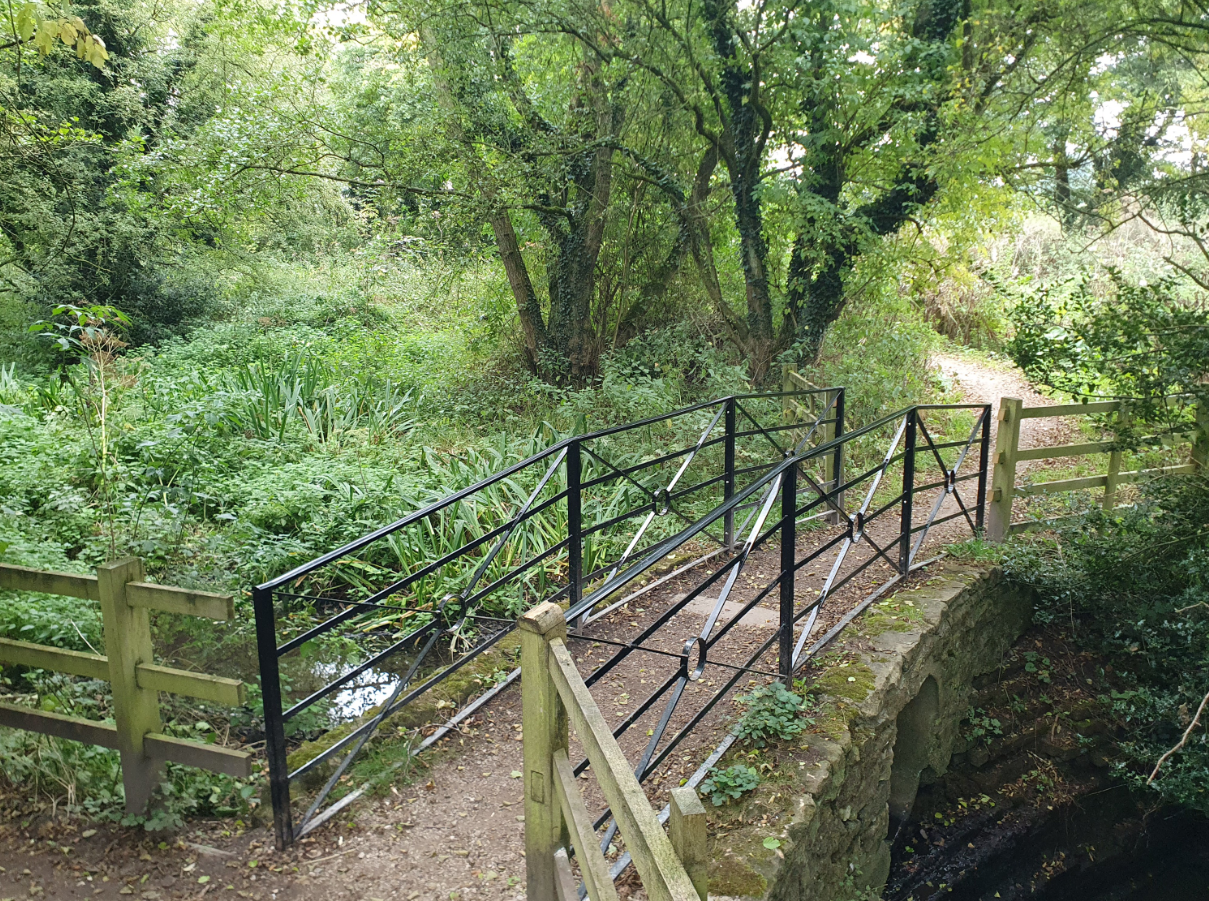
Brinsley (before)
Adjacent to this site is an important habitat for water voles where Notts Wildlife Trust have been improving their habitat. Inspired by this habitat work, they took the opportunity to enhance the site and improve connectivity for water voles.
To improve plant growth and encourage a more diverse ecosystem, overhanging sickly trees were removed, allowing more sunlight to reach the understory. The original three scrapes have been reconstructed into two, deeper ponds – one designed to hold water year-round as a refuge for the water voles and other species when the Dell is very low, while the other fills and drains naturally throughout the year. To protect the habitat from disturbance, stock fencing was installed to keep out dogs from disturbing the flora and fauna.
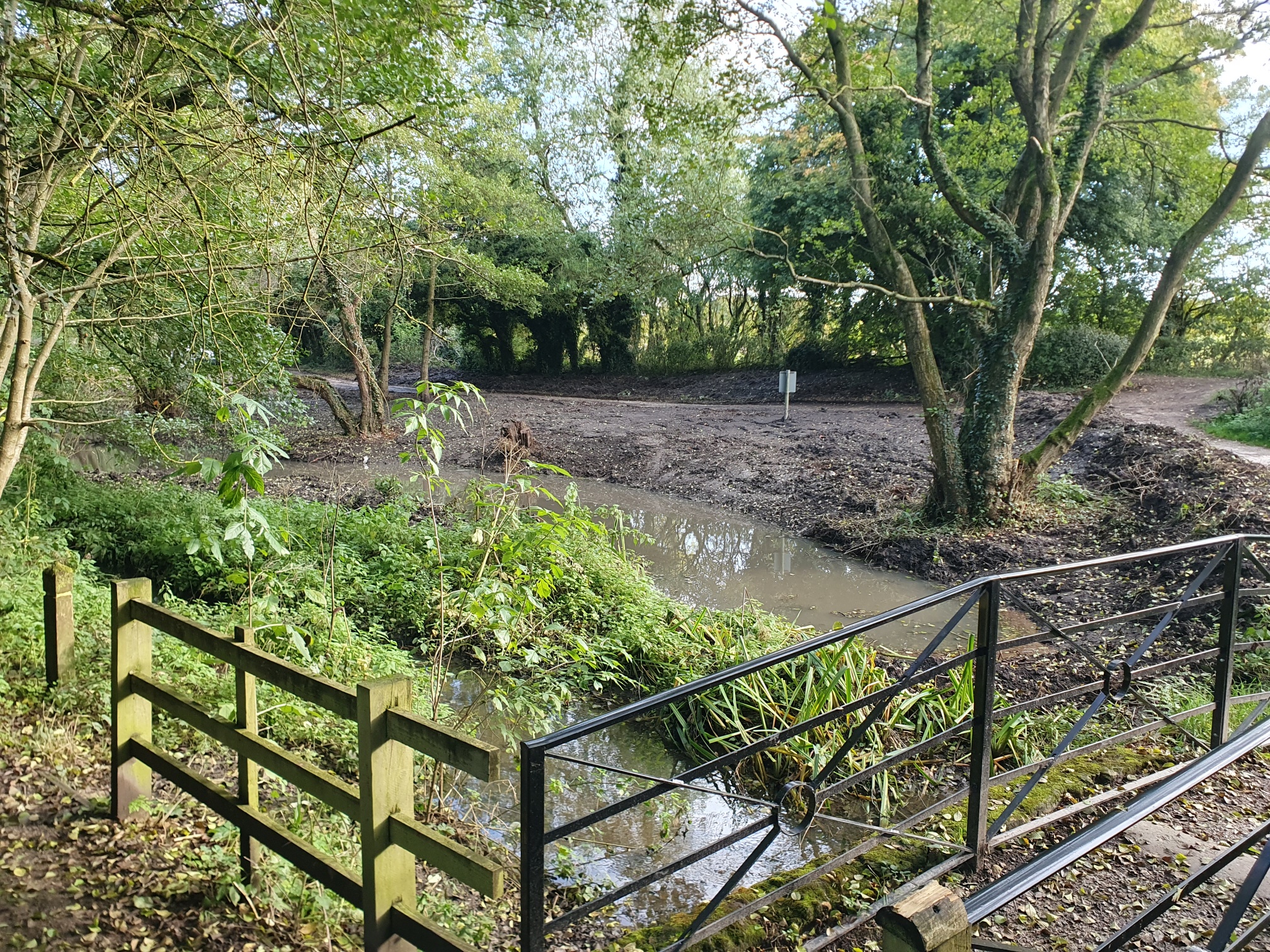
Brinsley (after) – pond creation
Along the edge, they have constructed a 1m bund using logs, branches, and stones to create a reptile hibernaculum, offering shelter for species such as smooth newts, which have already been recorded in a pond 200m away! This work will hopefully see many more coming to this area. They have also created a mosaic of deadwood, including nest stumps, which has been left to create the perfect habitat for nesting birds and insects.
With these improvements, the Dell at Brinsley is now a richer, more diverse habitat for a range of amphibians, birds, insects, plants and mammals. This project shows the value of conservation work in strengthening local habitats and providing a more sustainable future for wildlife.