




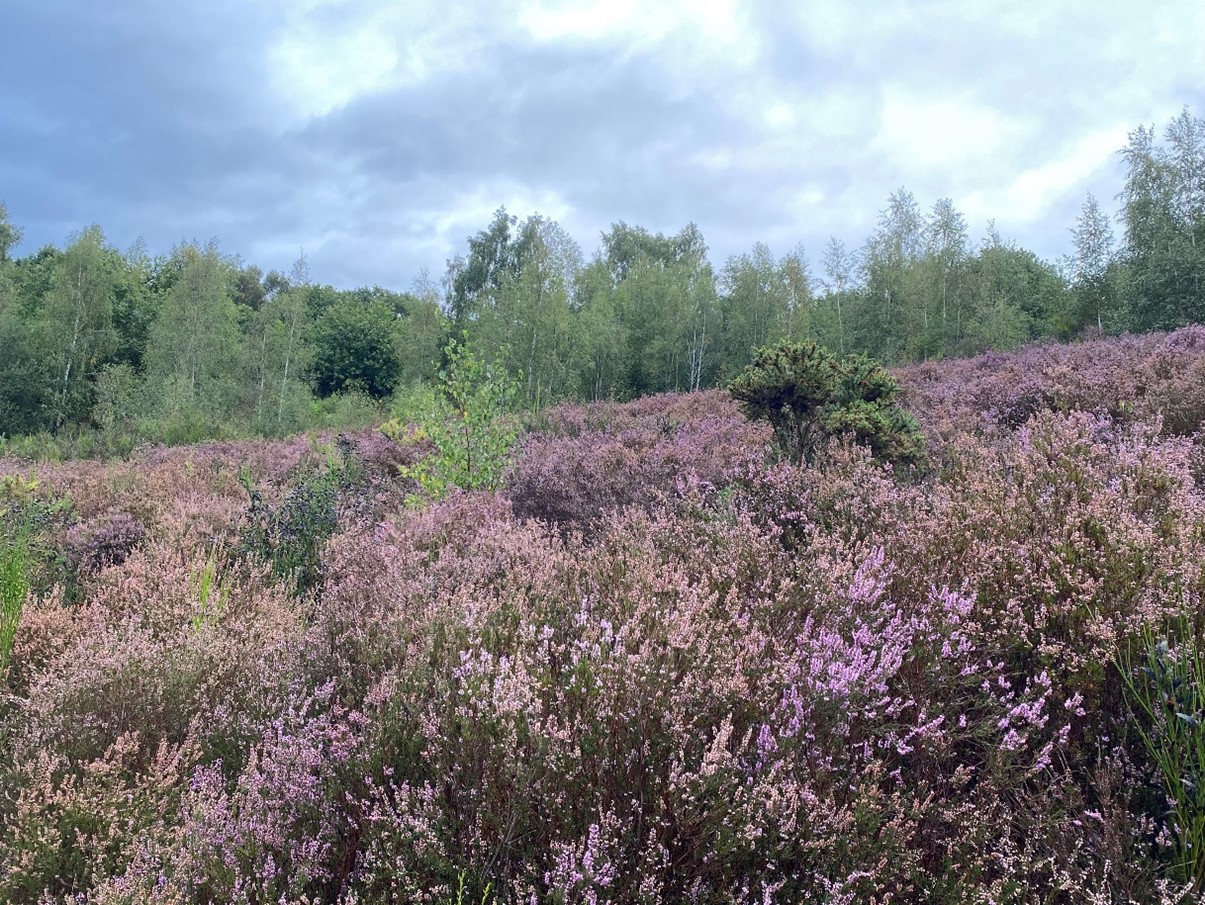


Grizzled Skipper Project

The grizzled skipper is a locally rare butterfly. The project is supported by local volunteers who undertake practical habitat management as well as surveying and monitoring the butterfly during the flight season (April-June)....read more
Nottinghamshire & Nottingham’s LNRS
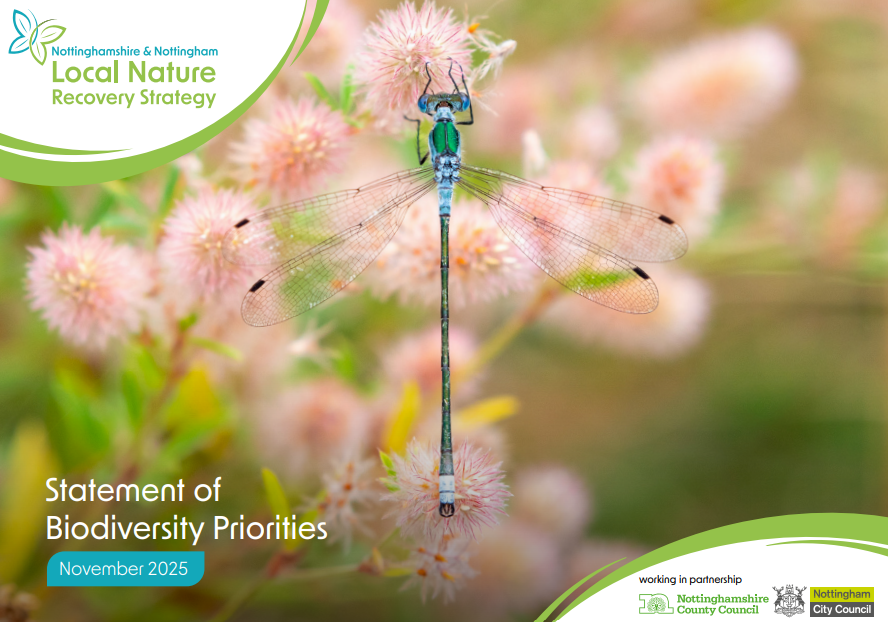
The Local Nature Recovery Strategy (LNRS) is a strategy to improve the state of nature by identifying priorities for nature recovery, identifying locations and habitats to improve which will have the greatest benefit for the environment, and influence local planning policy for nature recovery... read more
Nottinghamshire Wildlife Trust
 Nottinghamshire Wildlife Trust (NWT) believes that everyone should have the opportunity to live in a healthy, wildlife-rich natural world. Sadly our environment is under threat like never before, and Nottinghamshire Wildlife Trust is committed to working with others to limit and reverse the impacts of the nature and climate emergencies, and to inspire individuals to take action for nature...read more
Wilder Crow Hill
Broxtowe Borough Council have been awarded funding from the Severn Trent Water Boost for Biodiversity Scheme to fund a habitat improvement project at Bramcote Hills Park. There are three main components to the ‘Wilder Crow Hill’ project:
- The creation of 0.8 Ha of Dry-Acid grassland habitat. A seed mix containing 28 species of grass and flower will be laid and plants suitable for the area’s geology and acidic soils will be plug planted, to improve the floral diversity of the site and benefit pollinators. A neighbouring school will be assisting with the plug planting, giving children the opportunity to get involved with biodiversity conservation in their local area.
- Creating a 0.5 Ha area of woodland-grassland habitat that will bridge two existing woodlands on Crow Hill, improving habitat connectivity. This part of the project will be carried out in collaboration with Canopy 2050, a local group who grow and plant native trees to increase the urban tree canopy. The new grassland will also serve to filter and trap pollutants from the busy road adjacent to the site and slow water run-off, redirecting rainfall to replenish groundwater.
- Controlling Invasive Non-Native Species on the site as there is currently an abundance of Rhododendron at Crow Hill. Volunteer work parties have tackled this in the past and the Wilder Crow Hill project will continue these efforts. For more information on why Rhododendron is problematic for our native biodiversity, see here.
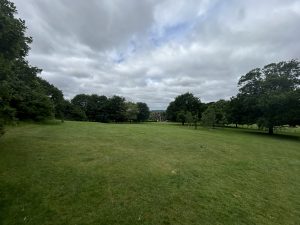
The Site at present. Image: Emma Malpass.