The Special Guests of Center Parcs

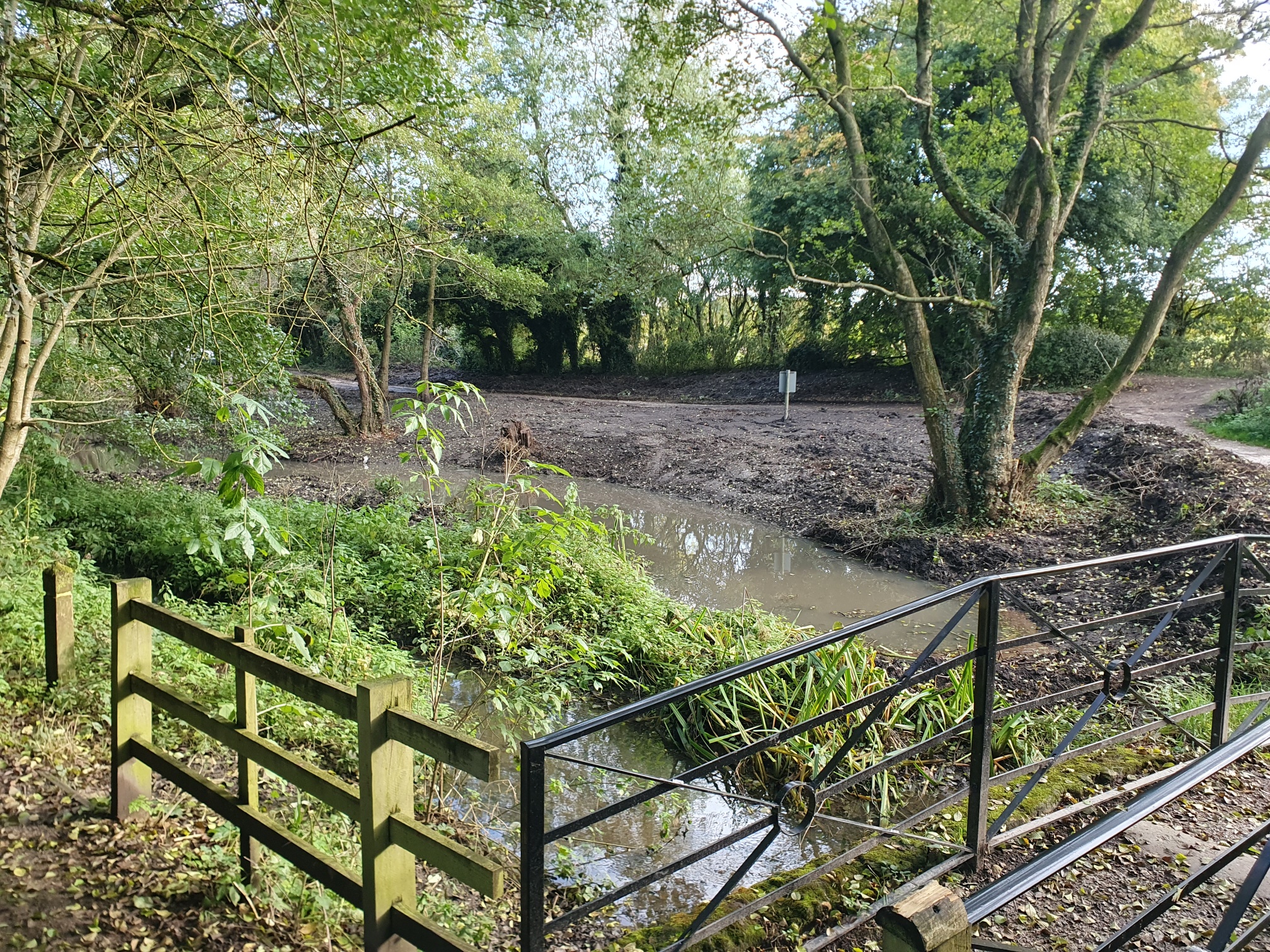
Our bat populations here at Center Parcs Sherwood have always been healthy, and not just present in our 200+ bat boxes we have scattered across Village, but we often get large maternity roosts hidden away in small air vents on the side of our lodges. On one emergence survey alone, we counted 337 soprano pipistrelles come out of one of these vents during the summer. They mostly go unnoticed by guests, unless you’re stood on the patio on a warm summer evening and can hear the ‘chattering’ of the bats before they leave the roost to feed at dusk. They’ve also occupied hot tub and sauna plant rooms, warm areas of our Aqua Sana spa, and our housekeeping store rooms, and we don’t blame them! In the last couple of years, we’ve had refurbishments done to some of our buildings, and have redesigned the structures to incorporate ‘bat lofts’ in anticipation of some new residents.
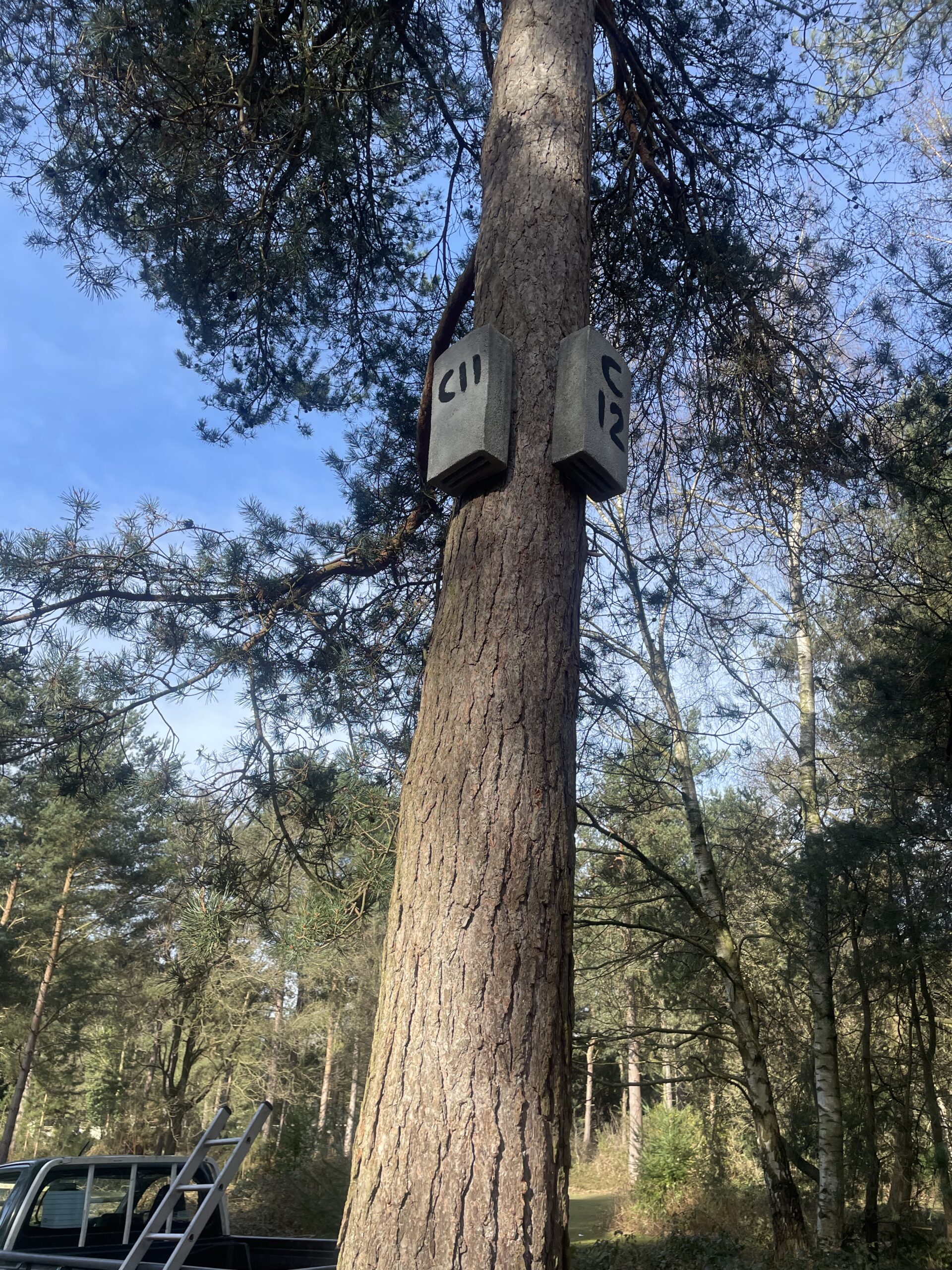
Greenwood bat boxes

One unexpected find was during our bird box clean-outs in January, when we came across a brown long-eared (BLE) roosting, seemingly a temporary roost as it was gone soon after, but it has shown us that our bats don’t stick to the norm and roost where we expect them to.
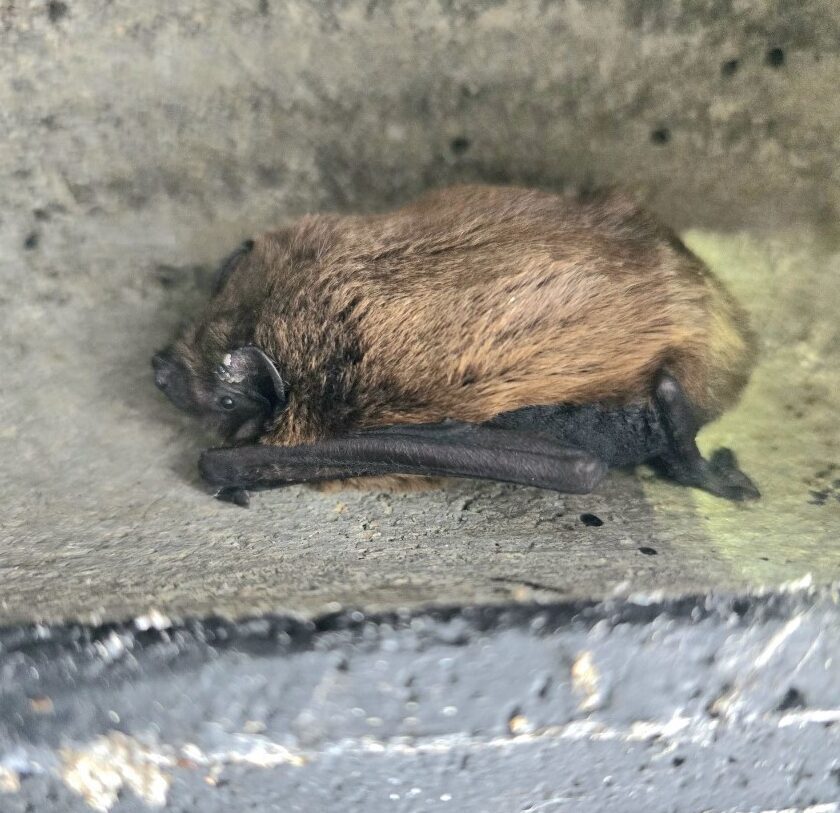
Leisler’s bat in a bat box

We also completed our autumn box checks back in November, and had ecologists all the way from Devon join us for the day for a chance to see Leisler’s bats, which we have found in boxes in previous years. Thankfully, we found Leisler’s in 5 separate boxes of three types – Schwegler 1FF, Greenwood 2C (two cavity) and Greenwood SH (small hollow). Other species included Natterer’s, noctules and soprano pipistrelles. This week we’ve installed 10 new Greenwood 2C which we hope will be prime real estate this year.

Written by Katie Doull, Center Parcs 
Reviving Brinsley’s Wetlands

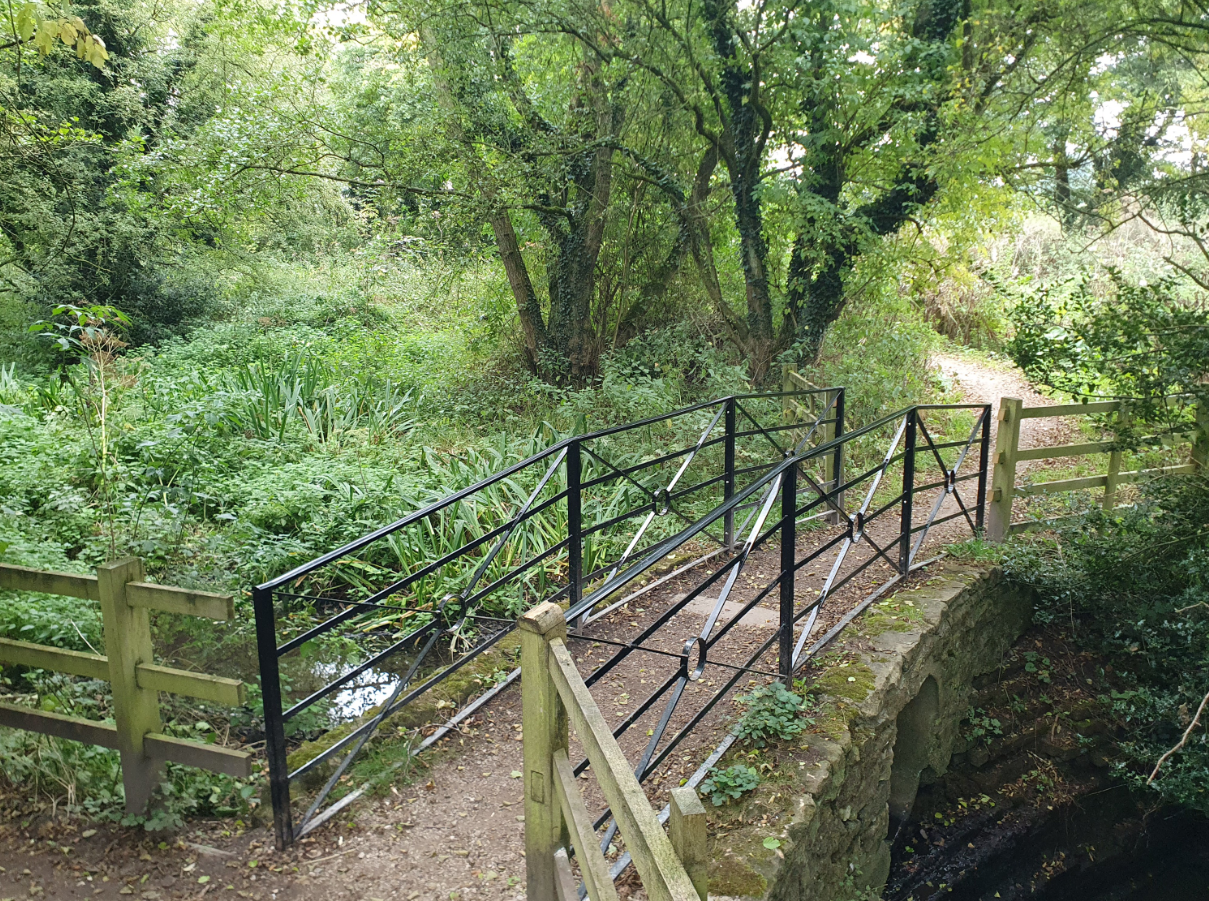
At Brinsley, where the Dell flows, recent habitat improvements by Broxtowe District Council are helping to restore and enhance the wetland environment. What was once a series of small, shallow scrapes along the brook has now been reshaped into a more resilient and biodiverse space, benefitting species such as amphibians, birds and the endangered water vole.

Brinsley (before)

Adjacent to this site is an important habitat for water voles where Notts Wildlife Trust have been improving their habitat. Inspired by this habitat work, they took the opportunity to enhance the site and improve connectivity for water voles.

To improve plant growth and encourage a more diverse ecosystem, overhanging sickly trees were removed, allowing more sunlight to reach the understory. The original three scrapes have been reconstructed into two, deeper ponds – one designed to hold water year-round as a refuge for the water voles and other species when the Dell is very low, while the other fills and drains naturally throughout the year. To protect the habitat from disturbance, stock fencing was installed to keep out dogs from disturbing the flora and fauna.

Brinsley (after) – pond creation

Along the edge, they have constructed a 1m bund using logs, branches, and stones to create a reptile hibernaculum, offering shelter for species such as smooth newts, which have already been recorded in a pond 200m away! This work will hopefully see many more coming to this area. They have also created a mosaic of deadwood, including nest stumps, which has been left to create the perfect habitat for nesting birds and insects.

With these improvements, the Dell at Brinsley is now a richer, more diverse habitat for a range of amphibians, birds, insects, plants and mammals. This project shows the value of conservation work in strengthening local habitats and providing a more sustainable future for wildlife.

Protecting Nottinghamshire’s Secretive Native Reptile: Slowworms

Slowworms, one of Nottinghamshire’s three native reptiles, are under threat from habitat loss and over-tidying. They thrive in sunny, secluded spots such as allotments, disused railway embankments, and open grasslands. While their numbers have fluctuated in recent years, conservation efforts are underway to support their populations across Nottinghamshire.

A slowworm in its natural habitat

At Beeston Sidings, Nottingham City Council is working to improve an area for Slowworms. Previously open areas are being cleared of young scrub to recreate conditions more suitable for slow worm and hibernacula (spaces in which animals can shelter) are being created. Woodland is being thinned of dead and decaying trees to help open up this area for the slowworms. This work is being overseen by an ecologist to ensure no harm comes to any Slowworms during these efforts. If you’d like to get involved in works to support reptiles or amphibians in Nottinghamshire, then why not become a member of Nottinghamshire Amphibian and Reptile Group (NARG).