Dormice in Nottinghamshire!

Record numbers of Dormice have been recorded in Nottinghamshire woodlands, making 2025 an exceptional year!  Early season breeding helped to boost autumn numbers as Dormouse born early in the year were then able to go onto breed in September / October. Numbers in other areas in the county recovered after a poor 2024 season.
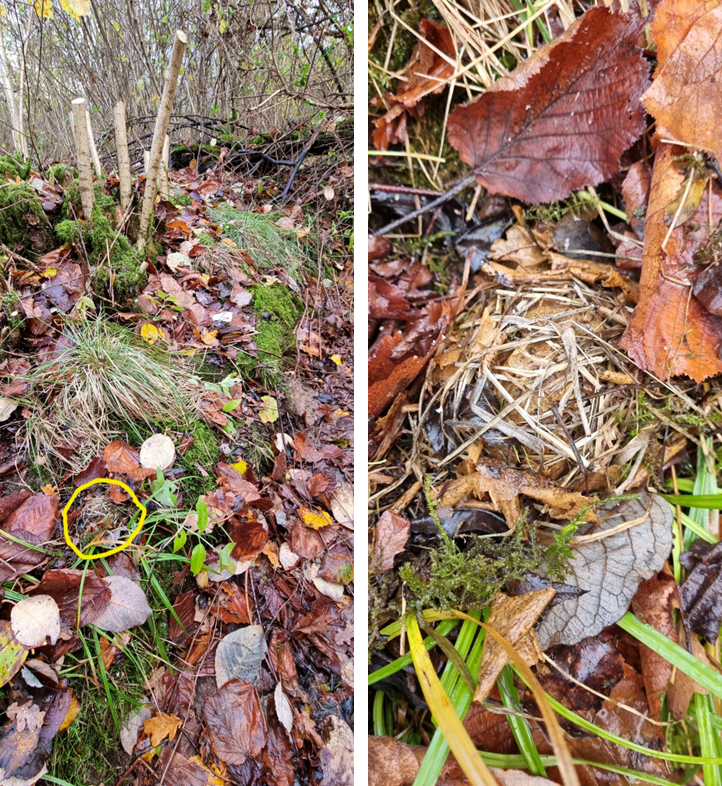
(L to R) Yellow marking shows nest in situ; Close up of hibernation nest

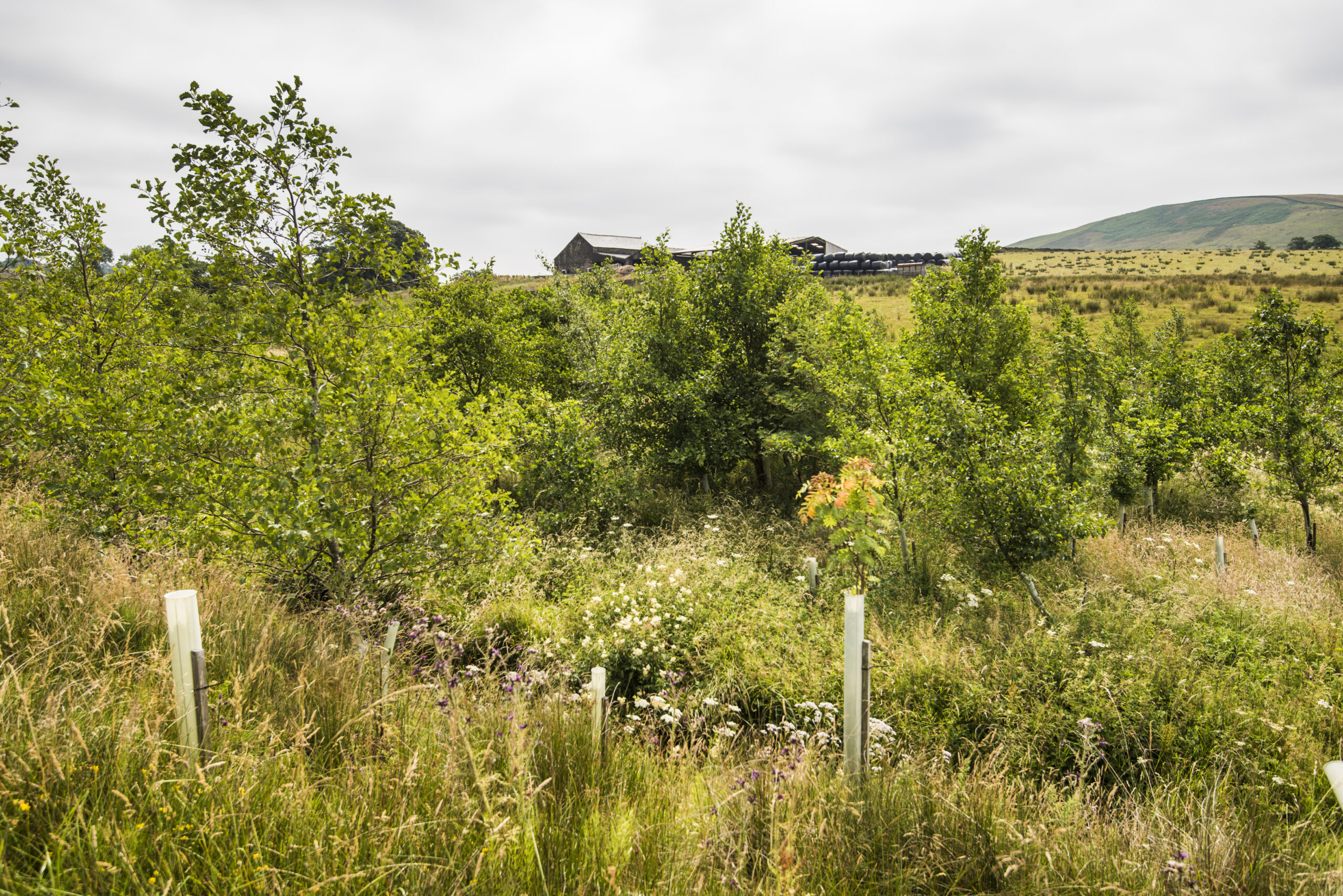
In 2020, a male Dormouse was recorded in a nestbox in a privately owned woodland, however, no Dormouse evidence has been recorded since.  The boxes were checked in October of this year by a licenced dormouse surveyor from NDG, recording a very chubby female Dormouse in torpor.  The woodland owner, was delighted to hear that Dormice are still present in the woodland and has begun a programme of woodland management, including hazel coppicing, canopy opening, and oak planting.

Currently, the Dormouse group is in the midst of their winter programme, with monthly sessions focussed on assisting the Nottinghamshire Wildlife Trust rangers to complete this year’s coppicing. During one of the sessions, a group member was lucky enough to discover a dormouse hibernation nest during a standard fingertip search around the coppice stool they were working on. The nest was confirmed as occupied after listening out for the tell-tale sounds of Dormouse snores!

[Many Thanks to Lorna Griffiths from the Nottinghamshire Dormouse Group, for providing the news and photos for this blog]
Spalford Warren & Volunteer Conservation Work

Work across Nottinghamshire Wildlife Trust’s (NWT) reserves has continued at pace as they manage, restore, and enhance some of the county’s rarest habitats. Recent tasks have included aftermath grazing on the grasslands which are Sites of Special Scientific Interest (SSSI) at Ashton’s Meadow and Besthorpe Meadow, along with ongoing work to create wood pasture at Idle Valley Nature Reserve.

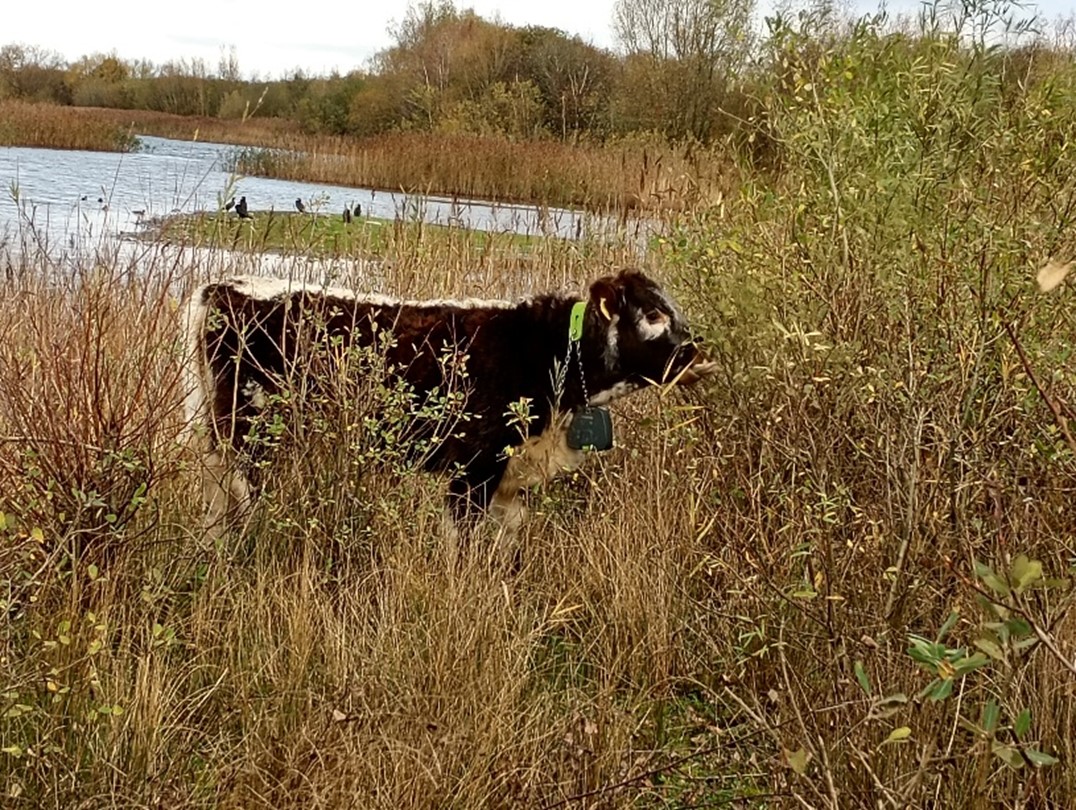
Aftermath grazing is the practice of bringing livestock onto a meadow after the hay has been cut, allowing them to graze the fresh regrowth. This helps keep nutrient levels low, prevents scrub encroachment, and maintains the open, species‑rich structure that many rare plants and insects depend on.

The livestock are currently conservation-grazing a rich mosaic of habitats: calcareous, neutral, and acid grasslands, as well as fen and heathland sites. Their grazing plays a vital role in maintaining these landscapes for the specialist wildlife that depends on them.

A longhorn calf tackling willow in the beaver area

This year NWT is especially pleased to have established a dedicated volunteer group for Spalford Warren SSSI, a site which is home to rare aeolian sand heathland. This is a type of heathland shaped by the wind, formed through the movement and deposition of sand and other fine particles. These landscapes are typically open and sparsely vegetated, occurring where little plant cover exists to stabilise the shifting sands. Over time, as vegetation establishes, these habitats become more stable and resilient, providing a secure environment for both the sand and the specialist wildlife that depends on them.

NWT are also delighted to highlight the amazing contribution of their fantastic volunteers. Their dedication is essential to delivering the reserve management work, and their enthusiasm and support are already making a real difference.

[Many Thanks to Janice Bradley and Erin McDaid from Nottinghamshire Wildlife Trust for providing the news and images for this blog]

Haloing Veteran Oaks in Sherwood Forest

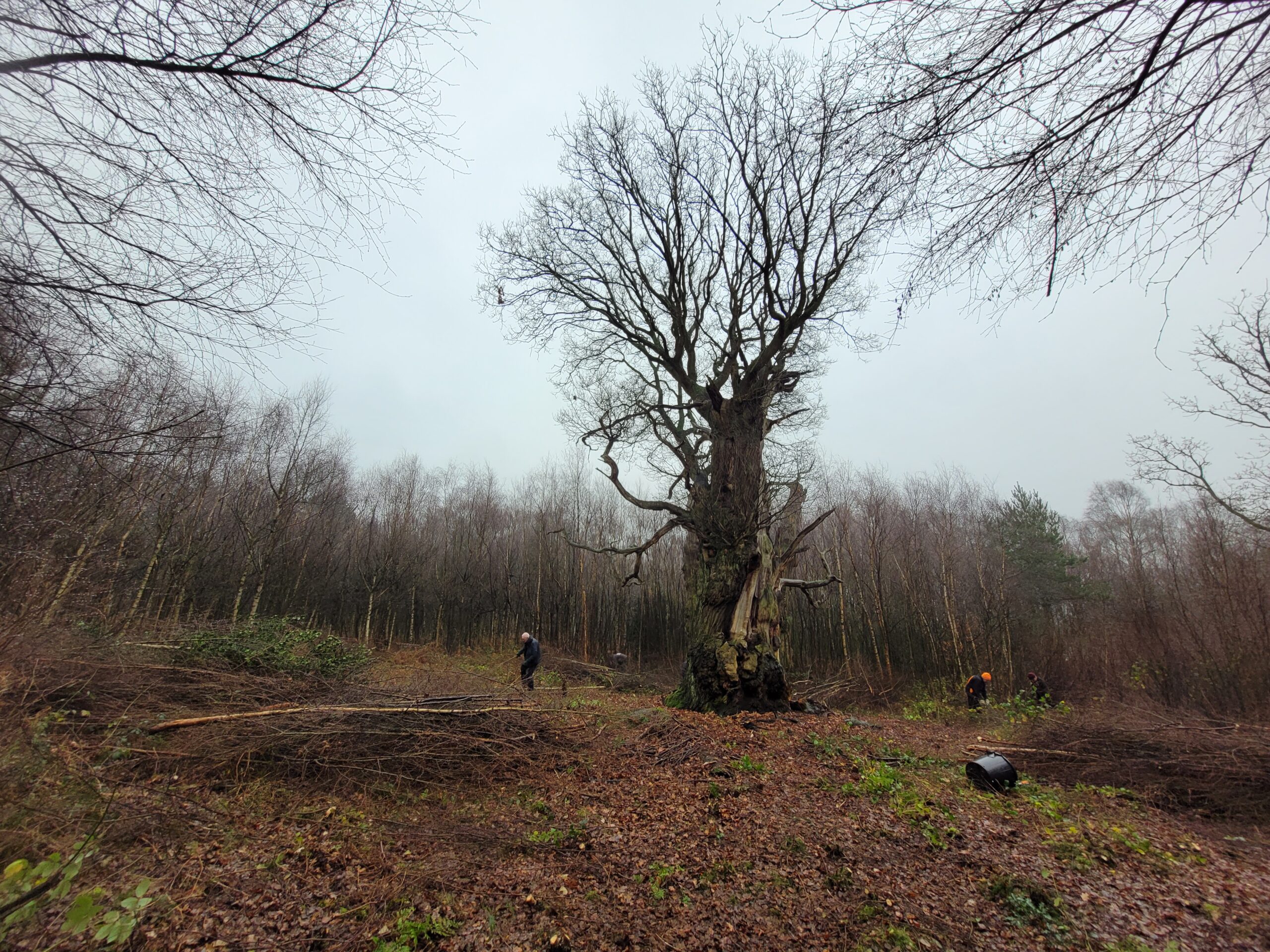
In winter 2025, volunteers working with Forestry England focused their attention on haloing veteran oaks in Sherwood Forest. They made good progress however there is still plenty to do.  This work on the smaller trees and shrubs around the trees is happening ahead of further works that are planned with chainsaws on larger trees and shrubs. This work will increase the space around the veteran trees reducing pressure from the surrounding vegetation.

Haloing (also known as halo clearance) is the removal of the surrounding vegetation from veteran tree canopies. This process is undertaken in order reduce competition for resources. Where branches have been shaded by other trees and vegetation, they will die off, so this work is essential to increase the trees ability to get light, water and nutrients so it can make more food to maintain itself.

Other benefits include improved soil conditions and reduced stress to aid the trees vitality all while creating habitat for lichens, fungi, birds and invertebrates helping to restore an ecological balance typical of a more open forest environment.

[Many Thanks to Amy Chandler from Forestry England for providing the news and images for this blog]

Waterway & Reedbed Management

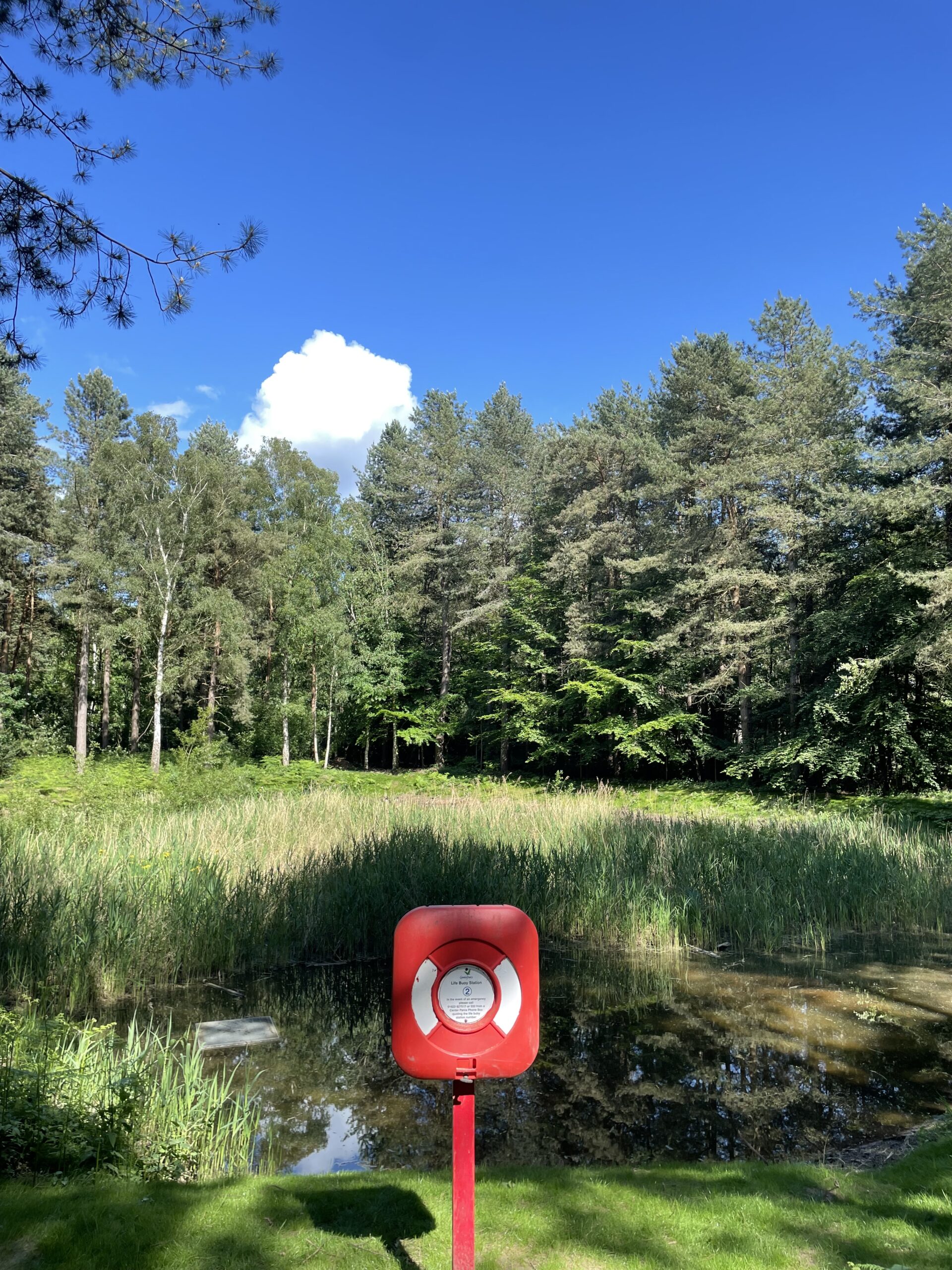
At Center Parcs in Sherwood Forest, there is a complex system of rivers and ponds that runs throughout the Village, and part of their conservation management is to ensure these waterways are maintained efficiently so that the aquatic life, specifically amphibians, can thrive.

The ponds and rivers at Center Parks Sherwood Forest are continuously managed for maintenance of waterways and wildlife

Amphibian torching counts are conducted every spring, and the numbers of common toads & frogs are always good. To ensure that the numbers are maintained, water quality is improved where possible. This involves increasing suitable waterside vegetation, in some places trialling reed transplanting from the largest reedbed area on site.

In the following weeks, undesirable species will be thinned out, and reeds will be rotationally cut. The wetlands also have the potential support reed warblers and reed buntings. There are also regular sightings of kingfisher on the main lake and side rivers. Asa result Center Parcs are actively seeking ways to maintain and provide suitable nesting habitat for them, in particular on the banks of the lake islands.

[Many Thanks to Kate Doull from Center Parcs, Sherwood Forest, for providing the news and photo for this blog]

Bat Surveys with The Sherwood Forest Trust

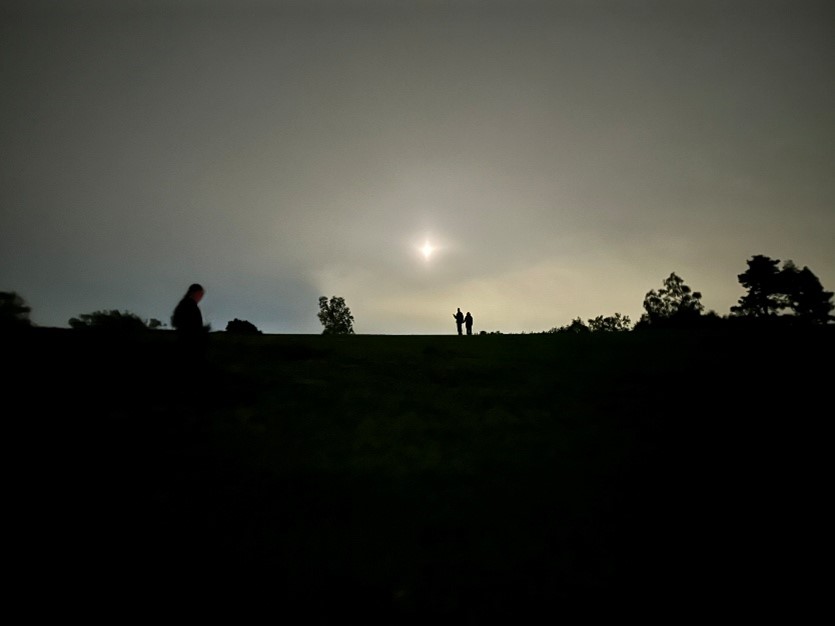
During autumn 2025, Erin and Graeme (Sherwood Forest Trust) conducted bat surveys across sites that are part of the ‘Sherwood’s no longer forgotten Heathland’ project. Some of these surveys were just done alone, but at the golf courses that are part of the project, members of the clubs were invited to have a look at what is around on the courses after dark. This was a good way of engaging with people who often question the work being carried out and want to know why it’s being done.

The team conducts bat surveys for Sherwood’s No Longer Forgotten Healthland Project

Surveying at Coxmoor golf course showed that they have an active bat population that consists of at least 4 species of bat. This information will go into the future management plans and decisions being made in relation to the courses’ play.

Oak Tree heath showed its importance as a food source for several bat species in the area. In 2026 the Sherwood Forest Trust hopes to explore more of the food source side of things by doing some more invert and moth surveying.

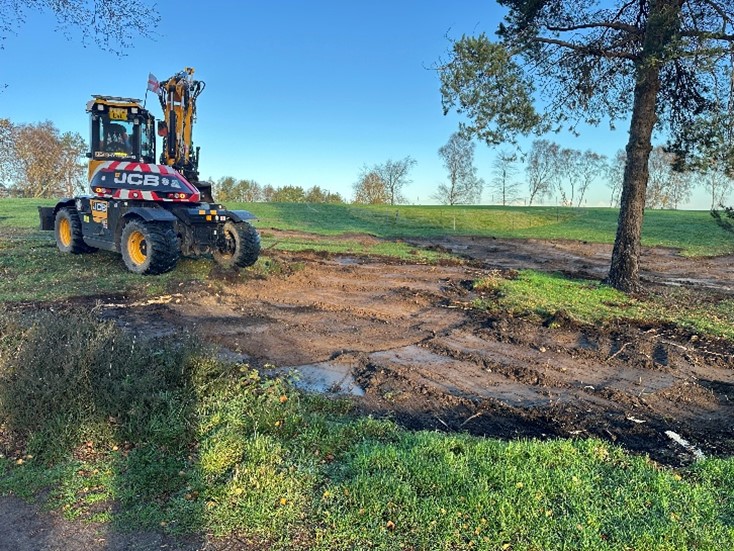
Heather scrapes being created at Coxmoor Golf Club

The Sherwood Forest Trust has been creating some heather scrapes at Coxmoor Golf Club to expand the area covered by heathland. The work was carried out in mid-November, although there is plenty more to do over the next 3 years.  More plans are being made in order to help to restore and maintain the precious heathlands of Sherwood.

[Many Thanks to Graeme Turner from The Sherwood Forest Trust for providing the news and images for this blog]

Toton Floodplain: Restoring Meadow for Nature

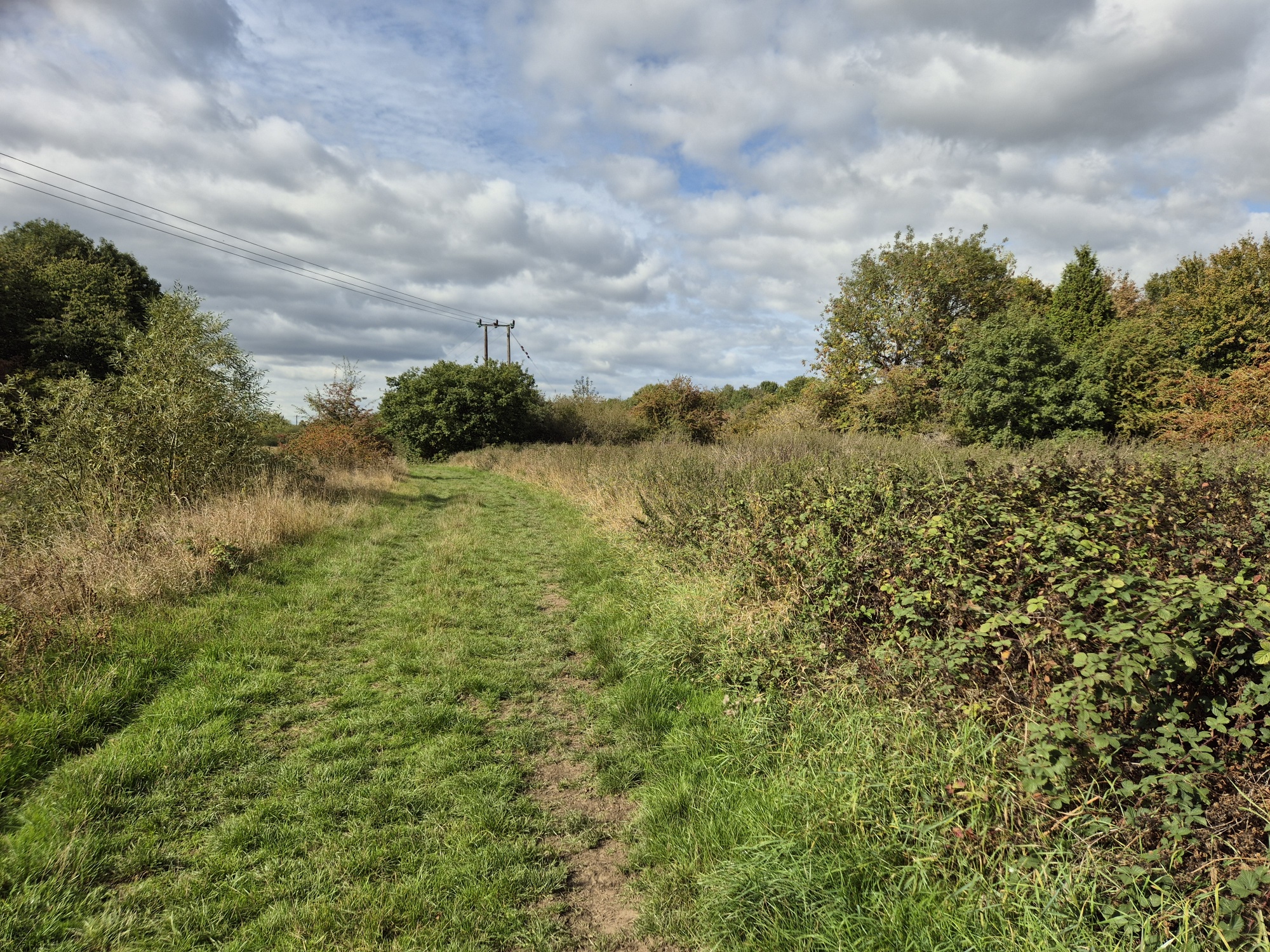
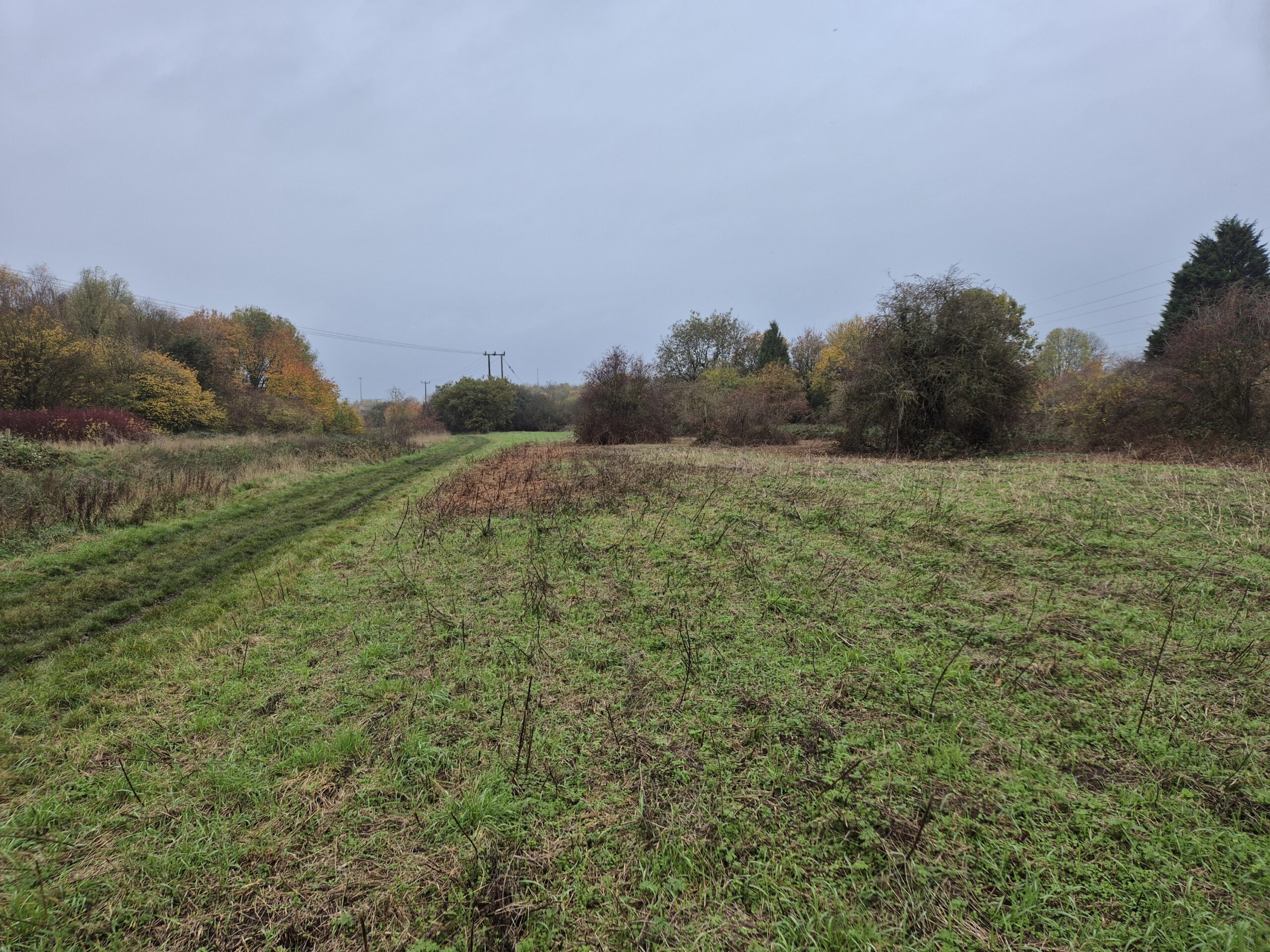
Broxtowe Borough Council are hoping to develop a new project at Toton this year and onwards. In Autumn 2025, an area of around 2.5 hectares of rank grassland and light scrub was cleared thanks to funding through Nottinghamshire Wildlife Trust, from the Species Survival Project ‘Thriving in a Wilder Trent’. This land sits in the Erewash floodplain, between the main river channel and an artificially constructed by‑pass channel, and is subject to seasonal flooding.

Toton: Before clearance of the proposed meadow site

The plan is to develop this into an area of floodplain meadow, potentially Lowland Wet Meadow. The area forms part of a wider Site of Importance for Nature (SINC), with records of Dingy Skipper. Proposed works include soil inversion or stripping to reduce fertility in some areas, creation of butterfly banks and shallow scrapes, and the introduction of suitable seed mixes for floodplain meadow, such as Great Burnet and Cuckoo Flower.

Toton: After clearance, the ground is now prepared for floodplain meadow development

Planting of Black Poplar is also proposed along the riparian habitat of the river channel.  Permits from the Environment Agency and external funding will be required to undertake some of this work. In the shorter term, grass cutting will help prevent reversion to rank grassland or scrub.

[Many Thanks to Chris Riley from Broxtowe Borough Council, for providing this news and photos for this blog]
Lowland heathland management and restoration

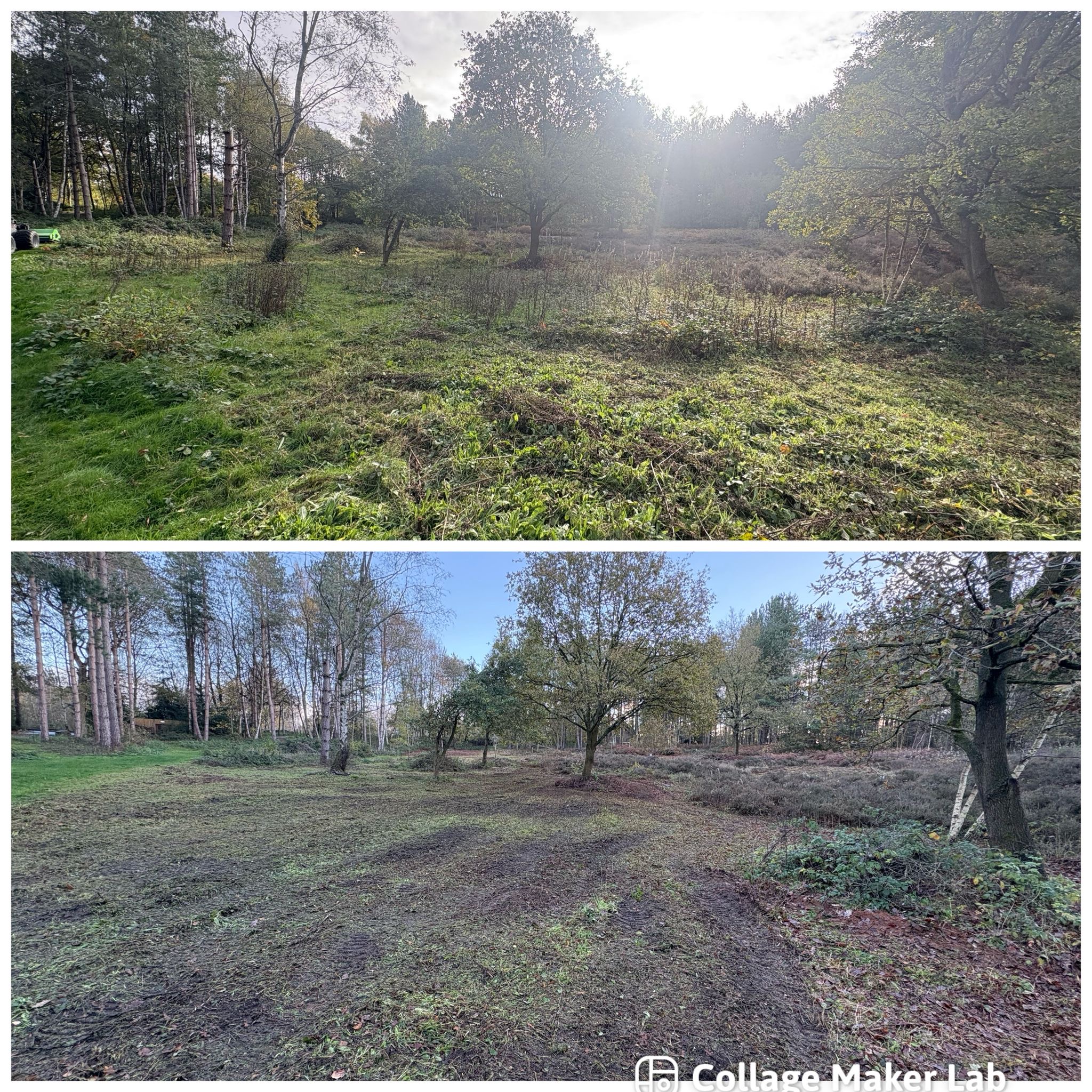
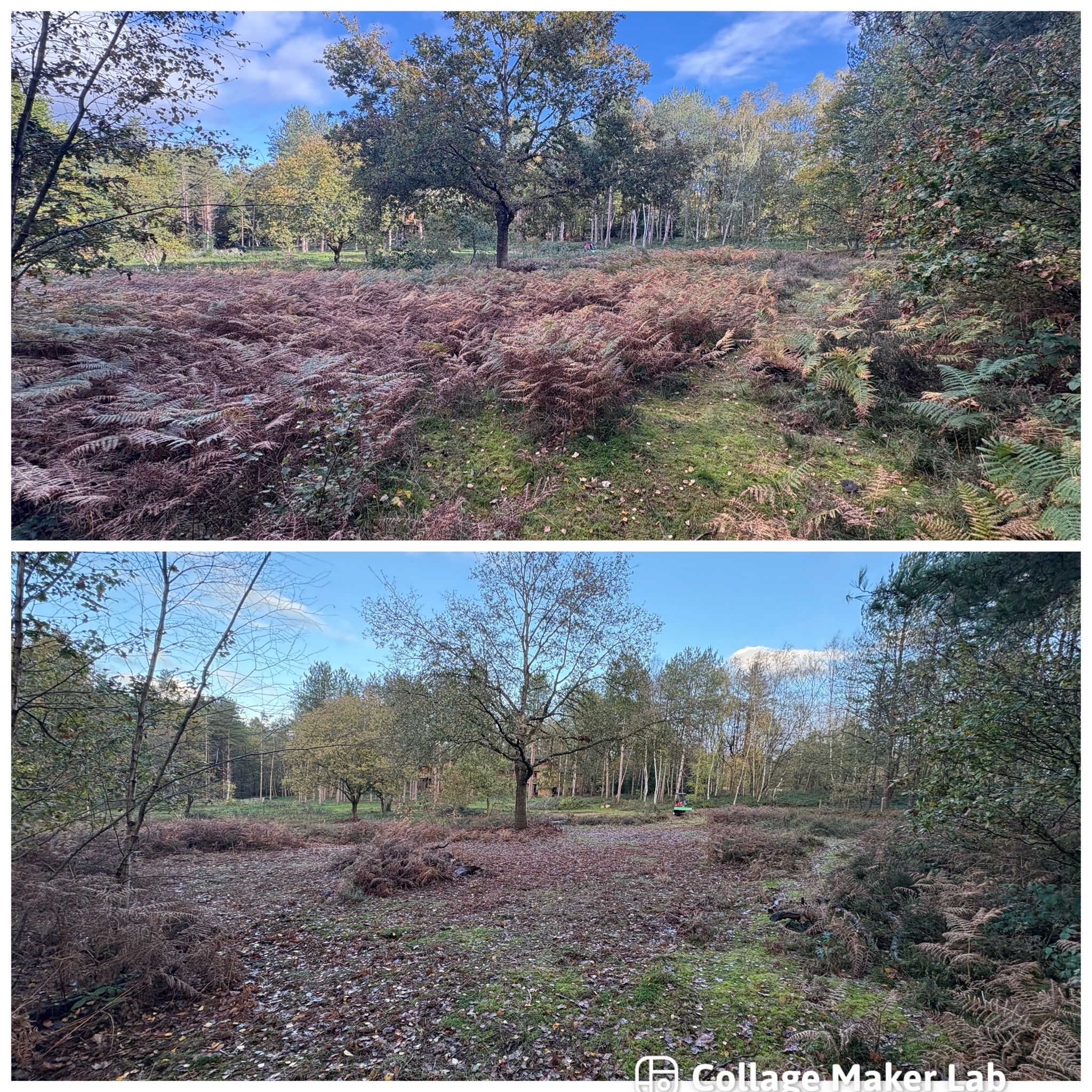
Kate Doull, the Senior Conservation Ranger at Center Parcs in Sherwood Forest, reports that they have 5 different lowland heathland sites on the Village, all of varying size and quality.

Heathland Management – Before and After shots

Throughout the last few years, a new Heathland Management Plan (produced by Kate) has been followed, in order to restore the pockets of heathland that were becoming lost, and to expand and maintain their good quality heathland areas.

Heathland Management – Before and After shots

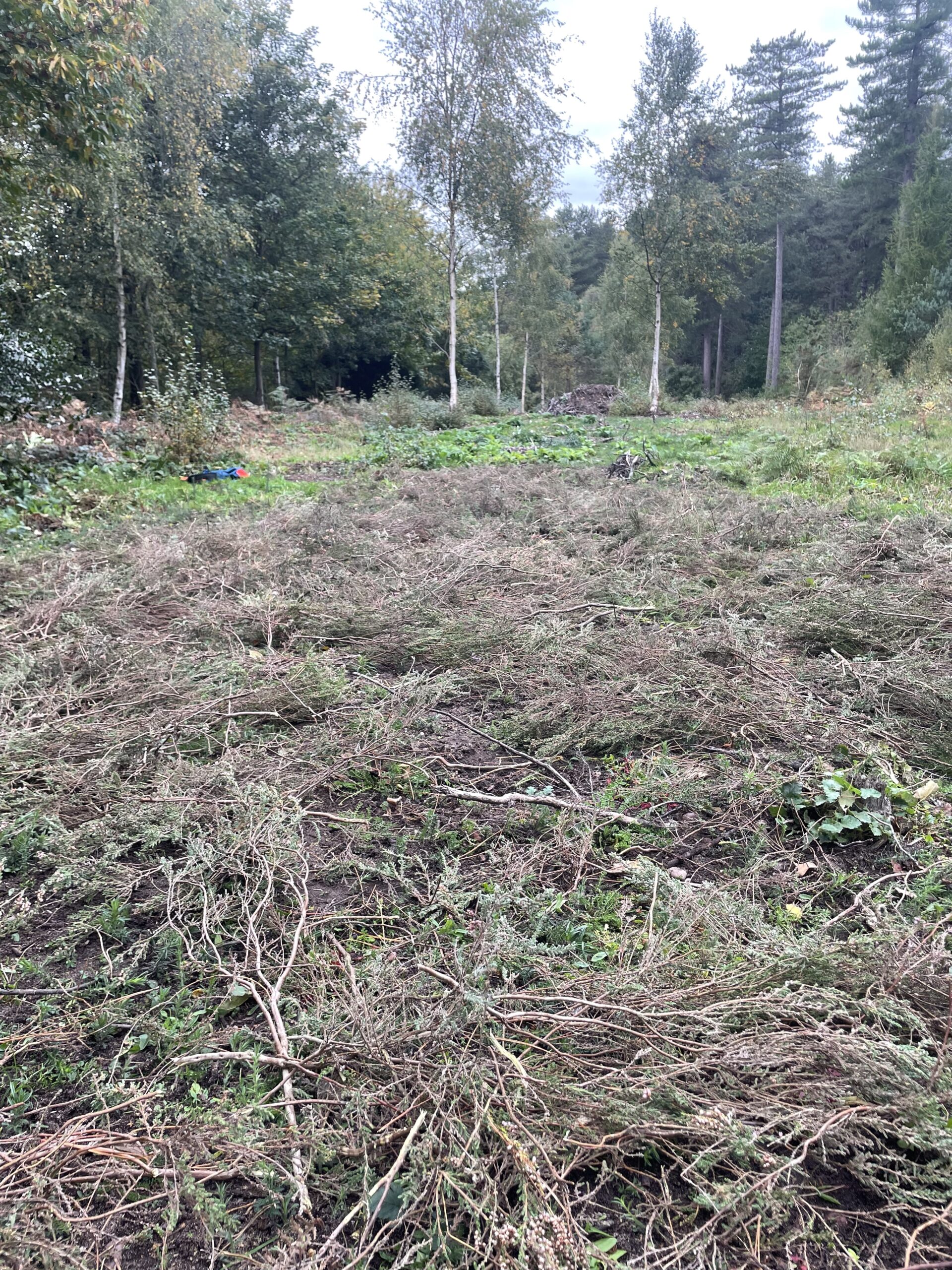
This management has included scrub removal (through mulching and scraping), heather transplanting onto bare areas, bare ground maintenance and forestry.

Heather Transplanting

[Many Thanks to Kate Doull from Center Parcs, Sherwood Forest, for providing the news and photo for this blog]

Wilder Crow Hill Project

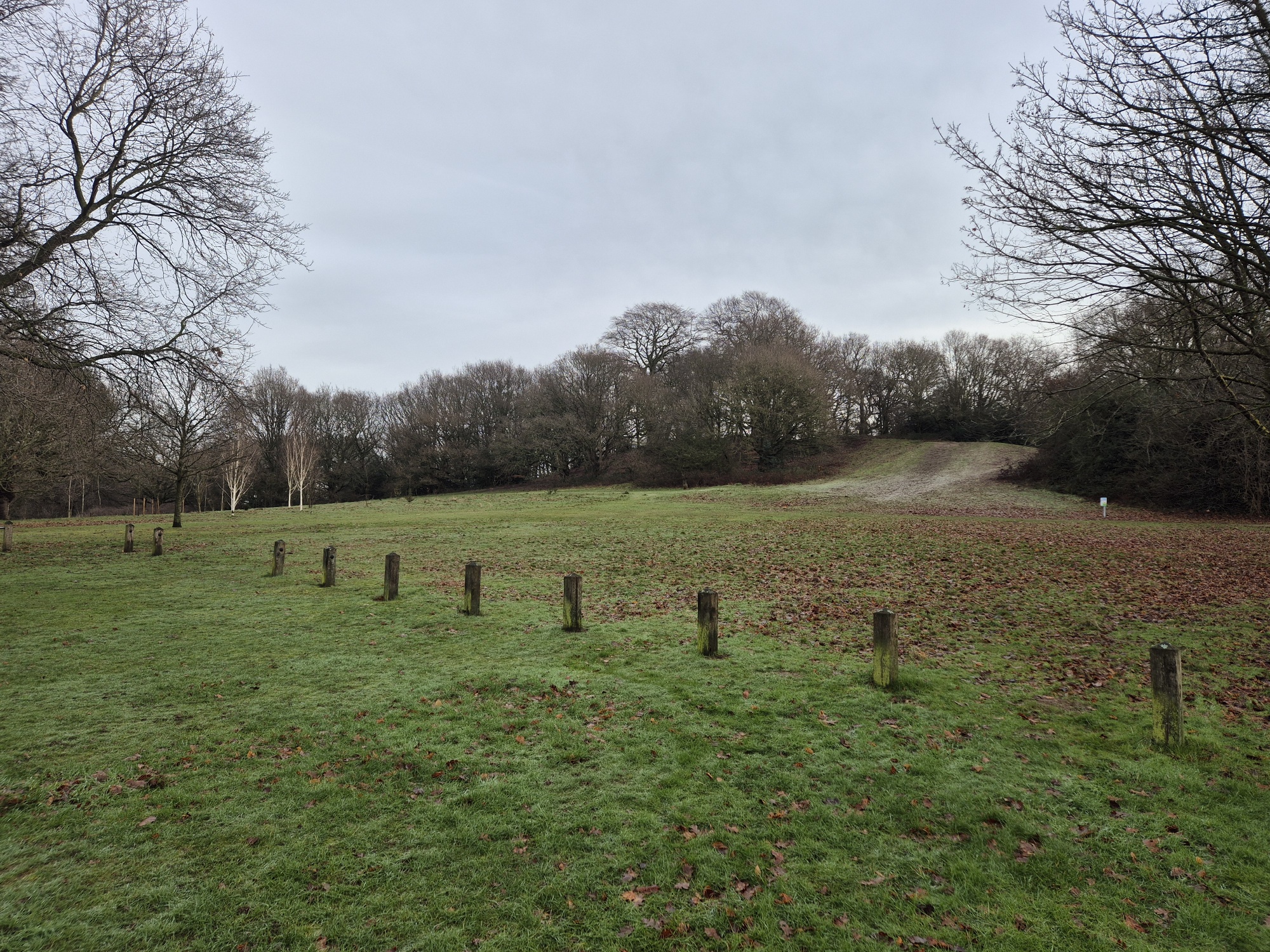
At Bramcote Hills Park, the Wilder Crow Hill Project is focused on reconnecting the woodland on Crow Hill with the more extensive woodland of the park, including Oak-Birch Woodland and Parkland and Wood Pasture.  This connection then extends through to Stapleford Hill and the young woodland on the recently adopted Bramcote Quarry, creating more extensive, connected woodland.

Restored Lowland Dry Acid Grassland at Crow Hill

As part of the project, an area of acid grassland (Lowland Dry Acid Grassland) has been restored.   A glade was opened up on Crow Hill, and seed sowing took place around the woodland, with woodland fringe species used to create a transitional habitat between the woodland and grassland.  Rhododendron has been removed from the mature woodland, and woodland wildflower bulbs were planted to help develop an understorey of bluebell and wild daffodil.

The extended woodland fringe is expected to improve foraging habitat for bats.  Much of the tree planting has been carried out by Canopy 2050 volunteers, using trees grown from seeds collected in the local area.  The works have been funded through a bid to the Severn-Trent Community Fund, and align with the Broxtowe Biodiversity Opportunity Mapping (BOM) undertaken by the Biodiversity Action Group.  In total, around two hectares have been brought into active management.

[Many Thanks to Chris Riley from Broxtowe Borough Council, for providing this news and photo for this blog]

Biodiversity Highlights from the IDB

Black Poplar

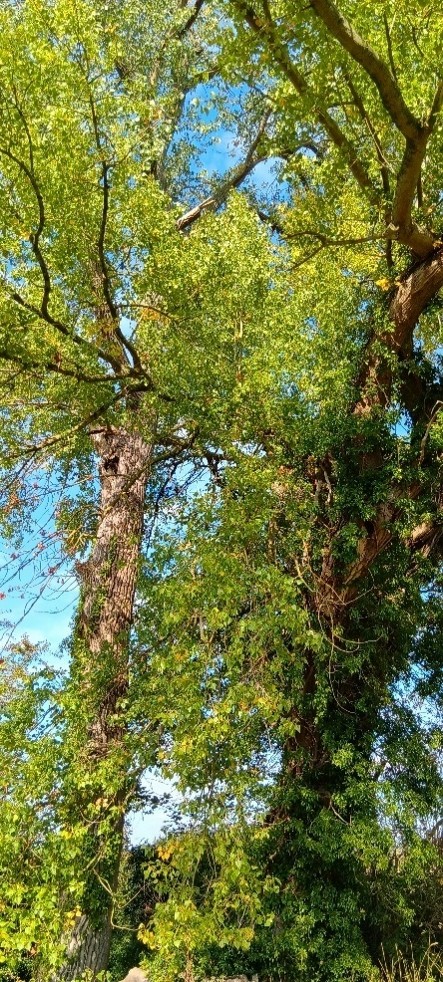
Whist undertaking protected species surveys along the Halam Beck, in the Trent Valley & in the Isle of Axholme (North Nottinghamshire), the Internal Drainage Board (IDB) team stumbled across a mature Black poplar on private land. The location has been confirmed with Notts BAG, and there is some potential that this tree could assist with the conservation of the species in Nottinghamshire. Once landowner approval has been sought, we will aim to take cuttings from the tree to establish its genetic origin and confirm (or not) its native status.

Nottinghamshire Black Poplar

Improving biodiversity on drains

After reforming approximately 1 mile of drain in Sutton on Trent during flood relief works, the IDB team trailed hydroseeding for the first time to enhance biodiversity. Despite the drought, some species are poking through, specifically red campion, yellow rattle, oxeye daisy and knapweed. Signs of water vole have also been recorded on this drain, so there is hope that this flourishes in 2026 (and looks less bald!).

Invasive Non Native Species

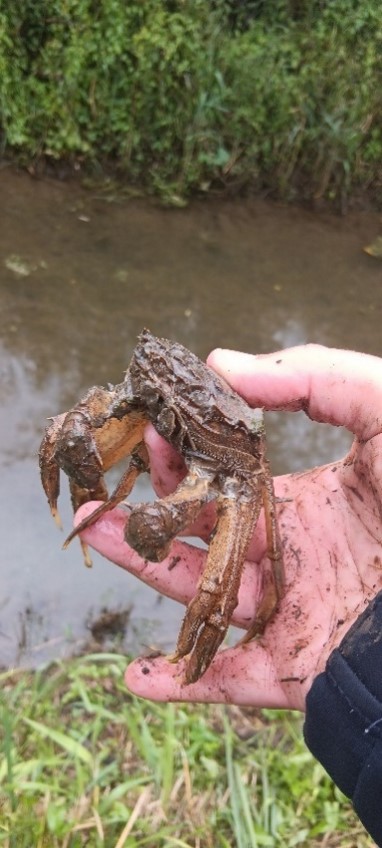
The IDB team have seen an increase in water fern whilst undertaking surveys in Doncaster and Chesterfield Canal in north Nottinghamshire.  Unfortunately, Himalayan Balsam has been vigorous across all of IDB’s districts this year, and Chinese Mitten Crabs have proved to be in high numbers in the Catchwater Drain catchment (West Burton Power Station)

Chinese Mitten Crab

The IDB team continue to promote “CHECK, CLEAN, DRY” amongst the Operations Team and continue researching best practise to deal with problematic species. There is hope for a realistic ‘working party’ to be brought together to help pull balsam, and depending on the resources, this can be arranged within the setup of the IDB.

2025 Records

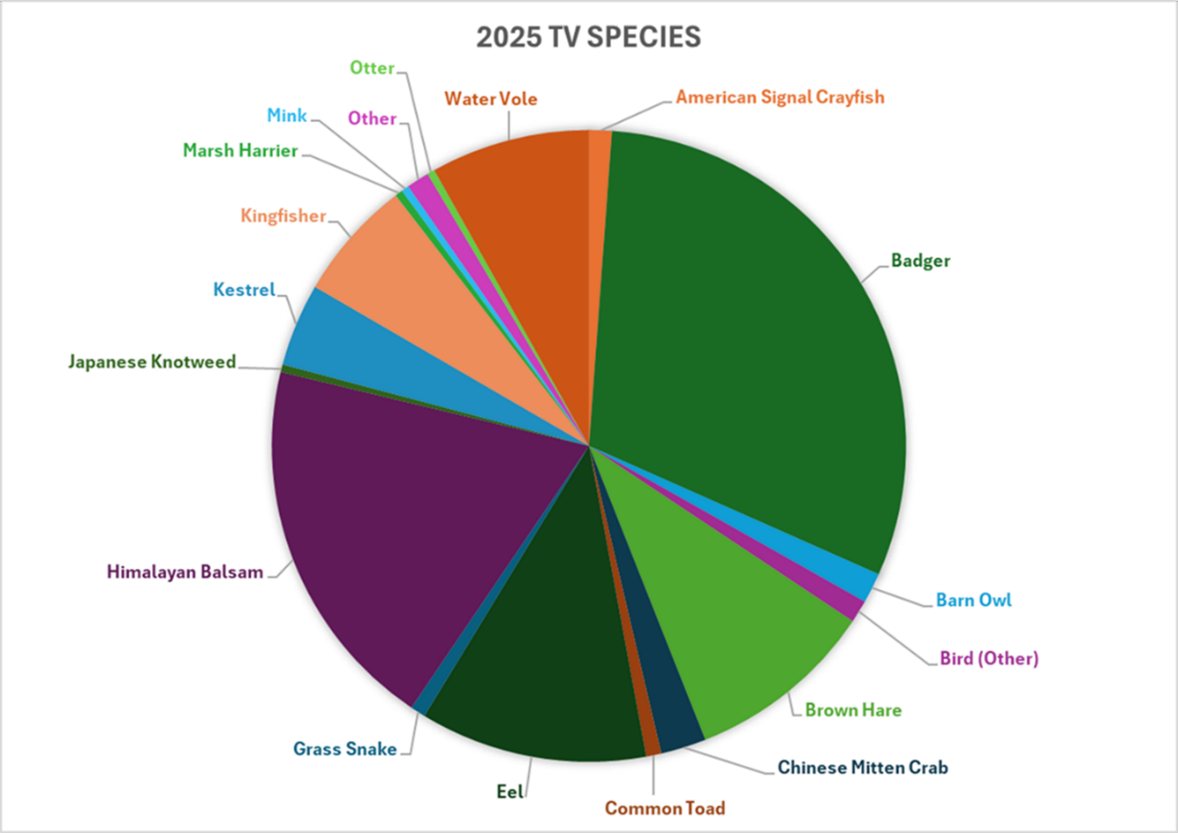
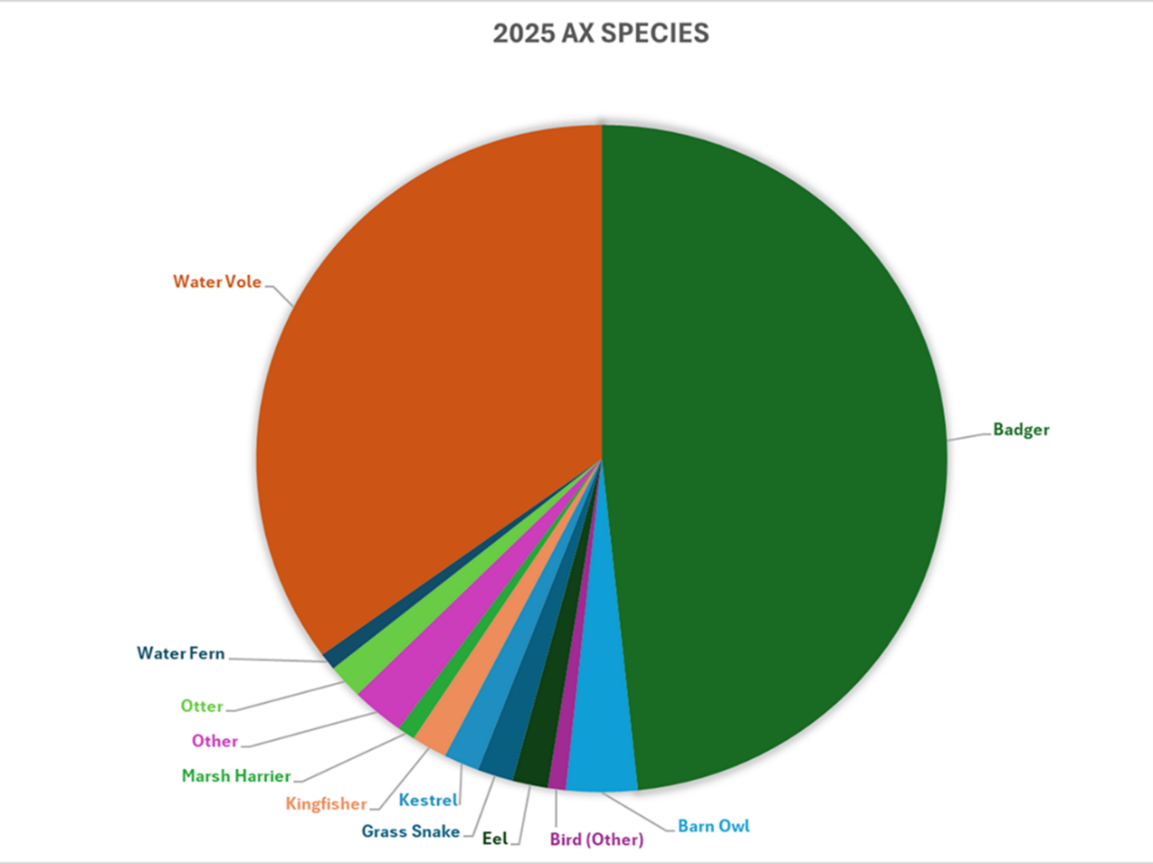
The IDB have spent time during the winter collating the biological records collected during 2025. Over 1,200 records were collected across the IDB area, and these will be shared with Local Record Centres. The table below gives an idea of what has been recorded locally! The main species recorded include Himalayan Balsam, Eel, Brown Hare and Water Vole, whilst in the Isle of Axholme & North Nottinghamshire, Water Vole are more commonly recorded.

Pie charts above show the records of species in the Trent Valley (TV) and the Isle of Axholme & North Nottinghamshire (AX)

[Many Thanks to Iain Turner from the IDB  for providing the news and images for this blog]

Workshops and Grey Squirrel Event

The Forestry Commission have some upcoming free woodland creation workshops over the winter/spring. All are afternoon sessions 1pm – 3pm with an option to book a one-to-one advice slot between 3pm – 5pm on each date:

Long Clawson Village Hall, Leicestershire – Tuesday 10 February

Elmesthorpe Village Hall, Leicestershire – Monday 23 February

Grimoldby & Manby Village Hall, Lincolnshire – Wednesday 18 March

Brailsford and Ednaston Institute, Derbyshire – Monday 24 March

An event has also been planned with the Midlands Invasive Non-Native Species group on Wednesday 4th March as Conkers in the National Forest: Conkers Discovery Centre | National Forest. This event will focus on Grey Squirrel with presentations from UK Squirrel Accord, the Forestry Commission National Squirrel Policy Lead, the National Forest Company and Animal and Plant Health. The event will look at issues created by Grey Squirrels, how to set up damage monitoring and options for control. Weather allowing, the day will include a site visit. This is particularly relevant to Nottinghamshire organisations now because the Forestry Commission has recently received the first reports of Red Squirrels being present in the East Midlands in late 2025. This news means that tackling Grey Squirrel populations now has an increased priority for the area. For more information and how to book please contact sallie.corfield@forestrycommission.gov.uk

[Many Thanks to Sallie Corfield and the Forestry Commisson, for providing the news and photo for this blog]