Workshops and Grey Squirrel Event

The Forestry Commission have some upcoming free woodland creation workshops over the winter/spring. All are afternoon sessions 1pm – 3pm with an option to book a one-to-one advice slot between 3pm – 5pm on each date:

Long Clawson Village Hall, Leicestershire – Tuesday 10 February

Elmesthorpe Village Hall, Leicestershire – Monday 23 February

Grimoldby & Manby Village Hall, Lincolnshire – Wednesday 18 March

Brailsford and Ednaston Institute, Derbyshire – Monday 24 March

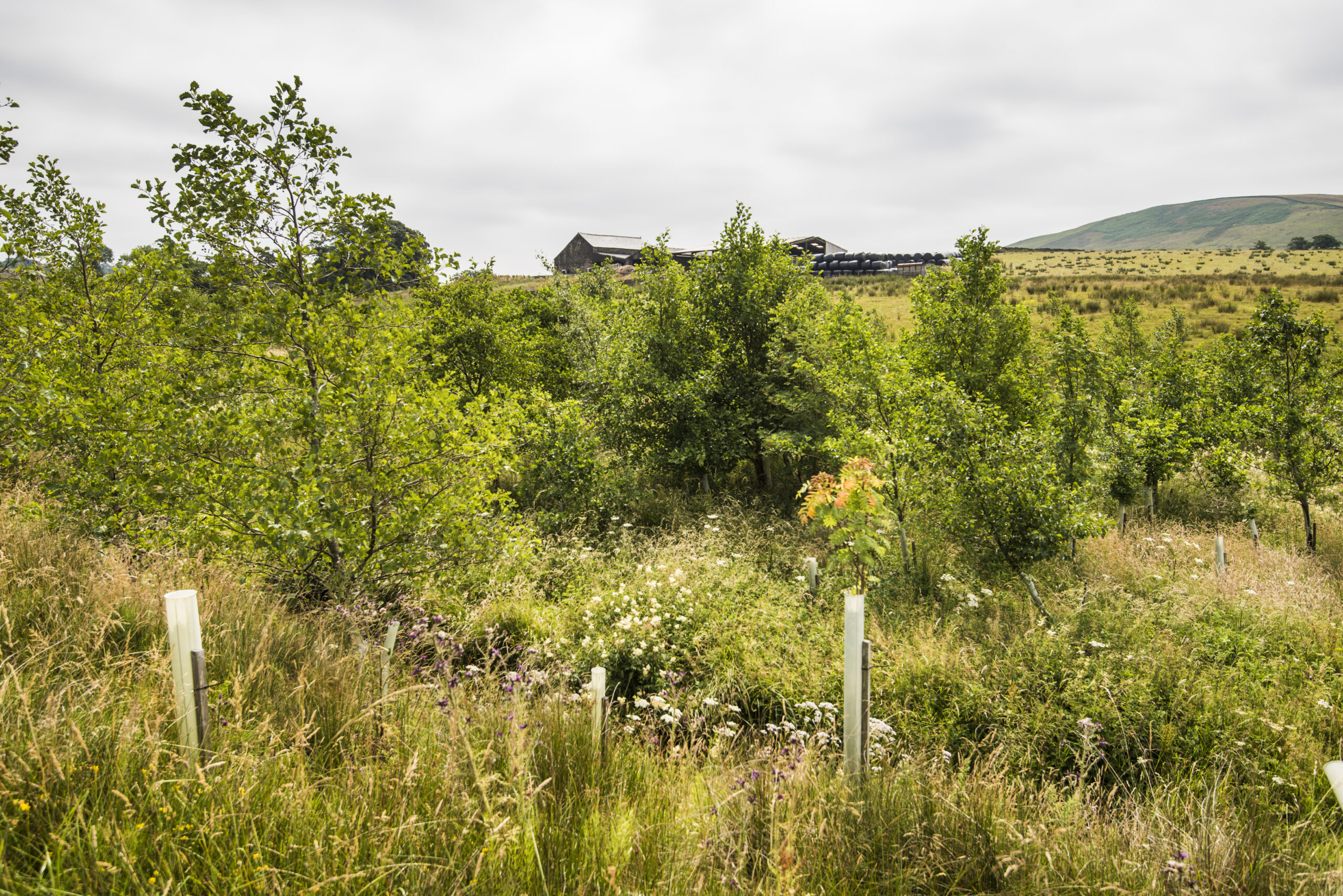
An event has also been planned with the Midlands Invasive Non-Native Species group on Wednesday 4th March as Conkers in the National Forest: Conkers Discovery Centre | National Forest. This event will focus on Grey Squirrel with presentations from UK Squirrel Accord, the Forestry Commission National Squirrel Policy Lead, the National Forest Company and Animal and Plant Health. The event will look at issues created by Grey Squirrels, how to set up damage monitoring and options for control. Weather allowing, the day will include a site visit. This is particularly relevant to Nottinghamshire organisations now because the Forestry Commission has recently received the first reports of Red Squirrels being present in the East Midlands in late 2025. This news means that tackling Grey Squirrel populations now has an increased priority for the area. For more information and how to book please contact sallie.corfield@forestrycommission.gov.uk

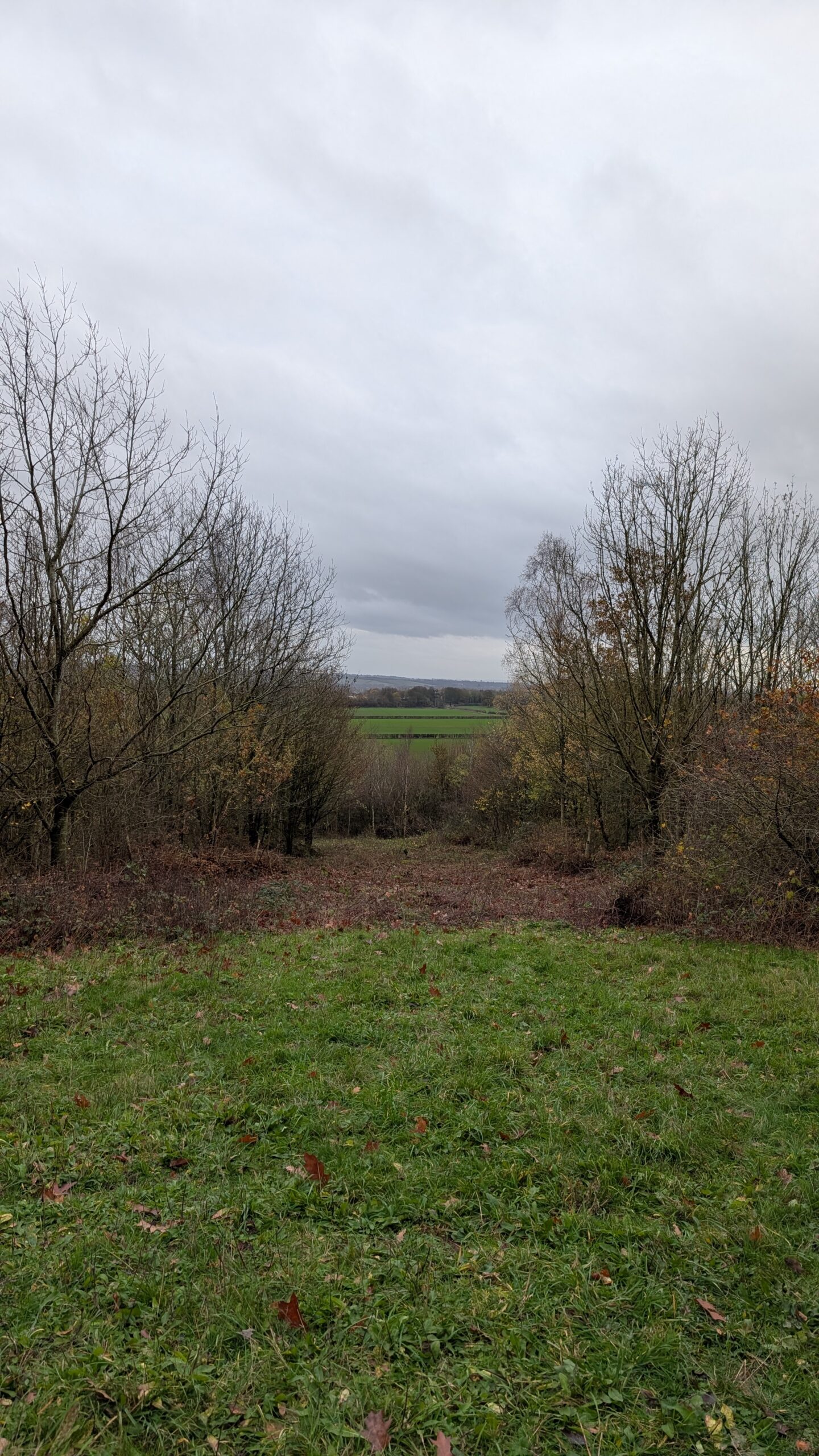
[Many Thanks to Sallie Corfield and the Forestry Commisson, for providing the news and photo for this blog]
White Clawed Crayfish Release

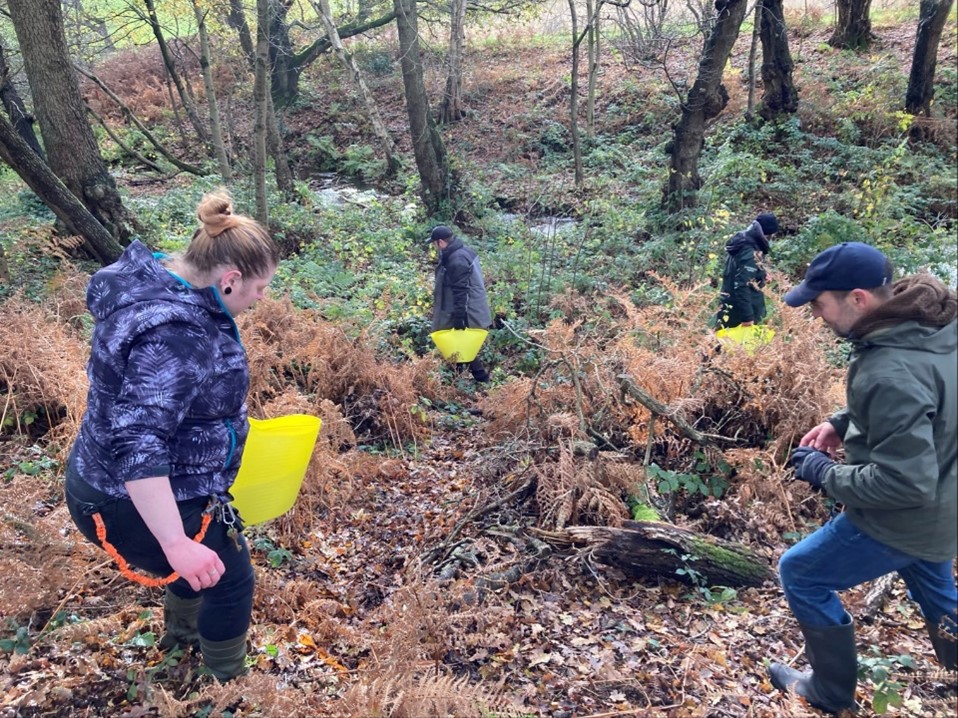
The Environment Agency completed four successful translocations of white-clawed crayfish during 2025. The native crayfish were rescued from the River Leen catchment in June, July, Sept and October. Following 1 month’s quarantine at Birmingham Sealife Centre, a total of 346 white-clawed crayfish were successfully released to the Ark site at another location in Nottinghamshire.

Environment Agency staff releasing White Clawed Crayfish in November 2025

The latest batch of crayfish were released during mid-November, following acclimatisation to the water temperature. Plans are to bolster the population with at least one more translocation in Summer 2026, and to improve the habitat upstream of the existing ark site through the installation of limestone refuges. It is hoped this will help to encourage greater colonisation, spread and establishment of the white-clawed crayfish for the long term.

White Clawed Crayfish ready to be released into the new ARK site

ARK site investigations:

The Environment Agency have been conducted preliminary Ark sites investigations at other locations too.  This is to assess the habitat suitability for translocating at-risk, white-clawed crayfish populations. The more places where native crayfish exist, the more resilience there is to wide-ranging threats and pressures across the landscape, to ensure their continued existence in the county.

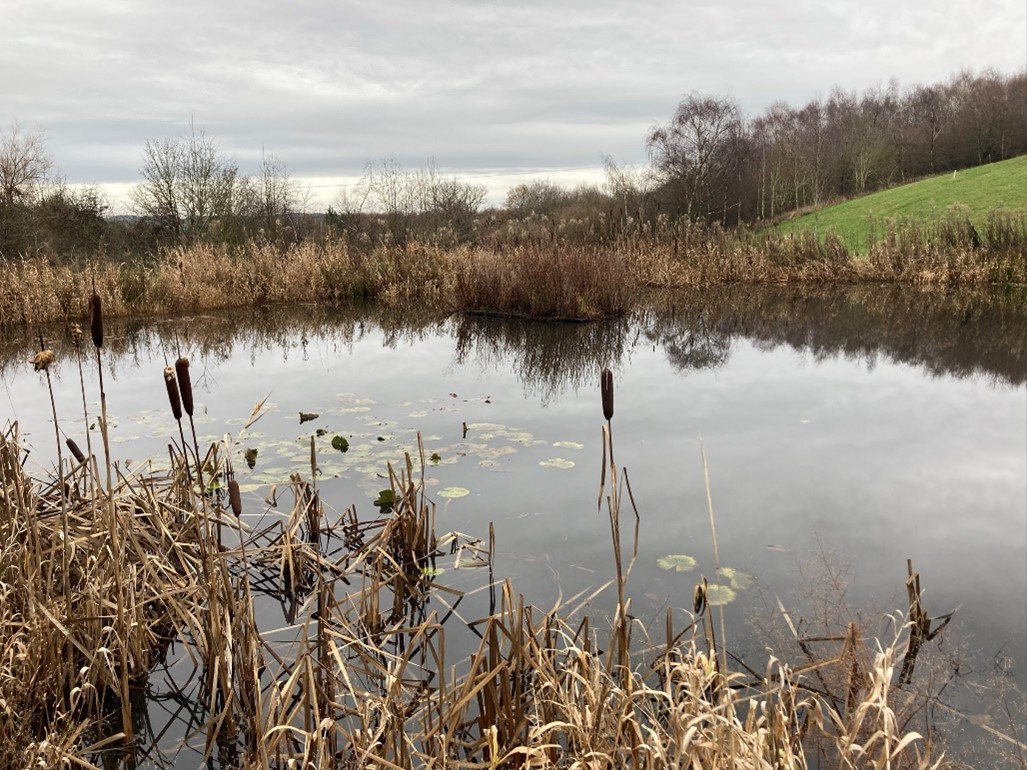
One of the ponds being investigated as a potential crayfish ARK site

Some of these potential ark sites are ponds, or headwater tributaries separated by long culverts.  Some eDNA surveys have been conducted and there are plans to do further water quality testing and macrophyte sampling in the coming year to further assess ark site selection suitability.

NB: the biggest threat to the native, white-clawed crayfish is the spread of crayfish plague. Crayfish plague is a disease that kills all European species of crayfish and once infected will kill the crayfish within a few days. The disease is carried by non-native American crayfish species that are more reliant to the disease. The disease can also be moved by following poor biosecurity, not cleaning and drying kit when moving it between water bodies.

To find out more about good biosecurity follow this link to the clean check dry campaign.

[Many Thanks to Ruth Bolton from The Environment Agency, for providing the news and photos for this blog]

Tree Work on the Green: Responding to Nature’s Challenges

Over recent few months, The Millenium Green in Mansfield Woodhouse, has seen some dramatic changes.

Bird Cherry Losses

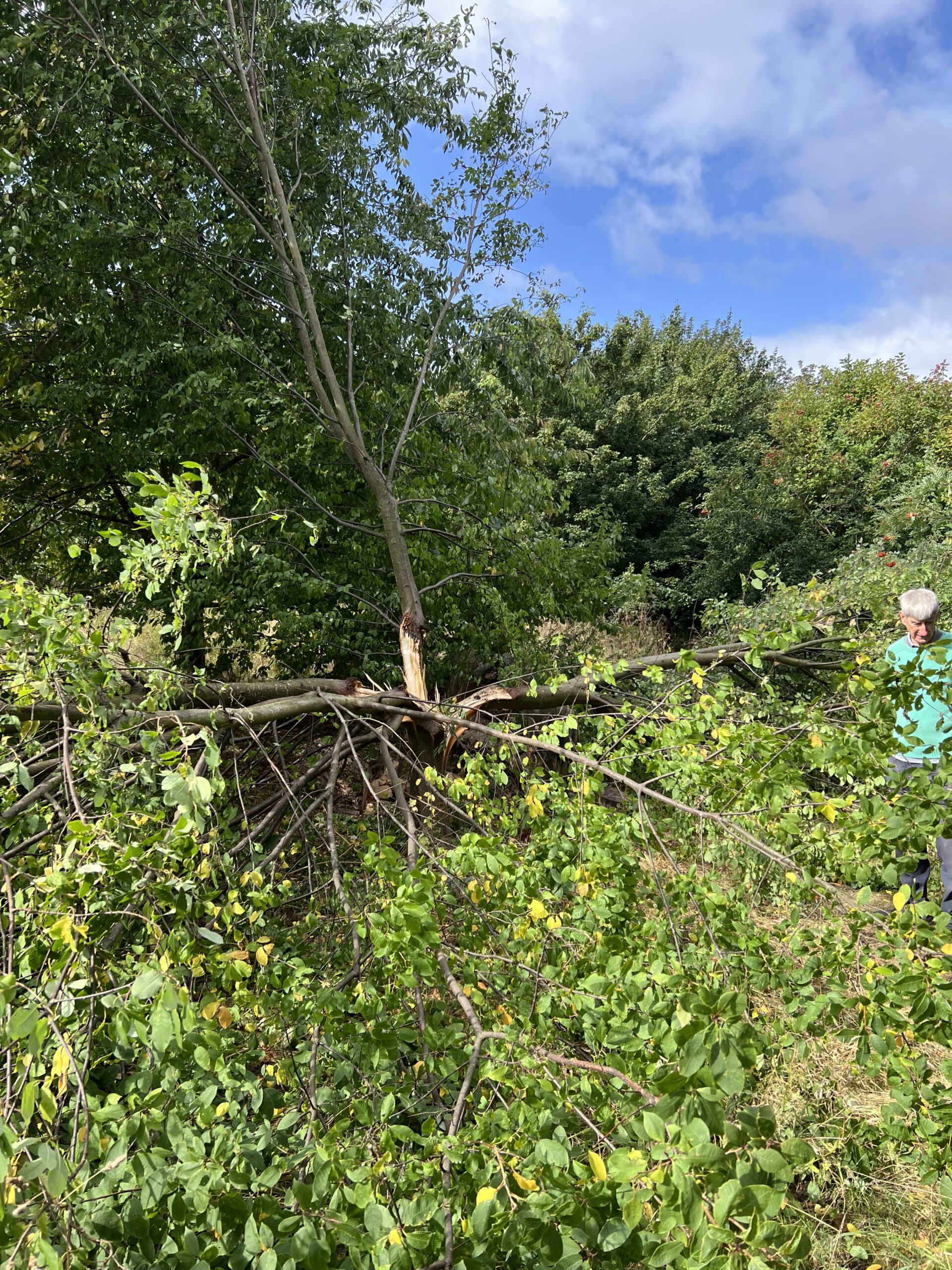
Two mature bird cherry trees were brought down in high winds during the autumn, likely exacerbated by the hot, dry summer – an indication of climate change affecting our landscape. One of the trees near the Donkey Steps had twin stems, one of which snapped and weakened the other, leading to its removal. The second, in the Meadow area, had multiple stems, most of which were brought down in the storm. Both trees were subsequently, taken down for safety reasons, with the brash being repurposed into large habitat piles, helping nature by creating a home for wildlife.

Damage to the cherry trees


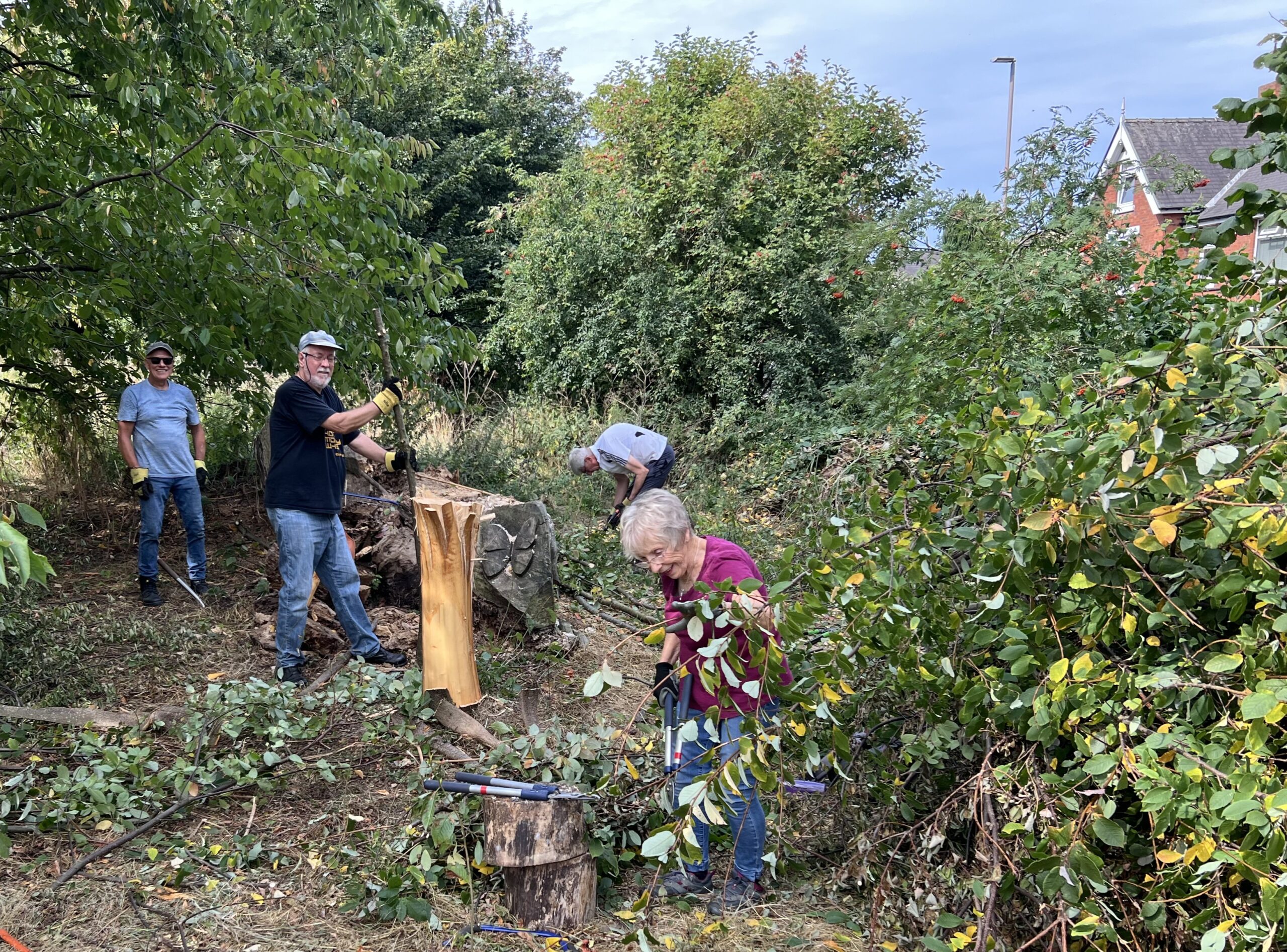
The volunteers safely cut the trees and created habitat piles for insects with the brash

Managing the Hazels

In addition, during the latest site tree inspection, the group were advised to take action on four large Hazel trees along the Welbeck Road boundary. Planted in the early 2000s, these trees have grown too close to the wall, posing a risk, not from their roots, but from their trunks rocking in high winds and pressing against the structure. To mitigate this, the group are going to coppice the hazels. This traditional method will allow the trees to regrow in a more controlled and manageable way, preserving the trees whilst protecting the wall.

Restoring Biodiversity at Freckland Wood: A Day of Conservation

On 11th November, staff from Nottinghamshire County Council visited Freckland Wood (one of the county’s green spaces sites) located on the edge of Newstead village.  A fascinating site that was once a colliery pit tip, this is now a thriving broadleaved woodland.  With its wide grassy rides (paths and tracks) open glades, and a monument at the highest point commemorating the area’s mining heritage, the wood is a great example of how restoration can bring positive changes to areas previously managed for industry.

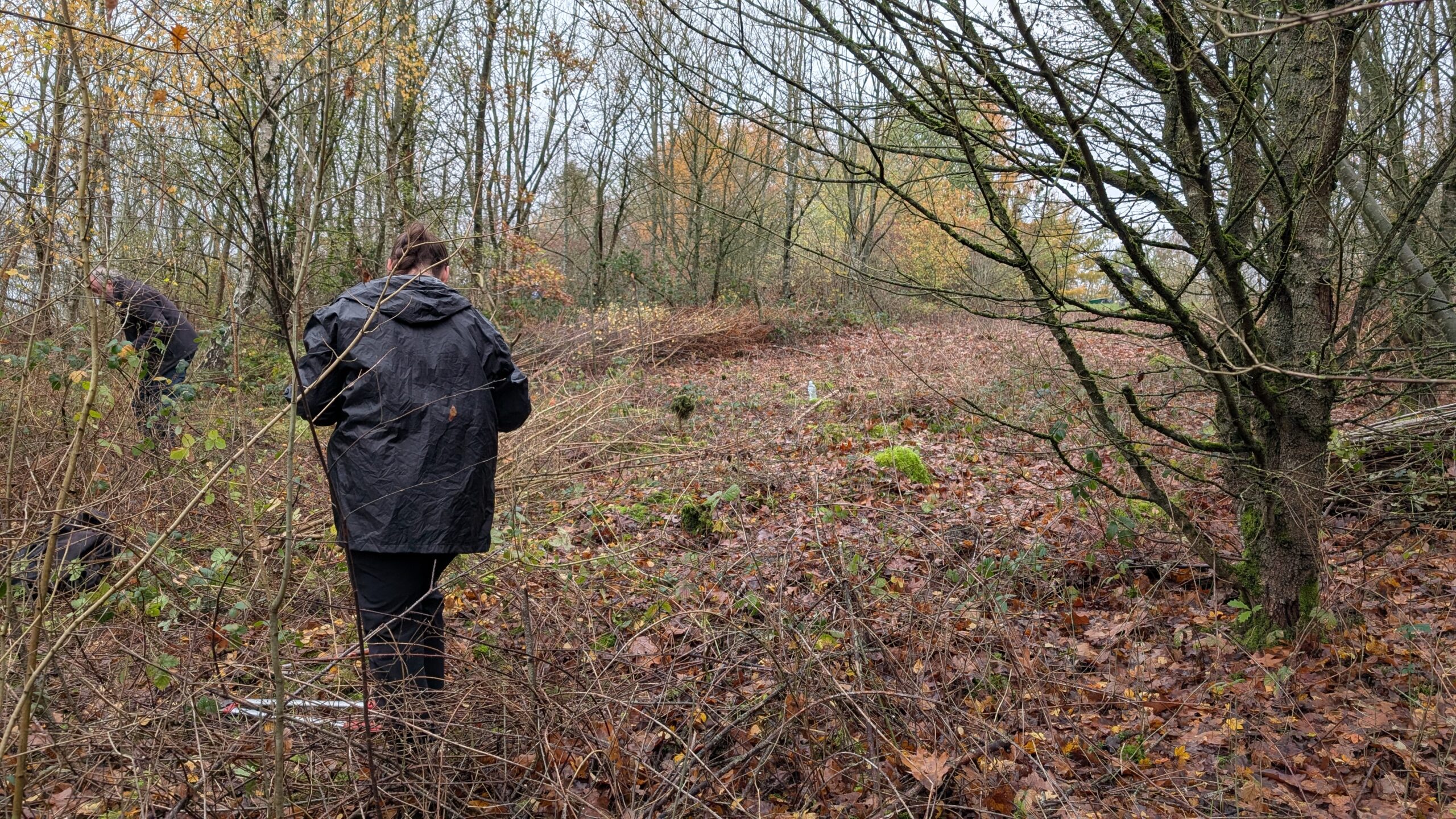
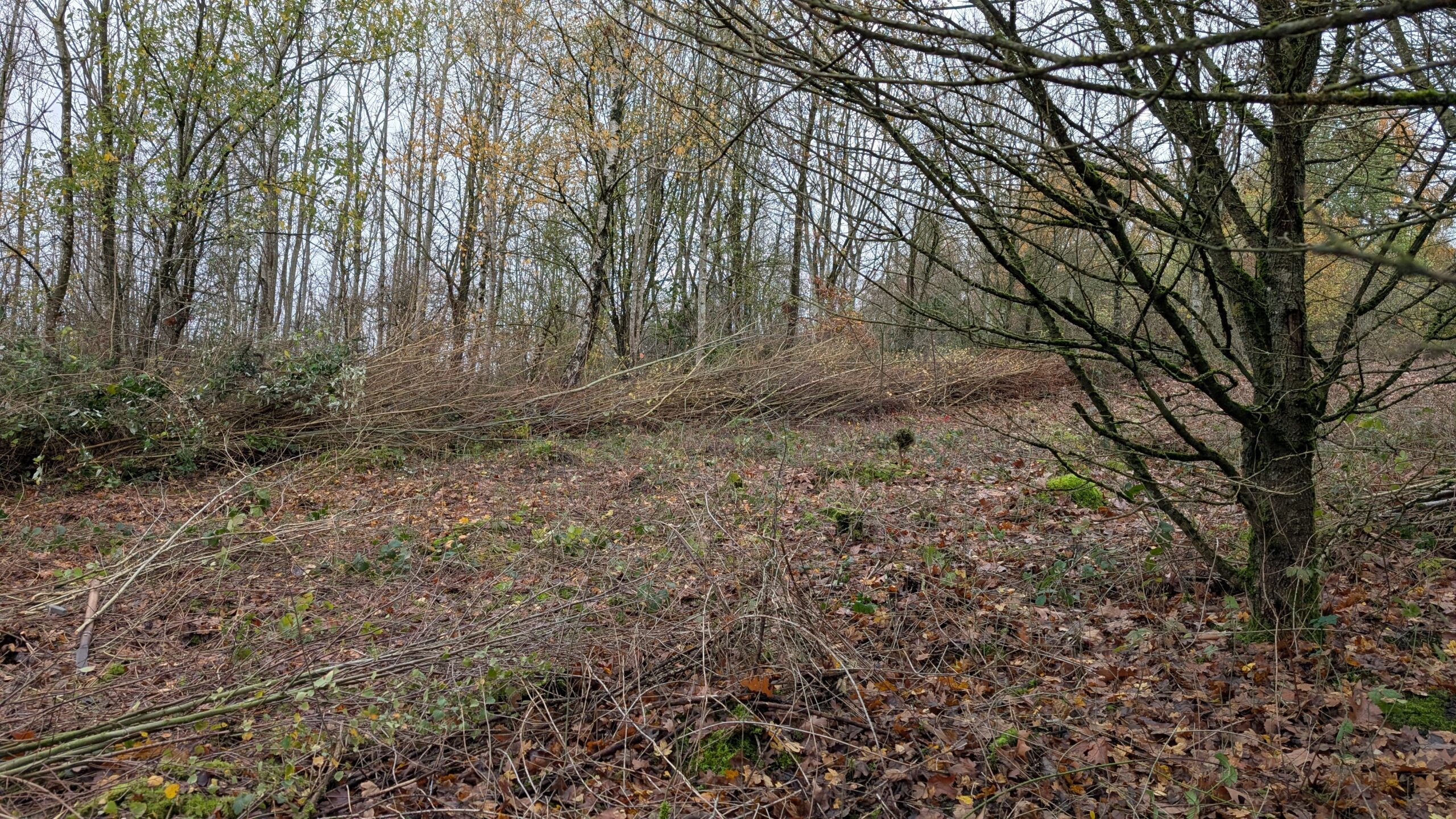
The main task of the day was to clear vegetation along some of the woodland rides, which were overgrown with regenerating scrub and woodland.  By widening these pathways and opening up woodland edges, transitional habitats (ecotones) can be created to support a diverse range of species.

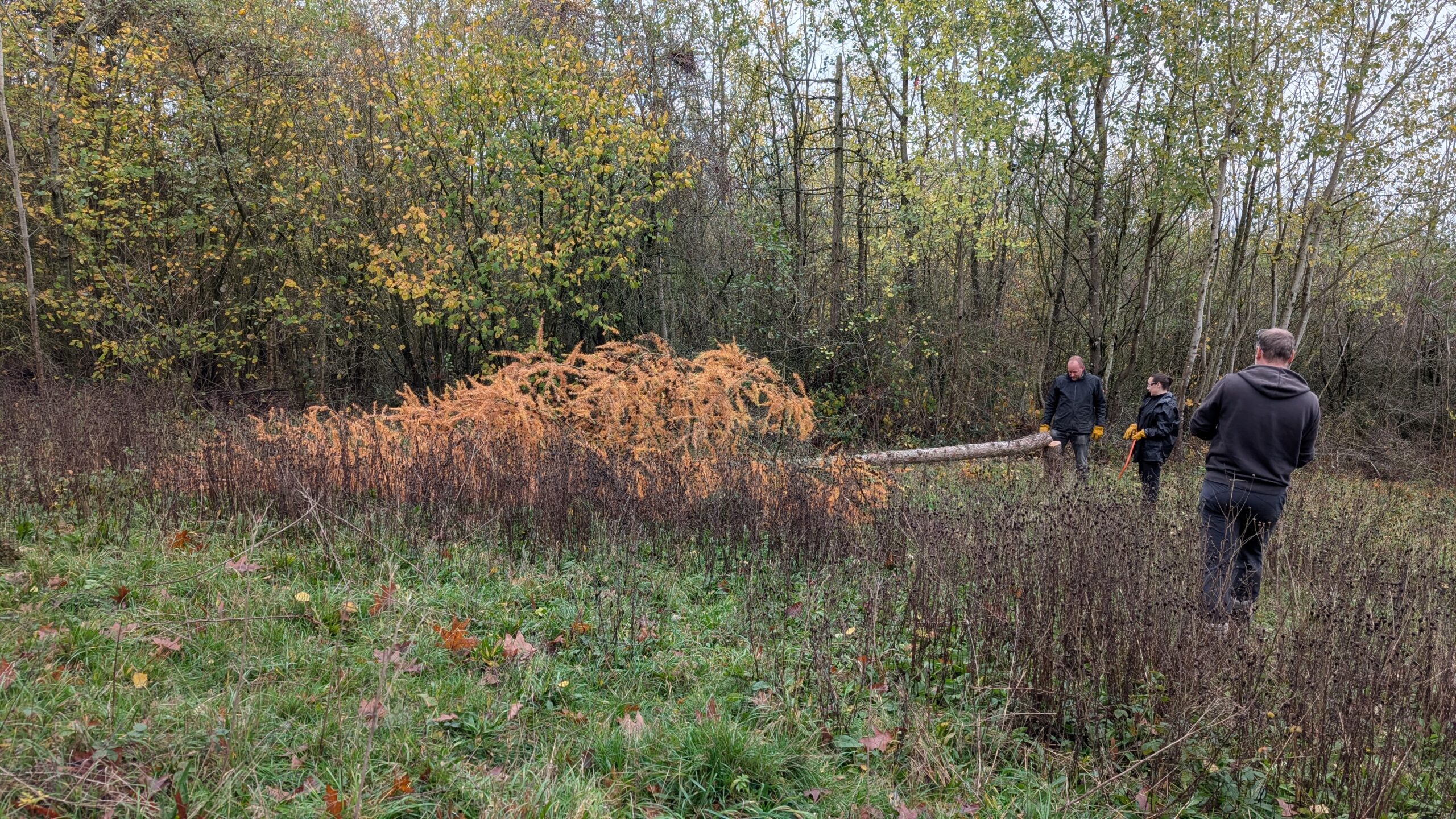
The conifer tree fell safely!

These changes will help boost biodiversity by creating sunny, open areas where wildflowers can flourish, attracting pollinators and other species. Woodland edges are particularly valuable because they offer a mix of shelter and feeding opportunities for wildlife.

Clearing the vegetation along the rides to improve biodiversity

Clearance completed!

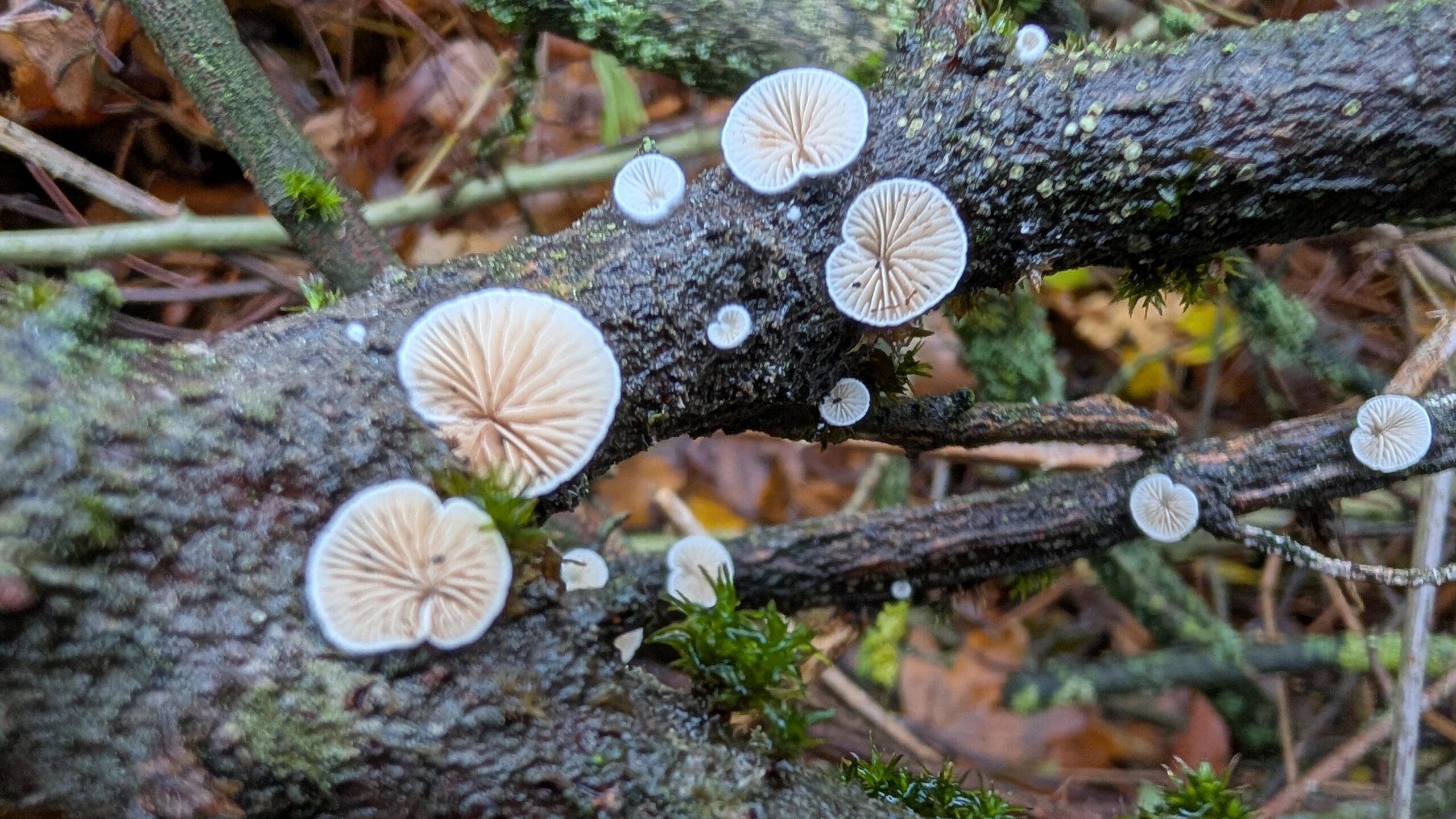
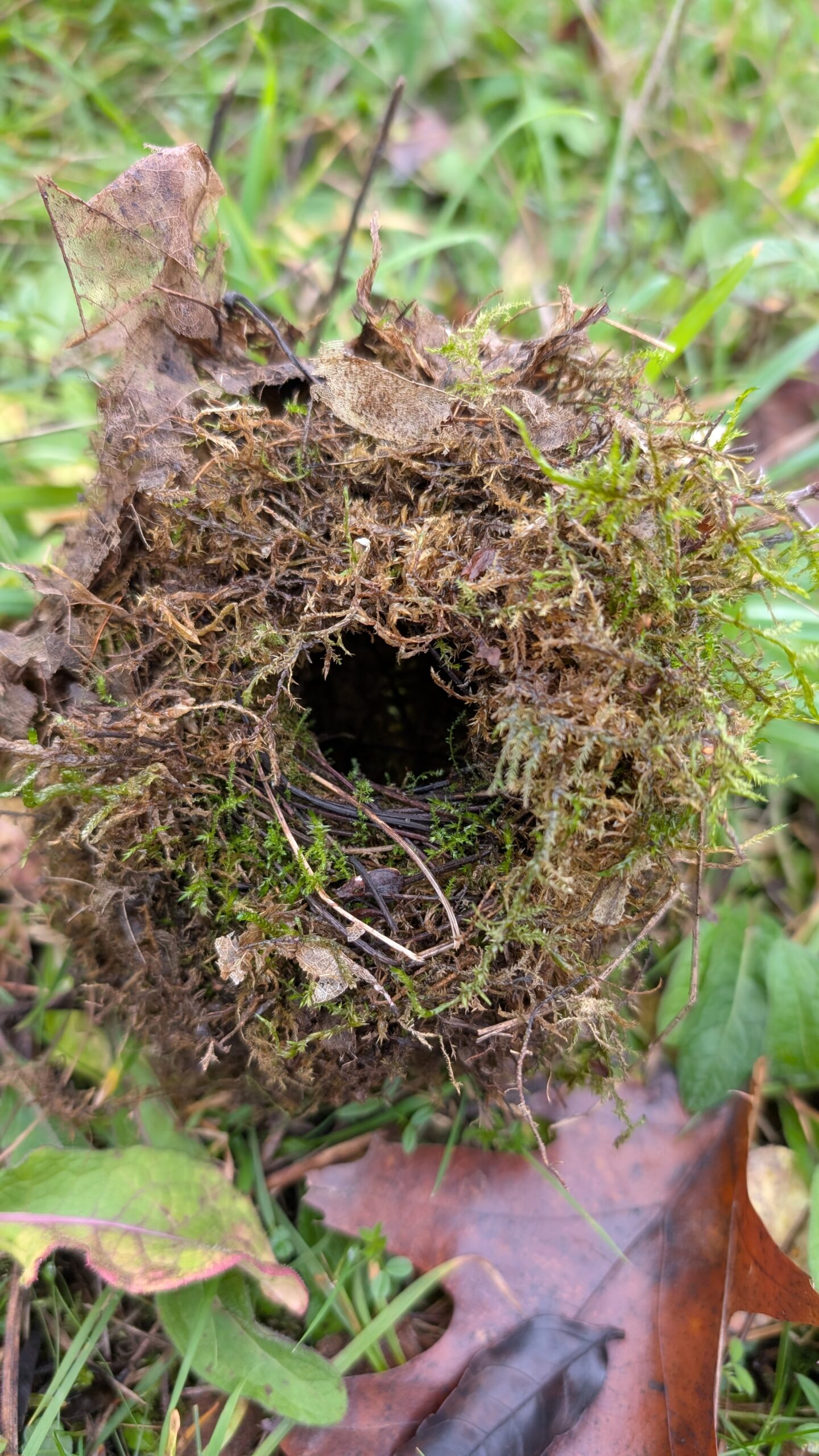
During the day, interesting signs of the site’s biodiversity were encountered; an old wren’s nest was found tucked away in the undergrowth – a lovely reminder of the woodland’s role as a home for birds. Crepidotus fungi were spotted growing on fallen branches, showing the natural cycle of decay and renewal at work.

Crepidotus fungi growing on fallen branches

An abandoned Wren’s nest – notice the little doorstep!

The cleared ride at the end of the day which has created woodland edges which are dynamically biodiverse

By the end of the day, great progress had been made opening up the rides and woodland edges.  It will be interesting to see how these changes encourage more wildlife and plant diversity in the months ahead.