Dormice in Nottinghamshire!

Record numbers of Dormice have been recorded in Nottinghamshire woodlands, making 2025 an exceptional year!  Early season breeding helped to boost autumn numbers as Dormouse born early in the year were then able to go onto breed in September / October. Numbers in other areas in the county recovered after a poor 2024 season.

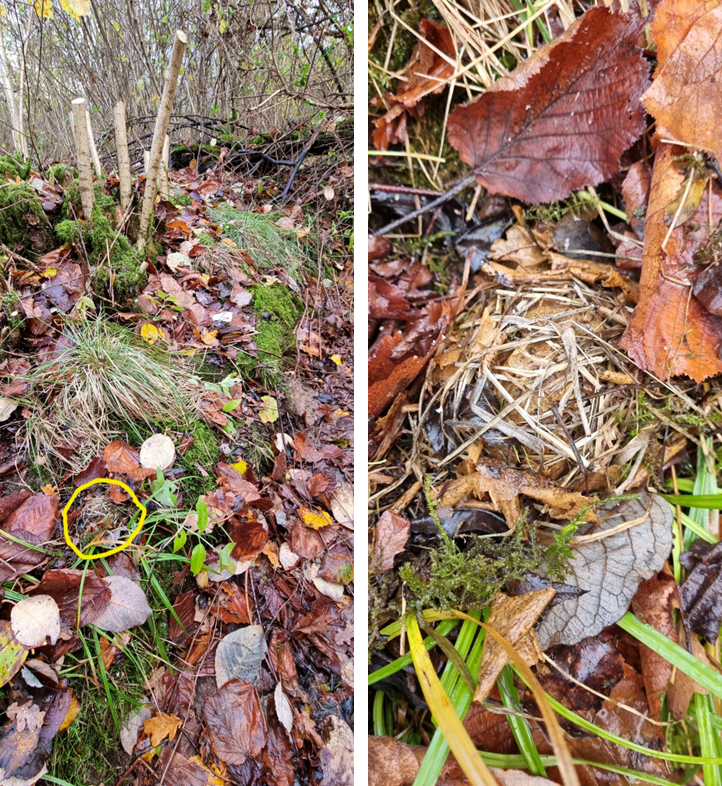
(L to R) Yellow marking shows nest in situ; Close up of hibernation nest

In 2020, a male Dormouse was recorded in a nestbox in a privately owned woodland, however, no Dormouse evidence has been recorded since.  The boxes were checked in October of this year by a licenced dormouse surveyor from NDG, recording a very chubby female Dormouse in torpor.  The woodland owner, was delighted to hear that Dormice are still present in the woodland and has begun a programme of woodland management, including hazel coppicing, canopy opening, and oak planting.

Currently, the Dormouse group is in the midst of their winter programme, with monthly sessions focussed on assisting the Nottinghamshire Wildlife Trust rangers to complete this year’s coppicing. During one of the sessions, a group member was lucky enough to discover a dormouse hibernation nest during a standard fingertip search around the coppice stool they were working on. The nest was confirmed as occupied after listening out for the tell-tale sounds of Dormouse snores!

[Many Thanks to Lorna Griffiths from the Nottinghamshire Dormouse Group, for providing the news and photos for this blog]

Spalford Warren & Volunteer Conservation Work

Work across Nottinghamshire Wildlife Trust’s (NWT) reserves has continued at pace as they manage, restore, and enhance some of the county’s rarest habitats. Recent tasks have included aftermath grazing on the grasslands which are Sites of Special Scientific Interest (SSSI) at Ashton’s Meadow and Besthorpe Meadow, along with ongoing work to create wood pasture at Idle Valley Nature Reserve.

Aftermath grazing is the practice of bringing livestock onto a meadow after the hay has been cut, allowing them to graze the fresh regrowth. This helps keep nutrient levels low, prevents scrub encroachment, and maintains the open, species‑rich structure that many rare plants and insects depend on.

The livestock are currently conservation-grazing a rich mosaic of habitats: calcareous, neutral, and acid grasslands, as well as fen and heathland sites. Their grazing plays a vital role in maintaining these landscapes for the specialist wildlife that depends on them.

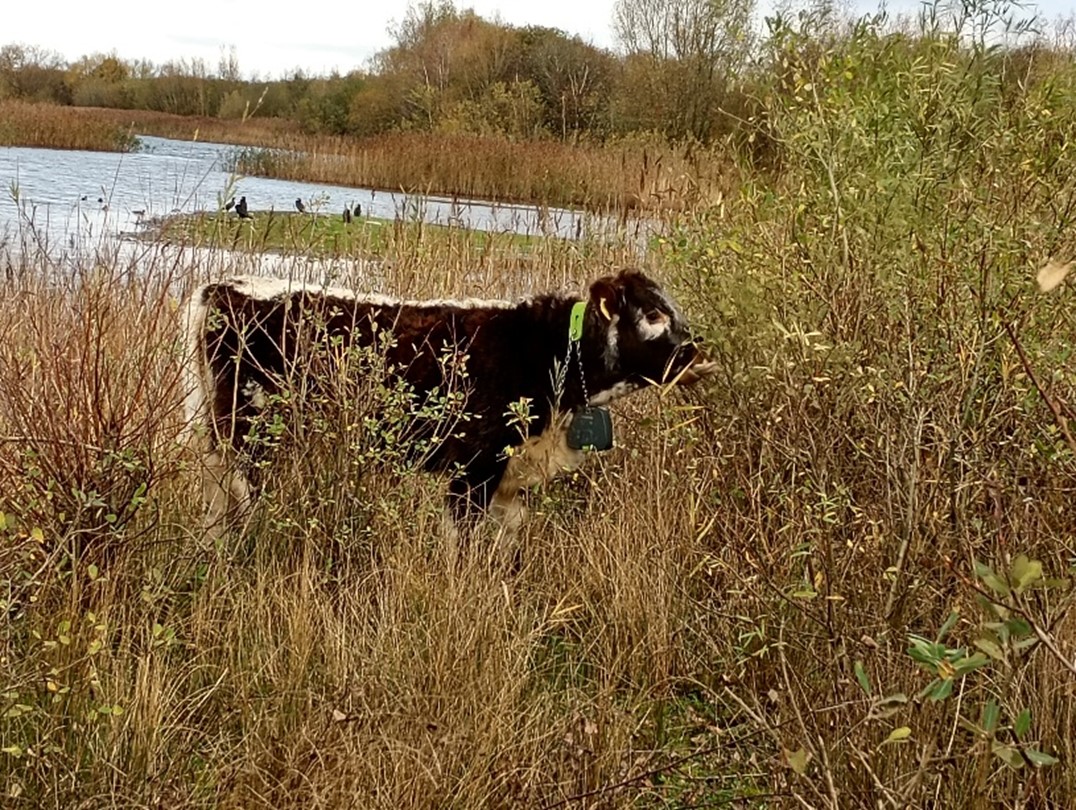
A longhorn calf tackling willow in the beaver area

This year NWT is especially pleased to have established a dedicated volunteer group for Spalford Warren SSSI, a site which is home to rare aeolian sand heathland. This is a type of heathland shaped by the wind, formed through the movement and deposition of sand and other fine particles. These landscapes are typically open and sparsely vegetated, occurring where little plant cover exists to stabilise the shifting sands. Over time, as vegetation establishes, these habitats become more stable and resilient, providing a secure environment for both the sand and the specialist wildlife that depends on them.

NWT are also delighted to highlight the amazing contribution of their fantastic volunteers. Their dedication is essential to delivering the reserve management work, and their enthusiasm and support are already making a real difference.

[Many Thanks to Janice Bradley and Erin McDaid from Nottinghamshire Wildlife Trust for providing the news and images for this blog]

Haloing Veteran Oaks in Sherwood Forest

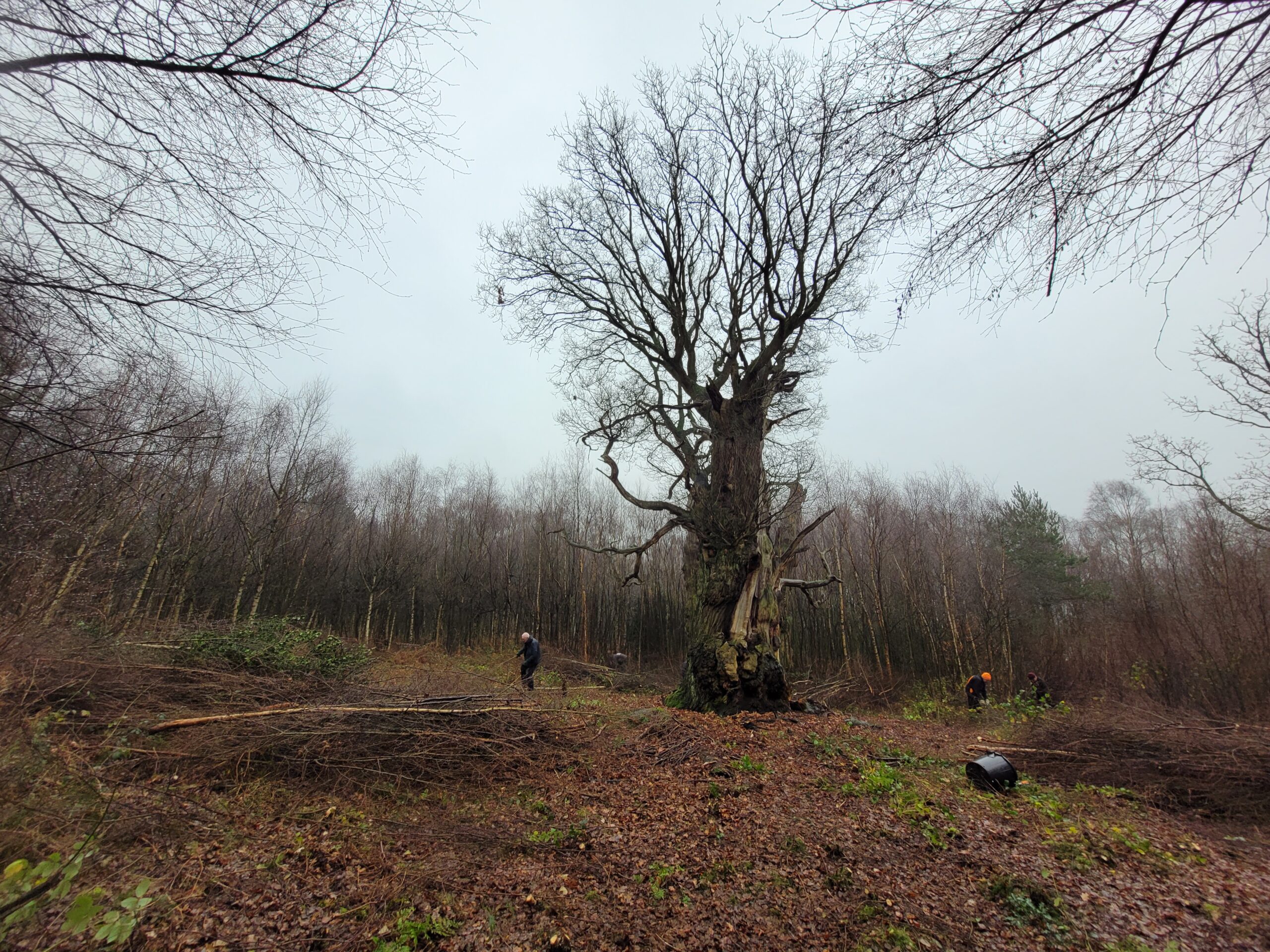
In winter 2025, volunteers working with Forestry England focused their attention on haloing veteran oaks in Sherwood Forest. They made good progress however there is still plenty to do.  This work on the smaller trees and shrubs around the trees is happening ahead of further works that are planned with chainsaws on larger trees and shrubs. This work will increase the space around the veteran trees reducing pressure from the surrounding vegetation.

Haloing (also known as halo clearance) is the removal of the surrounding vegetation from veteran tree canopies. This process is undertaken in order reduce competition for resources. Where branches have been shaded by other trees and vegetation, they will die off, so this work is essential to increase the trees ability to get light, water and nutrients so it can make more food to maintain itself.

Other benefits include improved soil conditions and reduced stress to aid the trees vitality all while creating habitat for lichens, fungi, birds and invertebrates helping to restore an ecological balance typical of a more open forest environment.

[Many Thanks to Amy Chandler from Forestry England for providing the news and images for this blog]

Waterway & Reedbed Management

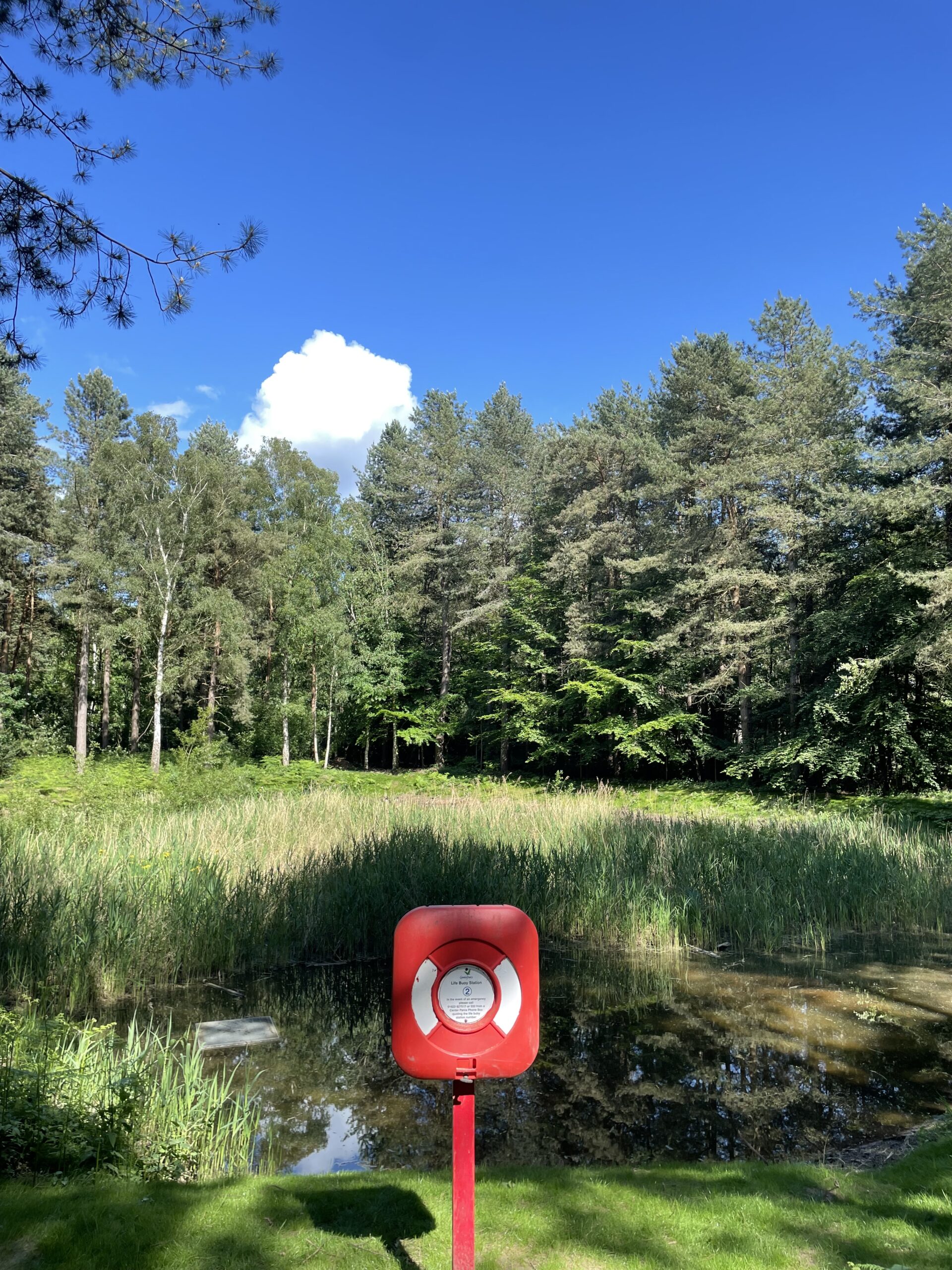
At Center Parcs in Sherwood Forest, there is a complex system of rivers and ponds that runs throughout the Village, and part of their conservation management is to ensure these waterways are maintained efficiently so that the aquatic life, specifically amphibians, can thrive.

The ponds and rivers at Center Parks Sherwood Forest are continuously managed for maintenance of waterways and wildlife

Amphibian torching counts are conducted every spring, and the numbers of common toads & frogs are always good. To ensure that the numbers are maintained, water quality is improved where possible. This involves increasing suitable waterside vegetation, in some places trialling reed transplanting from the largest reedbed area on site.

In the following weeks, undesirable species will be thinned out, and reeds will be rotationally cut. The wetlands also have the potential support reed warblers and reed buntings. There are also regular sightings of kingfisher on the main lake and side rivers. Asa result Center Parcs are actively seeking ways to maintain and provide suitable nesting habitat for them, in particular on the banks of the lake islands.

[Many Thanks to Kate Doull from Center Parcs, Sherwood Forest, for providing the news and photo for this blog]

Bat Surveys with The Sherwood Forest Trust

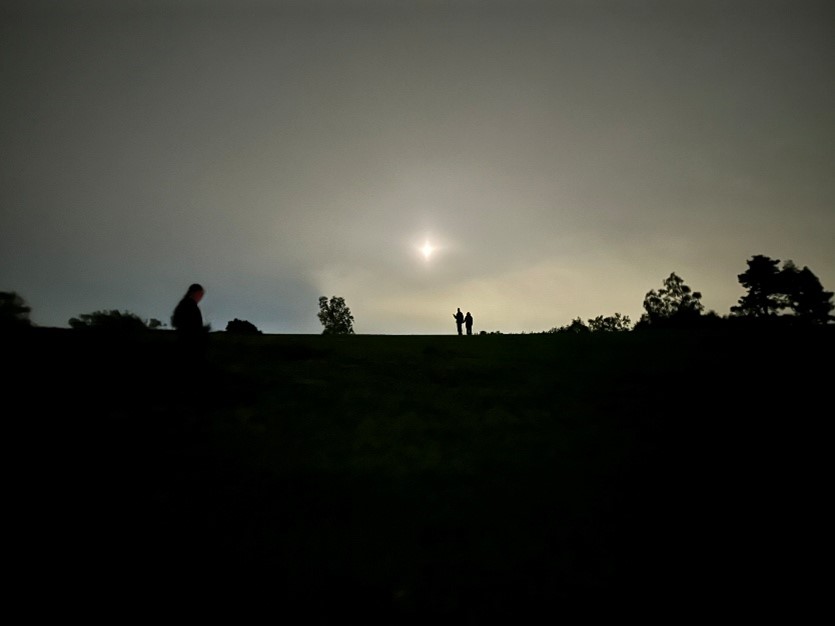
During autumn 2025, Erin and Graeme (Sherwood Forest Trust) conducted bat surveys across sites that are part of the ‘Sherwood’s no longer forgotten Heathland’ project. Some of these surveys were just done alone, but at the golf courses that are part of the project, members of the clubs were invited to have a look at what is around on the courses after dark. This was a good way of engaging with people who often question the work being carried out and want to know why it’s being done.

The team conducts bat surveys for Sherwood’s No Longer Forgotten Healthland Project

Surveying at Coxmoor golf course showed that they have an active bat population that consists of at least 4 species of bat. This information will go into the future management plans and decisions being made in relation to the courses’ play.

Oak Tree heath showed its importance as a food source for several bat species in the area. In 2026 the Sherwood Forest Trust hopes to explore more of the food source side of things by doing some more invert and moth surveying.

Heather scrapes being created at Coxmoor Golf Club

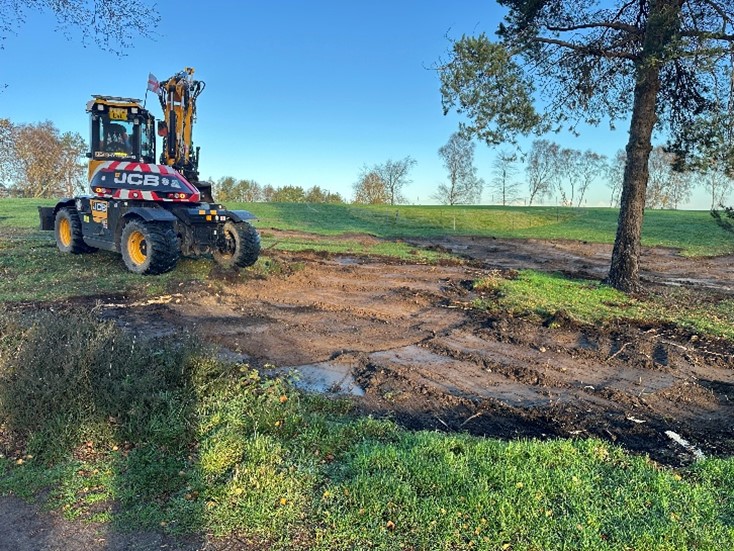
The Sherwood Forest Trust has been creating some heather scrapes at Coxmoor Golf Club to expand the area covered by heathland. The work was carried out in mid-November, although there is plenty more to do over the next 3 years.  More plans are being made in order to help to restore and maintain the precious heathlands of Sherwood.

[Many Thanks to Graeme Turner from The Sherwood Forest Trust for providing the news and images for this blog]

Grizzled Skipper Work Parties Completed (2025-26)

After starting in September 2025, this month we have officially finished our Grizzled Skipper work parties for the winter season!

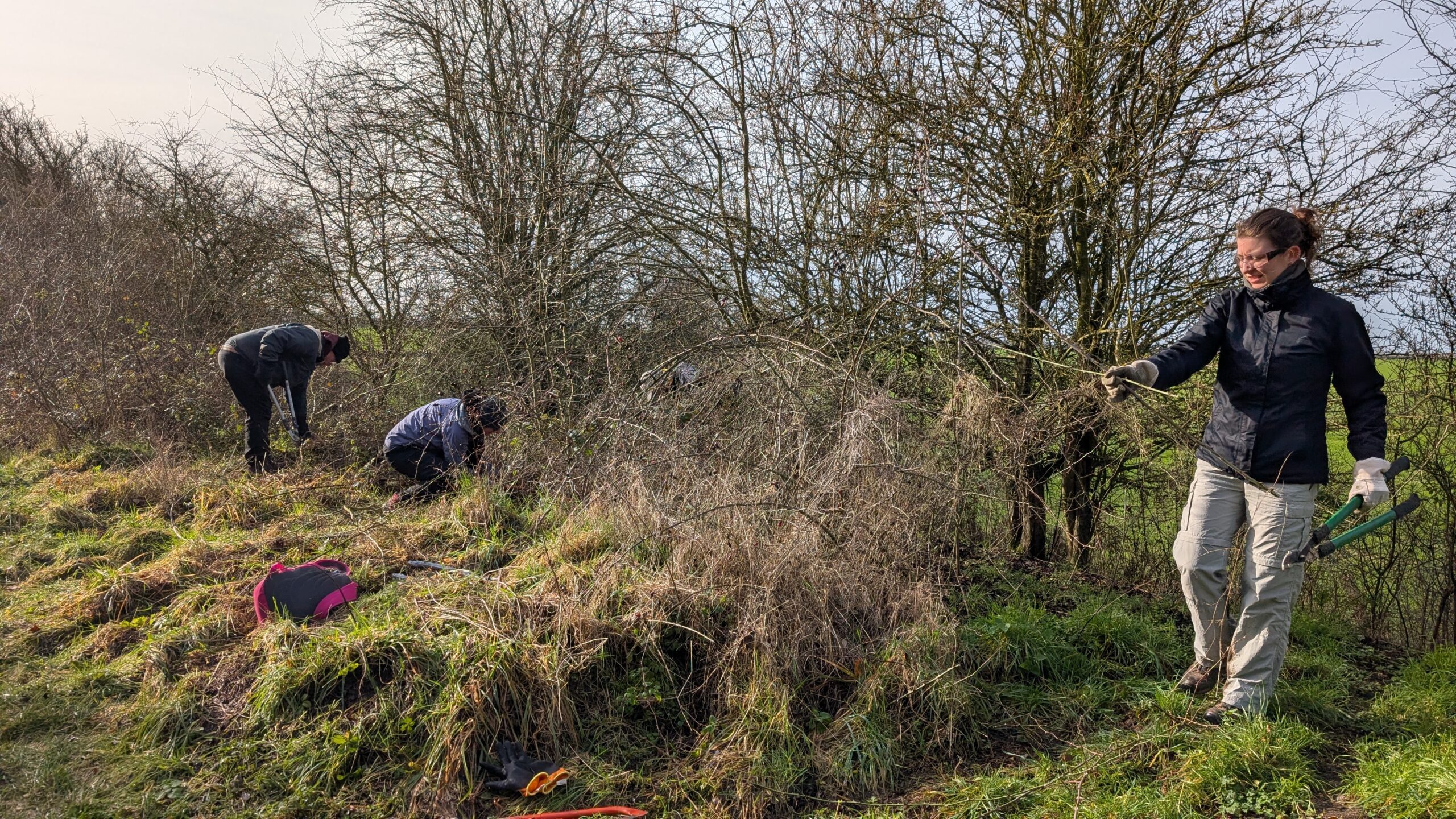
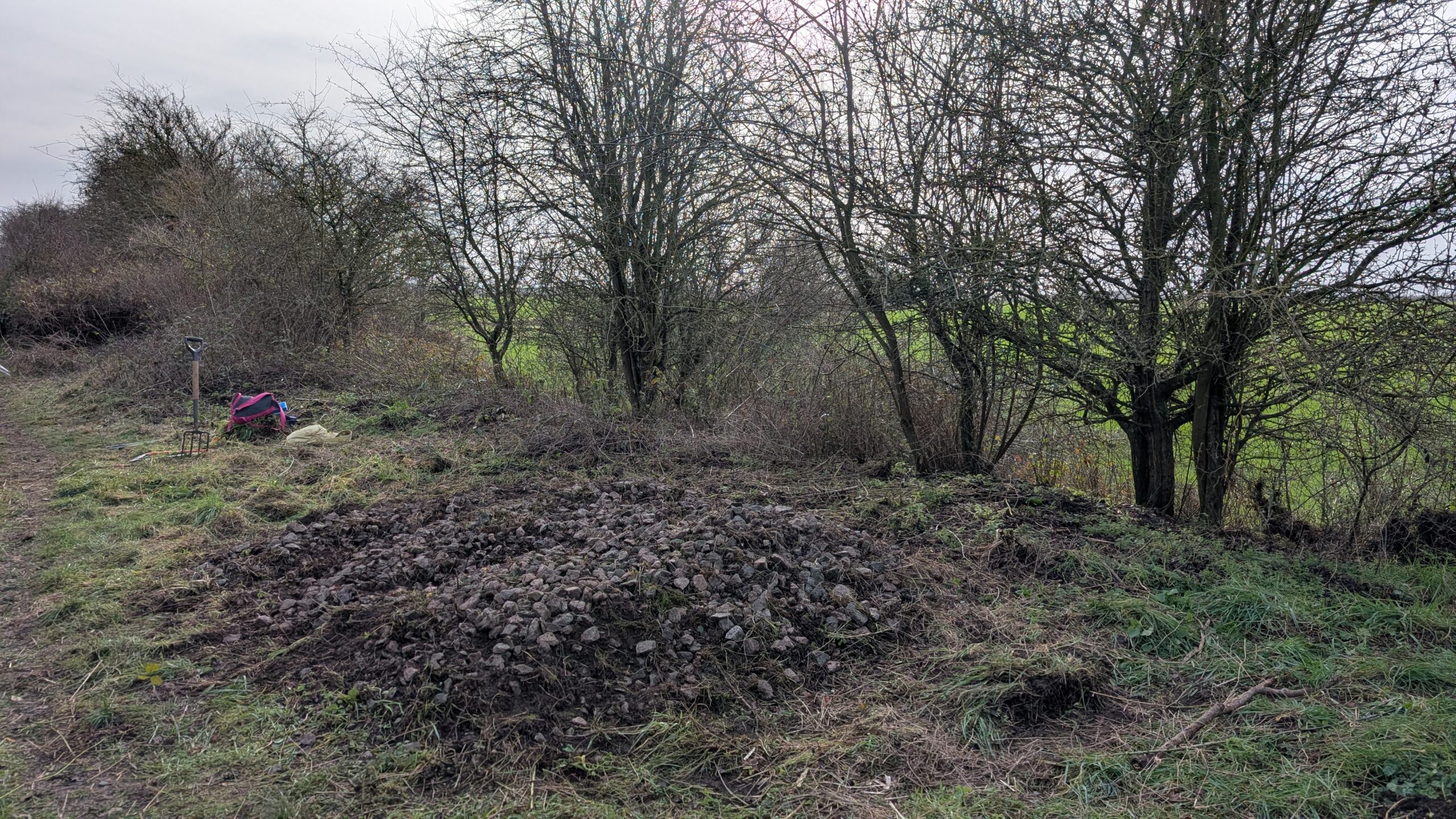
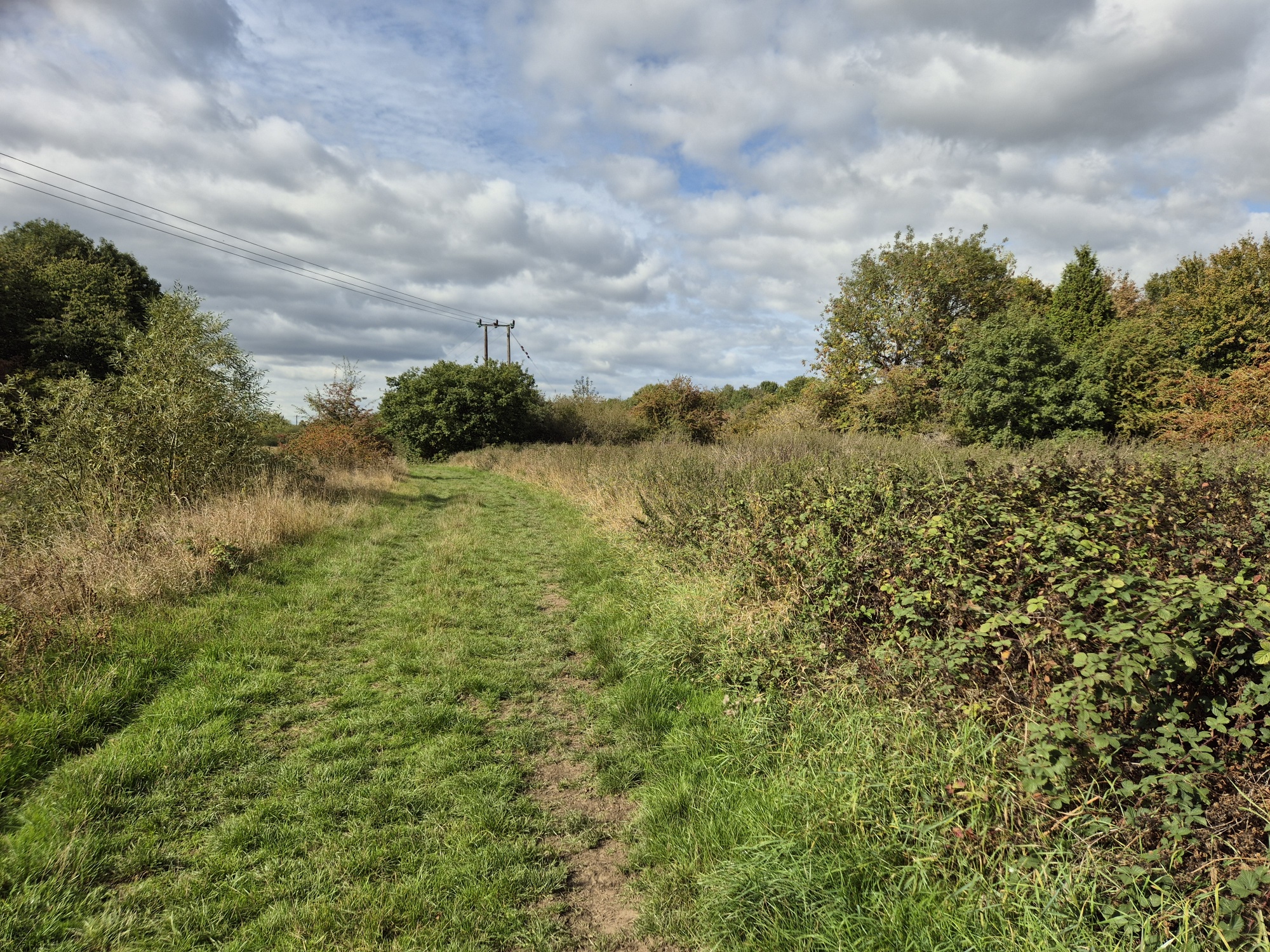
(Above) Before and After: Weeding and clearance of potential egg laying sites, Alverton Disused Railway

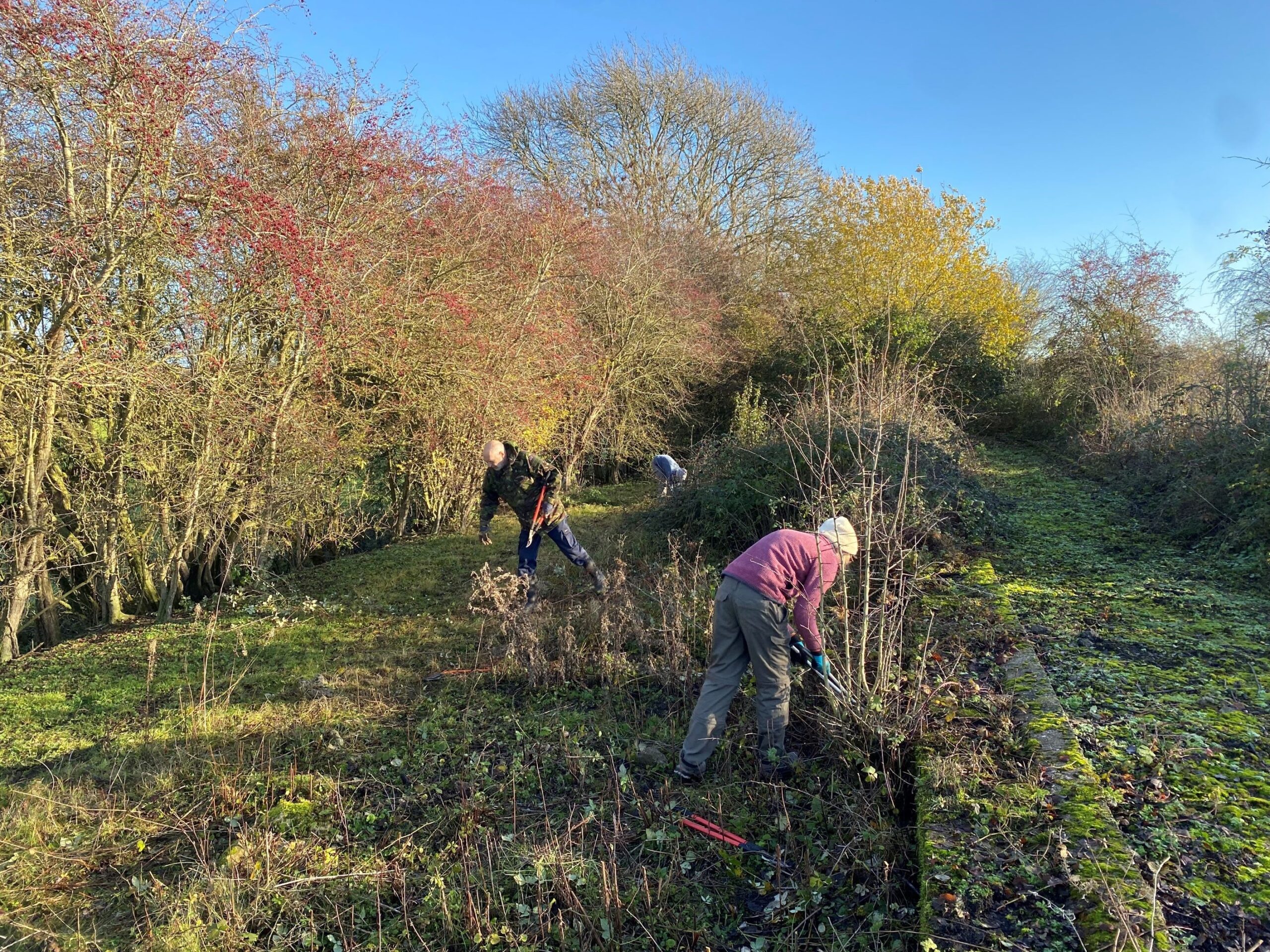
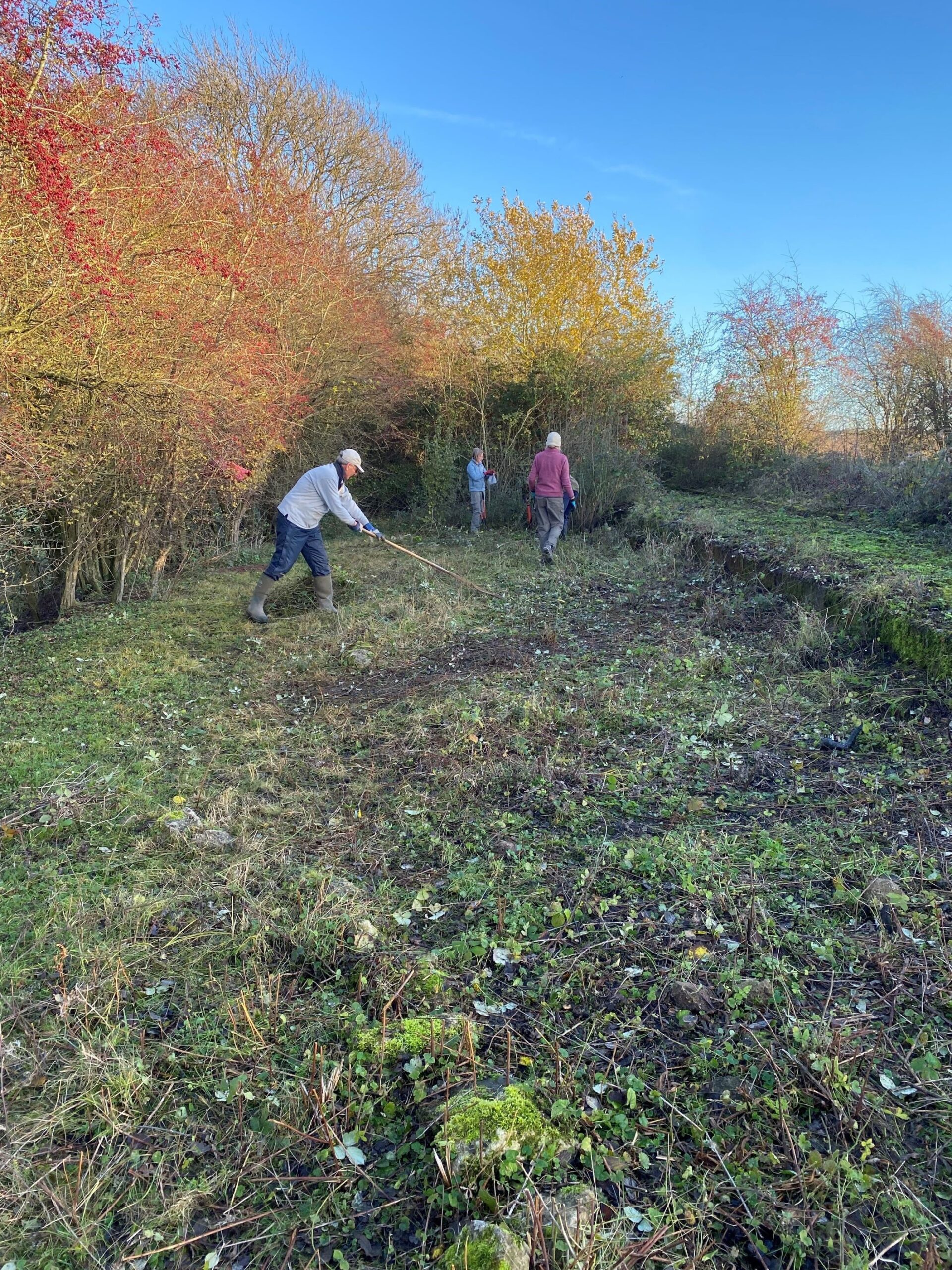
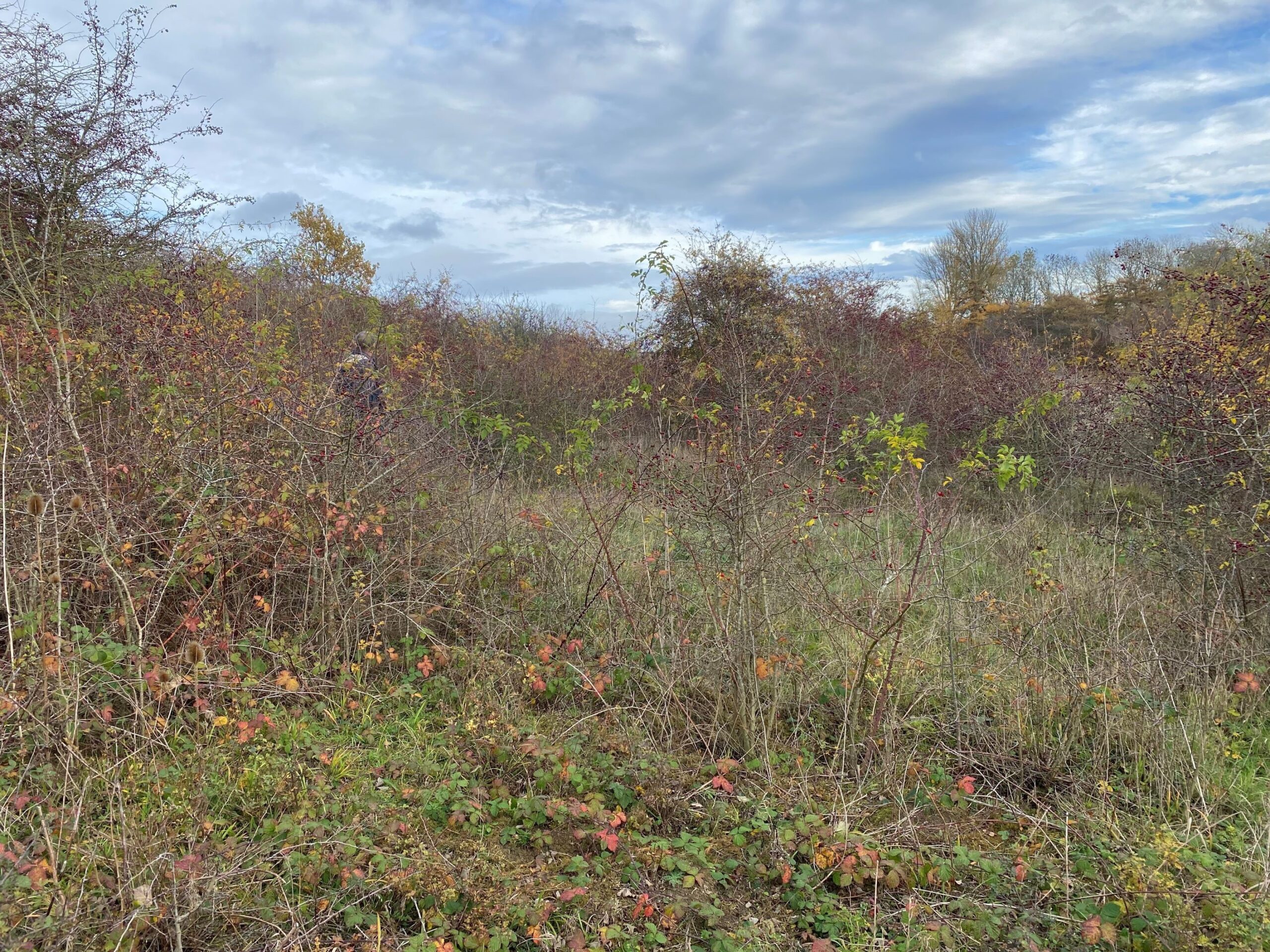
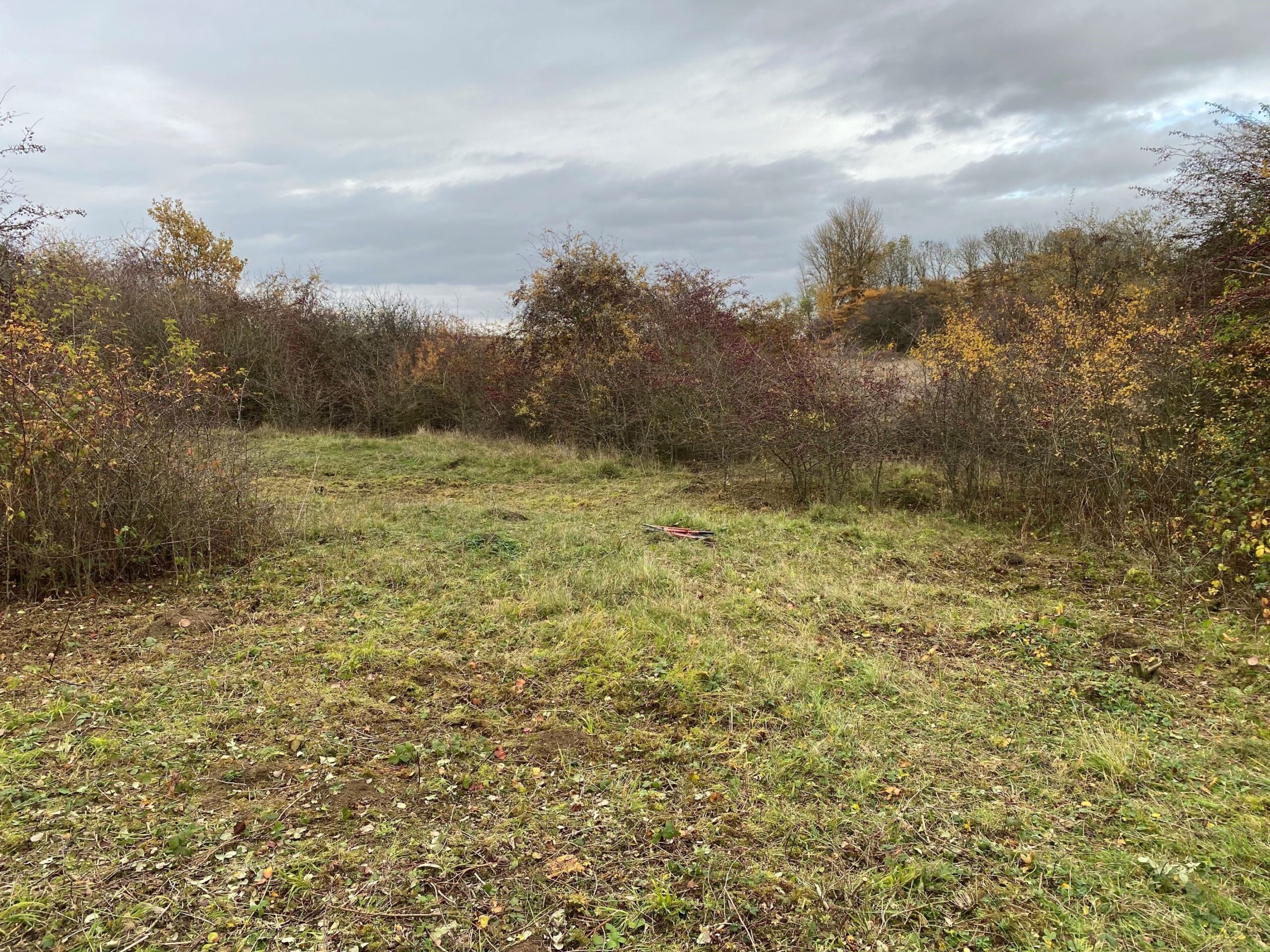
With funding from Butterfly Conservation East Midlands Branch, Nottinghamshire Biodiversity Action Group successfully organised a total of 10 volunteer work parties, targeting locations across South Nottinghamshire. The work parties led to habitat improvements (scrub clearance and enhancements of potential egg laying sites) that will support grizzled skipper and other invertebrates at these sites.

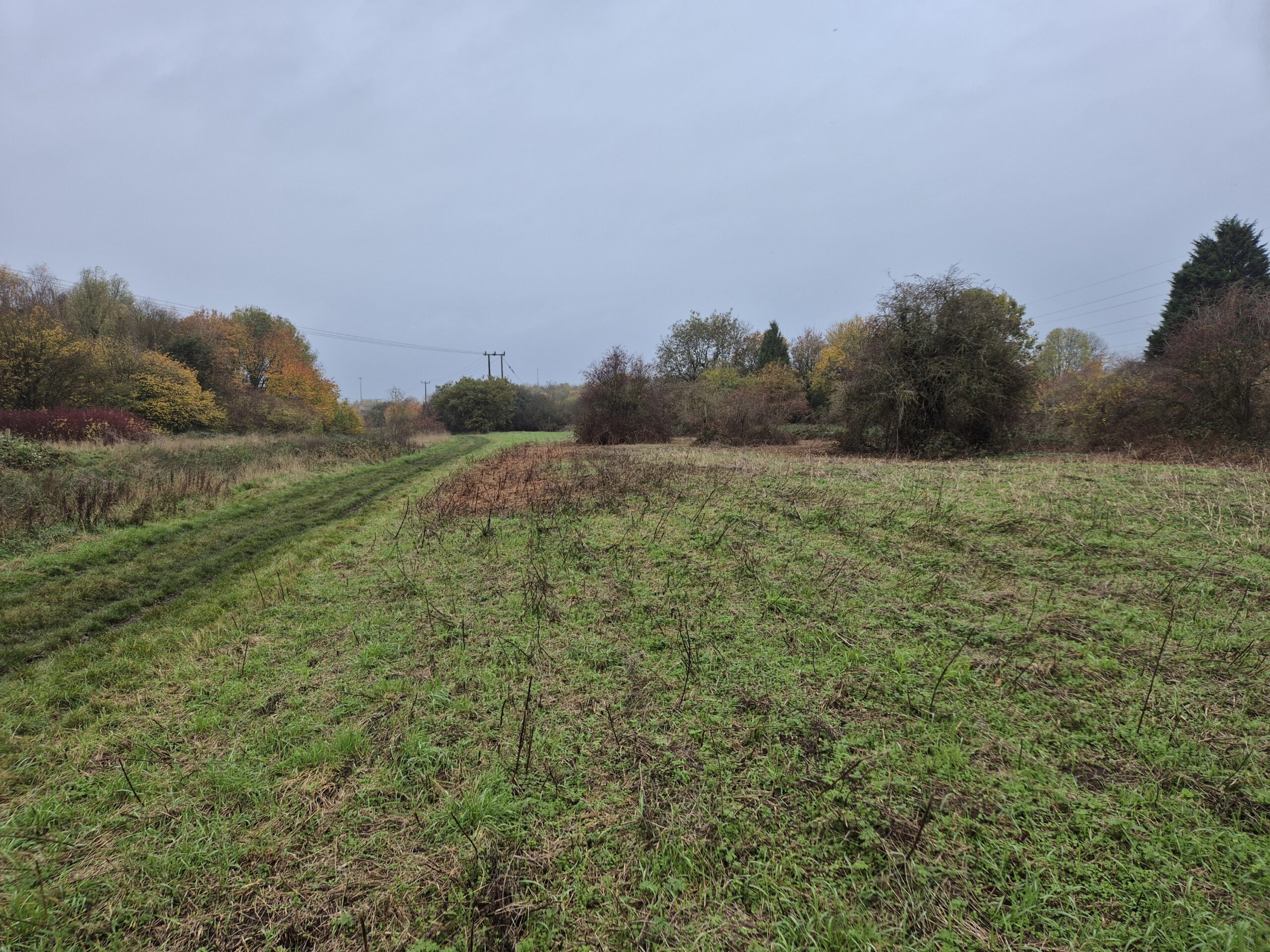
(Above) Before and After: Scrub clearance at Saxondale Railway

Through a variety of different weather conditions, our volunteers worked tirelessly raking grassland sites, clearing scrub and weeding ballast piles to make these sites more attractive to the Grizzled Skipper. The work parties also planted up their favoured larval food plants, agrimony, wild strawberry and creeping cinquefoil on sites where these plants were previously scarce or absent.

(Above) Before and After: Scrub clearance at Grange Farm, Normanton-on-the-Wolds

We are looking forward to and hoping for a good flight season this coming spring and early summer, when we will be surveying and monitoring sightings of the butterfly.  We welcome any records and photographs.

If you see the Grizzled Skipper in Nottinghamshire, we would love to know so we can add it to our records – please email us on biodiversity@nottscc.gov.uk.  All we need is a date of sighting, the time and a location of where you have seen the butterfly, and we welcome any photos taken of them too.

A big thank you goes out to all the volunteers who have participated in this project, come rain or shine!

Toton Floodplain: Restoring Meadow for Nature

Broxtowe Borough Council are hoping to develop a new project at Toton this year and onwards. In Autumn 2025, an area of around 2.5 hectares of rank grassland and light scrub was cleared thanks to funding through Nottinghamshire Wildlife Trust, from the Species Survival Project ‘Thriving in a Wilder Trent’. This land sits in the Erewash floodplain, between the main river channel and an artificially constructed by‑pass channel, and is subject to seasonal flooding.

Toton: Before clearance of the proposed meadow site

The plan is to develop this into an area of floodplain meadow, potentially Lowland Wet Meadow. The area forms part of a wider Site of Importance for Nature (SINC), with records of Dingy Skipper. Proposed works include soil inversion or stripping to reduce fertility in some areas, creation of butterfly banks and shallow scrapes, and the introduction of suitable seed mixes for floodplain meadow, such as Great Burnet and Cuckoo Flower.

Toton: After clearance, the ground is now prepared for floodplain meadow development

Planting of Black Poplar is also proposed along the riparian habitat of the river channel.  Permits from the Environment Agency and external funding will be required to undertake some of this work. In the shorter term, grass cutting will help prevent reversion to rank grassland or scrub.

[Many Thanks to Chris Riley from Broxtowe Borough Council, for providing this news and photos for this blog]

Heathland: A Sherwood Treasure in Nottinghamshire

Rigg Lane Heath

Heathlands are among the UK’s most distinctive and threatened habitats – wild, open landscapes defined by poor, sandy, acidic soils and carpets of heather. Once widespread across the Sherwood Sandstones, these habitats are now fragmented, but their cultural and ecological importance remains immense. Nottinghamshire is a great place for heathland, and nowhere is this more evident than in the historic landscape of Sherwood Forest.

What Is Heathland?

Heathlands form on nutrient‑poor, acidic soils, often dominated by heather species, gorse, and acid grassland. Historically, large swathes of Sherwood Forest were covered in heath, and though Nottinghamshire has lost 80% of its lowland heathland since 1800, important remnants still survive and are the focus of major restoration efforts.
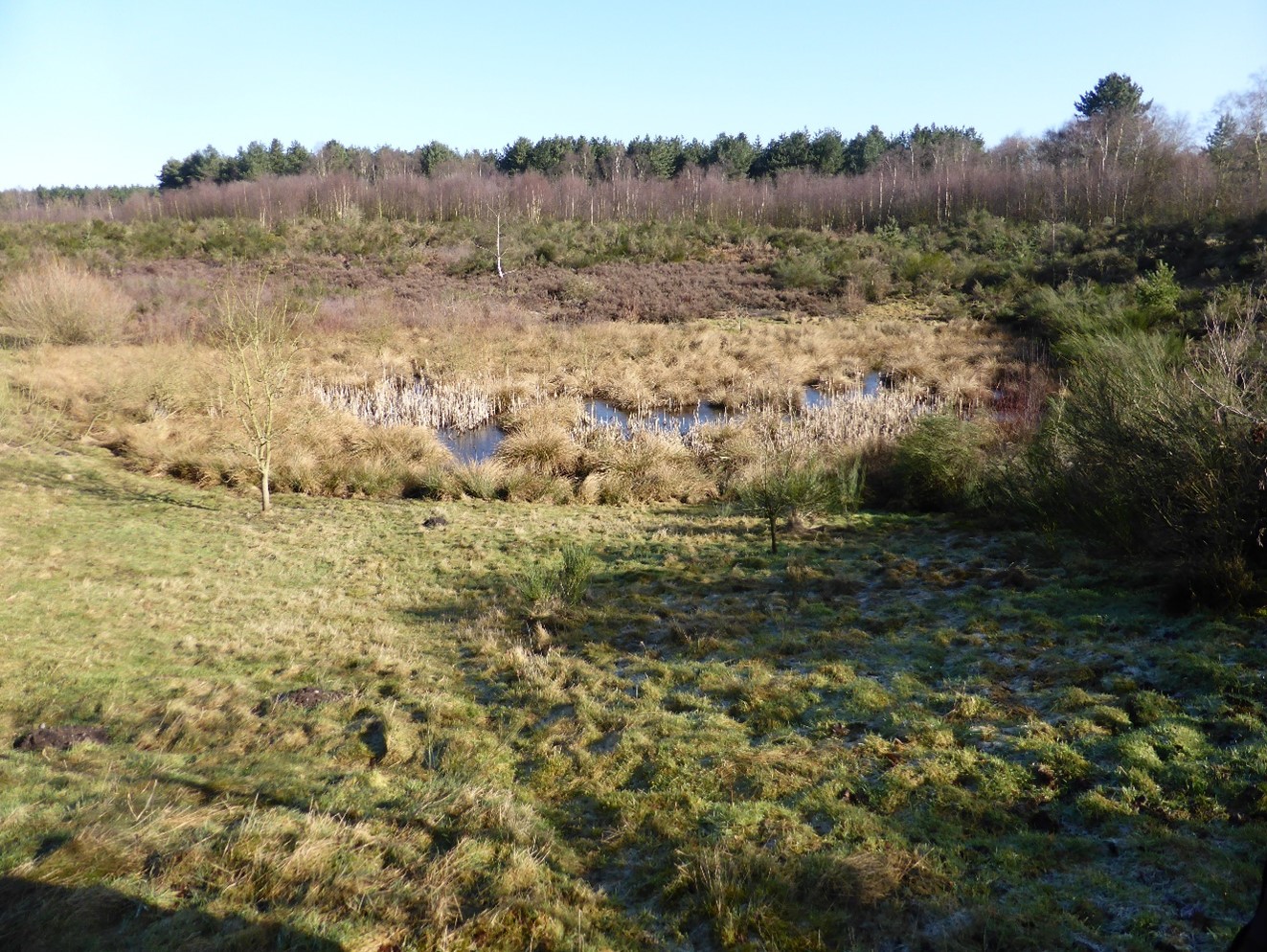
Sand Quarry Heath at Bestwood Country Park

These rare habitats are internationally significant.  Britain supports roughly a fifth of the world’s lowland heath. Their mosaic of dry heath, wet heath, acid grassland, and scattered birch or oak makes them ecologically rich and characteristic of lowland England.

A Characteristic Part of Sherwood Forest

Sherwood Forest’s heaths are some of the county’s most iconic habitats. Sites like Sherwood Heath SSSI, near Ollerton, preserve fragments of the ancient forest’s open, purple expanses of heather and gorse, alive in early autumn with colour and the hum of insects. They are actively managed to restore traditional heathland flora and fauna, bringing back species such as bell heather, ling, and cross‑leaved heath to their former abundance.

These heaths are also central to landscape‑scale conservation projects, with organisations like the Sherwood Forest Trust, RSPB and the Nottinghamshire Wildlife Trust working to protect and reconnect historic heathland areas.
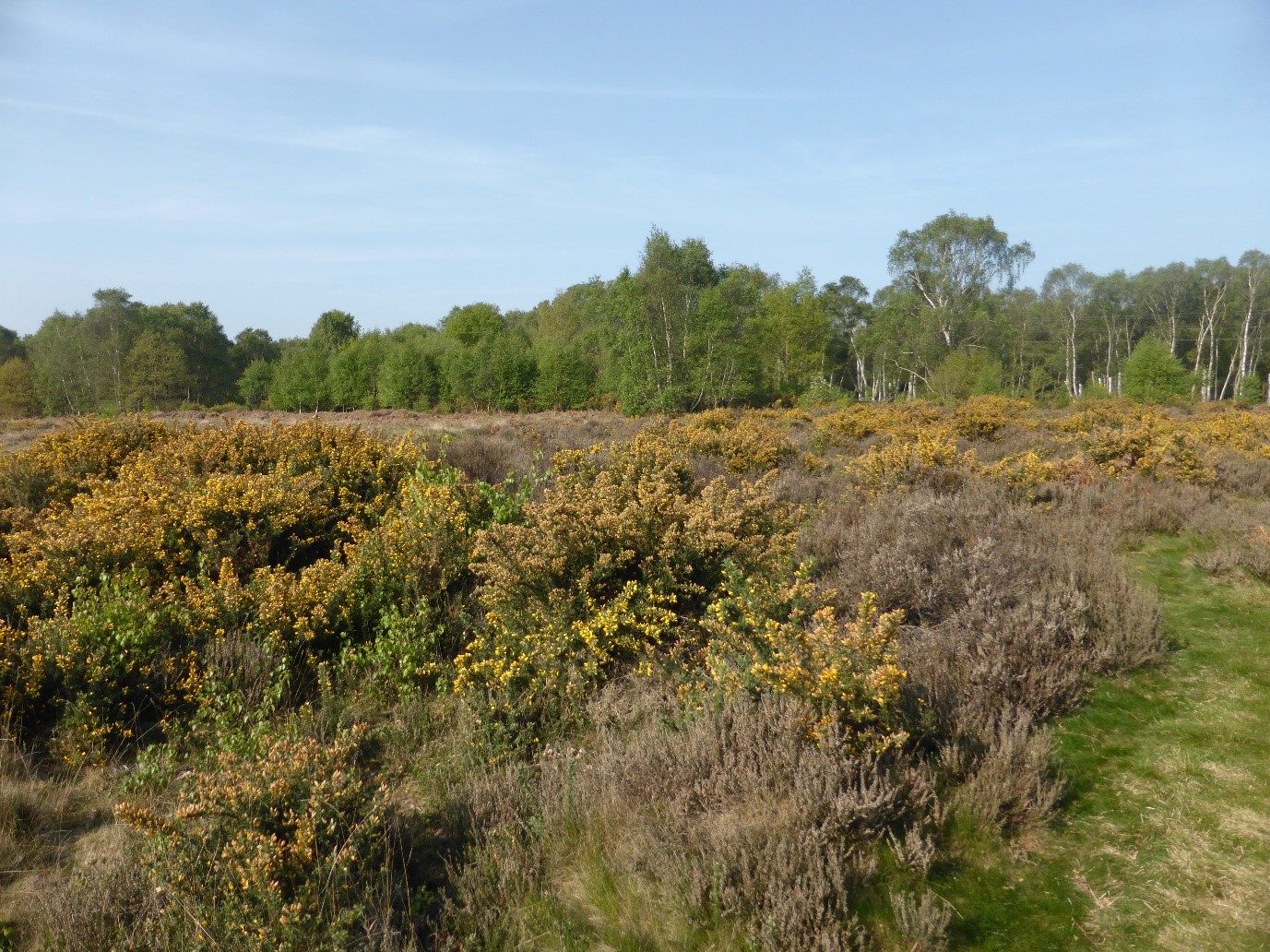
Gorse in flower at Sherwood Heath

How to Identify Heathland: Key Species to Look For

When you step onto a heath, its species quickly reveal the habitat’s identity. Some of the classic indicator species include:

Characteristic Heathland Plants

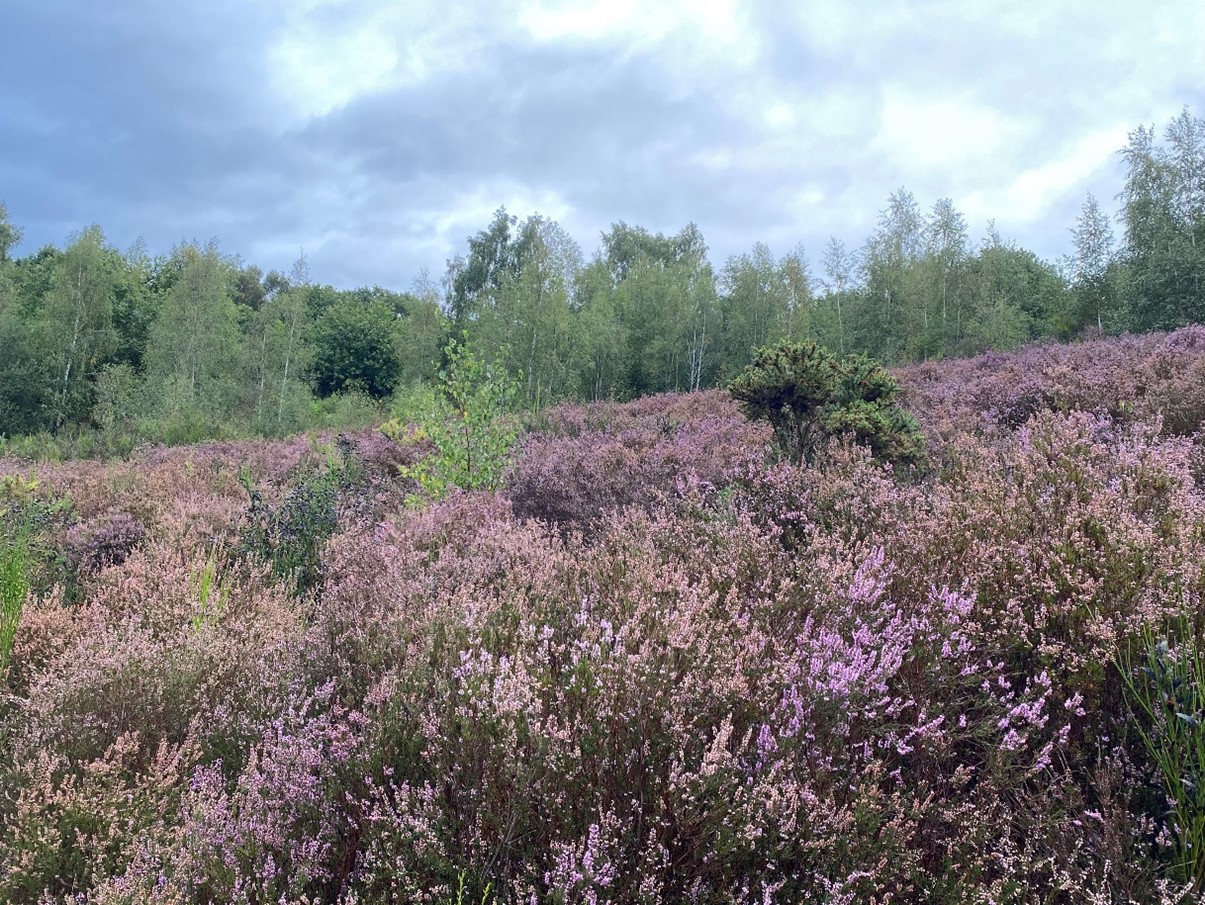
  • Heather (Calluna vulgaris) – the defining plant of heathland, colouring the landscape purple in late summer.
  • Bell heather & cross‑leaved heath – also typical of Sherwood Forest’s sandy soils.
  • Bilberry (Vaccinium myrtillus) – a low shrub with blue‑black berries, common on acidic soils.
  • Dwarf Willow (Salix herbacea) – a tiny, ground‑hugging willow found in patches of open heath.
  • Gorse – its bright yellow flowers and coconut scent are hard to miss.
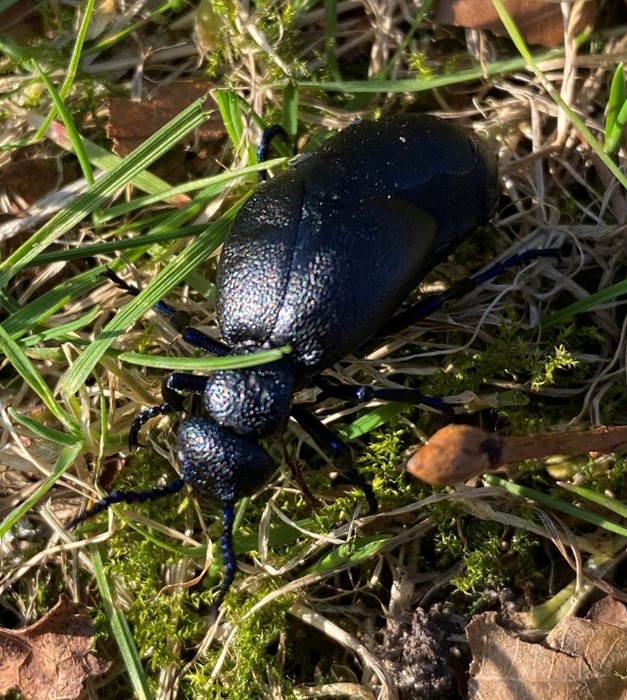
Black Oil Beetle
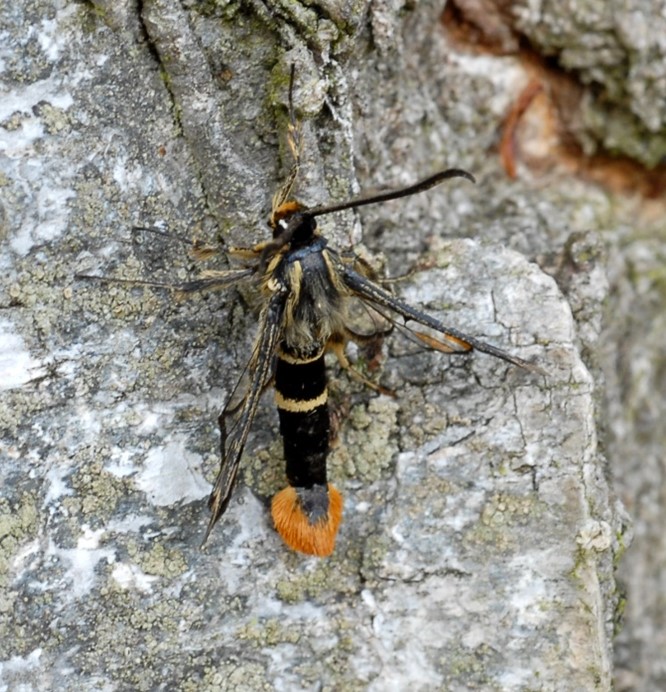
Welsh Clearwing Moth

Specialist Insects

Heathlands are home to many distinctive species. In Nottinghamshire, these include:

  • Black Oil Beetles – a remarkable species with a bizarre life cycle involving parasitic larvae. Heathland edges and paths are ideal places to spot the adults.
  • Welsh Clearwing Moths – a scarce species associated with birch, linked to the mosaic of heath and woodland typical of the Sherwood landscape.
  • Glow‑worms, which thrive in open heathland at sites like Neutral Ground, where restoration increased females from just 1 in 2021 to 25 in 2023.
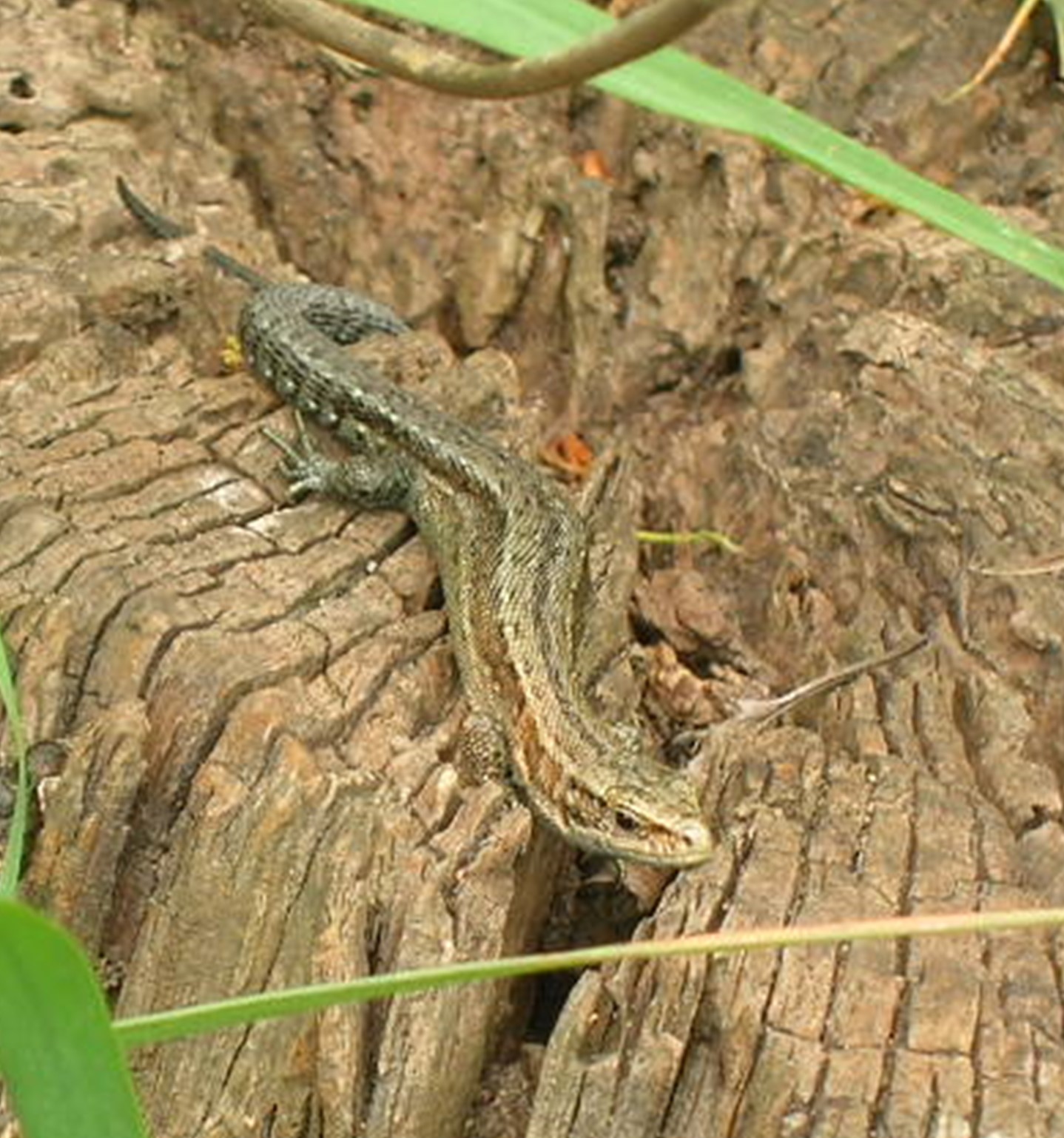
Common Lizard

Other Wildlife

Heathlands in Sherwood also support:

  • Common lizards and Slow worms that bask in the open sandy patches.
  • Nightjars and woodlarks, which depend on low vegetation and open ground for nesting—species of national importance on Nottinghamshire’s heaths.
  • Stoats, voles, and numerous moth and butterfly species, all tied intimately to the structure and plant life of the habitat.

All of these create a vibrant, interdependent community that can only exist where heathland is protected and maintained.
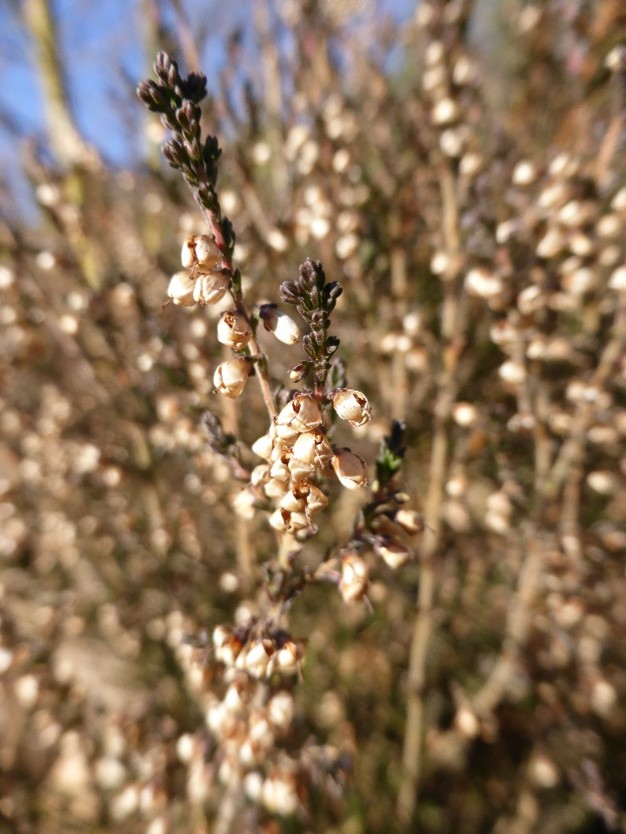
Calluna vulgaris – Blidworth Wood
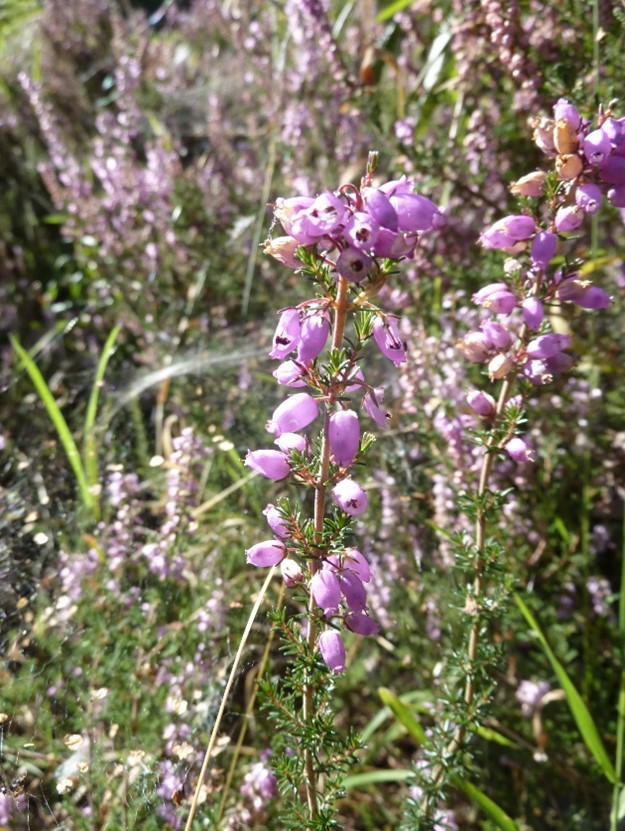
Bell Heather – Bestwood Country Park

Why Heathlands Matter

Heathlands are beautiful, irreplaceable ecosystems created through thousands of years of traditional land use. Many of their species cannot survive in other habitats, making their conservation vital. In Nottinghamshire, where these landscapes once dominated but are now rare, their protection is a key part of preserving the county’s natural heritage.

Sherwood’s heaths also connect communities with a living landscape that stretches back to medieval times, which reminds us that wildness can survive in even the most historic of places.

Where to Learn More About Nottinghamshire’s Heathlands

Here are some excellent resources where you can dive deeper:

Lowland heathland management and restoration

Kate Doull, the Senior Conservation Ranger at Center Parcs in Sherwood Forest, reports that they have 5 different lowland heathland sites on the Village, all of varying size and quality.

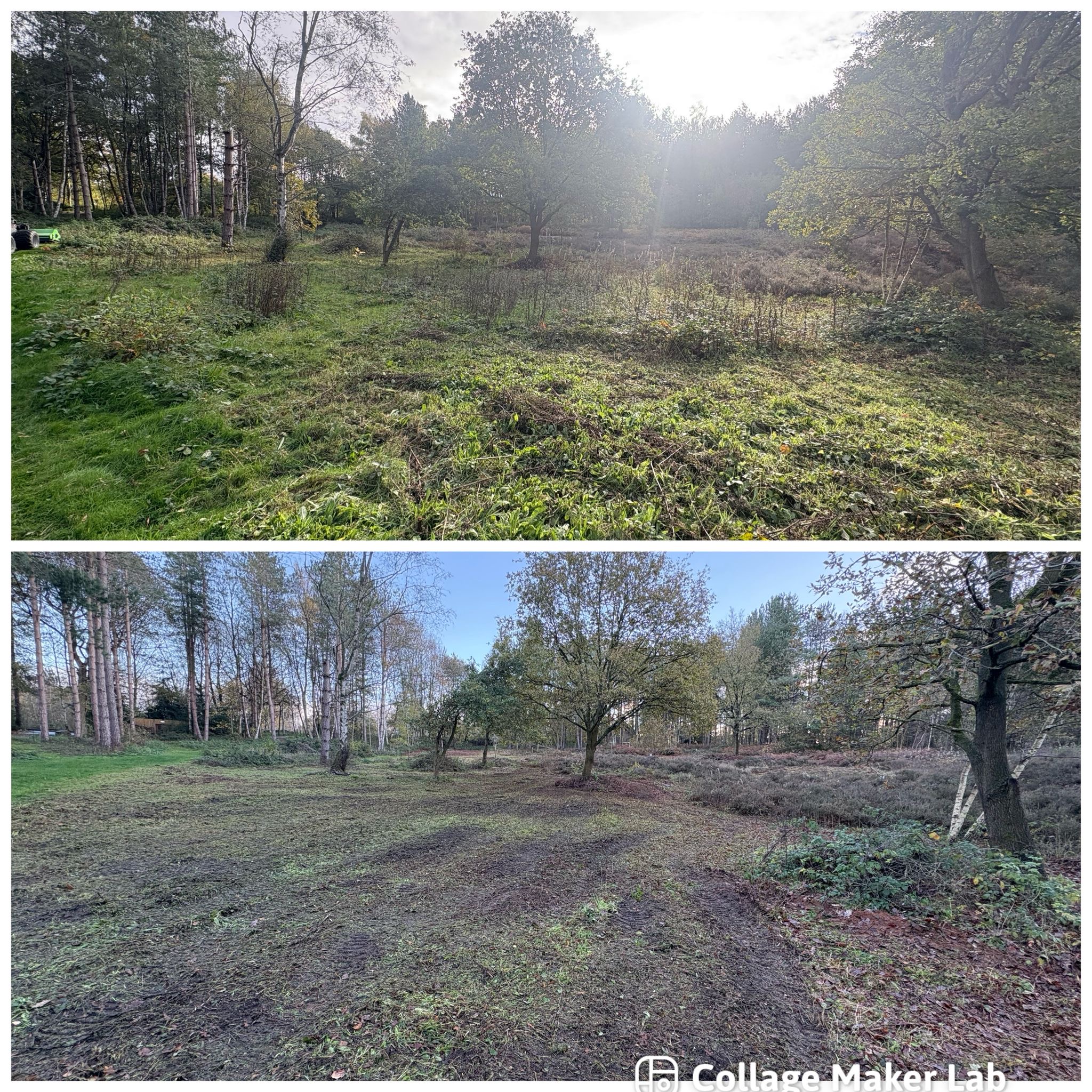
Heathland Management – Before and After shots

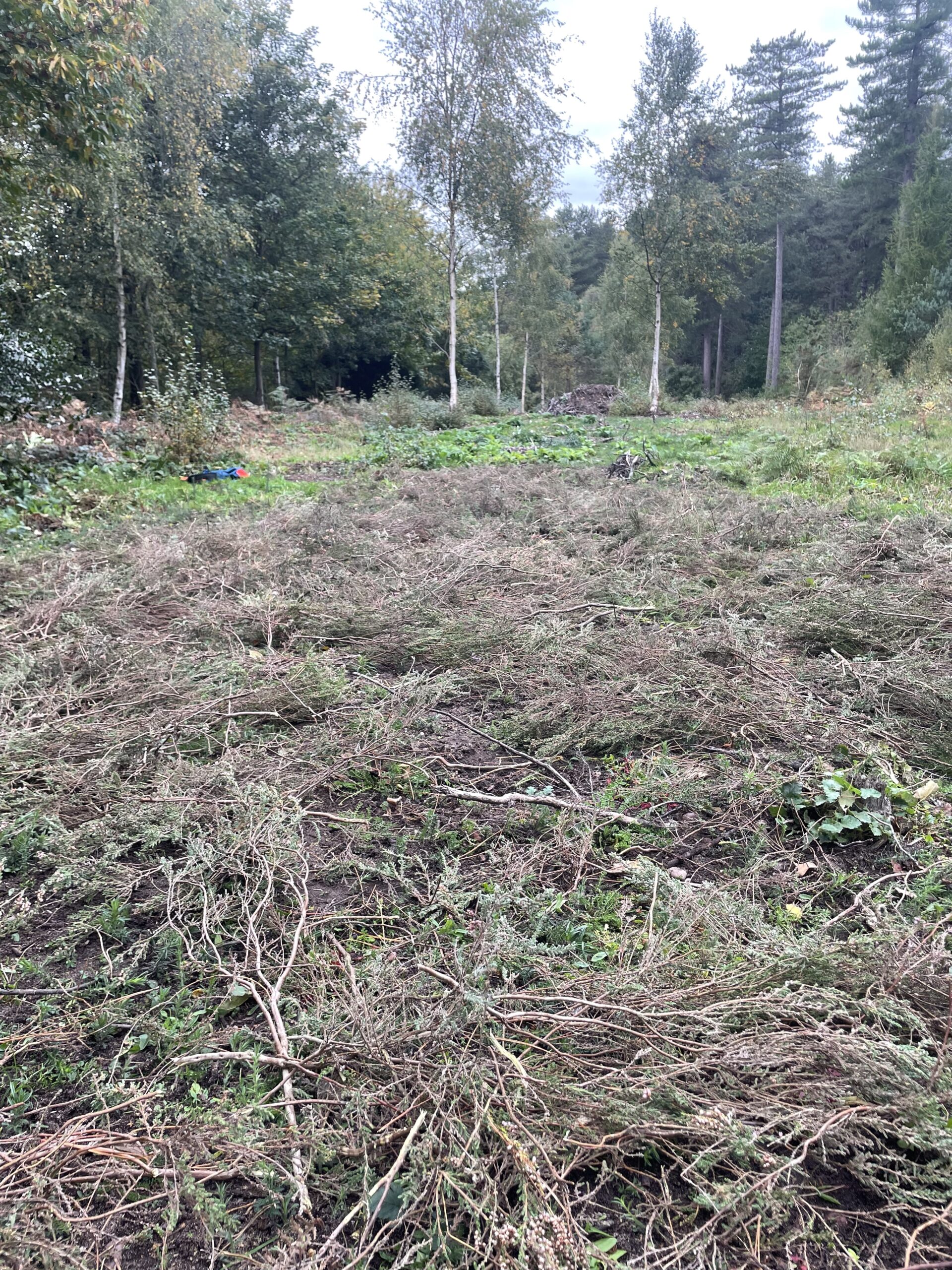
Throughout the last few years, a new Heathland Management Plan (produced by Kate) has been followed, in order to restore the pockets of heathland that were becoming lost, and to expand and maintain their good quality heathland areas.

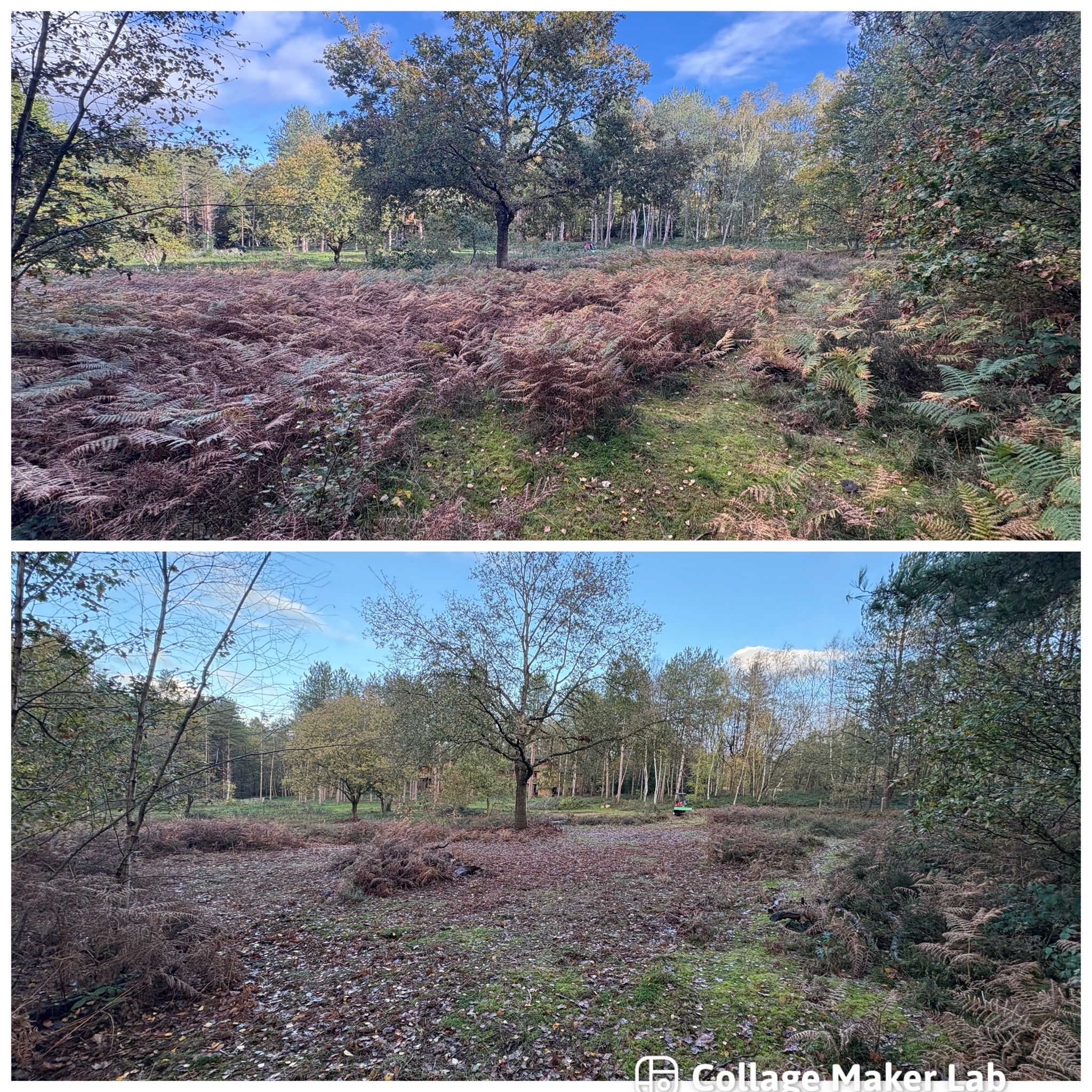
Heathland Management – Before and After shots

This management has included scrub removal (through mulching and scraping), heather transplanting onto bare areas, bare ground maintenance and forestry.

Heather Transplanting

[Many Thanks to Kate Doull from Center Parcs, Sherwood Forest, for providing the news and photo for this blog]

Wilder Crow Hill Project

At Bramcote Hills Park, the Wilder Crow Hill Project is focused on reconnecting the woodland on Crow Hill with the more extensive woodland of the park, including Oak-Birch Woodland and Parkland and Wood Pasture.  This connection then extends through to Stapleford Hill and the young woodland on the recently adopted Bramcote Quarry, creating more extensive, connected woodland.

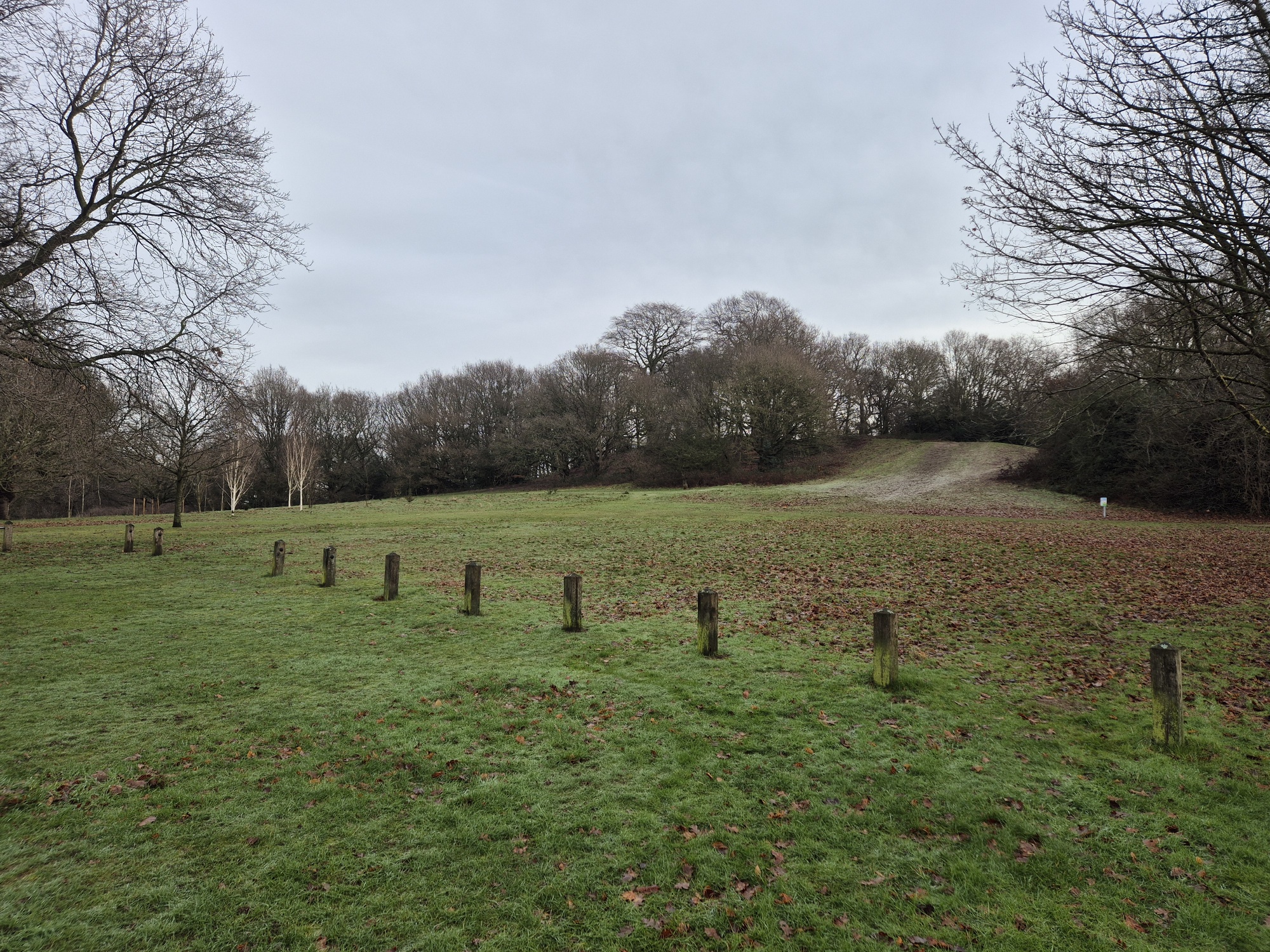
Restored Lowland Dry Acid Grassland at Crow Hill

As part of the project, an area of acid grassland (Lowland Dry Acid Grassland) has been restored.   A glade was opened up on Crow Hill, and seed sowing took place around the woodland, with woodland fringe species used to create a transitional habitat between the woodland and grassland.  Rhododendron has been removed from the mature woodland, and woodland wildflower bulbs were planted to help develop an understorey of bluebell and wild daffodil.

The extended woodland fringe is expected to improve foraging habitat for bats.  Much of the tree planting has been carried out by Canopy 2050 volunteers, using trees grown from seeds collected in the local area.  The works have been funded through a bid to the Severn-Trent Community Fund, and align with the Broxtowe Biodiversity Opportunity Mapping (BOM) undertaken by the Biodiversity Action Group.  In total, around two hectares have been brought into active management.

[Many Thanks to Chris Riley from Broxtowe Borough Council, for providing this news and photo for this blog]