Crash Course: White-Clawed Crayfish Translocations

You may have heard of conservation breeding programmes and reintroductions, but have you heard of translocations? In conservation, translocations involve deliberately moving a threatened population of a species from one site to another more suitable site, following extensive planning to ensure they will be protected and able to thrive in their new site.

A translocation might be performed due to threat of habitat loss, climate change or an invasive species, for example. It is not an action taken lightly due to the risks involved and inherent invasiveness of removing a species out of its natural range and relocating it elsewhere, but the attitude to translocations have changed over time from a last resort to a proactive measure.

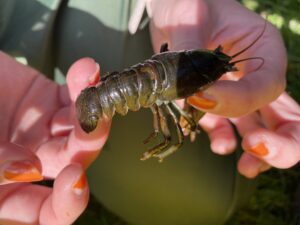
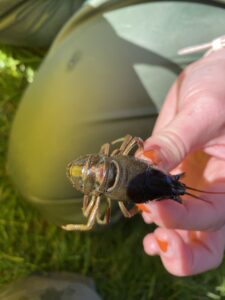
We have recently been in the process of translocating a metapopulation of White-clawed Crayfish with the help of our partners at BugLife and Environment Agency, as well as the assistance of staff from Derbyshire Wildlife Trust.

Along a particular river Leen tributary, a healthy White-clawed Crayfish metapopulation is threatened by the encroachment of the invasive American Signal Crayfish from downstream. Signal Crayfish cause severe problems for our native White-clawed through outcompeting them AND spreading the catastrophic crayfish plague. Signal Crayfish, having co-evolved with the disease, are carriers of crayfish plague, which is a fungal disease that can rapidly wipe out entire populations of White-clawed Crayfish. Crayfish plague can also be spread through infected equipment, so it is essential to thoroughly disinfect any fishing equipment or leave it out in the sun for 21 days if planning to use it at other sites. Follow the principles of Check Clean Dry to help protect ecosystems.

Logistics

Before a translocation can occur, potential ark sites (freshwater bodies with low threats of Signal Crayfish invasion, suitable habitat and good water quality) are assessed for suitability. For more information about site assessment, see this resource by our partners at BugLife.

As there is ongoing threat of Signal Crayfish invasion throughout the rivers Erewash, Leen and Maun catchments, site selection is an ongoing process, and translocations of various metapopulations to suitable ark sites will continue.

Trapping

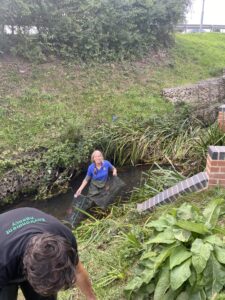
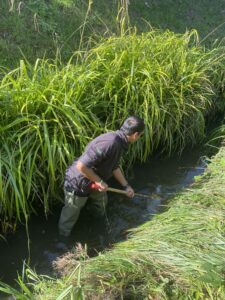
Following selection of a suitable site, we moved onto trapping under the guidance of licensed professionals. White-clawed crayfish should never be trapped or disturbed without a license. We aimed to catch 150 over 2 days, followed by another 100 the following week.
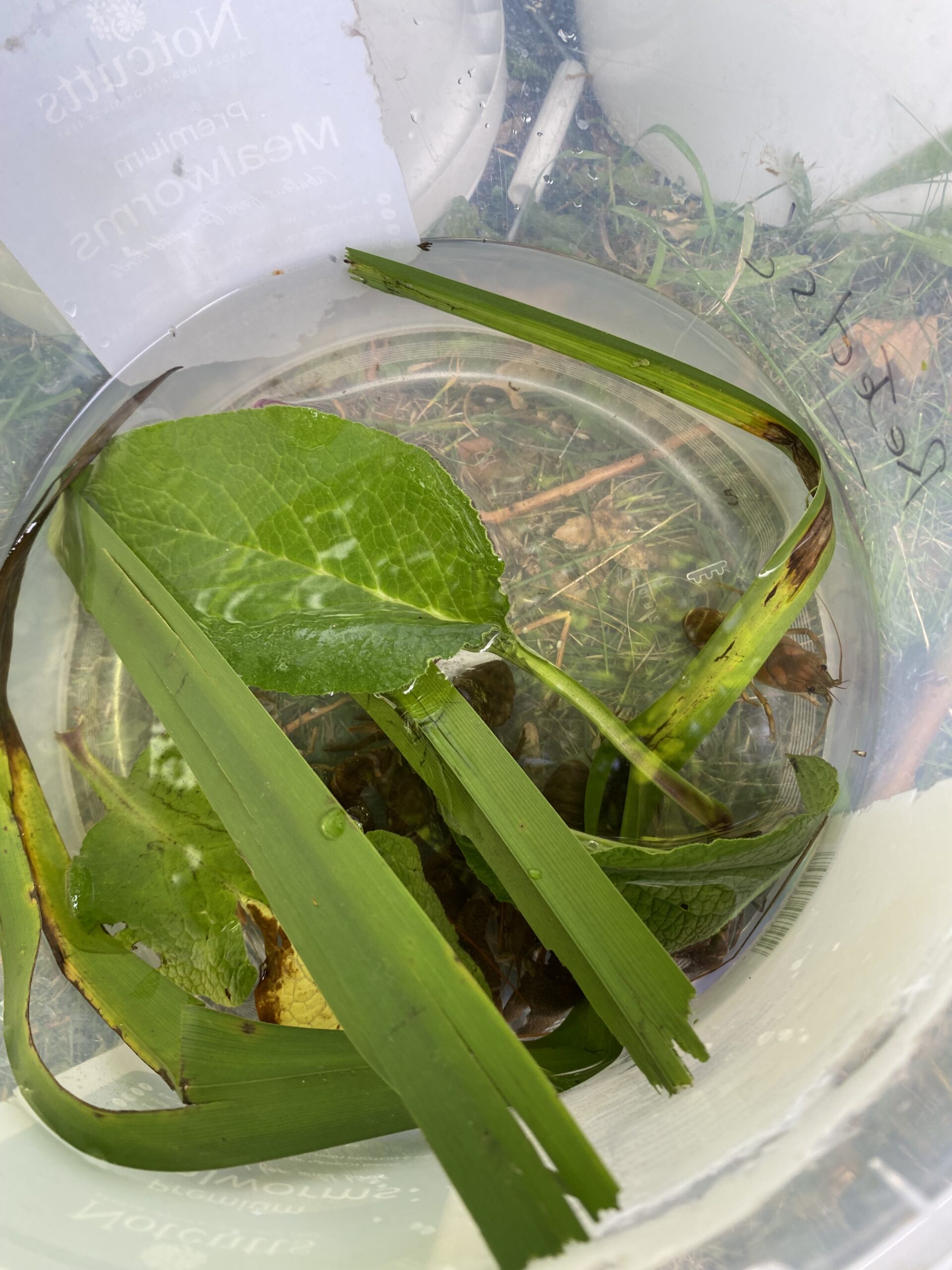
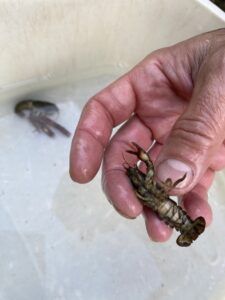
WCC waiting to be assessed, hiding under vegetation.

Biosecurity is essential in conservation, whether working with protected species, invasive non-native species or even performing routine habitat management; poor biosecurity is a key source of population decline amongst many species. Learn more about biosecurity here. All waders and trapping equipment were thoroughly sanitised with Virkon, a powerful disinfectant used by professionals who work with livestock and wildlife.
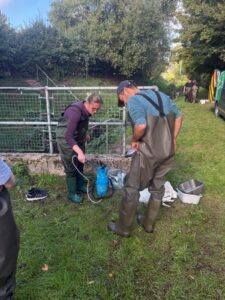
Sarah using Virkon to spray Chris’ waders, minimising the risk of accidentally spreading crayfish plague to a different site.

We used a variety of trapping methods including –

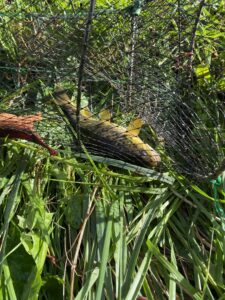
  • Fladen traps: these are baited with halibut pellets or mackerel. Any wildlife (i.e. fish or crayfish) that enters cannot escape; these must legally be checked within 24 hours of being set for animal welfare purposes.
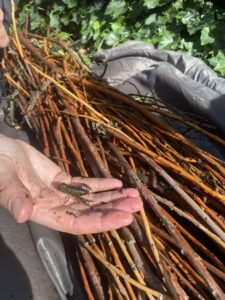
  • Brash bundles: piles of sticks which are tied together, creating attractive refugia for smaller crayfish. Wildlife can come and go as they please.
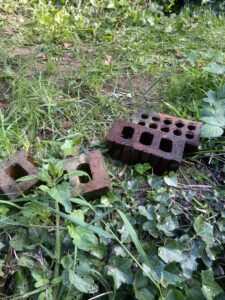
  • Perforated bricks: bricks with holes in them, which smaller crayfish may hide in.
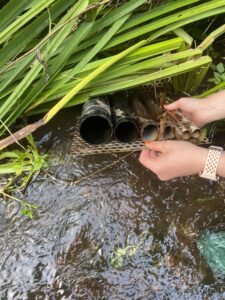
  • Artificial refuge traps (ARTs)/pan pipe traps: pipes with a backing. These can be left in-situ for longer periods of time as wildlife can come and go as they please. These catch a wider range of sizes.
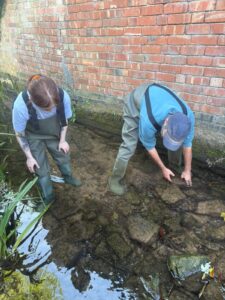
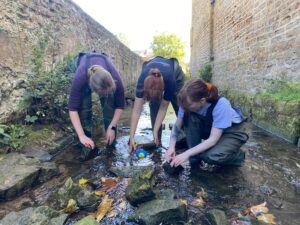
  • Netting & rock turning: actively catching crayfish by overturning rocks and using a net or hands to catch them, which can catch a range of sizes.

Assessing condition

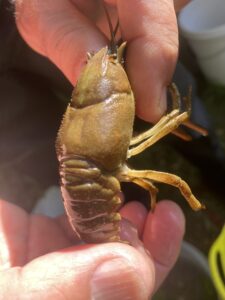
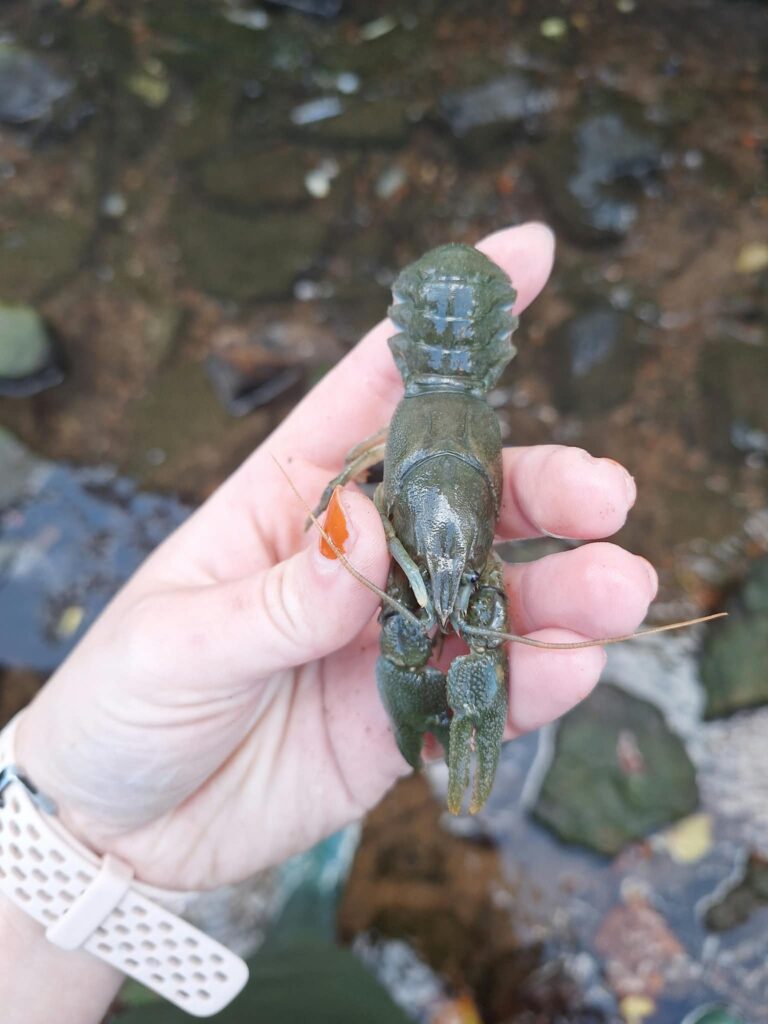
Every crayfish we caught was then measured and checked for disease, injury, moult and breeding condition. As per licensing conditions, diseased and injured crayfish were released back into the stream to ensure an optimally healthy breeding population. Additionally, crayfish below and above a certain size threshold were released back into the stream for biosecurity purposes. For example, juvenile Signal crayfish below a certain size could be easily misidentified as White-clawed crayfish.

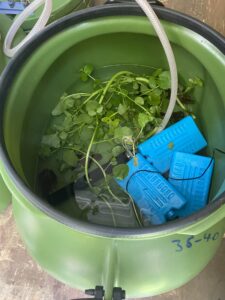
Healthy White-clawed crayfish were placed in water-filled buckets with vegetation for hiding, continuously oxygenated by a pump. They were then transported to a tank to be quarantined for 4 weeks. If they survive the quarantine process, they will then be relocated to a confidential ark site where their population can hopefully thrive, protected from crayfish plague.
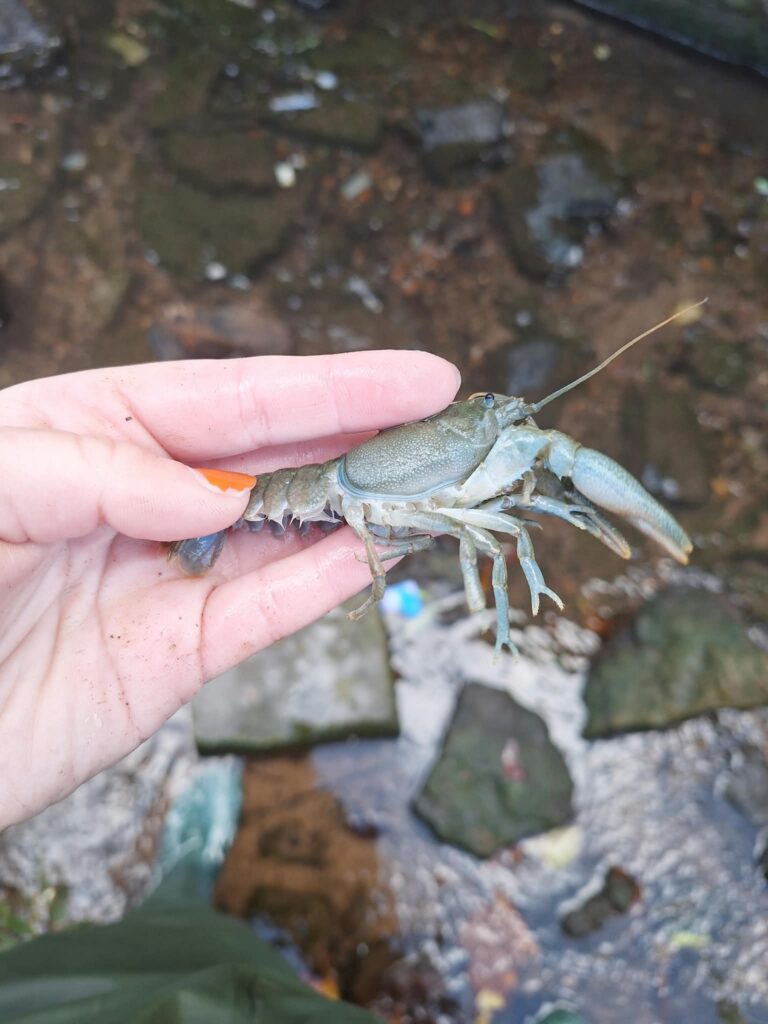
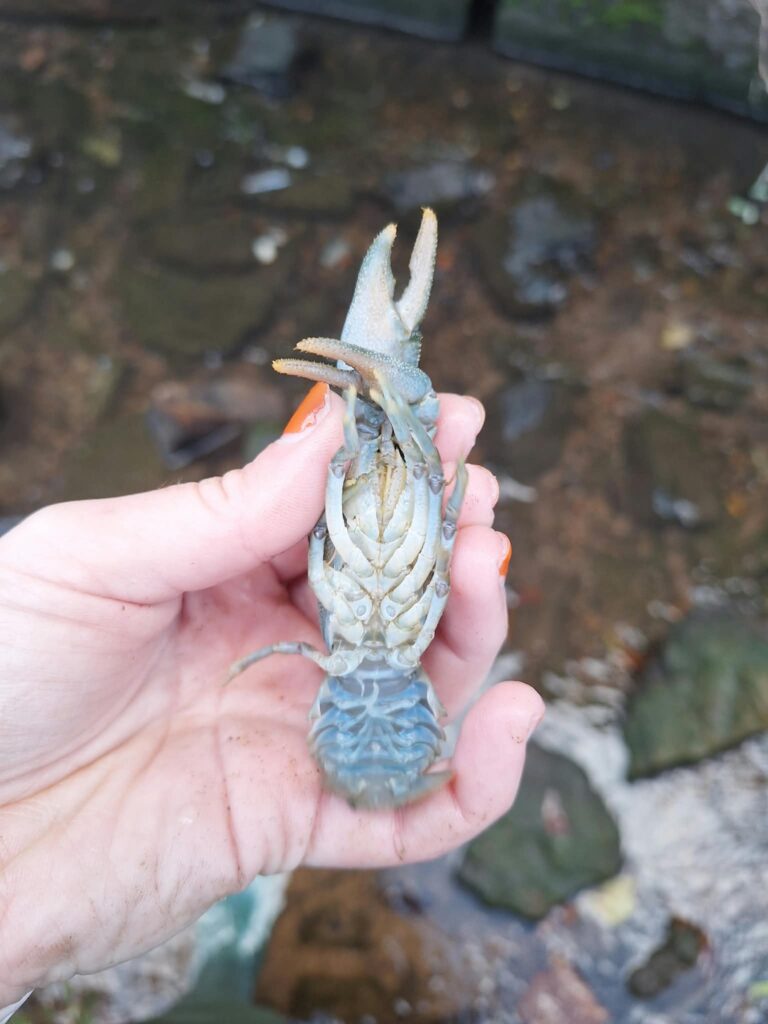
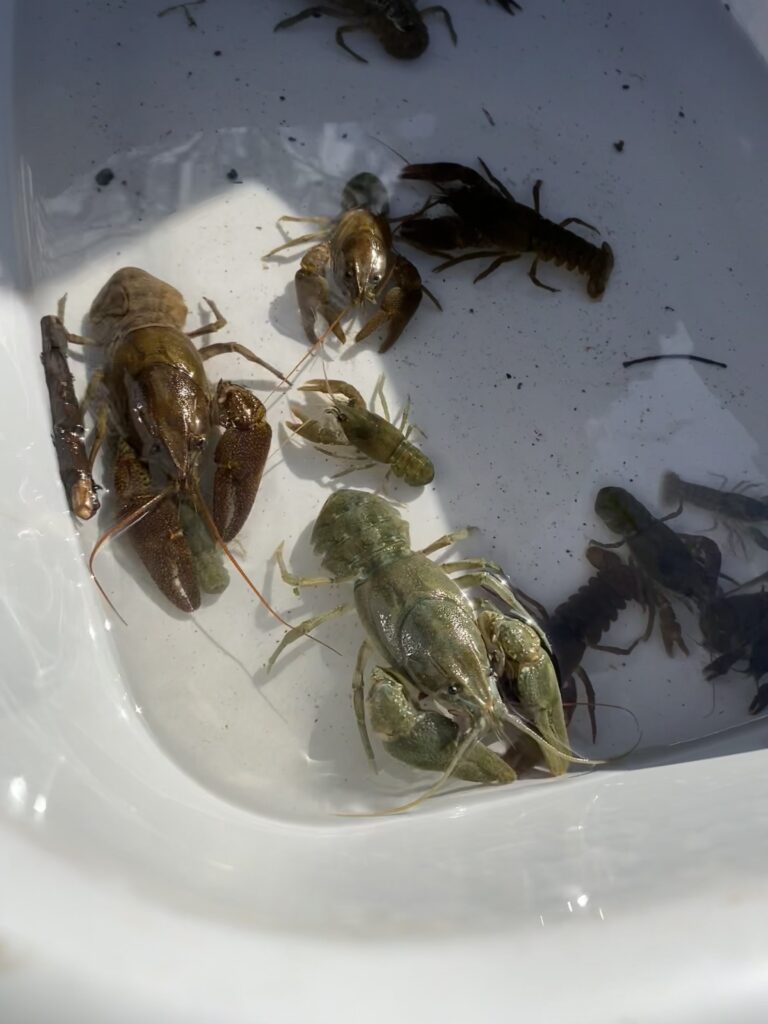
We also found a blue crayfish, which is a very rare colour variation. This would increase their risk of predation compared to a more inconspicuous brown crayfish, elucidating why the colour variation is so rare. Though probably unlucky for the crayfish, it definitely felt lucky to the team!
For more regular updates, you can join us on Instagram or Facebook.
 

Recovering Our Native Black Poplars

The next year is looking exciting for the Black Poplar Project (page in progress), thanks to funding awarded by the Natural England Bequest Fund to support the development of this project, including the provision of essential supplies for Black Poplar nurseries and funding for DNA testing.

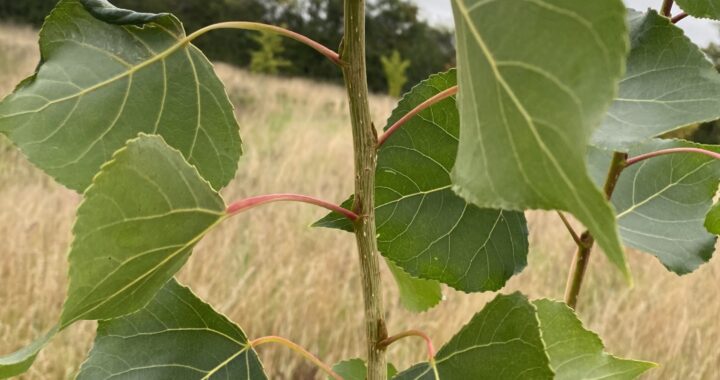
For those who are new to this species, the Black Poplar is an LBAP species, having declined significantly in the past 200 years and being threatened by loss of genetic diversity and hybridisation. Part of their Species Action Plan (SAP) involves improving their recording, increasing their population and increasing the proportion of female Black Poplars across Nottinghamshire.

Last year, we were able to DNA test several Black Poplars across Nottinghamshire to confirm if they were native or hybrids. We have been awarded additional funding from the Natural England Bequest Fund to DNA test 60 additional sites across Nottinghamshire (with the assistance of Environment Agency and Forest Research) to increase the accuracy of our native Black Poplar database and, hopefully, identify some new clones!

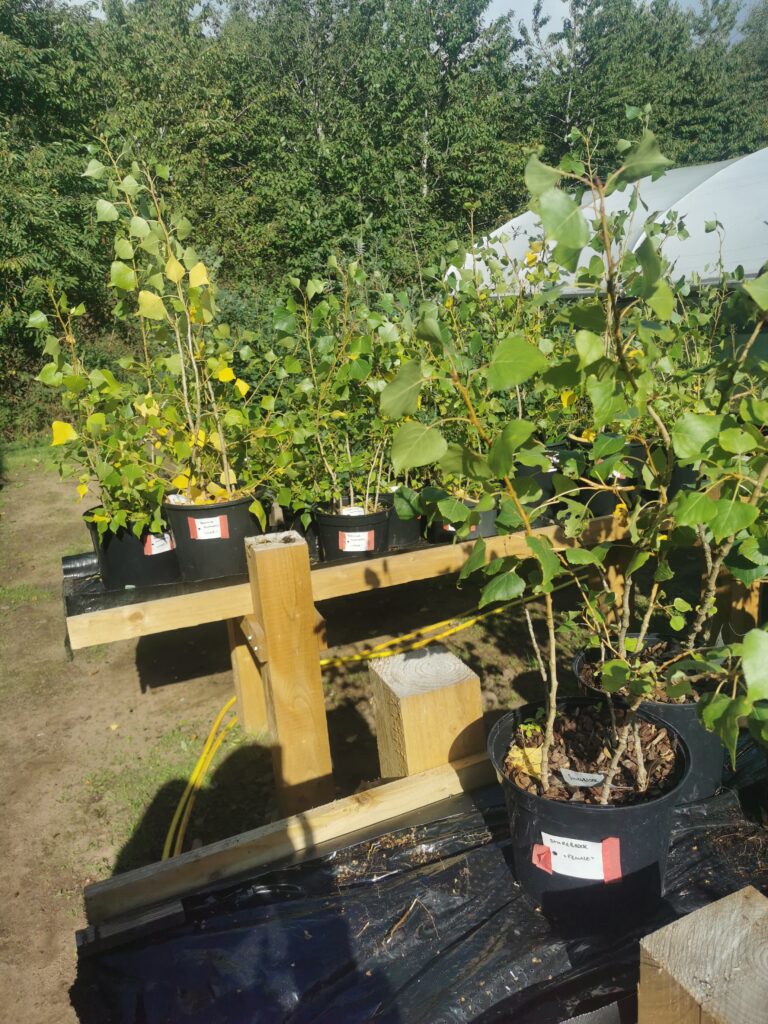
Our friends at Sherwood Forest Trust (SFT) and Nottingham Trent University (NTU) have both been growing cuttings from confirmed native Black Poplar clones. We recently visited our SFT partners at their Vicar Water site where you can find the initiative Feel Good Gardens, a therapeutic community garden to improve wellbeing of people struggling with physical and mental health. At their tree nursery, they have been growing cuttings from native Black Poplars for over a year. We are pleasantly surprised at how successfully the Black Poplar cuttings have grown!

Lots of successful clones.

This has kicked off the next stage of the project with a refreshing optimism for the future of our native Black Poplars – fingers crossed. We counted a total of 101 mixed male and female Black Poplars at their tree nursery, ready to be planted across our partners’ sites.

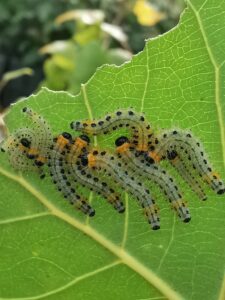
Hairy poplar sawfly larvae which we had to remove to protect the tree.

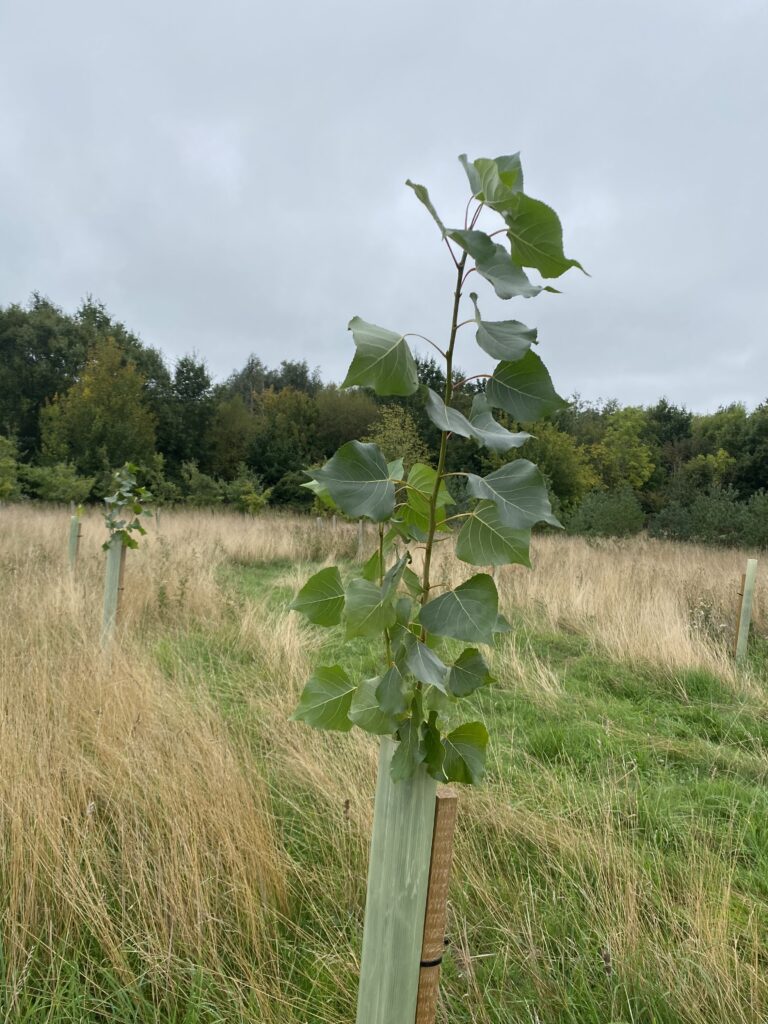
Additionally, Newark & Sherwood District Council planted 8 native Black Poplars close to the watercourse further along at Vicar Water. Planted in early 2026, they already appear to be thriving, illustrating why the Black Poplar is famous for its rapid growth.

We then visited our partners at Nottingham Trent University’s Brackenhurst campus, where several cuttings have been propagated from an additional 3 clones. 8 cuttings have been planted into the ground, some of which are already looking quite tall! As they grow, these young trees will be pollarded as a source for future cuttings to be planted into various sites across Notts.

This particular tree looked very strong and happy.

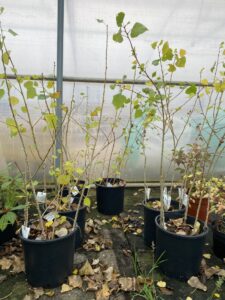
They also have 33 cuttings growing in their greenhouse, another source of clones for our partners.

The NE grant will also be supporting our partners SFT and NTU with the development of their Black Poplar nurseries by funding essential supplies – lots of compost, for example.

We will be providing clones to our partners who have suitable wetland sites, so long as they can guarantee proper aftercare including mulching, irrigating and guarding where appropriate. Our partners will be planting males and females together to improve their genetic diversity and generate new clones; we have only 8 confirmed clones in Nottinghamshire so this will be great for improving the outlook of this species.

We are hoping the future will be bright for Black Poplars in Notts.

Follow any new developments on our Facebook, as well as our brand new Instagram account.

Manual Labour & Clouded Yellows (Grizzled Skipper Project Update)

This week, we have been doing some habitat management work for the Grizzled Skipper Project.

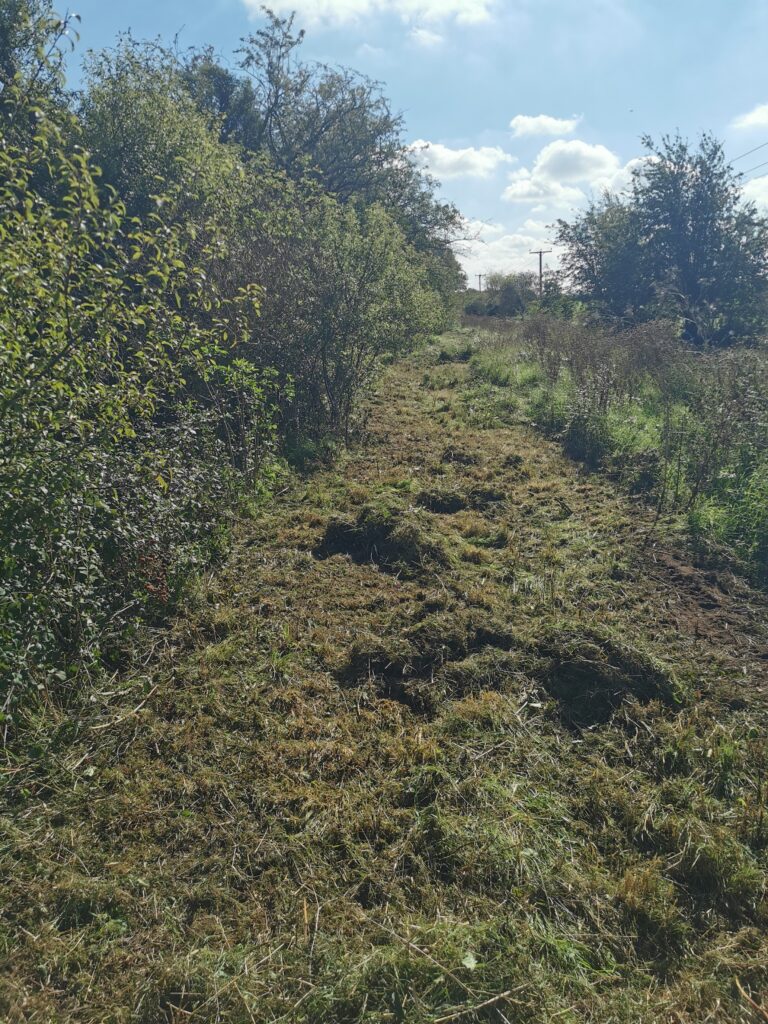
On the 21st, we visited a privately owned site near Flawborough, which we manage with the consent of the landowner. As part of a scheme run by Rushcliffe Borough Council, we were granted the use of a remote-controlled mower to cut the regenerating scrub and grass across the site. This allowed us to leave plenty of sunny open space for the butterfly. We left a good area of species-rich grassland habitat uncut for the benefit of the diverse invertebrate species utilising the site. We also left areas dominated with vast growth of Creeping Cinquefoil to assist the Grizzled Skipper butterfly. Creeping Cinquefoil is one of the larval food plants for the Grizzled Skipper, so we managed the scrub in areas dominated by Creeping Cinquefoil with more targeted work by hand – using loppers and secateurs – to avoid harming the butterflies’ pupae. We will be hosting a volunteer work party to finish off work to manage the site (keep your eyes peeled) but we have made a very good inroads.

Additionally, due to the unusually warm and dry September weather we have been experiencing, there has been plenty of invertebrate activity. We spotted many Brown Argus, Common Blue, Small White and surprisingly, at least three Clouded Yellows.

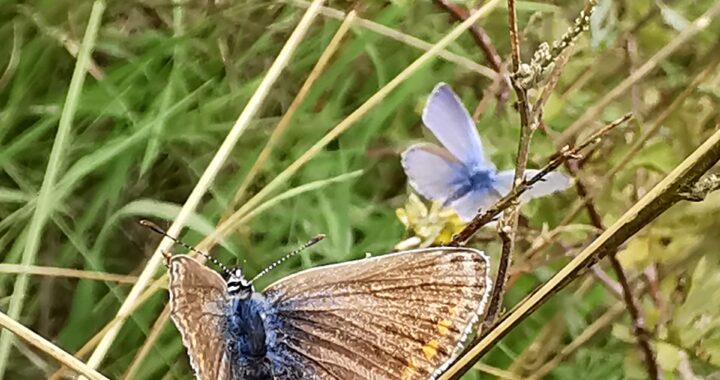
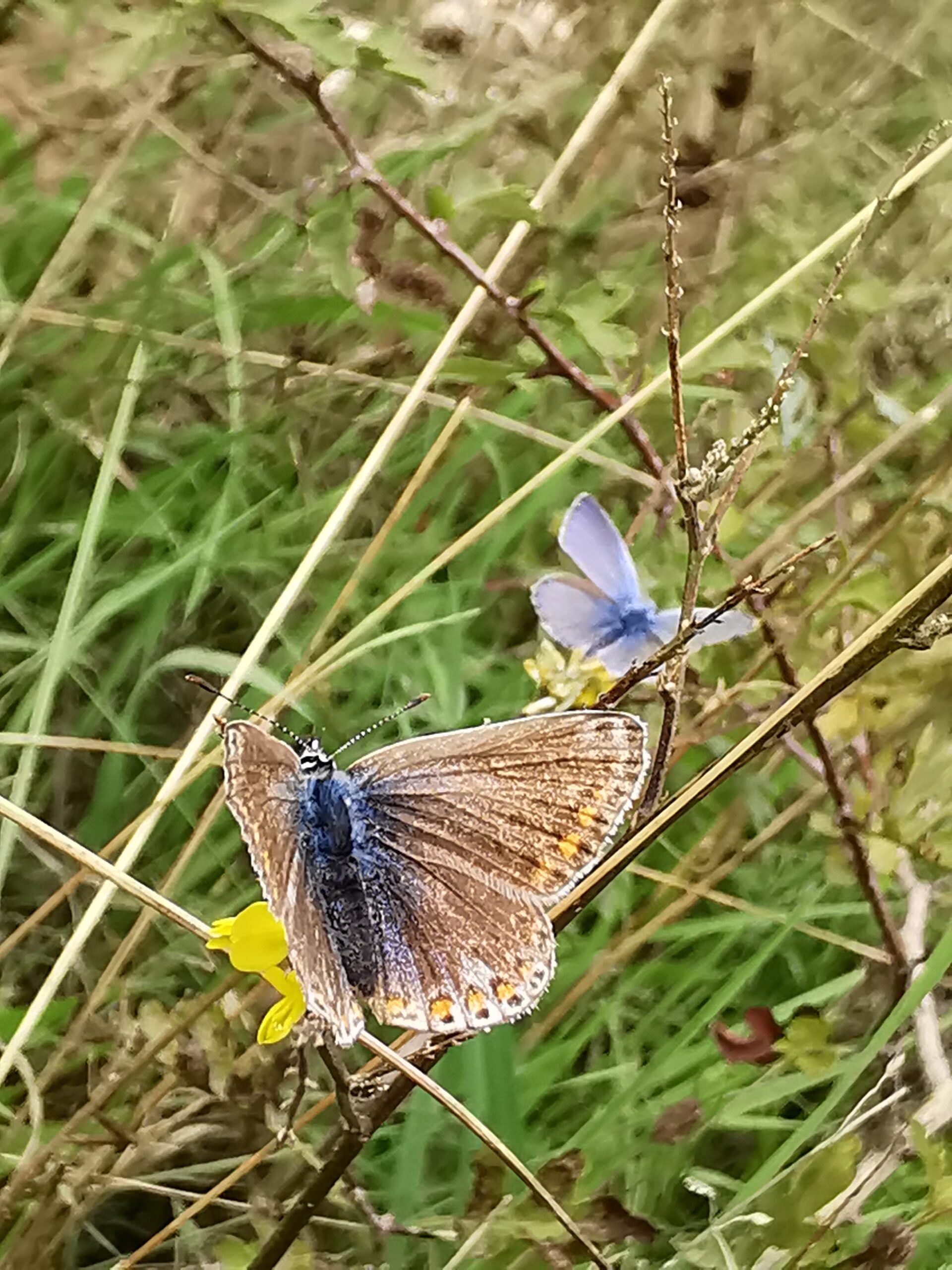
2 Common Blue butterflies

We then went to Staunton Quarry to harvest some Agrimony seed for our partners at Sherwood Forest Trust to grow on at their nursery. Agrimony is another larval food plant of the Grizzled Skipper, so we are hoping to plant it at some of our Grizzled Skipper sites. Staunton Quarry appears to be recovering from a series of poor years for Grizzled Skippers, as this spring produced more records than in recent years. Other butterflies seem to be enjoying the site too; we saw many Small Whites and Brown Arguses. And what do you know – we saw another Clouded Yellow! According to Butterfly Conservation’s Nottinghamshire butterfly recorder, Clouded Yellow are having their biggest year in decades.

On the 22nd, we headed to our Granby Disused Railway site, where the remote mower was once again used to cut the long grass and invading bramble and thorn scrub. We spent a good few hours raking and removing the cut grass, moving it too the bottom of the embankment of this former railway. This created some bare soil patches, which will hopefully allow more wildflowers to dominate – especially Creeping Cinquefoil, which will benefit the Grizzled Skipper. The grass down the side of the banks will create new habitat for other invertebrates too; we saw quite a few moths (including a Heart & Dart) taking shelter in the bales. The site was rife with invertebrate life, and the birds were busy too.

Lots of hard work raking

Our first volunteer work party will be on Sunday the 27th of September, at the Granby Disused Railway Site. If you’d like to come along, head to the events page for more details – the more the merrier. And do make sure to record any birds or invertebrates you see!

Keep an eye on the events page to find out our next dates for our annual Grizzled Skipper volunteer work parties. And keep up-to-date with new developments on our Facebook, as well as our brand new Instagram page.

Queens Drive Urban Nature Space – Restoring Urban Meadows for People and Wildlife

Queens Drive Urban Nature Space

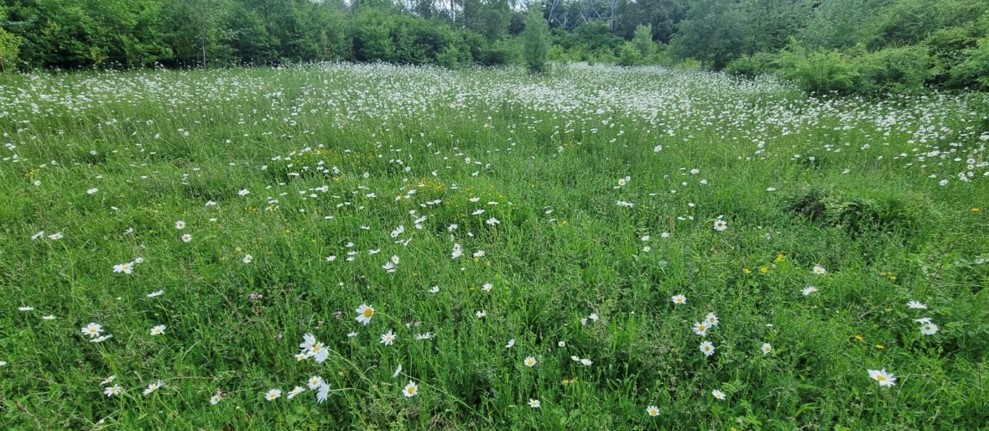
Did you know that 97% of the UK’s flower-rich grassland has been lost? This is why volunteers and Nottingham City Council Rangers are bringing nature back, by restoring this urban meadow.

Queens Drive Urban Nature Space

Meadows support pollinators, birds, insects and healthier soils, therefore working to restore this flower-rich meadow, including clearing encroaching scrub, should allow the wildlife to thrive!

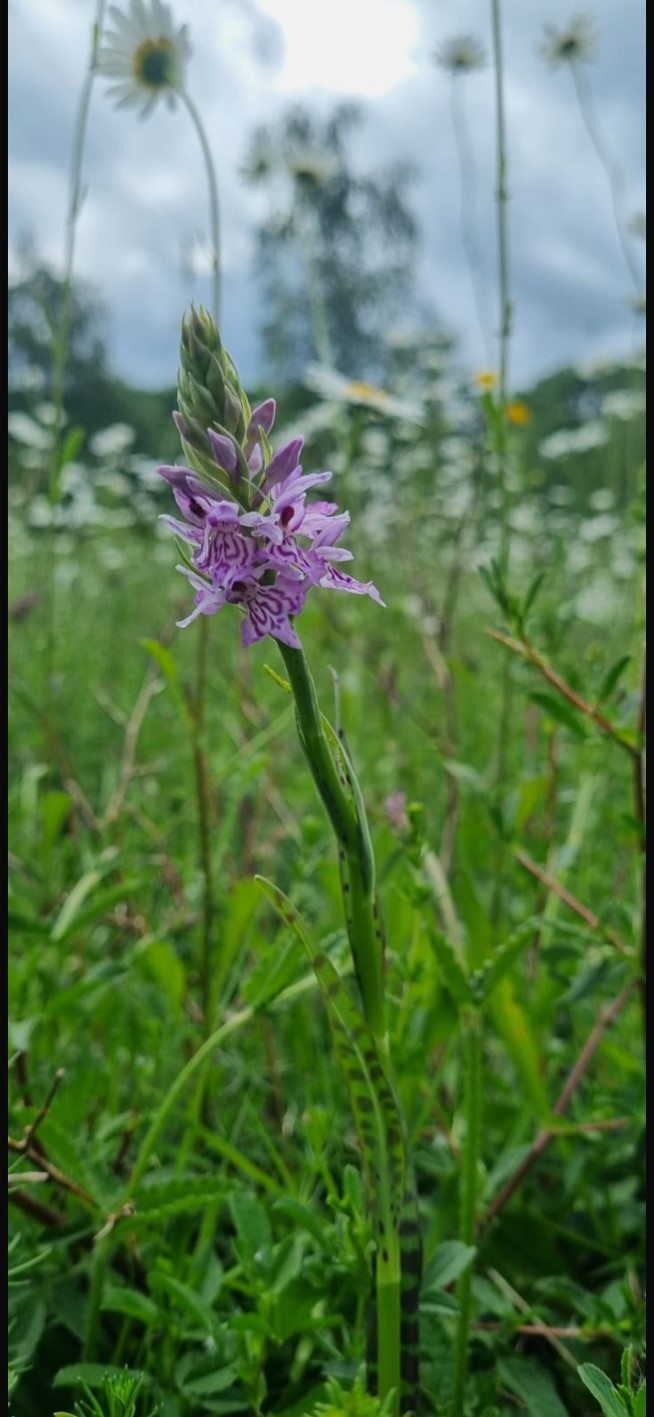
Common Spotted Orchid

[Many Thanks to Jemma Maguire from Nottingham City Council, for providing the news and photos for this blog]

Tree planting and Himalayan Balsam

Trees for Climate

In partnership with Greenwood Community Forest, the environmental services team at Newark and Sherwood District Council continues to help with tree planting, hedgerow creation and woodland development across the district.

Tree Planting in Newark & Sherwood District Council

For the winter 2025/26 planting season over 14,000 trees and 33,000 hedgerow shrubs were planted within the district. That’s 26 ha of new tree canopy and 6,709m of new hedgerow! The district council is also supporting the regional Black Poplar project with trees being planted at Vicar Water Country Park.

Himalayan Balsam in Southwell

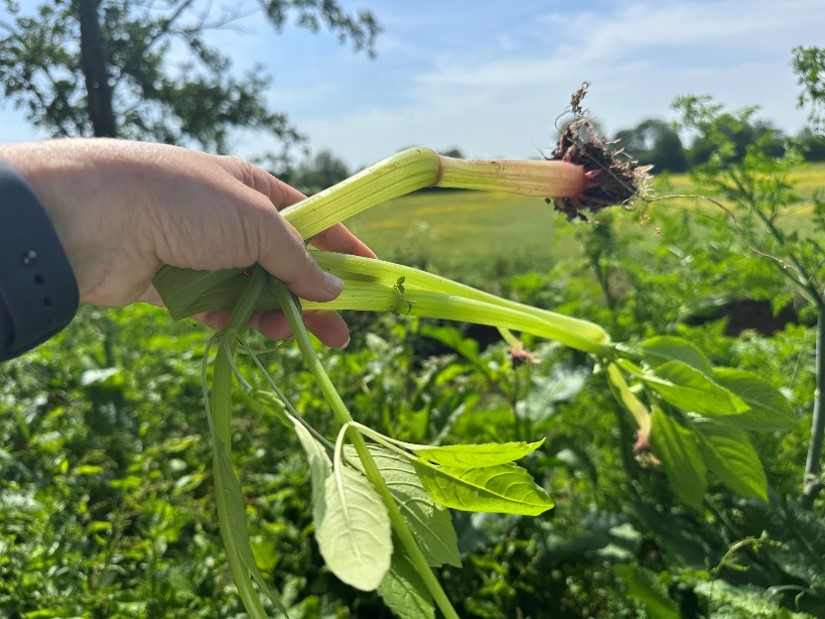
A very successful partnership workshop and awareness event was held in Southwell earlier this year in March attended by over twenty local farmers and landowners. Together with Southwell Flood Forum, Green Southwell and Southwell Town Council volunteer balsam bashing events are taking place along the Potwell Dyke and River Greet in Southwell during May.

Invasive Himalayan Balsam being removed by hand across Southwell

The Internal Drainage Board has committed to help with flailing large stretches of the River Greet banks this year where the balsam is returning with a vengeance again.

[Many Thanks to Lynn Preece from Newark & Sherwood District Council, for providing the news and photos for this blog]

Ranger Conservation Work: Protecting Woodlands and Riverbanks

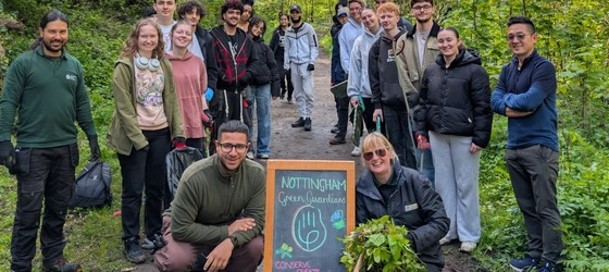
Himalayan balsam is being carefully controlled at Clifton Woods to protect native plants and riverside habitats. Already this year, Nottingham City Council have hosted three corporate action days, with volunteers from NTU and Ideagen, joining forces to remove Himalayan Balsam by hand – many thanks to everyone involved! The Nottingham Green Guardians also run regular sessions on the first and third Wednesday of each month, offering more opportunities to get involved.

The Nottingham Green Guardians at their Himalayan Balsam Control Session!

This effort is truly part of a partnership: and is part of a much wider project aiming to clear Himalayan balsam from 7 river catchments in central Nottinghamshire, including the River Greet, River Leen, River Maun, Ouse Dyke, Cocker Beck, Dover Beck and Rainworth Water. Collaborations like these are vital to protecting our local habitats and keeping Nottingham’s greenspaces thriving!

[Many Thanks to Jemma Maguire from Nottingham City Council, for providing the news and photo for this blog]

Bats at Center Parcs, Sherwood Forest

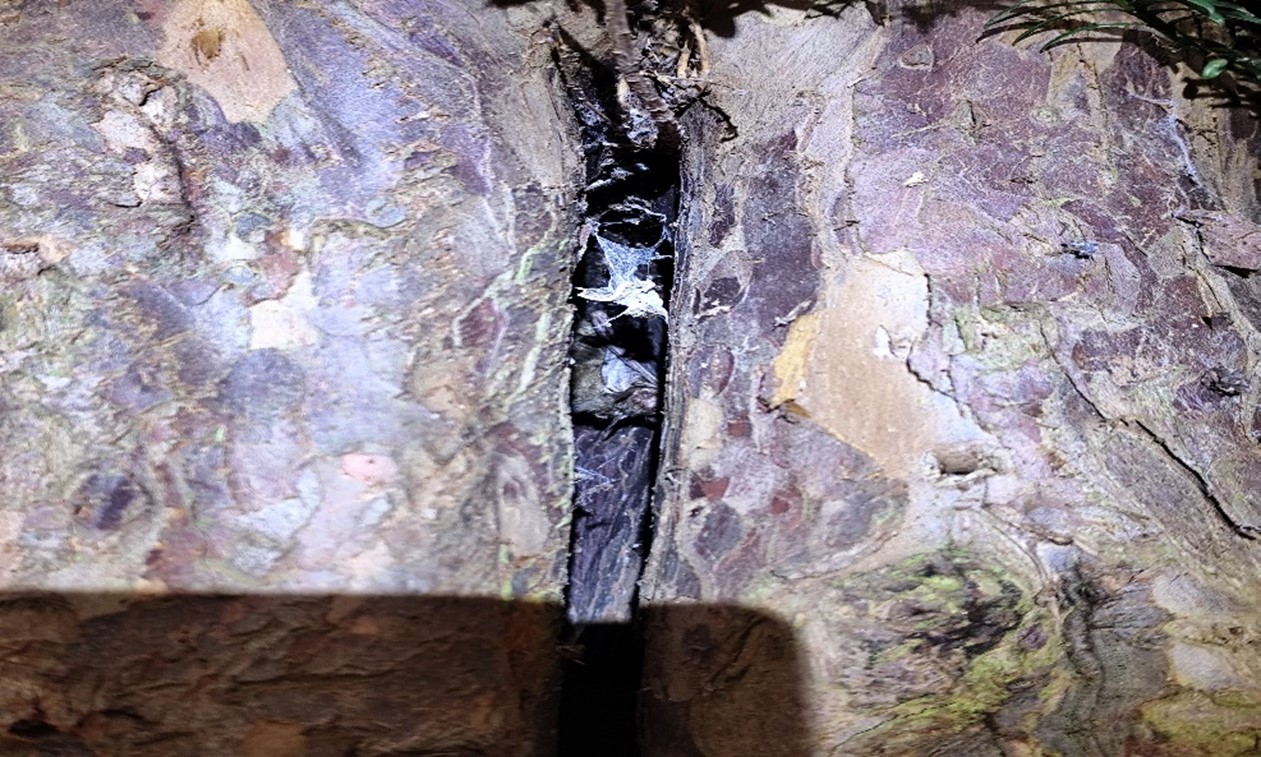
Center Parcs in Sherwood Forest has consistently had very high numbers of bats, and have 8 of the 12 Nottinghamshire species currently using or having previously used the site. Specifically, they regularly have maternity roosts of soprano pipistrelles in the buildings during the summer (sometimes 300+ bats in one roost), as well as regular sightings of common pipistrelle, brown long-eared and Daubenton’s.

Brown Long Eared Bat hibernating in a Yew Tree

During their regular bat box checks with licensed volunteers, they also have had great numbers of Leisler’s and a couple of findings of Natterer’s. As Center Parcs is a holiday Village, and routine refurbishments repairs are required on buildings regularly, as well as forestry operations, the Senior Conservation Ranger, Kate Doull, remains a key person involved in this process to ensure our bat roosts and potential bat habitats are protected.

[Many Thanks to Kate Doull from Center Parcs, Sherwood Forest, for providing the news and photo for this blog]

News from the Welbeck Estate

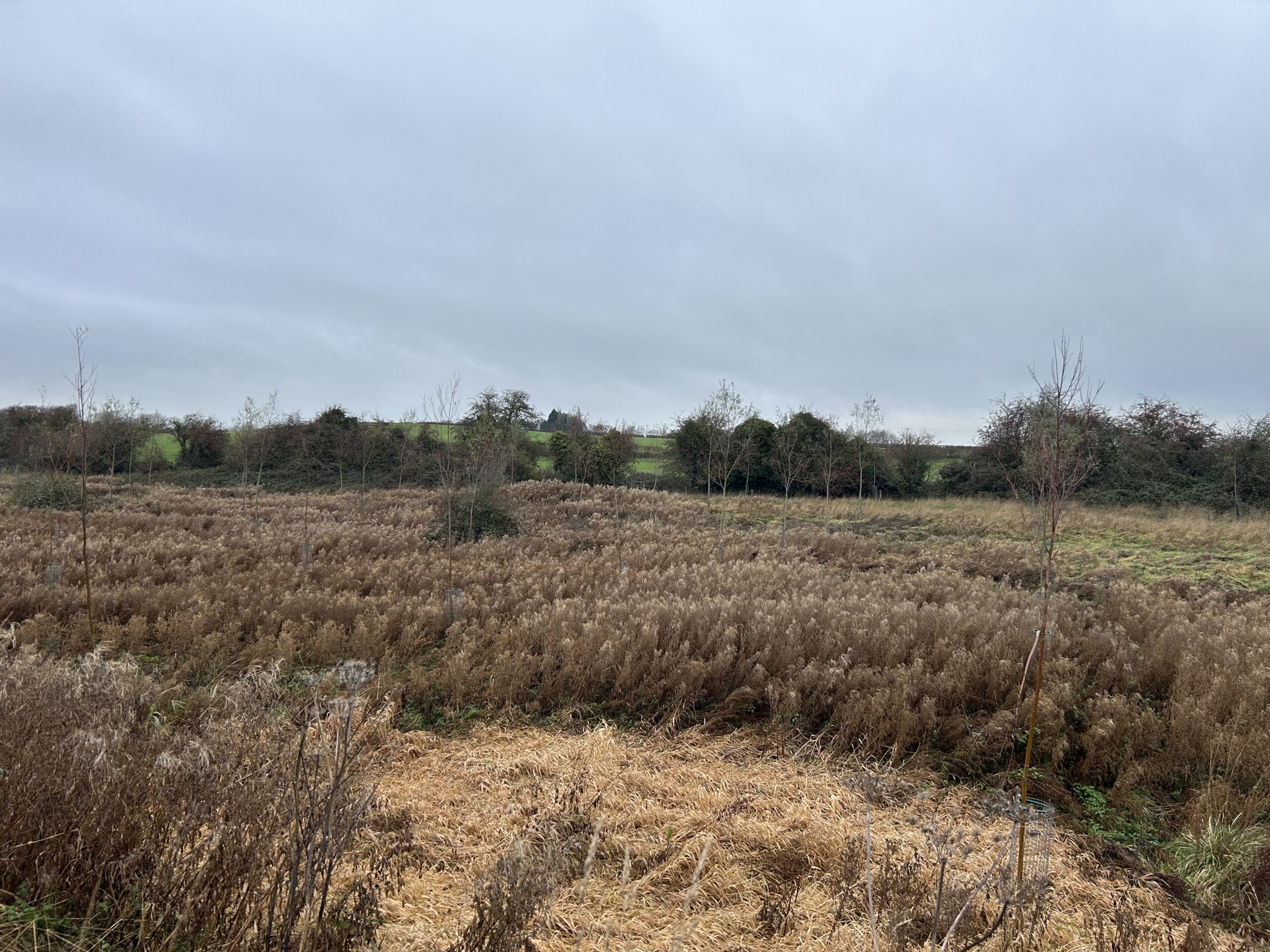
The Welbeck Estate are currently working with the Environment Agency on a study which models the feasibility of re-naturalising the River Poulter at Cuckney, where it is currently disconnected from its floodplain.  This study will assess factors such as flood risk, to ascertain the possibility of a river restoration scheme here to better connect the Poulter to the floodplain, helping to improve natural processes, and it would be hoped to also improve fish passage.

The Welbeck Estate

Alongside this work, many areas along the River Poulter were once home to functioning water meadows, including the Cuckney water meadows just downstream of the location of this study. The Estate are currently mapping the biodiversity value of these habitats to learn more about the species being supported on these sites.

[Many Thanks to Amy Taylor from the Welbeck Estate for providing the news and image for this blog]

Growing Together: Rushcliffe’s Tree Planting Success

In 2025, Rushcliffe Borough Council worked with local partners and residents to make a big impact through a free tree planting scheme. Here’s how they have been growing together:

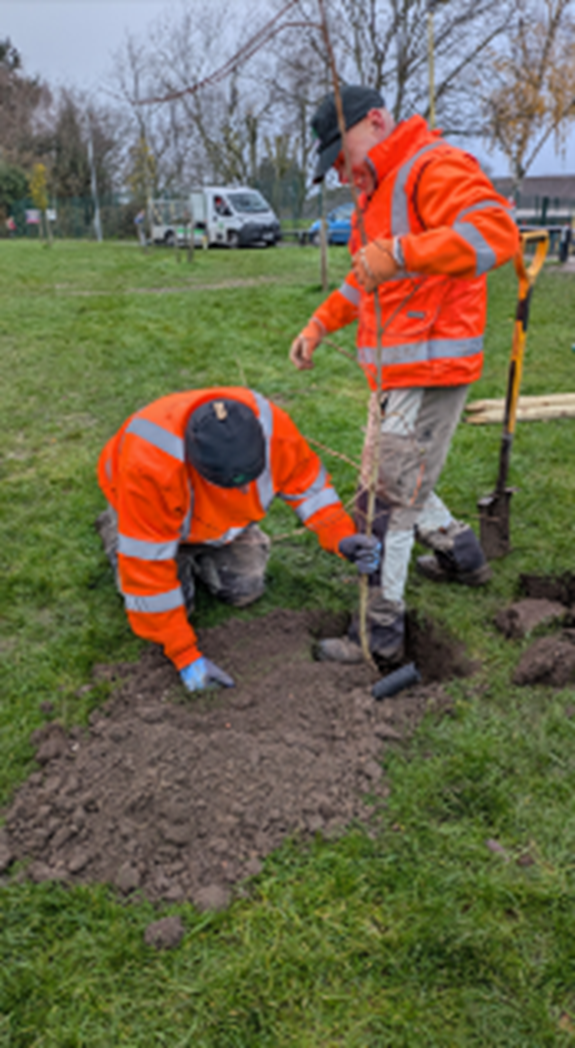
Steve & Chris from Streetwise planting a Field Maple at Greythorn Drive Park West Bridgford.

Community Free Tree Planting Scheme 2025

At the beginning of December 2025, Streetwise delivered and planted 75 trees across six local parish councils, two community groups, and at a Rushcliffe Borough Council owned site.  Streetwise will undertake a two-year watering service (2026-27) to help these trees thrive in future years.

Members of the Radcliffe Nature Conservation Group, one of the community groups that received free trees.

Resident Free Tree Scheme 2025

In October last year, Rushcliffe Borough Council invited residents to take part in their free tree giveaway. During National Tree Week (22-30 November 2025), 1,000 householders received their trees, supplied by Alba Trees that were delivered straight to their doors by Royal Mail.

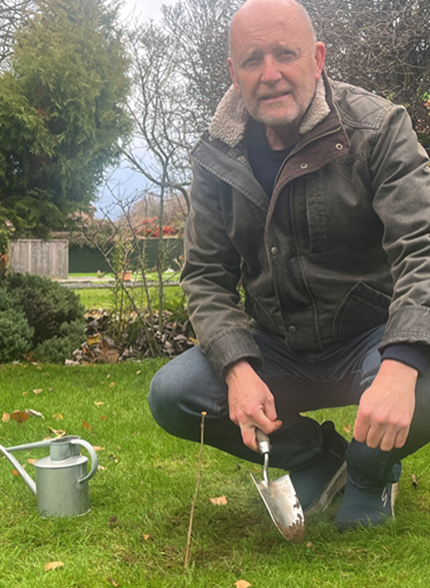
David a local resident & Tree Warden planting a wild cherry in his garden.

Tree Wardens – Local Champions

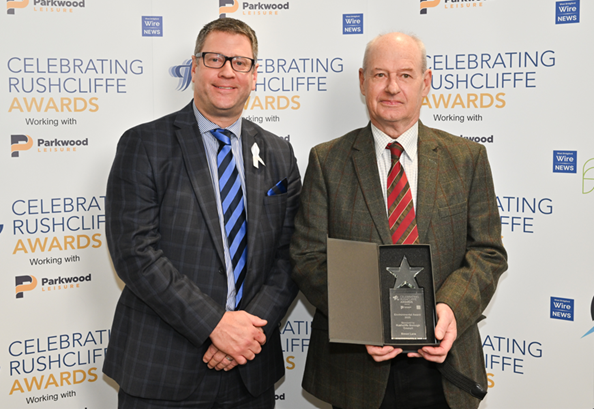
Rushcliffe Borough Council’s Tree Wardens are volunteers who champion trees in their communities. They survey for pests and diseases, plant and care for trees, and lead local initiatives. In February 2026, 16 Parish/Town Councils had appointed Tree Wardens.  Rushcliffe Borough Council were proud to celebrate their work at the Celebrating Rushcliffe Awards in December last year, where Simon Lane, Tree Warden for Hickling & Hickling Pastures, won the Environmental Group Award.

Celebrating Rushcliffe Awards 2025- RBC CEO Adam Hill presenting Simon with the Environment Award.

Looking Ahead

These schemes are just the beginning. Rushcliffe Borough Council has acquired a 21.54-hectare site at Upper Broughton, now named Rushcliffe Wood, which will feature 13 hectares of new woodland with over 12,700 native trees and 3,000 shrubs. This landmark project will complement our community planting efforts and help offset carbon for years to come.

Want to get involved? Keep an eye out for future tree and wildflower schemes, and learn more about the nature initiatives at Rushcliffe Borough Council

[Many Thanks to Sandrina Finocchio-Daniels and Paul Phillips from Rushcliffe Borough Council for providing the news and images for this blog]

Gedling House Woods and Meadows

The Friends of Gedling House Woods have been undertaking habitat management work at Gedling House Woods and Gedling House Meadow Local Nature Reserves to enhance the site’s biodiversity.

The work has involved improving the woodland habitat by thinning out the woodland by removing/coppicing some of the trees and shrubs to allow an increase in light reaching the ground encouraging a greater diversity of woodland ground flora. In addition, the group has also adopted a lighter approach to cutting the meadow hedges, which are now maintained at approximately 2 metres by 2.5 metres, providing an improved resources for wildlife creating a great feature to allow species to move safely around the site.

Meadow Hedges have now been cut more sympathetically in order to work for local wildlife

Along the roadside edge, volunteers have been selectively thinning younger trees to promote a mix of smaller, more manageable species in marginal areas, while gradually removing those that would grow much taller. In addition, self‑seeded, poor‑quality sycamores have been removed from a 100‑year‑old hawthorn copse to prevent them from spreading into the neighbouring wildflower meadow.

To further support meadow diversity, an extra flock of sheep has been introduced to the site to graze the secondary growth, helping to reduce the greensward and create more favourable conditions for wildflowers.

[Many Thanks to Sarah Spotswood from Gedling Borough Council, for providing the news and photo for this blog]