






Grizzled Skipper Project

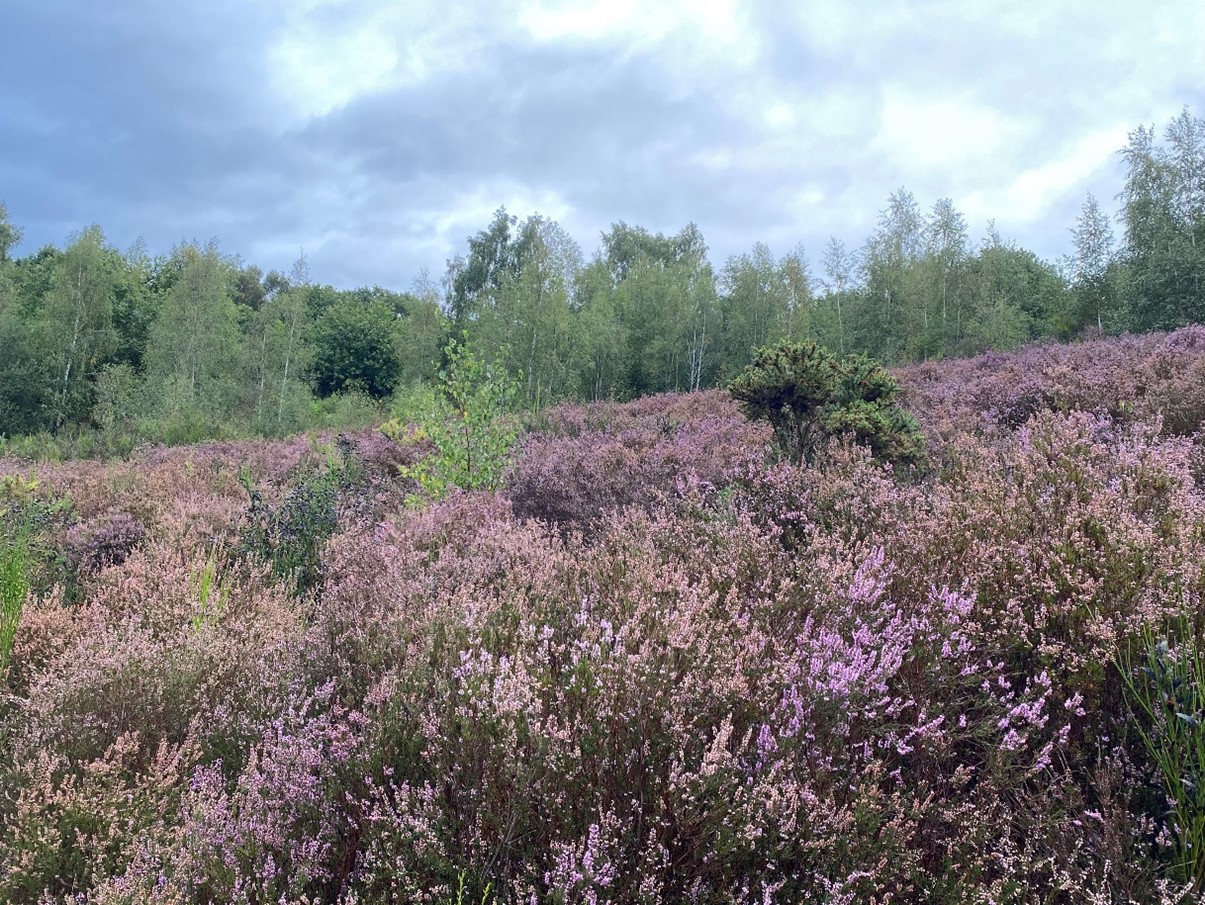
The grizzled skipper is a locally rare butterfly. The project is supported by local volunteers who undertake practical habitat management as well as surveying and monitoring the butterfly during the flight season (April-June)....read more
Nottinghamshire & Nottingham’s LNRS
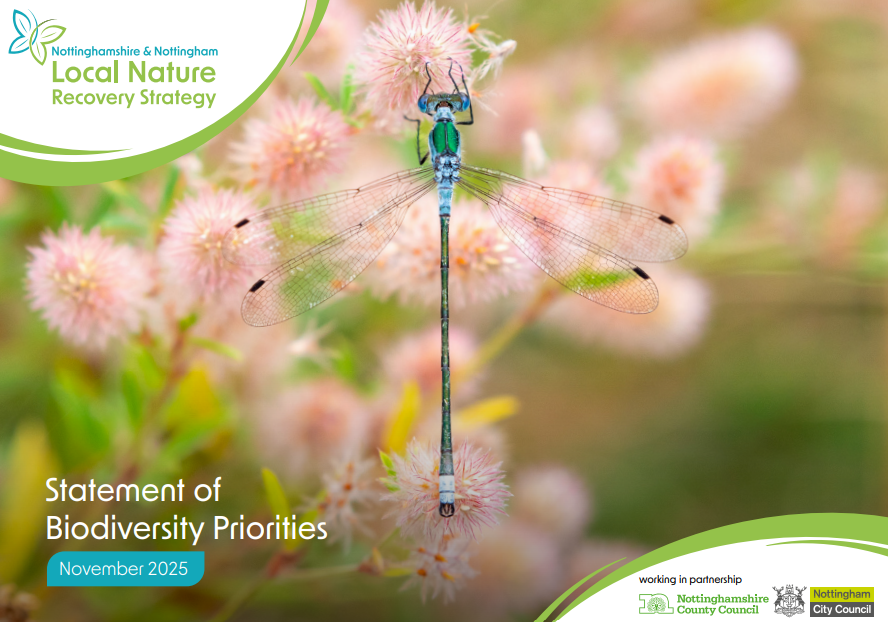
The Local Nature Recovery Strategy (LNRS) is a strategy to improve the state of nature by identifying priorities for nature recovery, identifying locations and habitats to improve which will have the greatest benefit for the environment, and influence local planning policy for nature recovery... read more
Nottinghamshire Wildlife Trust
 Nottinghamshire Wildlife Trust (NWT) believes that everyone should have the opportunity to live in a healthy, wildlife-rich natural world. Sadly our environment is under threat like never before, and Nottinghamshire Wildlife Trust is committed to working with others to limit and reverse the impacts of the nature and climate emergencies, and to inspire individuals to take action for nature...read more
Vicar Water Flows Free After 70 Years Underground
Nottinghamshire Wildlife Trust in collaboration with Severn Trent are restoring a long-lost stretch of Vicar Water at Clipstone, where trout once thrived. For the first time in over 70 years, flowing river water will return above ground thanks to a major restoration effort that’s part of the Three Rivers Restoration Project, a partnership with Severn Trent.
Deculverting during works (image credit Quinton Quayle Industries Ltd)
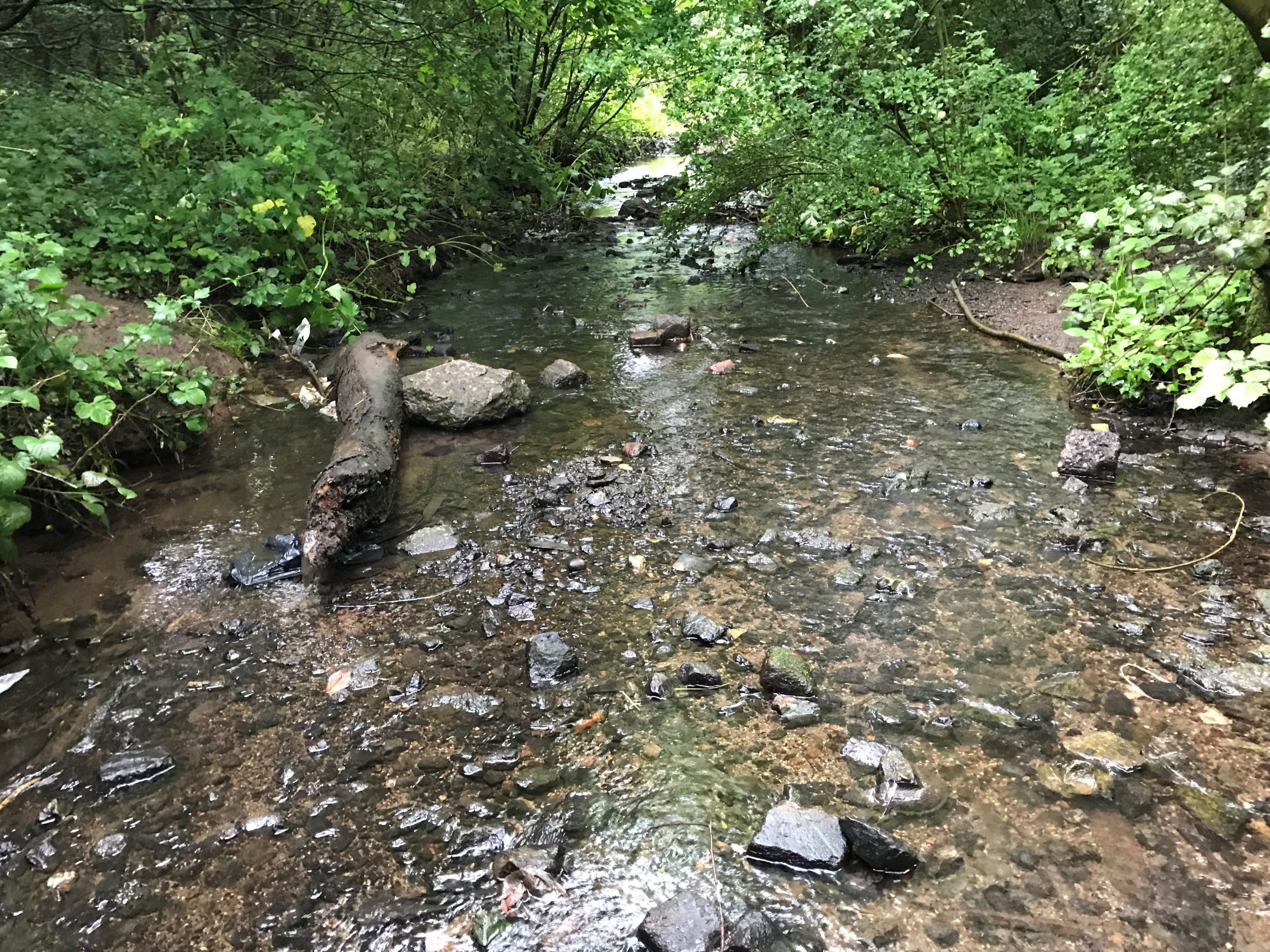
The 600-metre section, once buried in a culvert during 1950s mining works, is being deculverted and reshaped with features like riffles, pools, berms, and meanders. These changes will dramatically improve the river’s health, creating diverse habitats that support a wide range of species. Fish like trout, perch, and ruffe will benefit from improved passage and oxygen levels, while wetland areas formed by beaver analogue dams will support insects, amphibians, water voles, and birds such as kingfishers and egrets.

Deculverting after works (image credit Ian Higginson)
By restoring the river’s natural course and structure, the project will significantly boost local biodiversity and improve water quality. It’s a big step toward reversing decades of ecological damage and creating a healthier, more resilient landscape.
Read more about this daylighting project on the Notts Wildlife Trust website here.