




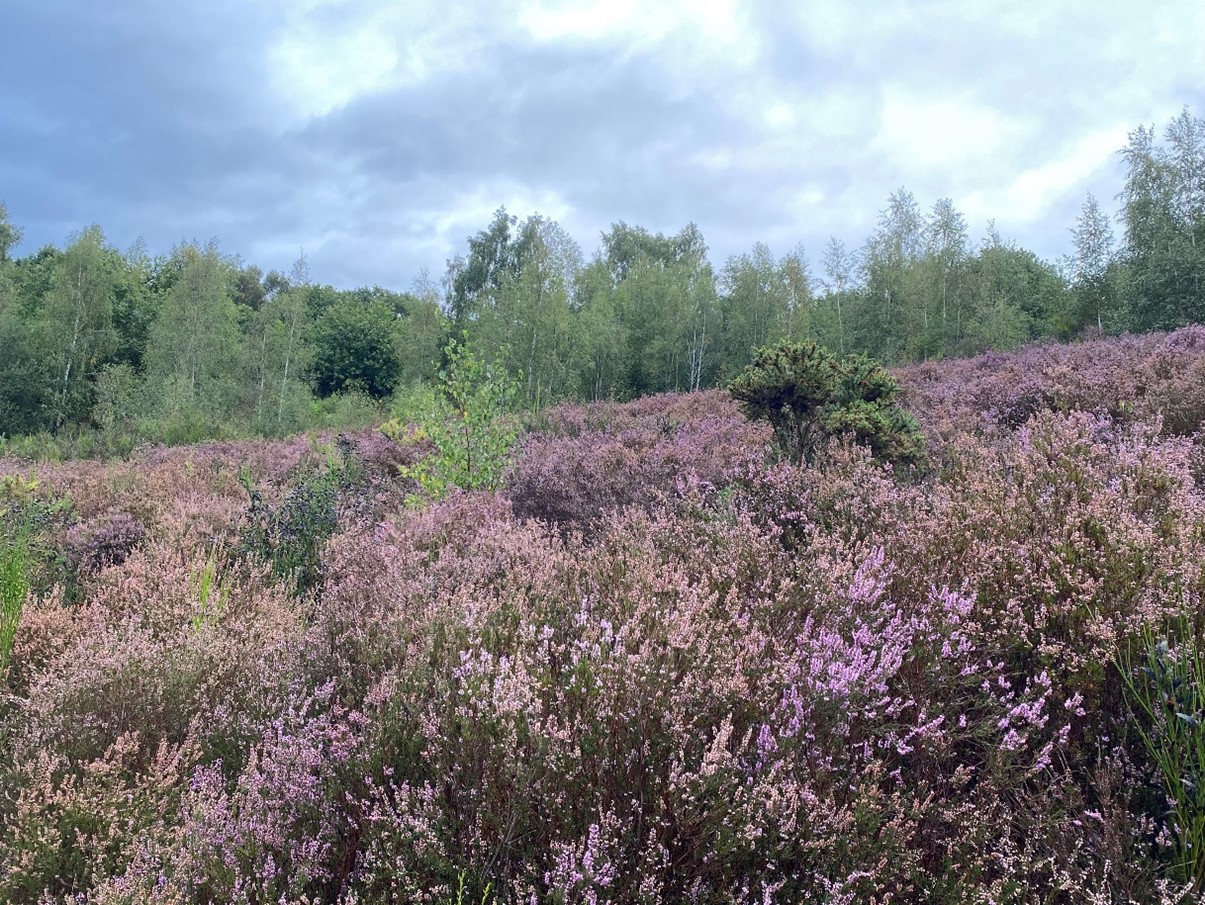


Grizzled Skipper Project

The grizzled skipper is a locally rare butterfly. The project is supported by local volunteers who undertake practical habitat management as well as surveying and monitoring the butterfly during the flight season (April-June)....read more
Nottinghamshire & Nottingham’s LNRS
The Local Nature Recovery Strategy (LNRS) is a strategy to improve the state of nature by identifying priorities for nature recovery, identifying locations and habitats to improve which will have the greatest benefit for the environment, and influence local planning policy for nature recovery... read more
Nottinghamshire Wildlife Trust
 Nottinghamshire Wildlife Trust (NWT) believes that everyone should have the opportunity to live in a healthy, wildlife-rich natural world. Sadly our environment is under threat like never before, and Nottinghamshire Wildlife Trust is committed to working with others to limit and reverse the impacts of the nature and climate emergencies, and to inspire individuals to take action for nature...read more
Crayfish Project Update – A Promising Start to 2025
As we wrap up the spring and early summer crayfish sessions in Nottingham city, a big thank you to all those who have helped out with the project.
So far, the numbers are looking very positive. We’ve seen a decrease in crayfish caught—even with more traps being set. We also saw a significant drop in young crayfish during netting—only about a third of previous years. The catch-per-minute rate fell to the lowest it’s been in five years. This points to fewer young crayfish entering the population, which is a very encouraging sign.
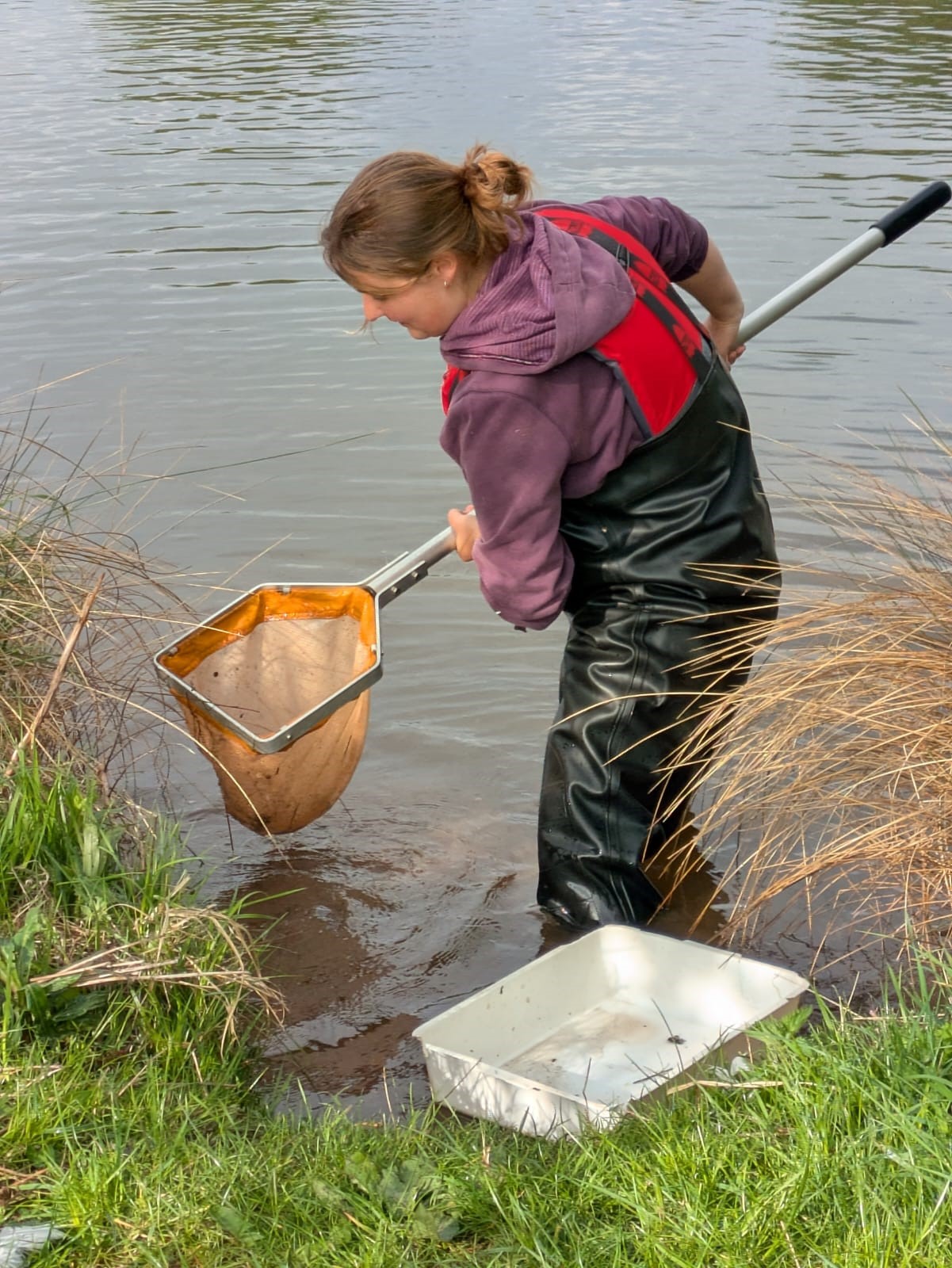
Crayfish volunteer netting around the edge of the pond
Female crayfish numbers were up again, but the average size of breeding females continues to decline. Smaller females produce fewer young, which helps reduce recruitment. Fewer berried females were also caught, despite the overall increase—another indication we’re intercepting them at the right time.
Overall, it’s been a positive start to the year. With your continued support—especially consistent netting—we’re seeing real progress in controlling the signal crayfish population in Nottingham city.