




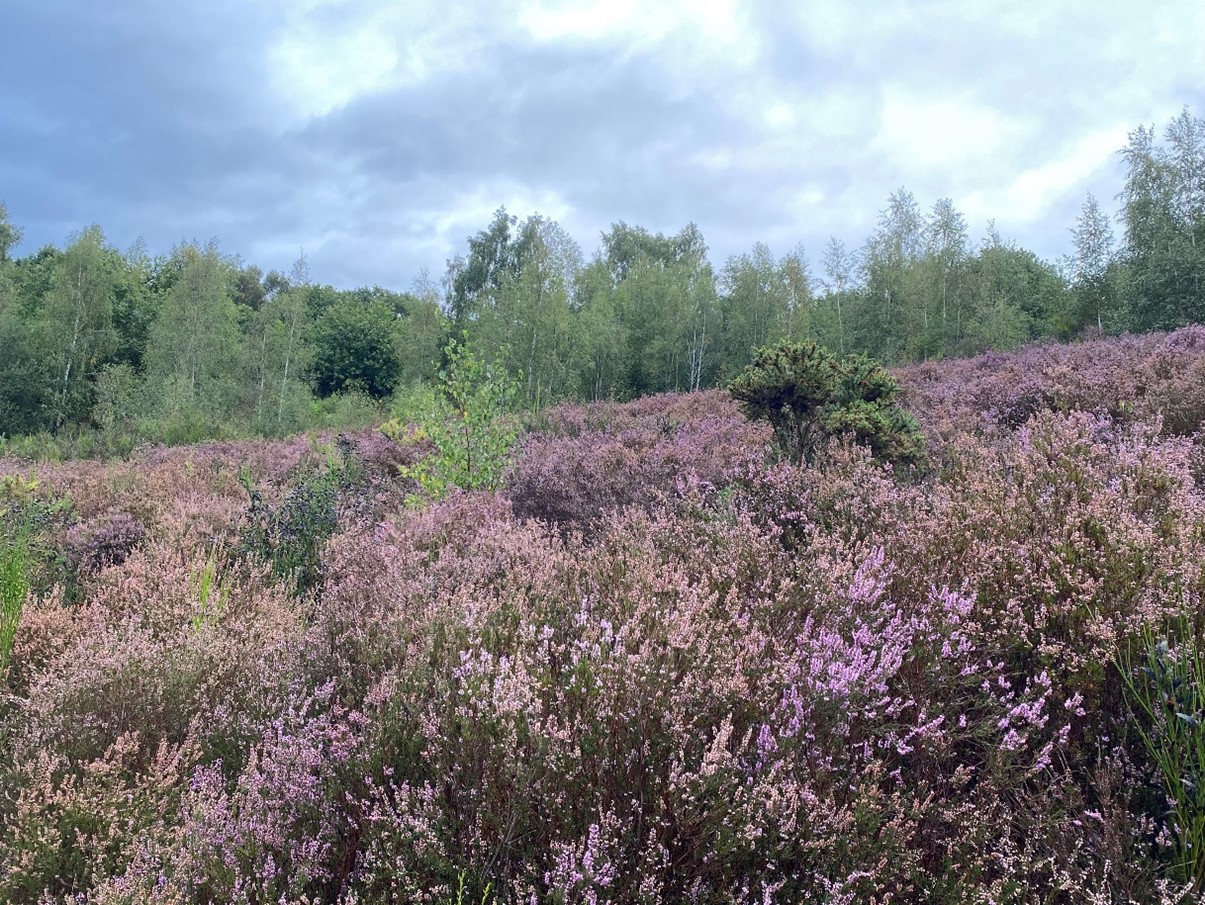


Grizzled Skipper Project

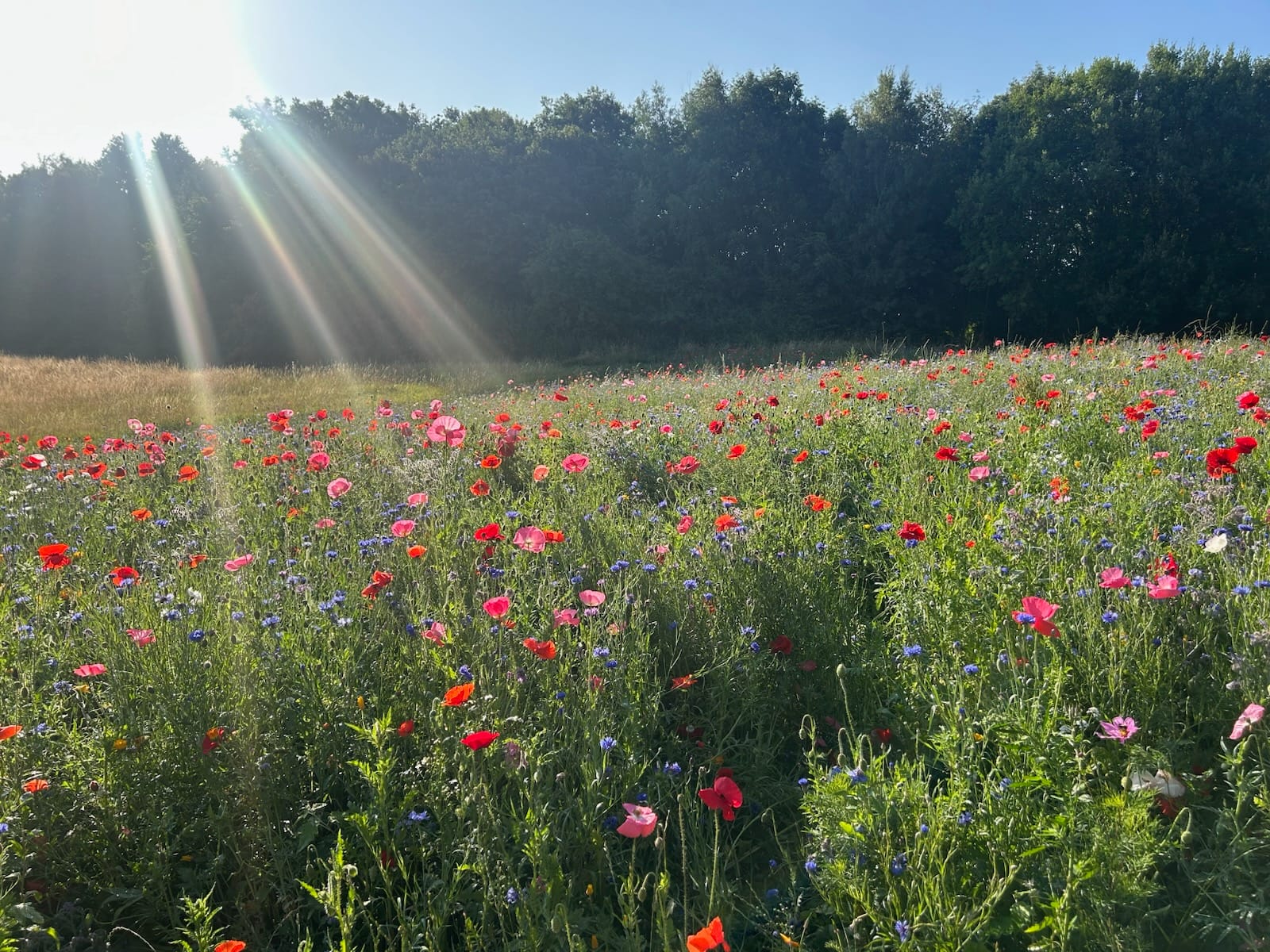
The grizzled skipper is a locally rare butterfly. The project is supported by local volunteers who undertake practical habitat management as well as surveying and monitoring the butterfly during the flight season (April-June)....read more
Nottinghamshire & Nottingham’s LNRS
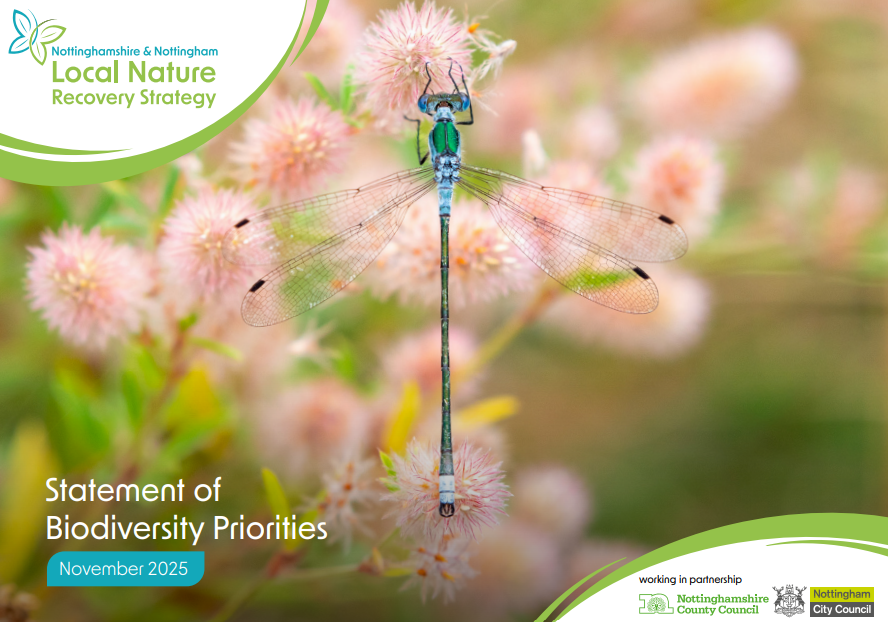
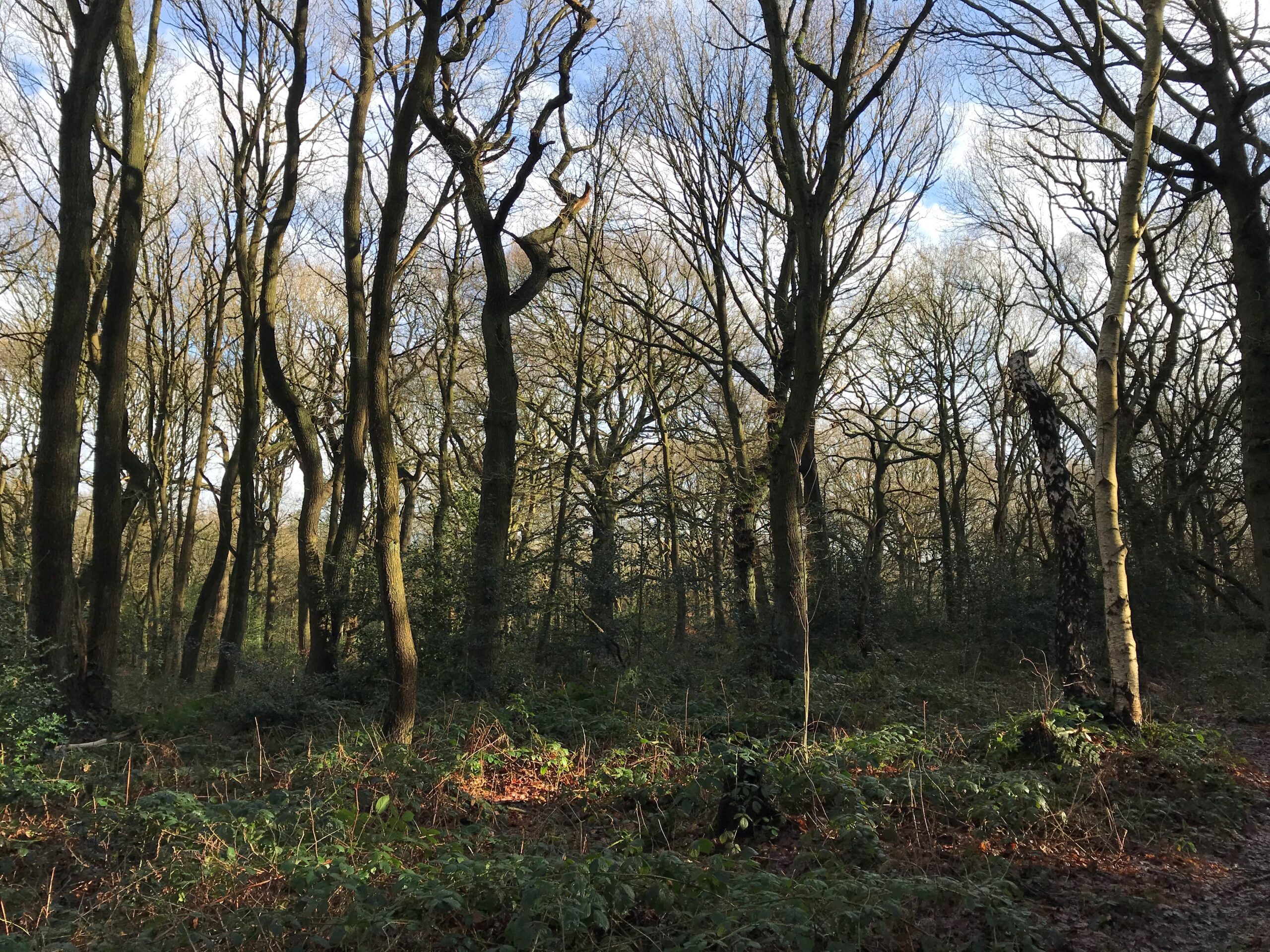
The Local Nature Recovery Strategy (LNRS) is a strategy to improve the state of nature by identifying priorities for nature recovery, identifying locations and habitats to improve which will have the greatest benefit for the environment, and influence local planning policy for nature recovery... read more
Nottinghamshire Wildlife Trust
 Nottinghamshire Wildlife Trust (NWT) believes that everyone should have the opportunity to live in a healthy, wildlife-rich natural world. Sadly our environment is under threat like never before, and Nottinghamshire Wildlife Trust is committed to working with others to limit and reverse the impacts of the nature and climate emergencies, and to inspire individuals to take action for nature...read more
Haloing Veteran Oaks in Sherwood Forest
In winter 2025, volunteers working with Forestry England focused their attention on haloing veteran oaks in Sherwood Forest. They made good progress however there is still plenty to do. This work on the smaller trees and shrubs around the trees is happening ahead of further works that are planned with chainsaws on larger trees and shrubs. This work will increase the space around the veteran trees reducing pressure from the surrounding vegetation.
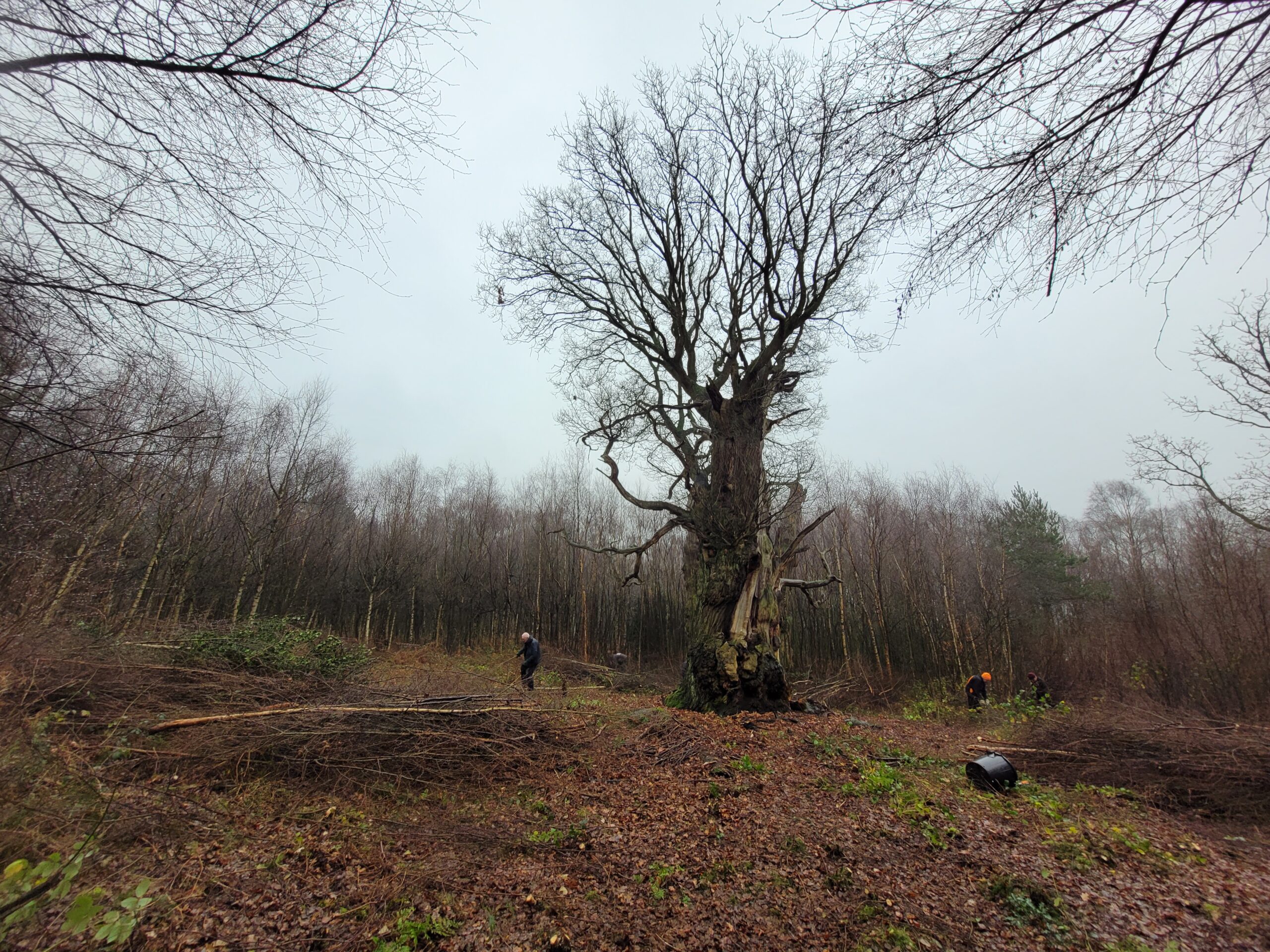
Haloing (also known as halo clearance) is the removal of the surrounding vegetation from veteran tree canopies. This process is undertaken in order reduce competition for resources. Where branches have been shaded by other trees and vegetation, they will die off, so this work is essential to increase the trees ability to get light, water and nutrients so it can make more food to maintain itself.
Other benefits include improved soil conditions and reduced stress to aid the trees vitality all while creating habitat for lichens, fungi, birds and invertebrates helping to restore an ecological balance typical of a more open forest environment.
[Many Thanks to Amy Chandler from Forestry England for providing the news and images for this blog]