




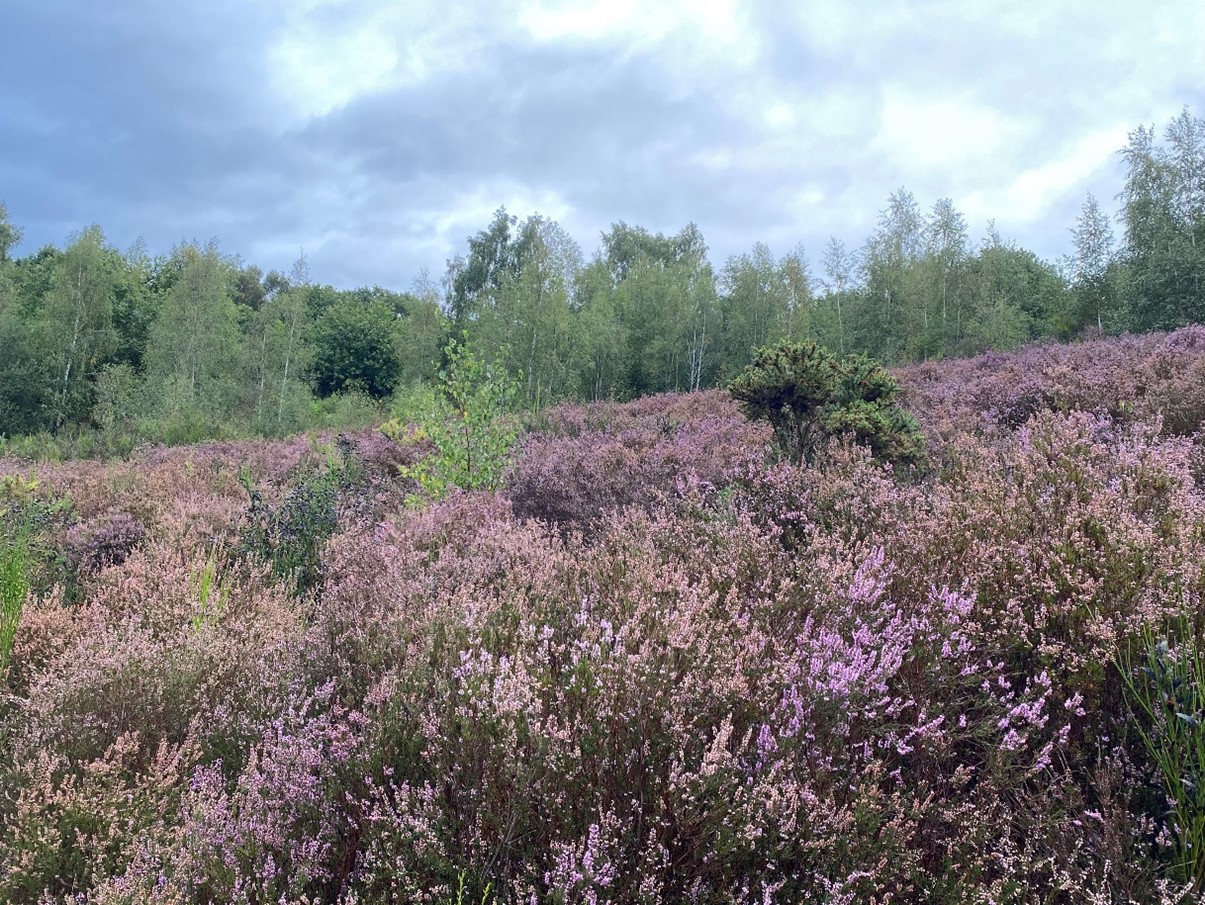


Grizzled Skipper Project

The grizzled skipper is a locally rare butterfly. The project is supported by local volunteers who undertake practical habitat management as well as surveying and monitoring the butterfly during the flight season (April-June)....read more
Nottinghamshire & Nottingham’s LNRS
The Local Nature Recovery Strategy (LNRS) is a strategy to improve the state of nature by identifying priorities for nature recovery, identifying locations and habitats to improve which will have the greatest benefit for the environment, and influence local planning policy for nature recovery... read more
Nottinghamshire Wildlife Trust
 Nottinghamshire Wildlife Trust (NWT) believes that everyone should have the opportunity to live in a healthy, wildlife-rich natural world. Sadly our environment is under threat like never before, and Nottinghamshire Wildlife Trust is committed to working with others to limit and reverse the impacts of the nature and climate emergencies, and to inspire individuals to take action for nature...read more
Spalford Warren & Volunteer Conservation Work
Work across Nottinghamshire Wildlife Trust’s (NWT) reserves has continued at pace as they manage, restore, and enhance some of the county’s rarest habitats. Recent tasks have included aftermath grazing on the grasslands which are Sites of Special Scientific Interest (SSSI) at Ashton’s Meadow and Besthorpe Meadow, along with ongoing work to create wood pasture at Idle Valley Nature Reserve.
Aftermath grazing is the practice of bringing livestock onto a meadow after the hay has been cut, allowing them to graze the fresh regrowth. This helps keep nutrient levels low, prevents scrub encroachment, and maintains the open, species‑rich structure that many rare plants and insects depend on.
The livestock are currently conservation-grazing a rich mosaic of habitats: calcareous, neutral, and acid grasslands, as well as fen and heathland sites. Their grazing plays a vital role in maintaining these landscapes for the specialist wildlife that depends on them.
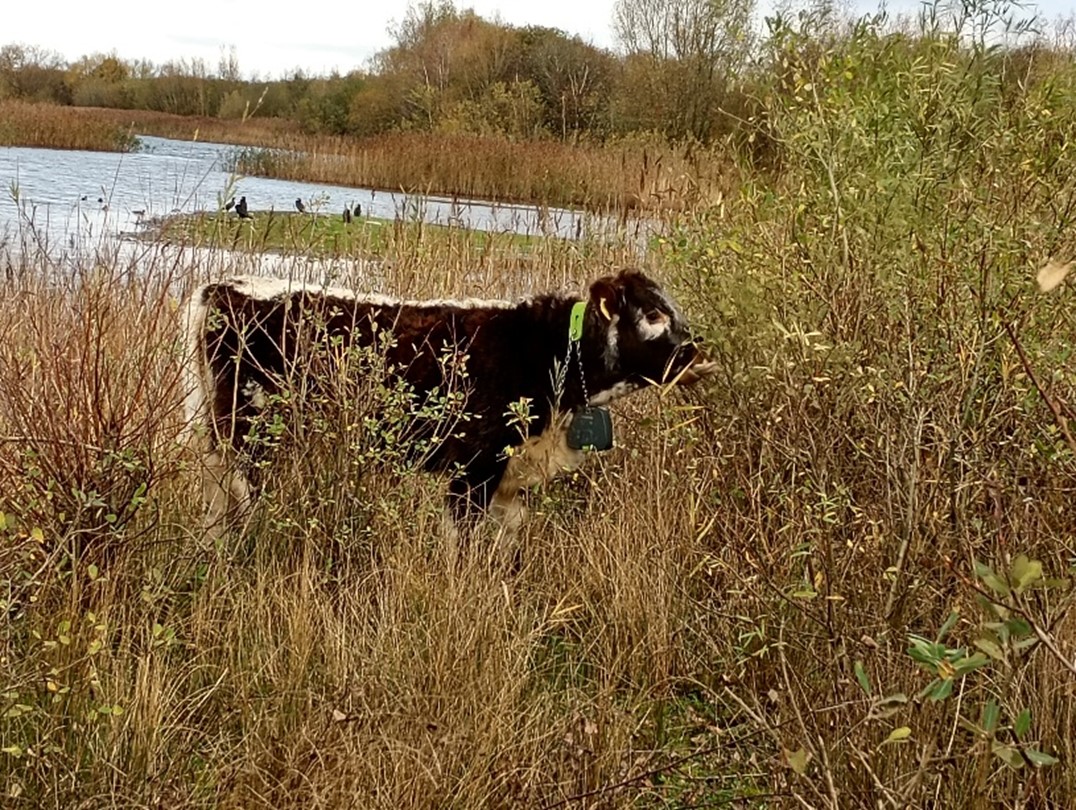
A longhorn calf tackling willow in the beaver area
This year NWT is especially pleased to have established a dedicated volunteer group for Spalford Warren SSSI, a site which is home to rare aeolian sand heathland. This is a type of heathland shaped by the wind, formed through the movement and deposition of sand and other fine particles. These landscapes are typically open and sparsely vegetated, occurring where little plant cover exists to stabilise the shifting sands. Over time, as vegetation establishes, these habitats become more stable and resilient, providing a secure environment for both the sand and the specialist wildlife that depends on them.
NWT are also delighted to highlight the amazing contribution of their fantastic volunteers. Their dedication is essential to delivering the reserve management work, and their enthusiasm and support are already making a real difference.
[Many Thanks to Janice Bradley and Erin McDaid from Nottinghamshire Wildlife Trust for providing the news and images for this blog]