Crash Course: White-Clawed Crayfish Translocations

You may have heard of conservation breeding programmes and reintroductions, but have you heard of translocations? In conservation, translocations involve deliberately moving a threatened population of a species from one site to another more suitable site, following extensive planning to ensure they will be protected and able to thrive in their new site.

A translocation might be performed due to threat of habitat loss, climate change or an invasive species, for example. It is not an action taken lightly due to the risks involved and inherent invasiveness of removing a species out of its natural range and relocating it elsewhere, but the attitude to translocations have changed over time from a last resort to a proactive measure.

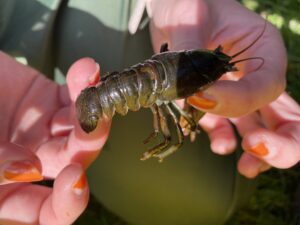
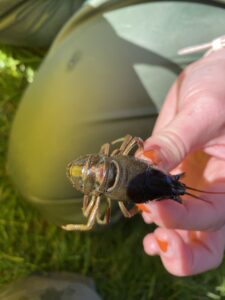
We have recently been in the process of translocating a metapopulation of White-clawed Crayfish with the help of our partners at BugLife and Environment Agency, as well as the assistance of staff from Derbyshire Wildlife Trust.

Along a particular river Leen tributary, a healthy White-clawed Crayfish metapopulation is threatened by the encroachment of the invasive American Signal Crayfish from downstream. Signal Crayfish cause severe problems for our native White-clawed through outcompeting them AND spreading the catastrophic crayfish plague. Signal Crayfish, having co-evolved with the disease, are carriers of crayfish plague, which is a fungal disease that can rapidly wipe out entire populations of White-clawed Crayfish. Crayfish plague can also be spread through infected equipment, so it is essential to thoroughly disinfect any fishing equipment or leave it out in the sun for 21 days if planning to use it at other sites. Follow the principles of Check Clean Dry to help protect ecosystems.

Logistics

Before a translocation can occur, potential ark sites (freshwater bodies with low threats of Signal Crayfish invasion, suitable habitat and good water quality) are assessed for suitability. For more information about site assessment, see this resource by our partners at BugLife.

As there is ongoing threat of Signal Crayfish invasion throughout the rivers Erewash, Leen and Maun catchments, site selection is an ongoing process, and translocations of various metapopulations to suitable ark sites will continue.

Trapping

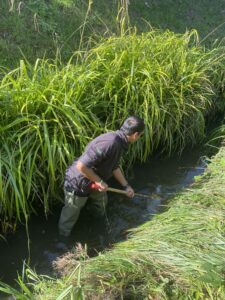
Following selection of a suitable site, we moved onto trapping under the guidance of licensed professionals. White-clawed crayfish should never be trapped or disturbed without a license. We aimed to catch 150 over 2 days, followed by another 100 the following week.
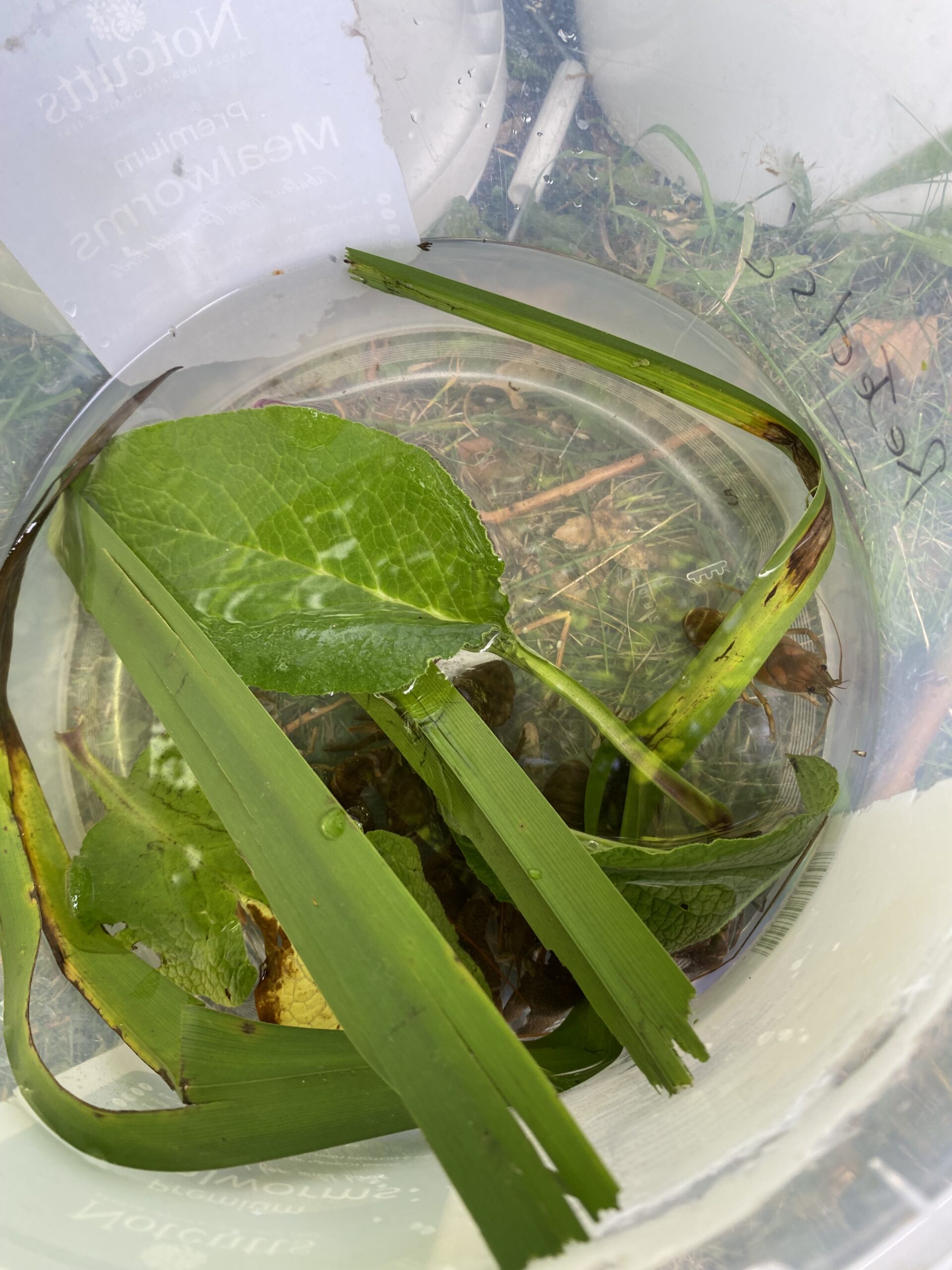
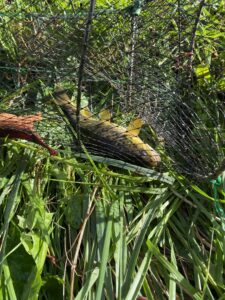
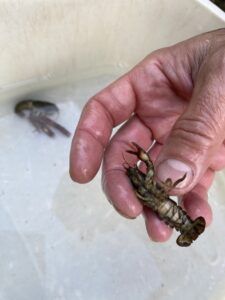
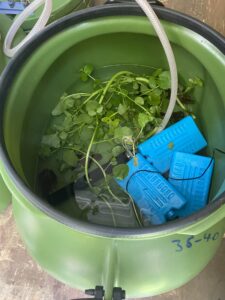
WCC waiting to be assessed, hiding under vegetation.

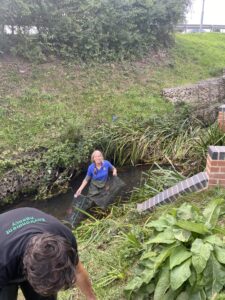
Biosecurity is essential in conservation, whether working with protected species, invasive non-native species or even performing routine habitat management; poor biosecurity is a key source of population decline amongst many species. Learn more about biosecurity here. All waders and trapping equipment were thoroughly sanitised with Virkon, a powerful disinfectant used by professionals who work with livestock and wildlife.
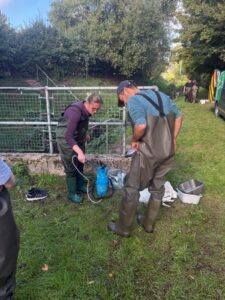
Sarah using Virkon to spray Chris’ waders, minimising the risk of accidentally spreading crayfish plague to a different site.

We used a variety of trapping methods including –

  • Fladen traps: these are baited with halibut pellets or mackerel. Any wildlife (i.e. fish or crayfish) that enters cannot escape; these must legally be checked within 24 hours of being set for animal welfare purposes.
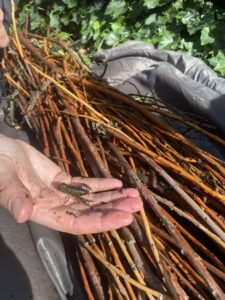
  • Brash bundles: piles of sticks which are tied together, creating attractive refugia for smaller crayfish. Wildlife can come and go as they please.
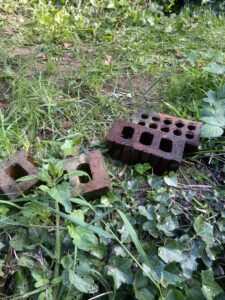
  • Perforated bricks: bricks with holes in them, which smaller crayfish may hide in.
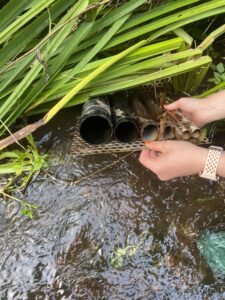
  • Artificial refuge traps (ARTs)/pan pipe traps: pipes with a backing. These can be left in-situ for longer periods of time as wildlife can come and go as they please. These catch a wider range of sizes.
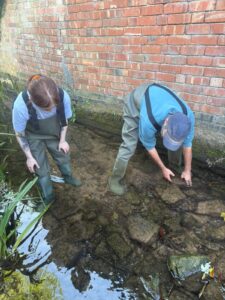
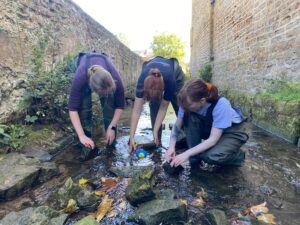
  • Netting & rock turning: actively catching crayfish by overturning rocks and using a net or hands to catch them, which can catch a range of sizes.

Assessing condition

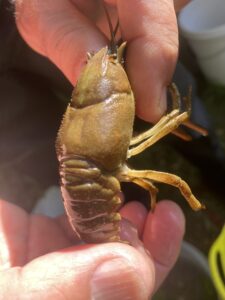
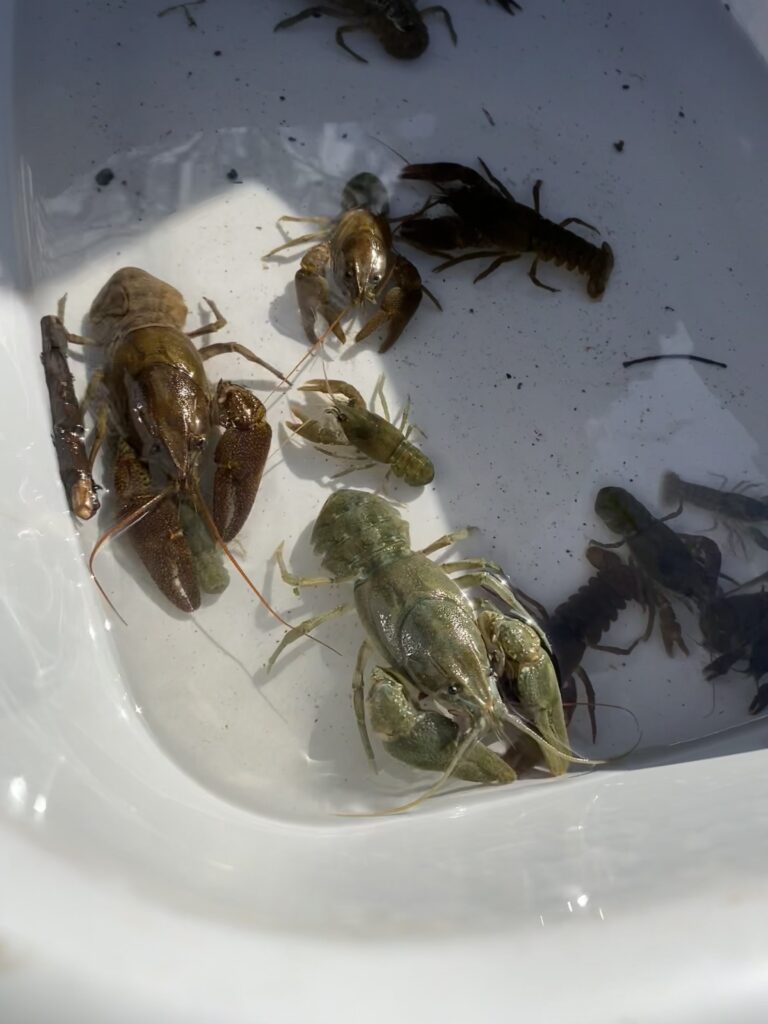
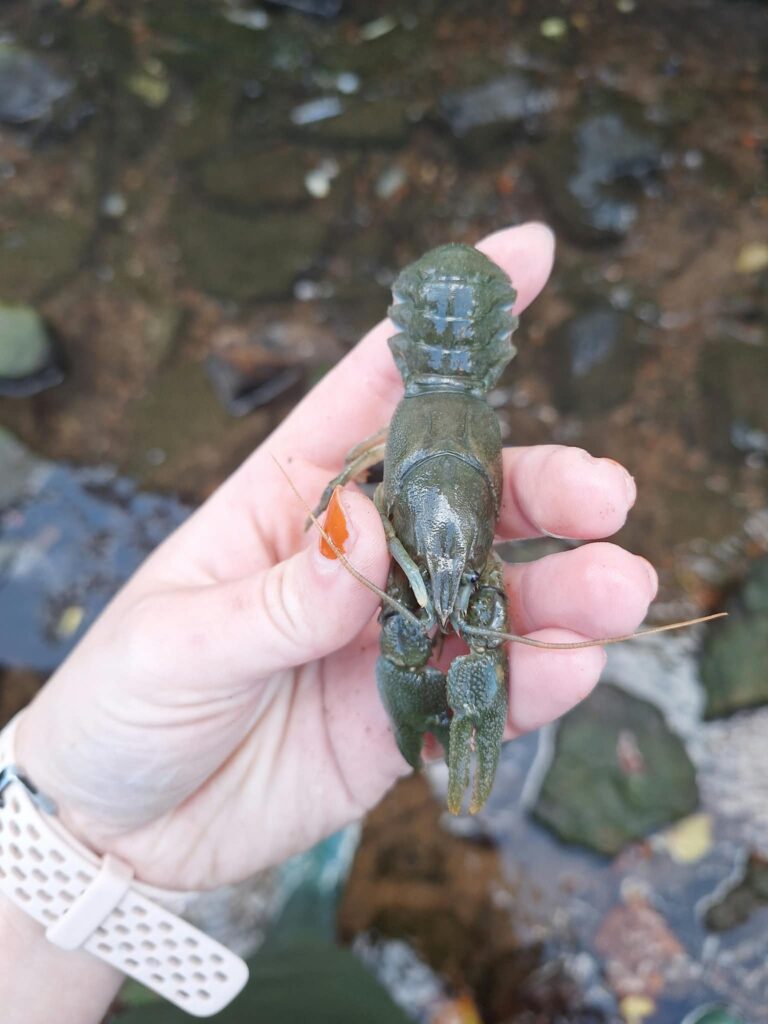
Every crayfish we caught was then measured and checked for disease, injury, moult and breeding condition. As per licensing conditions, diseased and injured crayfish were released back into the stream to ensure an optimally healthy breeding population. Additionally, crayfish below and above a certain size threshold were released back into the stream for biosecurity purposes. For example, juvenile Signal crayfish below a certain size could be easily misidentified as White-clawed crayfish.

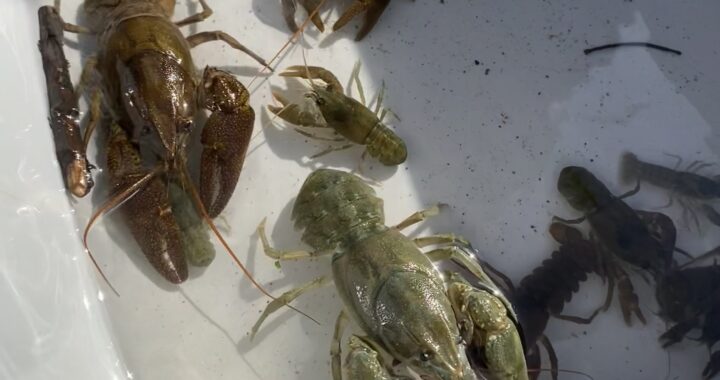
Healthy White-clawed crayfish were placed in water-filled buckets with vegetation for hiding, continuously oxygenated by a pump. They were then transported to a tank to be quarantined for 4 weeks. If they survive the quarantine process, they will then be relocated to a confidential ark site where their population can hopefully thrive, protected from crayfish plague.
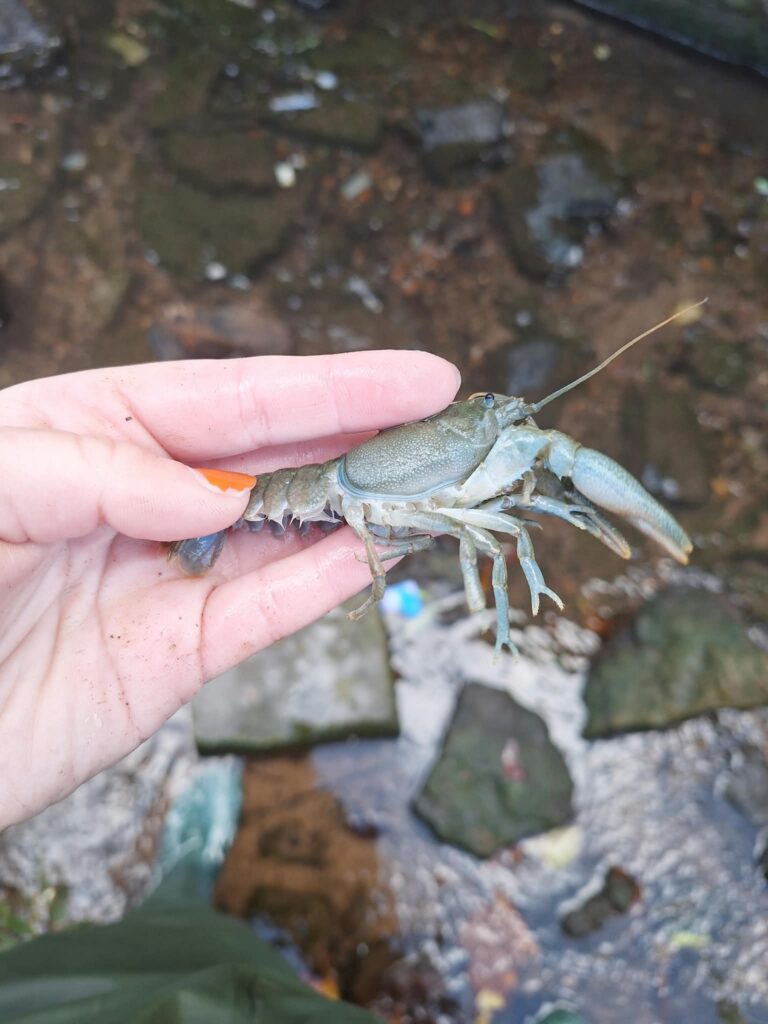
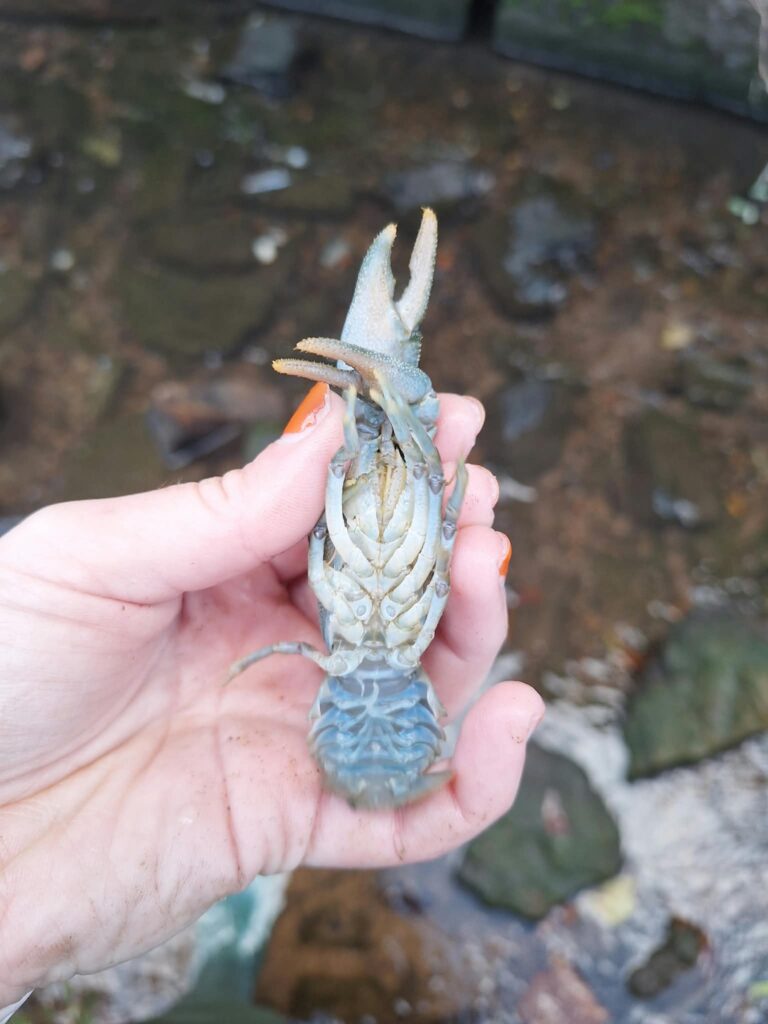
We also found a blue crayfish, which is a very rare colour variation. This would increase their risk of predation compared to a more inconspicuous brown crayfish, elucidating why the colour variation is so rare. Though probably unlucky for the crayfish, it definitely felt lucky to the team!
For more regular updates, you can join us on Instagram or Facebook.
 

Manual Labour & Clouded Yellows (Grizzled Skipper Project Update)

This week, we have been doing some habitat management work for the Grizzled Skipper Project.

On the 21st, we visited a privately owned site near Flawborough, which we manage with the consent of the landowner. As part of a scheme run by Rushcliffe Borough Council, we were granted the use of a remote-controlled mower to cut the regenerating scrub and grass across the site. This allowed us to leave plenty of sunny open space for the butterfly. We left a good area of species-rich grassland habitat uncut for the benefit of the diverse invertebrate species utilising the site. We also left areas dominated with vast growth of Creeping Cinquefoil to assist the Grizzled Skipper butterfly. Creeping Cinquefoil is one of the larval food plants for the Grizzled Skipper, so we managed the scrub in areas dominated by Creeping Cinquefoil with more targeted work by hand – using loppers and secateurs – to avoid harming the butterflies’ pupae. We will be hosting a volunteer work party to finish off work to manage the site (keep your eyes peeled) but we have made a very good inroads.

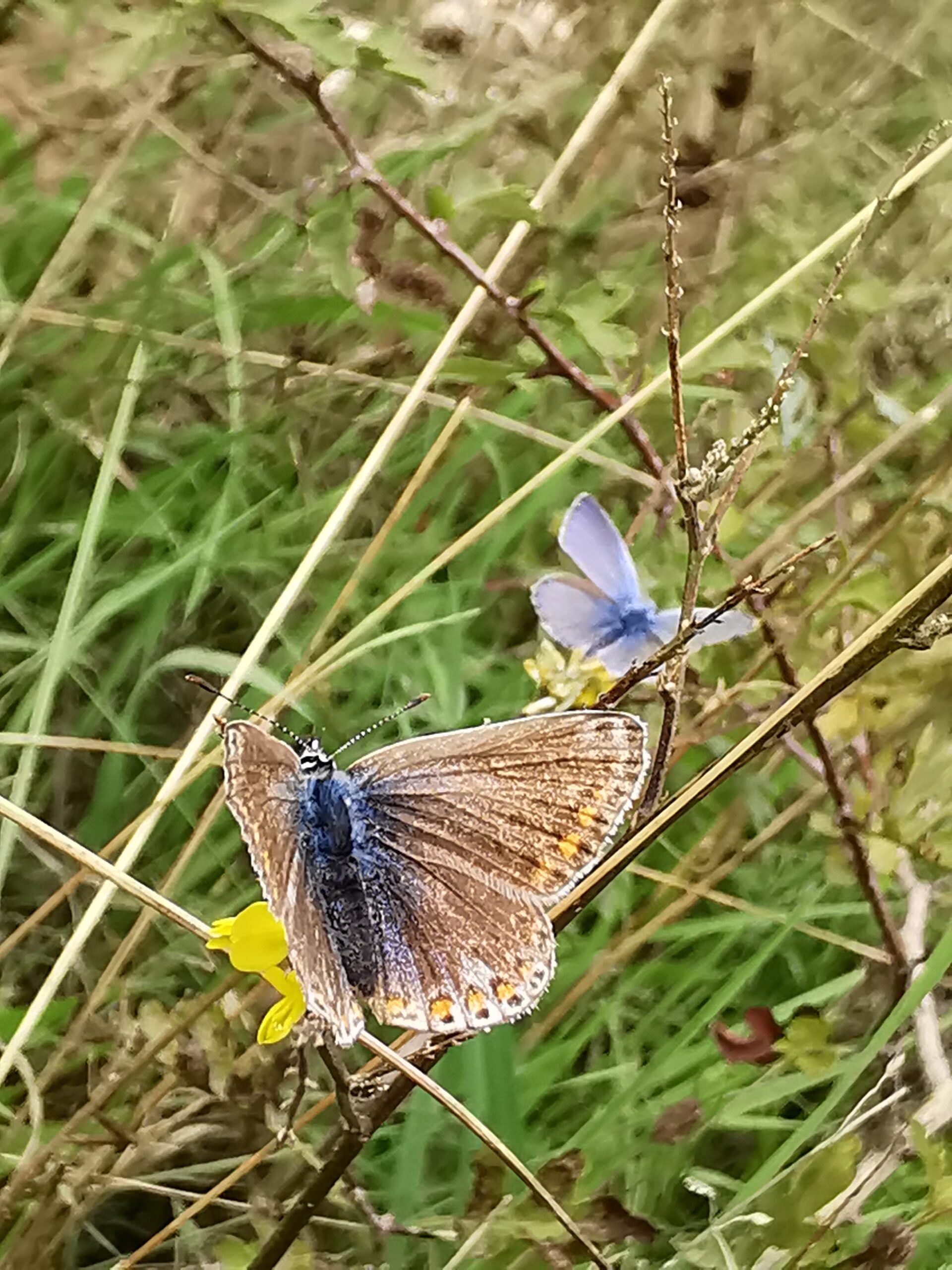
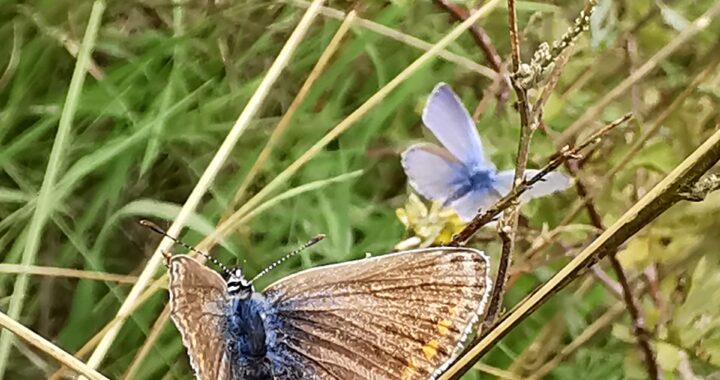
Additionally, due to the unusually warm and dry September weather we have been experiencing, there has been plenty of invertebrate activity. We spotted many Brown Argus, Common Blue, Small White and surprisingly, at least three Clouded Yellows.

2 Common Blue butterflies

We then went to Staunton Quarry to harvest some Agrimony seed for our partners at Sherwood Forest Trust to grow on at their nursery. Agrimony is another larval food plant of the Grizzled Skipper, so we are hoping to plant it at some of our Grizzled Skipper sites. Staunton Quarry appears to be recovering from a series of poor years for Grizzled Skippers, as this spring produced more records than in recent years. Other butterflies seem to be enjoying the site too; we saw many Small Whites and Brown Arguses. And what do you know – we saw another Clouded Yellow! According to Butterfly Conservation’s Nottinghamshire butterfly recorder, Clouded Yellow are having their biggest year in decades.

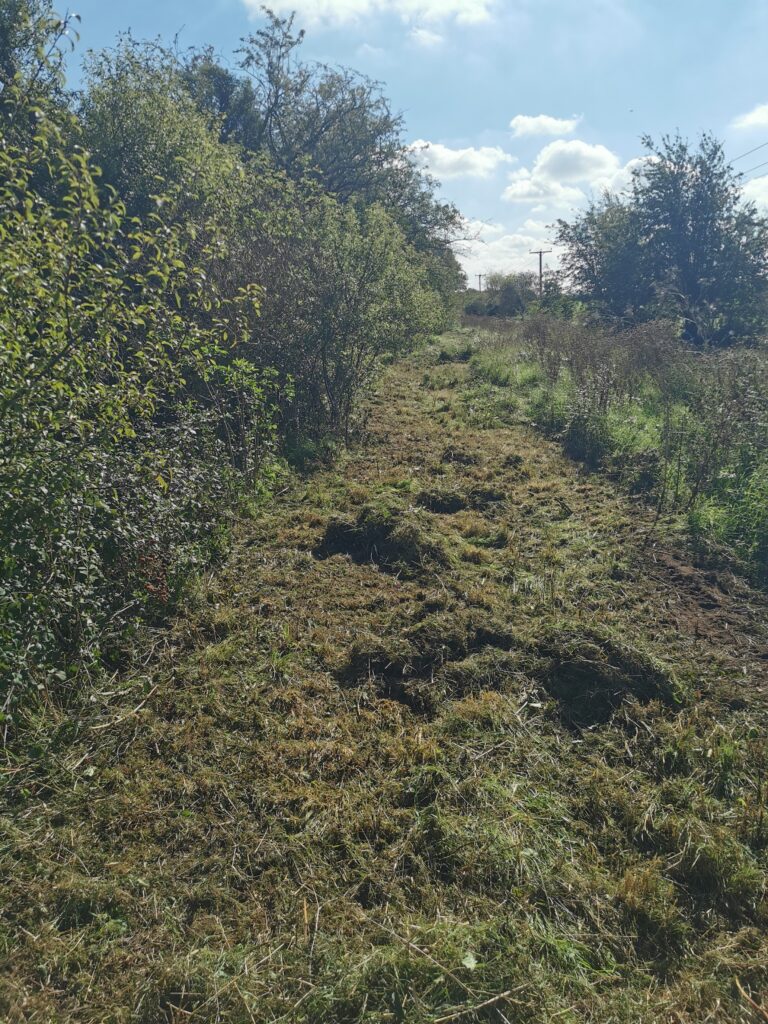
On the 22nd, we headed to our Granby Disused Railway site, where the remote mower was once again used to cut the long grass and invading bramble and thorn scrub. We spent a good few hours raking and removing the cut grass, moving it too the bottom of the embankment of this former railway. This created some bare soil patches, which will hopefully allow more wildflowers to dominate – especially Creeping Cinquefoil, which will benefit the Grizzled Skipper. The grass down the side of the banks will create new habitat for other invertebrates too; we saw quite a few moths (including a Heart & Dart) taking shelter in the bales. The site was rife with invertebrate life, and the birds were busy too.

Lots of hard work raking

Our first volunteer work party will be on Sunday the 27th of September, at the Granby Disused Railway Site. If you’d like to come along, head to the events page for more details – the more the merrier. And do make sure to record any birds or invertebrates you see!

Keep an eye on the events page to find out our next dates for our annual Grizzled Skipper volunteer work parties. And keep up-to-date with new developments on our Facebook, as well as our brand new Instagram page.

Spalford Warren & Volunteer Conservation Work

Work across Nottinghamshire Wildlife Trust’s (NWT) reserves has continued at pace as they manage, restore, and enhance some of the county’s rarest habitats. Recent tasks have included aftermath grazing on the grasslands which are Sites of Special Scientific Interest (SSSI) at Ashton’s Meadow and Besthorpe Meadow, along with ongoing work to create wood pasture at Idle Valley Nature Reserve.

Aftermath grazing is the practice of bringing livestock onto a meadow after the hay has been cut, allowing them to graze the fresh regrowth. This helps keep nutrient levels low, prevents scrub encroachment, and maintains the open, species‑rich structure that many rare plants and insects depend on.

The livestock are currently conservation-grazing a rich mosaic of habitats: calcareous, neutral, and acid grasslands, as well as fen and heathland sites. Their grazing plays a vital role in maintaining these landscapes for the specialist wildlife that depends on them.

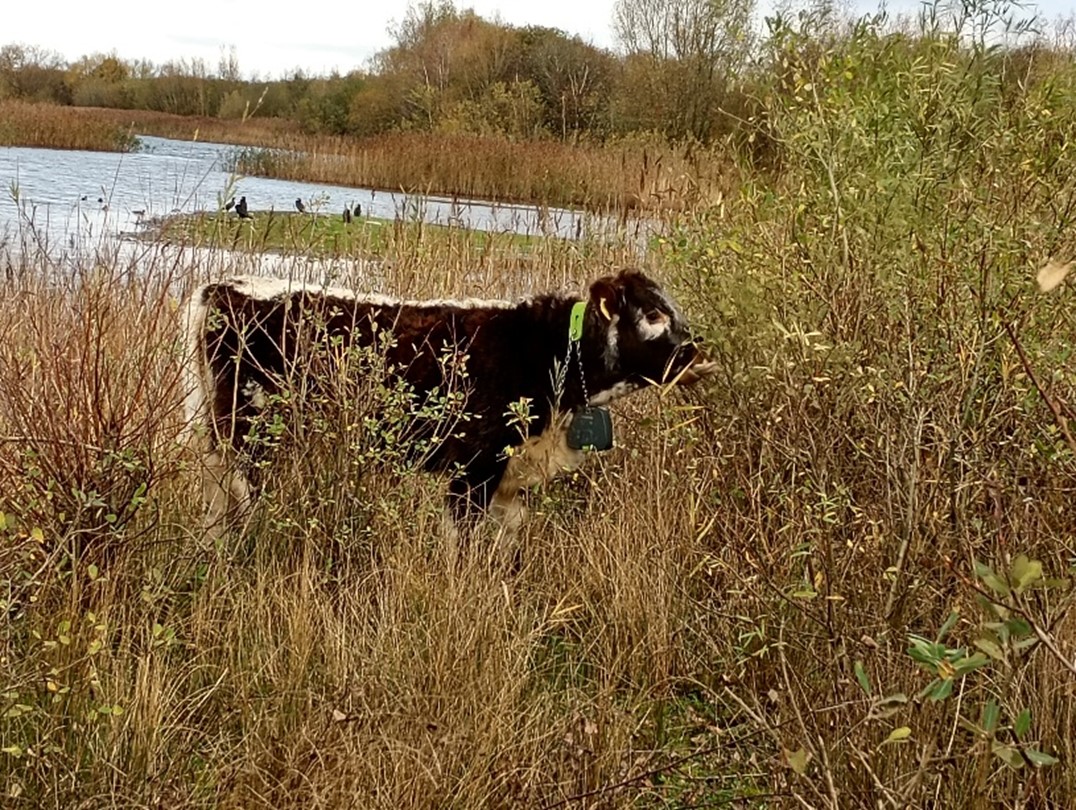
A longhorn calf tackling willow in the beaver area

This year NWT is especially pleased to have established a dedicated volunteer group for Spalford Warren SSSI, a site which is home to rare aeolian sand heathland. This is a type of heathland shaped by the wind, formed through the movement and deposition of sand and other fine particles. These landscapes are typically open and sparsely vegetated, occurring where little plant cover exists to stabilise the shifting sands. Over time, as vegetation establishes, these habitats become more stable and resilient, providing a secure environment for both the sand and the specialist wildlife that depends on them.

NWT are also delighted to highlight the amazing contribution of their fantastic volunteers. Their dedication is essential to delivering the reserve management work, and their enthusiasm and support are already making a real difference.

[Many Thanks to Janice Bradley and Erin McDaid from Nottinghamshire Wildlife Trust for providing the news and images for this blog]

Publication of the Local Nature Recovery Strategy (LNRS) for Nottinghamshire

Nottinghamshire’s LNRS is formally being published today!

Nottinghamshire’s LNRS has been formally published today and is available to view here at www.nottsnaturerecovery.co.uk!

The document will provide a clear framework for nature recovery across the county, and help to guide decisions on partner projects and developers’ offsite Biodiversity Net Gains (BNG).

The LNRS team will work closely with Notts Biodiversity Action Group (Notts BAG), recognising the vital role that the partnership plays in delivering the strategy on the ground. This marks a pivotal moment for nature recovery in Nottinghamshire, laying the groundwork for coordinated action to restore and enhance biodiversity across the region!

The County Council has secured an additional year of DEFRA funding to establish delivery and monitoring arrangements.

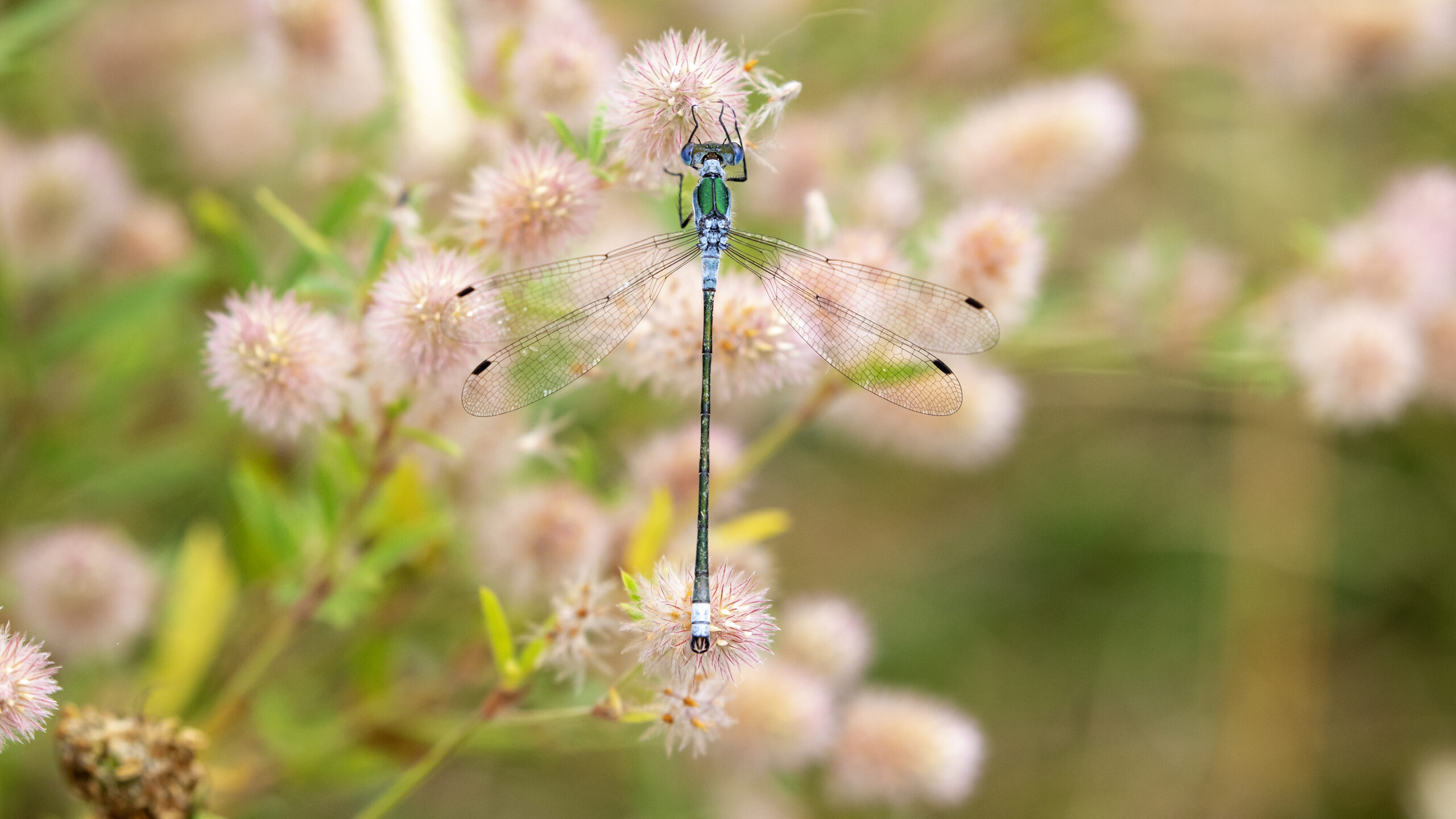
High Resolution close up photograph of an Emerald Damselfly which has a blue-green body and translucent wings. It is sitting on a delicate pink flower called Hare's-foot Clover.

Winner of the photo competition: Emerald Damselfly on Hare’s-foot Clover taken at Intake Wood, Clipstone by Kevin Clarke

The photo on the front cover of the strategy document is the winning photo from a competition that the County Council ran over the summer.  Over 230 entries were reviewed, and the winning photo is an Emerald Damselfly on Hare’s-foot Clover taken at Intake Wood, Clipstone by Kevin Clarke.  He took the photo because

“Damselflies are probably more overlooked than the bigger Dragonflies, but are just as striking when observed.  This image was taken on the edge of a large housing estate. Not only does this show nature can thrive close to where people live, it also showcases if you give nature the space to live in, nature can find a way to use it.”

The strategy has been formally approved by the County Council in accordance with the statutory guidance and is supported by the district, borough and City Councils, EMCCA and Natural England as Supporting Authorities.